
Cutting metal can be a challenge, especially for DIYers and beginners who often ask if they can use a jigsaw for the job. Many people know that a jigsaw is great for wood, but when it comes to metal, things get confusing. The good news is: yes, you can cut metal with a jigsaw. However, you need to know the right techniques, tools, and safety steps to do it safely and effectively. If you use the wrong blade or method, you might ruin your workpiece, break blades, or even hurt yourself. In this guide, you’ll learn everything you need to know about using a jigsaw for metal, from choosing the right blade to advanced tips for clean, accurate cuts.
How A Jigsaw Works
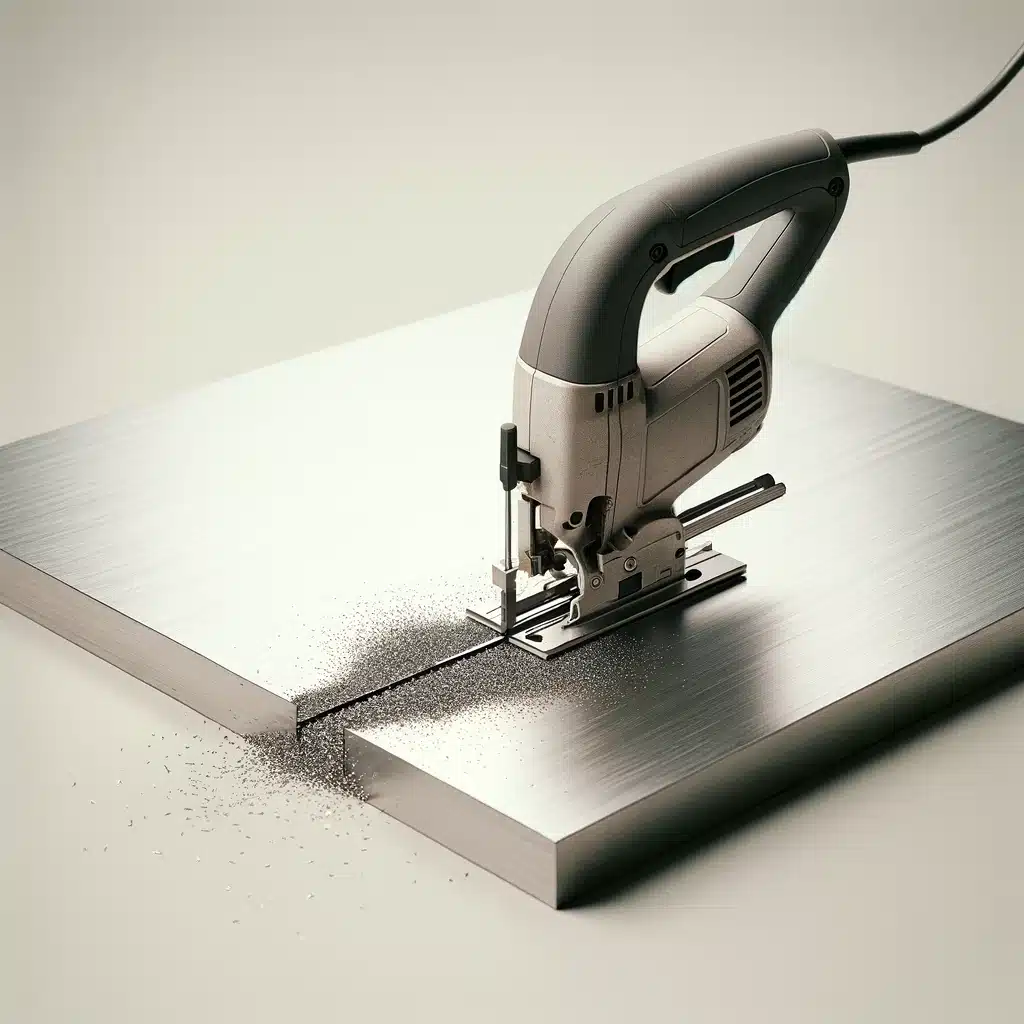
A jigsaw is a power tool that uses a motor to move a small, straight blade up and down quickly. This motion is called reciprocating. You guide the jigsaw along a line you want to cut, and the blade does the work. Jigsaws are popular because they are portable, easy to use, and can cut curves or straight lines. Most people use them for wood, but with the right setup, they can handle metal too.
Jigsaws are different from other saws like circular saws or angle grinders. They are designed for detail work, making them perfect for cutting shapes, holes, or custom patterns in sheet materials. Their small blades make it easier to control the tool, especially for beginners.
Types Of Metals You Can Cut With A Jigsaw
Not all metals are the same, and not all can be cut easily with a jigsaw. Here are the most common types:
- Aluminum – This is a soft, non-ferrous metal. Jigsaws can cut aluminum sheets up to about 3/16 inch (5 mm) thick with the right blade.
- Steel (Mild/Carbon) – Thinner sheets of mild steel (up to 10 gauge or about 1/8 inch) can be cut with a jigsaw. Thicker steel will wear out blades quickly.
- Stainless Steel – Much harder than mild steel. Only thin stainless steel (less than 1/16 inch) should be cut with a jigsaw, using a high-quality blade.
- Copper and Brass – Both are softer metals. Jigsaws can cut thin sheets easily, but thicker pieces may require more effort.
- Tin – Commonly used for ducts or roofing. Jigsaws handle tin very well with the right blade.
Important tip: For thick or very hard metals, a jigsaw is not the best tool. It is better to use an angle grinder, band saw, or plasma cutter for these jobs.
Choosing The Right Jigsaw Blade For Metal
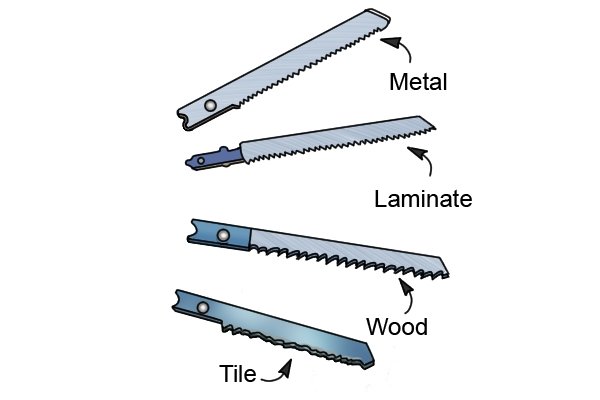
The blade is the most important part when cutting metal with a jigsaw. Not all blades are the same. Here’s what you need to know:
Blade Material
- High-Speed Steel (HSS): Good for cutting softer metals like aluminum, copper, or brass.
- Bi-Metal: Made from two types of steel. These are best for cutting harder metals like steel or stainless steel. They last longer and resist breaking.
- Carbide Grit: For very hard metals or stainless steel, these blades have small pieces of carbide. They cut slower but last longer.
Teeth Per Inch (tpi)
TPI means Teeth Per Inch on the blade. More teeth give a smoother cut but cut slower. Fewer teeth cut faster but can leave rough edges.
- 18-24 TPI: Best for thin sheet metal (up to 1/8 inch).
- 14-18 TPI: Good for medium thickness.
- 10-14 TPI: For thicker metals, but may leave rougher cuts.
Blade Shape And Length
- Shorter blades are better for thin metals. They vibrate less and give more control.
- Longer blades are needed for thicker materials, but they can bend or break if used incorrectly.
Blade Example Comparison
| Blade Type | Best Use | Durability | Price Range |
|---|---|---|---|
| HSS | Soft metals (Aluminum, Copper) | Medium | Low |
| Bi-Metal | Harder metals (Steel, Stainless) | High | Medium |
| Carbide Grit | Very hard or thick metals | Very High | High |
Non-obvious insight: Many beginners use wood blades by mistake. These will dull quickly and can break, sometimes causing the saw to jump. Always double-check your blade is for metal before starting.
Setting Up Your Jigsaw For Metal Cutting
A good setup makes the cutting process safer and smoother. Here’s how to prepare:
- Clean the Work Area: Remove dust, grease, and dirt from the metal. This prevents slipping and gives a more accurate cut.
- Clamp the Metal Firmly: Metal vibrates easily. Use strong clamps to hold the workpiece so it doesn’t move during cutting.
- Use a Sacrificial Backer: Place a piece of scrap wood under thin metal sheets. This supports the metal and reduces vibration.
- Mark Your Cut Line: Use a fine marker or scribe. Tape along the line can help prevent scratches from the jigsaw’s base.
- Set the Jigsaw Speed: Use a lower speed setting. High speed creates too much heat, dulling the blade faster.
- Check Blade Installation: Make sure the blade is straight and locked tightly in the tool.
Practical tip: If your jigsaw has an orbital action setting, turn it off. Orbital action is for wood and will cause rough, bouncy cuts in metal.
How To Cut Metal With A Jigsaw: Step-by-step Guide
1. Safety First
Always wear safety glasses to protect your eyes from metal shavings. Gloves are a good idea, but make sure they are tight-fitting. Loose gloves can get caught in the blade. Hearing protection is also smart, as cutting metal is loud.
2. Secure The Metal
Clamp your metal piece to a sturdy table. If you’re cutting a small piece, try sandwiching it between two pieces of wood to hold it still and reduce vibration.
3. Mark And Tape
Draw your cutting line clearly. For smoother cuts on delicate metals, lay masking tape over the line and cut through the tape. This helps prevent scratches and burrs.
4. Install The Correct Blade
Choose your blade based on the type of metal and thickness. Install it firmly, and double-check that the teeth are facing forward.
5. Adjust The Jigsaw Settings
- Speed: Set to low or medium.
- Pendulum/Orbital Action: Off.
- Base Plate: Keep flat against the metal at all times.
6. Start The Cut
Place the jigsaw blade at the start of the cut, touching the metal but not running. Start the motor, and let the blade reach full speed before moving forward. Push gently; don’t force the saw. Let the blade do the work.
7. Follow The Line
Keep your hands steady and move slowly along the cutting line. For curves, turn the jigsaw gently. Do not twist the blade sharply—it can break.
8. Cool Down
For longer cuts, stop every few inches to let the blade cool. You can add a drop of cutting oil to the line to reduce heat and make the blade last longer.
9. Finish And Clean Up
Once finished, turn off the jigsaw and let the blade stop moving before lifting it. Use a metal file or sandpaper to remove any burrs or sharp edges.
Non-obvious insight: Many beginners forget to let the blade cool, which makes blades wear out quickly. Cooling the blade every few inches can double its life.
Best Practices For Accurate And Clean Metal Cuts
Cutting metal with a jigsaw is different from wood in several ways. Here are some tips for better results:
- Use Cutting Oil: Light oil on the cut line reduces friction, heat, and blade wear.
- Work Slowly: Rushing causes the blade to overheat and break. Move at a slow, even pace.
- Support Both Sides: If cutting out a shape, support both sides of the metal so the piece doesn’t bend or fall when finished.
- Check Blade Sharpness: A dull blade makes rough cuts and can damage your jigsaw.
- Start With a Pilot Hole: For interior cuts, drill a hole big enough for the blade to fit in. Then start your jigsaw cut from there.
- Avoid Forcing Curves: For tight curves, make relief cuts (small straight cuts up to the curve), then finish the curve for smoother results.
Common Mistakes When Cutting Metal With A Jigsaw
Even experienced users can make errors. Here are some common mistakes and how to avoid them:
- Using the Wrong Blade: Metal blades are essential. Wood blades will dull and break.
- Cutting Too Fast: Fast cutting overheats and ruins blades quickly.
- Not Clamping the Metal: Unsecured metal vibrates, causing rough cuts and blade breakage.
- No Lubrication: Dry cutting creates more heat, shortening blade life and making rough edges.
- Skipping Safety Gear: Metal shavings are sharp and dangerous. Always wear eye protection.
- Ignoring Blade Condition: Using a dull or bent blade can ruin your project and your tool.
When Not To Use A Jigsaw For Metal
A jigsaw is a great tool for many DIY jobs, but sometimes it’s not the right choice for metal. Here are cases where you should use another tool:
- Very Thick Metals: Anything over 1/4 inch (6 mm) is too much for most jigsaws.
- Hardened Steel or Tool Steel: These are too hard for jigsaw blades.
- Large Straight Cuts: For long, straight lines in thick metal, a circular saw with a metal blade or an angle grinder is better.
- Heavy-Duty Projects: For automotive frames, structural steel, or pipes, use a dedicated metal-cutting saw.
Alternative Tools for Cutting Metal:
- Angle Grinder: Fast and powerful for straight and curved cuts.
- Bandsaw: Great for thick or complex shapes, especially for repeated cuts.
- Shears/Nibblers: For sheet metal, these make fast, clean cuts.
- Plasma Cutter: For thick or intricate shapes, but more expensive and requires experience.
Comparison: Jigsaw Vs. Other Metal Cutting Tools
Choosing between a jigsaw and other cutting tools depends on your needs. Here’s a quick comparison:
| Tool | Best For | Cut Quality | Cost | Learning Curve |
|---|---|---|---|---|
| Jigsaw | Curves, thin sheets, small shapes | Medium to High | Low to Medium | Easy |
| Angle Grinder | Straight cuts, thick metal, quick jobs | Medium | Low | Medium |
| Metal Bandsaw | Thick metal, precise shapes | High | High | Hard |
| Shears/Nibblers | Sheet metal, straight/curved cuts | High | Medium | Easy |
| Plasma Cutter | Thick metal, complex shapes | Very High | Very High | Hard |
Advanced Tips For Cutting Metal With A Jigsaw
If you want to get professional results, here are some advanced tips:
- Use Variable Speed: If your jigsaw has variable speed, start slow and increase as needed.
- Double-Sided Tape: For thin metal, stick it to plywood with double-sided tape. This reduces vibration and gives a cleaner cut.
- Blade Cooling: Dip the blade in oil every few inches for long cuts.
- Edge Preparation: Deburr with a file or grinder after cutting for a smooth finish.
- Reduce Chip-Out: Use painter’s tape over the cut line to reduce metal splinters.
- Workpiece Orientation: Cut with the good side facing down, as the bottom edge is usually cleaner.
Example: If you need to cut a perfect circle in aluminum, mark your center, drill a pilot hole, and use a fine-tooth bi-metal blade. Move slowly, and support the metal underneath. Finish the edges with a round file for a smooth result.
Safety Precautions When Cutting Metal
Working with metal is more dangerous than wood. Take these steps seriously:
- Wear Eye Protection: Metal shavings fly fast and can cause eye injuries.
- Hearing Protection: Cutting metal is loud. Protect your ears with earplugs or earmuffs.
- Use Tight Gloves: Only wear tight-fitting gloves. Loose gloves can get caught.
- Keep the Area Clean: Remove flammable materials. Sparks can start fires.
- Secure the Workpiece: Never hold metal in your hand while cutting.
- Unplug When Changing Blades: Always unplug the tool before touching the blade.
Maintenance Of Jigsaw And Blades After Cutting Metal
Cutting metal is hard on tools. Here’s how to keep your jigsaw and blades in good shape:
- Clean the Jigsaw: Wipe off metal dust and shavings. Use compressed air for tight spots.
- Check the Blade: After each use, look for dullness, bends, or chips. Replace if needed.
- Lubricate Moving Parts: Metal dust can dry out parts. A light spray of machine oil helps.
- Store Blades Properly: Keep blades dry and in their case to avoid rust.
- Inspect Power Cord: Check for cuts or damage. Metal shavings can harm cords.
Non-obvious insight: Even small pieces of metal dust can get inside your jigsaw. Regular cleaning prevents electrical problems and keeps your tool working longer.
Real-world Examples: When A Jigsaw Is The Best Choice
There are many situations where a jigsaw is the most practical tool for cutting metal:
- DIY Home Projects: Cutting thin aluminum for window frames, copper for crafts, or steel for brackets.
- Automotive Repairs: Trimming sheet metal for car panels, patching rust spots, or making custom shapes.
- Plumbing Work: Cutting holes for pipes in stainless steel sinks or aluminum panels.
- HVAC Installations: Shaping tin ductwork or making custom vent covers.
- Art Projects: Creating metal sculptures, signs, or wall art from thin sheet metal.
In all these cases, the jigsaw’s portability, ability to cut curves, and easy setup make it a great choice.
Cost Of Cutting Metal With A Jigsaw Vs. Other Tools
Let’s compare the typical costs for a beginner:
| Tool | Average Cost (USD) | Blade/Accessory Cost | Maintenance |
|---|---|---|---|
| Jigsaw | $40–$150 | $5–$20 (per pack) | Low |
| Angle Grinder | $30–$100 | $2–$8 (per disc) | Medium |
| Metal Bandsaw | $300–$800 | $15–$40 (per blade) | High |
| Plasma Cutter | $400–$2000+ | $20–$100 (consumables) | High |
As shown, the jigsaw is a very affordable way to cut metal for most small jobs.
Environmental Impact: Jigsaw Vs. Other Cutting Tools
Jigsaws are usually electric and create less dust and fewer sparks than grinders or plasma cutters. This makes them safer for indoor use and reduces the risk of fire. They are also quieter and use less energy, especially for occasional use.
Tip: Collect metal shavings for recycling, and dispose of old blades properly. Many areas have recycling programs for used metal tools.
Troubleshooting: Common Problems And Solutions
Even with the best preparation, you might run into problems. Here’s how to solve them:
- Blade Dulls Quickly: Use more cutting oil, slow down, or switch to a higher-quality blade.
- Rough Edges/Burrs: Use a finer TPI blade, slow your cutting speed, and finish with a file.
- Blade Breaks: You might be forcing the saw, using the wrong blade, or turning too sharply.
- Metal Bends or Warps: Clamp the piece better, use a backer board, and slow down.
- Jigsaw Overheats: Take breaks, check for metal dust in the vents, and cut at a slower speed.
How To Choose A Jigsaw For Cutting Metal
Not all jigsaws are equal. If you plan to cut a lot of metal, look for these features:
- Variable Speed Control: Lets you adjust for different metals and thicknesses.
- Sturdy Construction: Metal cutting puts more stress on the tool.
- Easy Blade Change System: Quick-release makes changing blades faster and safer.
- Dust Blower: Keeps your cut line clear for more accurate cuts.
- Power: Corded models usually have more power for cutting metal than cordless.
Recommended Brands And Models
Some jigsaw brands are known for durability and quality metal-cutting performance:
- Bosch: Known for smooth cuts and reliability.
- DeWalt: Strong motors and user-friendly controls.
- Makita: Good balance and less vibration.
- Milwaukee: Excellent for heavy-duty use.
Choose a model with good reviews for metal cutting, not just for wood.
Where To Learn More
For more in-depth guides, safety standards, and blade recommendations, visit the Wikipedia page on jigsaws.
Frequently Asked Questions
Can All Jigsaws Cut Metal?
Not all jigsaws are designed for metal. Most modern jigsaws can cut thin metal if you use the right blade and settings. However, older, low-powered, or very cheap jigsaws might struggle or wear out quickly. Always check your jigsaw’s manual for metal-cutting capabilities.
What Is The Best Blade For Cutting Metal With A Jigsaw?
The best blade depends on the metal type and thickness. For thin sheet metal, use a bi-metal blade with 18–24 TPI. For thicker or harder metals, consider a carbide grit blade. Always choose blades labeled for metal, not wood.
How Thick Metal Can A Jigsaw Cut?
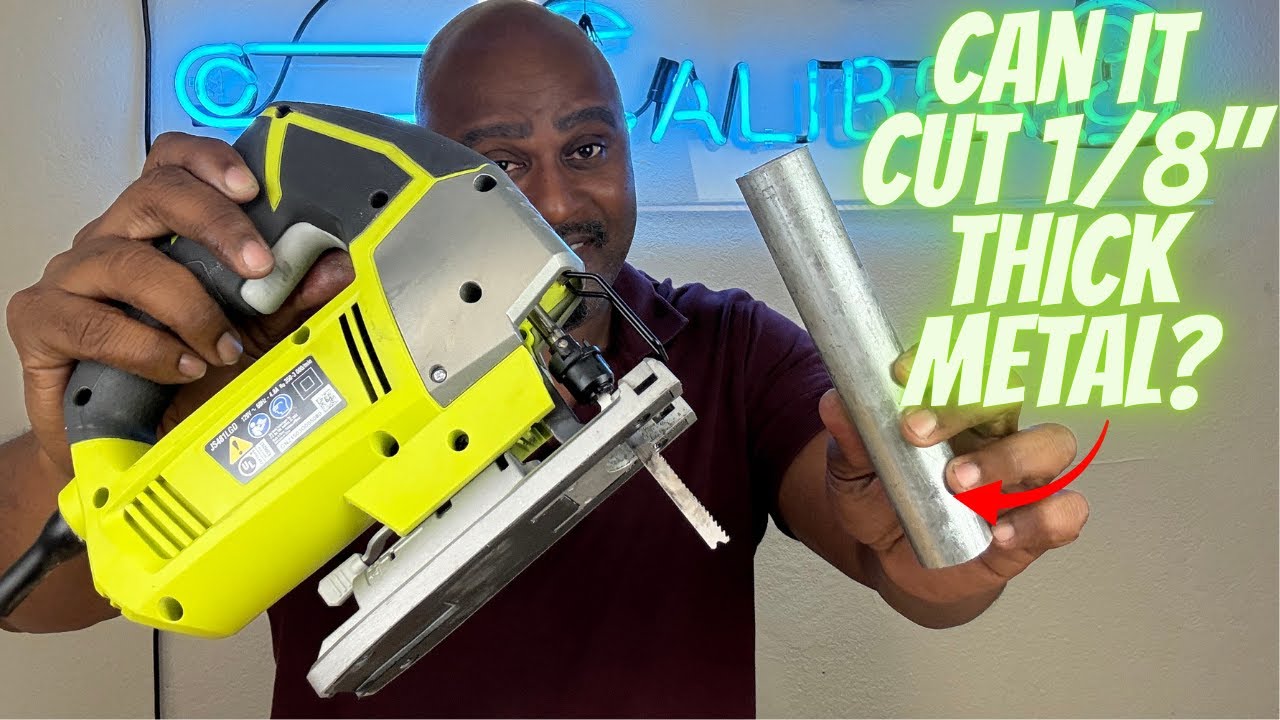
A typical jigsaw can cut aluminum up to 3/16 inch (5 mm), mild steel up to 1/8 inch (3 mm), and stainless steel only in very thin sheets (less than 1/16 inch or 1.5 mm). For anything thicker, use a different tool like an angle grinder or bandsaw.
How Do I Prevent The Jigsaw Blade From Overheating?
To prevent overheating, use cutting oil, work at a slow speed, and pause every few inches to let the blade cool. Also, ensure your blade is sharp and suitable for metal.
Is Cutting Metal With A Jigsaw Safe For Beginners?
Cutting metal with a jigsaw is safe if you follow all safety steps: use the correct blade, clamp the metal, wear eye and hearing protection, and keep your hands away from the blade. Beginners should practice on scrap metal first to learn the right speed and pressure.
Cutting metal with a jigsaw is possible and can give great results if you use the right blade, set up your work properly, and follow safety steps. For thin metals and detailed cuts, it’s a practical, affordable choice. With practice and care, your jigsaw can become a reliable tool for many metalworking projects.