
The Chevy Trax is a popular compact SUV loved for its easy handling, practical size, and efficient engine. Whether you use it for daily commuting or weekend trips, proper maintenance is essential to keep your Trax running smoothly. One of the most important—and often misunderstood—parts of this maintenance is managing your engine oil. Knowing the correct Chevy Trax oil capacity, the right type of oil, and how to handle oil changes can make a big difference in the life and performance of your vehicle. If you’re unsure where to start, you’re not alone. Many Trax owners have questions, especially when dealing with different model years and engine options. This guide will give you clear, complete answers and help you avoid common mistakes.
Why Oil Capacity Matters For The Chevy Trax
The oil capacity of your Chevy Trax is more than just a number in the manual. Using the wrong amount of oil can cause big problems. Too little oil means the engine parts won’t get enough lubrication, which can lead to overheating or even severe engine damage. Too much oil can create too much pressure, damage seals, or cause leaks.
Many drivers don’t realize that even a small difference in oil level can affect engine performance. Modern engines like the one in the Trax are designed for precision. That’s why knowing the exact oil capacity—and following it carefully—helps your engine last longer and run better.
Chevy Trax Oil Capacity By Model Year And Engine
The Chevy Trax has been offered with several engines since its introduction. The oil capacity may change depending on the engine type and model year. It’s important to check your specific Trax, but here are the most common oil capacities for U.S. models:
| Model Year | Engine | Oil Capacity (with filter) | Recommended Oil Type |
|---|---|---|---|
| 2015-2016 | 1.4L Turbo I4 | 4.2 quarts (4.0 liters) | SAE 5W-30 |
| 2017-2022 | 1.4L Turbo I4 | 4.2 quarts (4.0 liters) | SAE 5W-30 |
| 2024 | 1.2L Turbo I3 | 4.8 quarts (4.5 liters) | SAE 0W-20 |
Key insight: Many owners do not realize that the 2024 redesign brought a new engine, which uses a different oil capacity and oil type compared to earlier Trax models.
Understanding The Different Engine Types
Most Chevy Trax models in the U.S. between 2015 and 2022 use the 1.4L Turbocharged 4-cylinder engine. It’s a small but efficient engine that responds well to regular oil changes and the right oil type. The 2024 Trax, however, uses a 1.2L Turbocharged 3-cylinder engine—a newer design that needs a different approach.
The 1.4L engine is known for:
- Smooth power delivery
- Good fuel efficiency
- Reliable performance with regular maintenance
The 1.2L engine (2024+) is designed for:
- Better fuel economy
- Lower emissions
- Newer oil requirements (often synthetic)
Non-obvious insight: If you own a 2024 Trax, using the old 5W-30 oil can damage the engine. Always check your manual, especially after a major model update.
How To Check Oil Level Correctly In Your Chevy Trax
Checking your oil level is simple, but many people make mistakes. Here’s how to do it the right way:
- Warm up the engine. Run your Trax for a few minutes, then turn it off. Wait about 2-5 minutes for the oil to settle.
- Park on a level surface. This ensures an accurate reading.
- Remove the dipstick. Wipe it clean with a cloth.
- Insert the dipstick fully, then remove it again. Look at the oil level mark.
- Oil should be between the MIN and MAX marks. If it’s low, add oil slowly—never more than half a quart at a time.
Practical tip: Always check your oil before long trips or after an oil change. Many Trax owners skip this step and discover problems too late.
Detailed Oil Change Procedure For Chevy Trax
Changing your oil at home can save money and help you understand your vehicle better. Here is a step-by-step guide tailored for the Chevy Trax (1.4L engine, 2015-2022):
What You Need
- 4.2 quarts (4.0 liters) of SAE 5W-30 oil (for 1.4L)
- New oil filter (OEM or high-quality aftermarket)
- Oil drain pan
- Socket wrench (typically 15mm)
- Funnel
- Gloves and rags
Steps
- Warm up the engine for a few minutes, then turn it off.
- Raise the vehicle using ramps or a jack if needed.
- Place the oil drain pan under the oil pan drain plug.
- Remove the drain plug and let the oil drain completely (about 10–15 minutes).
- Replace the drain plug and tighten securely (do not over-tighten).
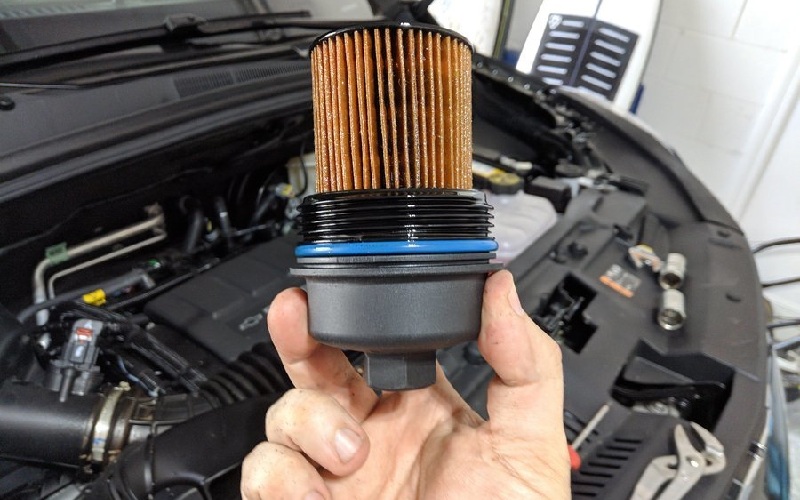
- Remove and replace the oil filter. Lubricate the rubber gasket on the new filter with a little fresh oil.
- Add new oil using a funnel.
- Start the engine and let it run for 1–2 minutes.
- Turn off the engine and wait 2–3 minutes. Check the oil level with the dipstick. Add more oil if needed.
- Dispose of old oil responsibly. Many auto parts stores accept used oil for recycling.
Common mistake: Forgetting to replace the oil filter or not tightening the drain plug properly. This can lead to leaks and engine damage.
Oil Change Interval
For most Chevy Trax models, oil changes are recommended every 7,500 miles (12,000 km) or 12 months, whichever comes first. However, if you drive in harsh conditions (frequent short trips, dusty roads, extreme temperatures), consider changing oil every 5,000 miles (8,000 km).
Oil Type Recommendations And Why They Matter
Using the right oil type is just as important as the oil capacity. The recommended oil for most Trax engines is SAE 5W-30, but the 2024 model needs SAE 0W-20. Always use oil that meets the GM dexos1 Gen 2 specification (for gasoline engines).
Why Oil Grade Matters
- 5W-30: Good for most climates, balances protection and efficiency.
- 0W-20: Flows better at cold temperatures, often required for new engines.
Non-obvious insight: Some aftermarket oils may claim compatibility but lack the GM dexos1 certification. Using non-approved oils can void your warranty or cause engine issues.
Synthetic Vs. Conventional Oil For Chevy Trax
Many owners wonder if they should use synthetic oil. The answer depends on your driving habits and model year.
- Synthetic oil offers better protection, especially in extreme temperatures.
- It also helps the engine stay cleaner and may extend oil change intervals.
- Most newer Trax models (especially 2024+) require synthetic oil.
Real-world example: If you drive short distances often, synthetic oil prevents sludge better than conventional oil, making it a smart choice even if your manual allows both.
Signs Your Trax Needs An Oil Change
Not all drivers stick to a schedule, but your Chevy Trax will often warn you when it’s time for an oil change. Look for these signs:
- Oil change reminder light on the dashboard
- Loud or rough engine sounds
- Dark, dirty oil on the dipstick
- Reduced fuel economy
- Burning oil smell
If you notice any of these, check your oil level and condition immediately.

What Happens If You Overfill Or Underfill Oil?
Adding too much or too little oil is more common than you might think. Both can harm your engine.
Overfilling
- Can cause foaming, which reduces oil’s ability to lubricate
- May lead to oil leaks or blown seals
- Can trigger warning lights or engine misfires
Underfilling
- Leads to poor lubrication
- Causes overheating
- Can result in serious engine damage or failure
Expert tip: Always add oil in small increments and check the dipstick. Never guess the amount.
Engine Oil Filter: Don’t Ignore This Part
Every oil change should include a new oil filter. The filter traps dirt and metal particles, stopping them from circulating in your engine. A clogged filter can reduce oil pressure and lead to costly repairs.
Recommended brands: AC Delco (OEM), Fram, Bosch, and Mobil 1. Always match the filter to your engine model and year.
How To Choose The Right Oil For Your Chevy Trax
When shopping for engine oil, you’ll notice many brands and types. Here’s what really matters:
- Oil grade (viscosity): Always follow your manual (usually 5W-30 or 0W-20).
- Certification: Look for the dexos1 Gen 2 logo.
- Brand reputation: Choose trusted brands like Mobil 1, Castrol, Valvoline, or Pennzoil.
Common buyer mistake: Going for the cheapest oil without checking certifications. Cheap, uncertified oil can save money now but lead to expensive repairs later.
Oil Capacity Differences: U.s. Vs. Global Chevy Trax
Some international Trax models use different engines, such as diesel or naturally aspirated variants. These may have oil capacities that differ from North American models. Always double-check your manual if you imported your vehicle or live outside the U. S.
Comparing Oil Capacity: Chevy Trax Vs. Similar Suvs
How does the Trax’s oil capacity compare to other small SUVs? Here’s a quick comparison:
| Vehicle | Engine | Oil Capacity (with filter) |
|---|---|---|
| Chevy Trax (2022) | 1.4L Turbo I4 | 4.2 quarts (4.0 L) |
| Honda HR-V (2022) | 1.8L I4 | 3.7 quarts (3.5 L) |
| Hyundai Kona (2022) | 2.0L I4 | 4.2 quarts (4.0 L) |
| Ford EcoSport (2022) | 1.0L Turbo I3 | 4.2 quarts (4.0 L) |
Insight: The Trax’s oil capacity is typical for its class, so oil change costs and intervals are similar to rivals.
How Oil Capacity Affects Maintenance Costs
The amount of oil your engine needs affects how much you pay for oil changes. Synthetic oil is more expensive, and engines that use more oil will cost more per service.
For example:
- Trax (1.4L): 4.2 quarts—average cost for synthetic oil change: $60–$90
- Trax (1.2L, 2024): 4.8 quarts—costs are slightly higher due to more oil and often higher oil quality
- Some competitors use less oil, but the difference in real-world cost is usually small (about $5–$10 per change)
Practical Tips To Extend Engine Life
Proper oil management is one of the easiest ways to extend your Chevy Trax’s life. Here are a few tips:
- Stick to the oil change schedule even if you don’t drive much. Oil degrades over time, not just with miles.
- Use the correct oil and filter every time. Don’t mix brands or types unless it’s an emergency.
- Check for leaks regularly, especially after an oil change.
- Listen to your engine. New noises or roughness could mean oil issues.
- Keep oil receipts and service records. This helps with warranty claims and resale value.
Diy Vs. Professional Oil Change For Chevy Trax
Deciding whether to change your oil yourself or go to a shop depends on your experience and available tools.
Diy Oil Change
- Pros: Saves money, builds knowledge, more control over oil and filter choice
- Cons: Requires some tools and space, you must dispose of old oil properly
Professional Oil Change
- Pros: Fast, convenient, includes inspection, no mess at home
- Cons: More expensive, sometimes shops use bulk oil of unknown quality
Insider advice: If you go to a shop, ask them to show you the oil container and confirm the oil meets dexos1 Gen 2 specs.

Signs Of Oil-related Problems In Chevy Trax
Ignoring oil issues can lead to expensive repairs. Watch out for these warning signs:
- Low oil pressure warning on the dashboard
- Burning oil smell or blue exhaust smoke
- Oil puddles under the vehicle
- Knocking or ticking sounds from the engine
If you notice any of these, check your oil level immediately and visit a mechanic if the problem continues.
Environmental Impact: Responsible Oil Disposal
Used engine oil is hazardous to the environment. Never pour old oil down the drain or on the ground. Take it to a recycling center or an auto parts store that accepts used oil.
Fact: Just one gallon of used oil can contaminate a million gallons of water. Proper disposal protects the environment and is often required by law.
Oil Capacity And Engine Performance
Some drivers believe adding extra oil will help their engine run better, but this is a myth. The Trax’s engine is designed to work best with the precise oil capacity listed in your manual. Overfilling can cause problems, as described earlier.
Performance insight: Keeping oil at the correct level reduces engine wear, helps maintain fuel efficiency, and keeps emissions low.
What To Do If You Accidentally Overfill Or Underfill
Mistakes can happen. If you overfill by a small amount (less than half a quart), check your dipstick and monitor for leaks or warning lights. For larger overfills, or if you notice problems, drain the excess oil immediately.
If you underfill, add oil as soon as possible. Running the engine with low oil, even briefly, can cause damage.
Pro tip: If unsure, it’s safer to slightly underfill and add more after checking the dipstick, rather than risk overfilling.
Using Oil Life Monitoring System In Chevy Trax
Most modern Trax models have an oil life monitoring system. This system uses sensors and algorithms to calculate oil life based on driving conditions.
- The system will display a message when it’s time for an oil change.
- After changing the oil, reset the oil life monitor by holding the “Check” or “Reset” button on your dashboard (see your manual for exact steps).
Insight: Trust the oil life monitor, but check oil level and condition manually as well.
Common Myths About Chevy Trax Oil Capacity
There are several myths and misunderstandings about oil capacity and changes for the Trax:
- Myth: “You can use any oil as long as it’s the right weight.”
Fact: Only use oil that meets GM dexos1 Gen 2 requirements.
- Myth: “If you don’t drive much, you never need an oil change.”
Fact: Oil breaks down with time, not just miles.
- Myth: “More oil means better protection.”
Fact: Too much oil can damage your engine.
Tools And Resources For Chevy Trax Oil Maintenance
To keep your oil changes easy and accurate, consider these tools:
- Oil filter wrench: Makes removing the filter simple
- Funnel: Prevents spills when pouring oil
- Oil catch pan: For clean disposal
- Service manual: For specs and procedures
Reliable resources include your official Chevy owner’s manual and trusted automotive websites. For more technical details, see the official Chevrolet website.
Frequently Asked Questions
What Is The Oil Capacity Of The 2022 Chevy Trax?
The 2022 Chevy Trax with the 1.4L Turbo engine has an oil capacity of 4.2 quarts (4.0 liters) with a new filter installed. Always check your manual to confirm for your exact model.
Can I Use 5w-30 Synthetic Oil In The 2024 Chevy Trax?
No, the 2024 Trax uses a 1.2L Turbo engine that requires 0W-20 oil, typically synthetic. Using 5W-30 can harm the engine and may void your warranty.
How Often Should I Change Oil In My Chevy Trax?
Chevy recommends an oil change every 7,500 miles (12,000 km) or once a year, whichever comes first. If you drive in severe conditions, change oil every 5,000 miles (8,000 km).
What Happens If I Overfill My Chevy Trax With Oil?
Overfilling can cause oil foaming, leaks, pressure on seals, and engine misfires. If you’ve added too much, drain the excess oil immediately and check for leaks.
Do I Need To Replace The Oil Filter Every Oil Change?
Yes, always replace the oil filter during each oil change. A clean filter ensures your engine stays protected from dirt and debris.
Taking care of your Chevy Trax oil capacity and maintenance is one of the simplest, most effective ways to protect your vehicle. A small amount of attention now will keep your Trax reliable for years to come. Remember, the right oil, proper capacity, and regular checks are your best defense against costly repairs.