
If you own or maintain a Cummins ISL diesel engine, you know that proper oil management is essential. The Cummins ISL oil capacity is not just a number—it’s a vital part of keeping your engine healthy, efficient, and long-lasting. Many engine failures and expensive breakdowns start with something as simple as using the wrong oil amount or missing an oil change. Yet, the ISL’s oil system has details and requirements that even experienced mechanics sometimes miss.
In this guide, you’ll get a full understanding of Cummins ISL oil capacity—from exact numbers to practical advice, common mistakes, and even advanced tips. Whether you’re a fleet manager, truck owner, or just learning about your engine, you’ll find everything you need to take care of your ISL.
Let’s dive into the details that matter most.
What Is The Cummins Isl Engine?
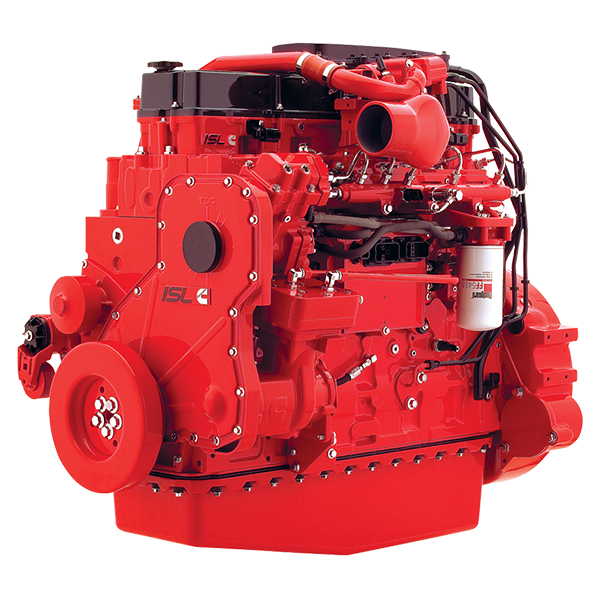
The Cummins ISL is a popular heavy-duty diesel engine used in trucks, buses, RVs, and industrial machines. It’s known for its strong power, good fuel efficiency, and reliability. The ISL is part of Cummins’ “MidRange” family, usually in the 8.9-liter class, with power outputs from 250 to 400 horsepower.
This engine is designed for tough work. You’ll find it in:
- City and school buses
- Delivery trucks
- Construction vehicles
- Fire engines and ambulances
- Motorhomes
The ISL uses a high-pressure common-rail fuel system, advanced electronics, and a robust block. It’s built to last hundreds of thousands of miles with the right care. But, like all diesels, oil is its lifeblood.
Understanding Oil Capacity: Why It Matters
The oil capacity of your Cummins ISL matters for several reasons:
- It ensures all moving parts are lubricated.
- The right amount helps control heat.
- It carries away dirt and microscopic metal particles.
- It helps the engine filter and neutralize harmful chemicals.
Too little oil, and you risk engine damage. Too much, and you could cause foaming, leaks, or blown seals. Both situations are expensive to fix.
Most ISL engines have a factory-recommended oil capacity between 26 and 31 quarts (about 24.6 to 29.3 liters), depending on the model and oil pan size. But the details are important—let’s break them down.
Cummins Isl Oil Capacity: The Numbers
Getting the correct oil capacity for your ISL depends on several factors:
- Engine model year
- Oil pan type (shallow or deep)
- Application (truck, bus, RV)
- Oil filter type
Here’s a quick reference for the most common ISL variants:
| Model Year | Oil Pan Type | Total Oil Capacity (with filter) |
|---|---|---|
| 2002–2010 | Standard (Shallow) | 26 quarts (24.6 L) |
| 2002–2010 | Deep | 31 quarts (29.3 L) |
| 2011–Current | Standard | 28 quarts (26.5 L) |
| 2011–Current | Deep | 31 quarts (29.3 L) |
Note: Always check your owner’s manual or Cummins service literature for your exact vehicle. Oil pan swaps and custom applications are common, especially in RVs and buses.
Oil Filter Impact
The oil filter holds about 1 quart (0. 95 L) of oil. When you change both oil and filter, always refill with the full listed amount.
Factors That Affect Oil Capacity
While the factory specification is a solid guide, real-world factors can change the actual oil needed:
1. Oil Pan Replacement
Many older ISL engines have had their oil pans replaced with aftermarket or deeper pans for extra capacity. This increases the oil requirement—sometimes by several quarts.
2. Engine Accessories
Some applications add oil coolers, extra filters, or hoses, all of which add to the total volume.
3. Oil Change Technique
If you don’t let the oil fully drain (for example, on a quick oil change), some old oil stays inside. This means you’ll add less new oil, but the total is still the same.
4. Filter Type/size
Heavy-duty or high-capacity filters may hold more oil than the standard version.
5. Incline Or Position
Draining or filling oil with the truck on a steep incline can slightly affect the oil level in the pan.
How To Check And Adjust Cummins Isl Oil Level
Never rely only on the listed capacity—always check the oil dipstick after filling. Here’s a simple, reliable process:
- Drain all old oil from the pan and remove the oil filter.
- Replace the filter with a new, correct Cummins part.
- Add oil: Pour in about 90% of the listed amount.
- Wait a few minutes for oil to settle.
- Check the dipstick. Add oil slowly until the level is at the “FULL” mark.
- Start the engine and let it idle for 1–2 minutes.
- Shut off, wait 5–10 minutes, then check the dipstick again. Top up if needed.
Pro Tip: New oil is often lighter in color and harder to see on the dipstick. Wipe the dipstick on a clean white paper towel to see the level clearly.
Recommended Oil Type And Specifications
Using the right engine oil is as important as the correct quantity. Cummins ISL engines usually require:
- Viscosity: 15W-40 for most climates; 10W-30 for cold weather
- Type: High-quality diesel engine oil
- API rating: CJ-4, CK-4, or better (check your engine year)
Avoid using gasoline engine oils or low-quality brands. Cummins recommends oils that meet their CES 20081 specification for the best protection and emissions control.
Oil Change Intervals For Cummins Isl
How often should you change your oil? The answer depends on:
- Engine age and usage
- Fuel quality
- Idle time vs. highway driving
- Oil type (synthetic vs. mineral)
Typical intervals:
- Standard use: Every 15,000 miles (24,000 km) or 500 hours
- Severe duty: Every 10,000 miles (16,000 km) or 250–300 hours
- Short trips or high idle: Every 6 months, even if mileage is low
If you use synthetic oil, you might stretch intervals, but always follow Cummins guidelines to keep your warranty.
Common Mistakes With Cummins Isl Oil Capacity
Even experienced operators make mistakes that can damage their engine. Here are a few to watch for:
1. Overfilling The Oil
Too much oil causes foaming, which leads to poor lubrication and possible engine damage. Always fill to the dipstick “FULL” mark.
2. Underfilling The Oil
Not enough oil means some parts run dry, creating wear and heat. Check your oil level regularly, especially after long trips.
3. Using The Wrong Oil Pan
If your oil pan was changed for a larger or smaller one, the original manual’s capacity no longer applies. Always verify the new pan size.
4. Ignoring Oil Leaks
A small leak can quickly drop your oil below safe levels. Fix leaks immediately and check the oil level before every long drive.
5. Not Changing The Oil Filter
Some skip the filter to save money. This is risky—the filter holds dirty oil and debris. Always change it with the oil.
6. Incorrect Dipstick
After engine rebuilds or swaps, the dipstick can be the wrong length. Check that “FULL” means the oil is at the correct level in the pan.
Cummins Isl Oil Capacity By Application
The ISL engine appears in many settings, and oil needs can differ.
Trucks And Delivery Vehicles
Most use the standard or deep oil pan, so expect to need 26–31 quarts. Long-haul trucks benefit from the deep pan for longer oil change intervals.
Buses (city And School)
Buses often use the deep pan for extra cooling and capacity. Some may have auxiliary filters or coolers. Always check the bus body builder documentation for your exact model.
Motorhomes And Rvs
RVs can have custom oil pans or extra oil lines due to tight engine bays. Owners often report their ISL needing 28–31 quarts. Check for any modifications by previous owners.
Fire Engines And Emergency Vehicles
These vehicles often idle for long periods. Their ISLs may have special pans or cooling systems. Oil capacity is usually at the high end, around 31 quarts, to protect against heat during idling.
Off-highway And Industrial Applications
Construction and mining ISLs may have non-standard oil pans and oil coolers. Always check the equipment builder’s recommendations.
Steps To Change Oil On A Cummins Isl
Changing oil on the ISL is straightforward, but a few details make the job easier and safer:
- Warm up the engine for 5–10 minutes to thin the oil.
- Park on level ground and turn off the engine.
- Put on gloves and safety glasses.
- Place a large drain pan under the oil pan drain plug.
- Remove the drain plug carefully and let all oil drain out (about 10–15 minutes).
- Remove the old oil filter.
- Install the new filter (pre-fill it with fresh oil if possible).
- Replace the drain plug with a new washer if needed.
- Add the correct amount of oil (see earlier table).
- Start the engine, let it idle, then check for leaks.
- Re-check the oil level after 5–10 minutes and top up as needed.
Tip: Always dispose of old oil and filters at a recycling center. Never pour them down the drain.
Oil Pan Types And Identification
Choosing the right oil pan is crucial for accurate oil capacity. Cummins ISL oil pans come in different depths. Here’s how to identify yours:
| Oil Pan Type | Height (approx.) | Usual Capacity | Common Applications |
|---|---|---|---|
| Standard (Shallow) | 6–7 inches | 26–28 quarts | Trucks, RVs |
| Deep | 8–9 inches | 31 quarts | Buses, Fire Engines |
How to measure: With the engine cool, measure the pan from the base to the top flange. Use a flashlight if needed. If unsure, a Cummins dealer can identify your pan by serial number.
Advanced Tips For Isl Oil Care
Experienced mechanics and fleet managers often use these “next-level” oil strategies:
- Oil Analysis: Sending a small oil sample to a lab every few oil changes can detect early engine problems, like coolant leaks or excess wear metals. This helps you plan repairs before breakdowns happen.
- Bypass Filtration: Some fleets add extra “bypass” oil filters to keep oil cleaner, allowing for longer oil intervals and less engine wear.
- Synthetic Oils: High-quality synthetics can offer better protection, especially in extreme heat or cold, and may allow for longer change intervals.
- Record Keeping: Keep a notebook or app log of every oil change, including the amount, type, and any leaks or issues. This is valuable for resale and warranty claims.
Signs Of Oil-related Problems
Watch for these warning signs after an oil change or during regular checks:
- Low oil pressure on the dashboard gauge
- Oil leaks under the engine or at the filter
- White or blue smoke from the exhaust
- Strange noises (knocking, ticking) after oil change
If you see any of these, stop and check your oil level. Running the engine with low or contaminated oil can cause severe damage.
How Cummins Isl Oil Capacity Compares To Other Engines
If you’re used to smaller engines, the ISL’s oil requirement might surprise you. Here’s a quick comparison:
| Engine Model | Oil Capacity (with filter) | Application |
|---|---|---|
| Cummins ISL | 26–31 quarts | Heavy-duty trucks/RVs |
| Cummins ISC | 24–26 quarts | Medium-duty trucks |
| Cummins ISX | 40–48 quarts | Semi-trucks |
| Chevy Silverado 3500HD (6.6L Duramax) | 10 quarts | Pickup truck |
| Ford F-350 (6.7L PowerStroke) | 13 quarts | Pickup truck |
The ISL’s larger oil volume helps it survive heavy loads, long idling, and hot temperatures.
Non-obvious Insights Most Owners Miss
1. Oil Capacity Can Change Over Time
As engines age, internal wear or sludge can slightly change the “working” oil volume. Frequent oil changes and cleaning keep the system accurate.
2. Altitude And Environment Matter
If you operate at high altitudes or in extreme climates, oil can break down faster. You may need shorter intervals, even with the same oil capacity.
3. Mixing Oil Brands Is Not Ideal
Try to stick to one oil brand and type. Mixing oils can reduce additive effectiveness, even if the total capacity is correct.
4. Not All Oil Filters Are Equal
Some aftermarket filters are smaller, holding less oil and filtering less efficiently. Always use filters that meet Cummins specs.
What To Do If You Overfill Or Underfill
- Overfill:
If you added too much oil, don’t drive. Drain oil until the dipstick reads “FULL. ” Overfilling can cause foam, leaks, or even engine damage.
- Underfill:
If you realize you’re low, add the correct oil immediately. Driving with low oil can cause rapid engine wear.
When To Seek Professional Help
If you’re unsure about your oil pan type, filter, or how much oil to add, ask a Cummins-certified mechanic. Mistakes are expensive, but a quick check can save thousands in repairs.
For more technical details, you can also consult the official Cummins QuickServe Online portal, which has the latest manuals and service bulletins.
Frequently Asked Questions
What Is The Typical Oil Capacity For A Cummins Isl Engine?
The most common Cummins ISL oil capacity is between 26 and 31 quarts (24.6–29.3 liters), depending on the oil pan and filter type. Always check your owner’s manual and verify the oil pan installed on your engine.
How Often Should I Change The Oil In My Cummins Isl?
Most ISL engines need an oil change every 15,000 miles (24,000 km) or 500 hours under normal use. In severe conditions (lots of idling, short trips, or dusty environments), change it every 10,000 miles or 250–300 hours.
What Type Of Oil Is Best For The Cummins Isl?
Use a high-quality diesel engine oil with a viscosity of 15W-40 (or 10W-30 in cold climates) and an API rating of CJ-4, CK-4, or higher. Always check your engine’s year and follow Cummins recommendations.
Does Oil Pan Size Really Matter For Oil Capacity?
Yes, oil pan size directly affects the total oil needed. A deep pan may require up to 5 quarts more oil than a standard pan. Always verify which pan is on your engine before adding oil.
What Happens If I Put Too Much Or Too Little Oil In My Isl?
Too much oil can cause foaming, leaks, and engine damage. Too little oil can lead to overheating, rapid wear, and even engine failure. Always fill to the “FULL” mark on the dipstick and check for leaks after every oil change.
Caring for your Cummins ISL engine means more than just filling it with oil. It’s about knowing the right amount, using the best products, and paying attention to the details others overlook. With this knowledge, you can keep your ISL running strong for years to come.