
If you ride a Harley-Davidson motorcycle with 41mm front forks, you already know how important a smooth suspension is for your comfort and safety. But many riders struggle when it comes to fork oil capacity—they’re not sure how much oil to use, why it matters, or even how to change it. Understanding the right amount of fork oil and the process to maintain it can help your Harley ride better, last longer, and handle the way it should. This guide will walk you through everything you need to know about Harley 41mm fork oil capacity, from exact measurements for popular models to practical maintenance tips and troubleshooting common problems. Even if you are new to motorcycle maintenance, you’ll find clear explanations, examples, and expert advice to keep your front suspension working at its best.
What Are 41mm Forks On A Harley?
Many Harley-Davidson motorcycles use telescopic front forks to absorb shocks and keep your ride smooth. The “41mm” refers to the diameter of the fork tubes, which is a standard size for many Harley models, including the Softail, Dyna, Sportster, and Touring lines (especially from the mid-1980s onward). These forks use oil inside the tubes to help dampen bumps and control movement. Having the right amount of oil is key for good suspension action.
Why Fork Oil Capacity Matters
The fork oil capacity is not just a number in your owner’s manual—it directly affects handling, comfort, and fork life. Too little oil can cause bottoming out, harshness, and increased wear. Too much can make the ride stiff and even blow out fork seals. Using the correct oil level ensures:
- Smooth ride over bumps
- Better control in corners
- Reduced fork wear
- Longer seal life
- Correct suspension feel
Harley 41mm Fork Oil Capacity By Model
Harley has produced many bikes with 41mm forks. Each model and year can have different oil capacity. Here are the most common Harley models with 41mm forks and their typical fork oil capacities (per fork leg):
| Model | Year Range | Fork Oil Capacity (ml/oz per leg) |
|---|---|---|
| Sportster XL (883/1200) | 1988–2015 | 295–340 ml (10–11.5 oz) |
| Dyna Glide | 1991–2017 | 295–338 ml (10–11.4 oz) |
| Softail (Heritage, Fat Boy, etc.) | 1988–2017 | 355–366 ml (12–12.4 oz) |
| Touring (FLH/FLT) | 1994–2016 | 355–366 ml (12–12.4 oz) |
| FXR/FXRS/FXDL | 1988–1995 | 295–340 ml (10–11.5 oz) |
Note: Always check your owner’s manual for your exact model and year, as there are exceptions and minor changes between years.
Non-obvious Insight 1
Some special editions or bikes with performance suspension upgrades may require slightly more or less oil than the standard. Always check if your forks have been modified before using the standard capacity.
Choosing The Right Fork Oil For 41mm Harley Forks
Fork oil isn’t all the same. The viscosity (thickness) of the oil affects how your forks move. Most Harley 41mm forks use Type E or SAE 10W fork oil, but this can vary by rider preference and climate.
Popular Fork Oil Weights And Their Effects
| Fork Oil Weight | Ride Feel | When to Use |
|---|---|---|
| 5W | Softer, more plush | Light riders, rough roads, colder weather |
| 10W (stock) | Balanced, original feel | Most riders, average conditions |
| 15W–20W | Firmer, less dive | Heavy riders, aggressive riding, hot climates |
If you want a stiffer or softer feel, you can adjust the oil weight, but always start with the factory specification unless you have a specific reason to change.
Non-obvious Insight 2
Mixing different oil weights can fine-tune your suspension feel. For example, mixing 10W and 20W in a 50/50 blend gives you roughly 15W. This is useful if you want a custom feel without buying multiple types.
How To Check And Change Fork Oil In 41mm Harley Forks
Changing fork oil is not as hard as it sounds, but it does require some tools and patience. Here’s how you can do it at home, even if you’re not a mechanic.
Tools And Supplies Needed
- Fork oil (correct weight, enough for both forks)
- Measuring cup (ml/oz, for accuracy)
- Allen wrenches/sockets (for fork cap)
- Oil drain pan
- Torque wrench (for reassembly)
- Shop towels
- Front stand or jack (to lift front wheel)
Step-by-step Fork Oil Change
- Lift the bike so the front wheel hangs free. This takes pressure off the forks.
- Remove the fork cap carefully (it’s under spring tension).
- Drain the old oil by removing the drain screw at the bottom of each fork. Let it fully drain (takes a few minutes).
- Pump the forks (with the front wheel off the ground) to remove all old oil.
- Measure new oil carefully using a measuring cup. Add the correct amount to each fork.
- Reinstall the fork cap carefully, compressing the spring. Tighten to manufacturer’s torque.
- Wipe off any spills and check for leaks.
Tips For Success
- Use only dedicated fork oil (not engine or ATF fluid).
- Replace fork oil every 10,000–20,000 miles or every 2–3 years.
- If you see black or milky oil, this means contamination or water—change it immediately.
- If you have a service manual, follow the step-by-step for your model.
Common Mistakes To Avoid
- Overfilling the fork oil. This can make the ride harsh and damage seals.
- Underfilling. Too little oil can make forks bottom out and wear out.
- Using the wrong oil weight. Stick to recommended specs unless you know what you’re changing.
Measuring Fork Oil Level Vs. Capacity
Some Harley manuals specify oil level instead of capacity. Oil level is measured from the top of the fork tube to the oil surface with the spring removed and fork fully compressed. This is more accurate than just pouring in a set amount.
- Typical oil level for 41mm forks: 120–150 mm (4.7–5.9 in) from the top.
- Use a ruler or special fork oil level tool.
If you add oil by level, always make sure the fork is fully compressed and there is no spring inside.
Signs Your Harley Fork Oil Needs Changing
Fork oil doesn’t last forever. Here are signs you need to change it:
- Forks feel harsh or bouncy—Ride is no longer smooth.
- Front end dives too much—When you brake hard, forks compress too easily.
- Oil leaks at fork seals—Oil weeping down fork legs.
- Clunking or knocking sounds—Means air pockets or low oil.
- Oil looks dirty or milky—Check by opening the fork cap.
If you notice any of these, change your fork oil soon to prevent damage.
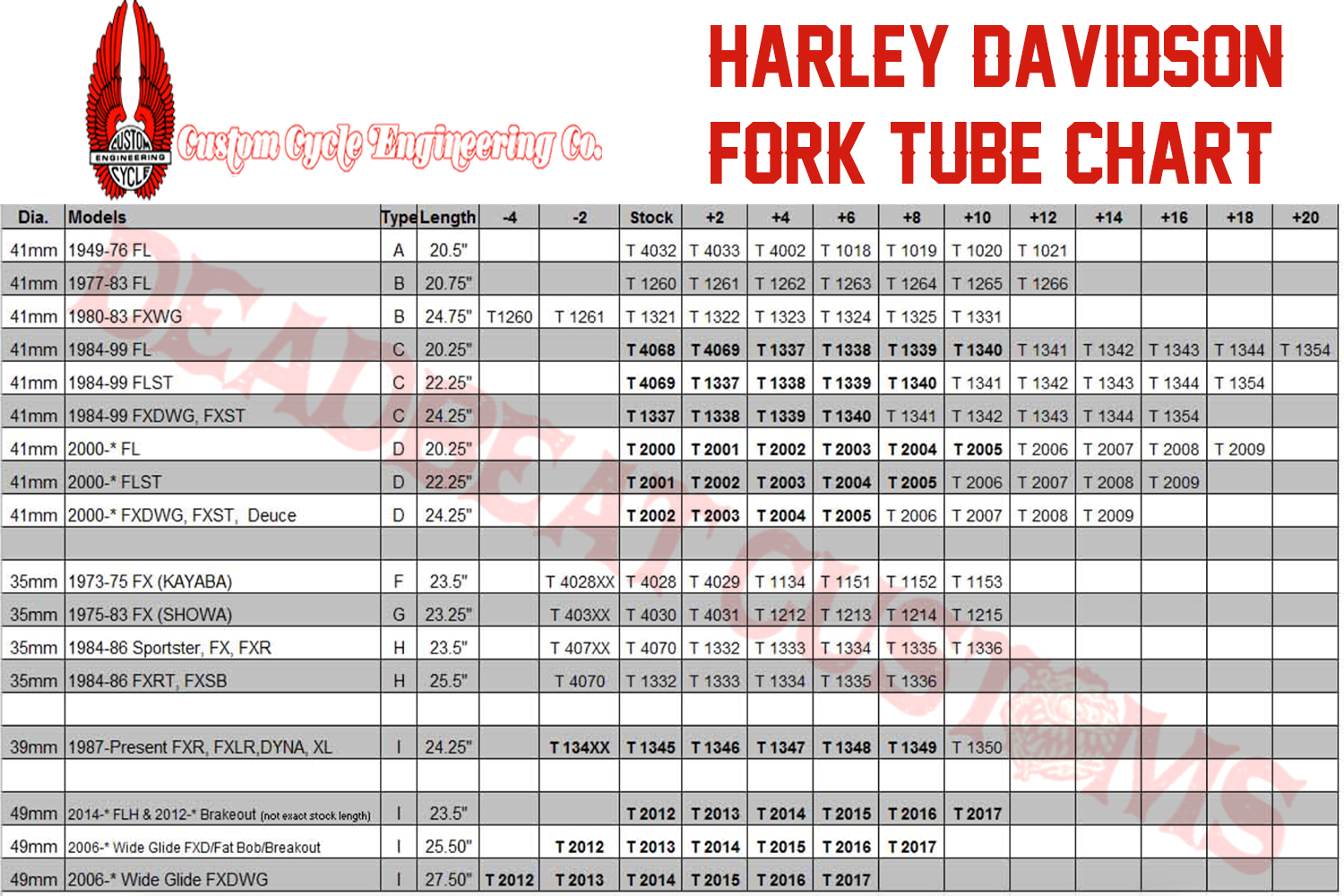
How Fork Oil Affects Suspension And Handling
Fork oil does more than just keep things moving. It plays a big role in how your bike feels and handles.
What The Oil Does
- Lubricates moving parts inside the fork.
- Dampens (slows) fork movement to prevent bouncing.
- Protects seals and bushings from wear.
If oil is old or low, your forks can move too quickly, wear out faster, and even fail to absorb bumps properly.
How Oil Weight Changes Handling
- Thicker oil (15W–20W): Slows fork movement, better for heavier riders or aggressive riding.
- Thinner oil (5W–10W): Allows forks to move more, better for comfort and lighter riders.
Changing oil weight is a cheap way to adjust handling without buying new springs or cartridges.
Differences Between 39mm And 41mm Harley Forks
You may hear about both 39mm and 41mm forks on Harleys. Here are the main differences:
| Feature | 39mm Forks | 41mm Forks |
|---|---|---|
| Tube Diameter | 39mm | 41mm |
| Used On | Older Sportsters, some Dynas | Softail, Touring, most Dynas |
| Oil Capacity | 235–266 ml (8–9 oz) | 295–366 ml (10–12 oz) |
| Strength | Lighter bikes | Heavier bikes |
If you have a 41mm fork, always use the higher oil capacity listed—using the wrong spec can cause handling problems.
How To Fine-tune Your Harley’s Front Suspension
Stock fork oil and springs are made for “average” riders, but you can tune your suspension for your weight and style. Here’s how:
Adjusting Oil Level
- More oil (higher oil level): Makes the fork stiffer, especially at the end of the travel (prevents bottoming).
- Less oil (lower oil level): Makes the fork softer, more likely to bottom out.
Add or remove oil in small amounts (10–20 ml at a time), then test ride to feel the difference.
Upgrading Fork Oil
- Use high-quality synthetic fork oil for better performance and longer life.
- Some premium oils resist foaming and heat breakdown better than cheap brands.
Adding Fork Preload
- Some 41mm forks allow adding preload spacers to adjust ride height and firmness.
- Combine with oil changes for a custom setup.
The Role Of Fork Seals And Bushings
Fork oil also keeps your fork seals and bushings lubricated. Worn seals will leak oil, and worn bushings make the fork feel loose or notchy.
How To Check For Seal Or Bushing Wear
- Look for oil on the fork tube—a sign of leaking seal.
- With the front wheel off the ground, push and pull the fork—if you feel a “clunk,” bushings may be worn.
Replacing seals and bushings is often done at the same time as a fork oil change, especially if you ride in wet or dirty conditions.
How Often Should You Change Harley 41mm Fork Oil?
Harley recommends changing fork oil every 20,000 miles (32,000 km) or every 2–3 years, whichever comes first. If you ride hard, tour long distances, or ride in rain, you may need to change it sooner.
Pro tip: If you buy a used Harley, change the fork oil immediately unless you know it was done recently.
How To Safely Dispose Of Old Fork Oil
Used fork oil is hazardous waste and should not go down the drain or into the ground. Collect it in a sealed container and take it to a recycling center or auto parts store that accepts oil. This keeps the environment clean and avoids fines.
Upgrading Your Harley’s Front Suspension
If you want better performance, consider these upgrades when changing your fork oil:
- Progressive fork springs: Give a smoother, more controlled ride.
- Cartridge emulators: Improve damping and control.
- Adjustable fork caps: Let you change preload without opening the fork.
- Synthetic fork oil: Lasts longer and resists heat better.
These upgrades can make a big difference, especially if you ride with a passenger or carry heavy loads.
Troubleshooting Fork Oil-related Problems
If your Harley’s front end feels off, fork oil may be the cause. Here’s how to diagnose common issues:
Problem: Front End Feels “dead” Or Unresponsive
- Cause: Old or contaminated oil
- Solution: Change oil, check for seal wear
Problem: Forks Bottom Out Easily
- Cause: Low oil, too thin oil, or worn springs
- Solution: Top up oil, use heavier weight, check spring condition
Problem: Forks Too Stiff
- Cause: Too much oil, too thick oil, or overfilled
- Solution: Drain small amount, use lighter oil
Problem: Leaking Oil
- Cause: Worn seals or bushings
- Solution: Replace seals and bushings, refill oil
Problem: Clunking Noise
- Cause: Air in oil, low oil, or worn bushings
- Solution: Bleed forks, top up oil, inspect bushings
Cost Of Fork Oil Change: Diy Vs. Shop
Changing fork oil at home is much cheaper than having it done at a shop. Here’s an estimate:
- DIY cost: $20–$40 (oil, supplies)
- Shop cost: $100–$200 (labor, oil)
If you’re comfortable with tools, doing it yourself saves money and helps you learn about your bike.
The Importance Of Accurate Measurement
It’s tempting to “eyeball” the oil, but small mistakes can make a big difference. Always use a measuring cup or a fork oil level tool. Even a 20ml difference can change the way your bike feels.
If you don’t have a measuring tool, buy one—accuracy is worth it for your safety.
Expert Tips For Maintaining 41mm Harley Forks
- Always replace both fork legs’ oil at the same time for balanced handling.
- Check oil after any fork seal or bushing replacement.
- If you ride in wet or muddy conditions, change oil more often.
- Keep detailed records of fork maintenance for resale value.
When To Seek Professional Help
If you’re not confident, or if your forks are leaking badly, making grinding noises, or have visible damage, have a professional mechanic inspect and service them. Some repairs require special tools or experience.
Where To Find Official Harley Fork Oil Specs
For the most accurate and up-to-date fork oil capacities, always check the Harley-Davidson service manual for your exact model and year. You can also find reliable specs on the official Harley website or in trusted forums.
One useful reference is the Harley-Davidson Service Information Portal.
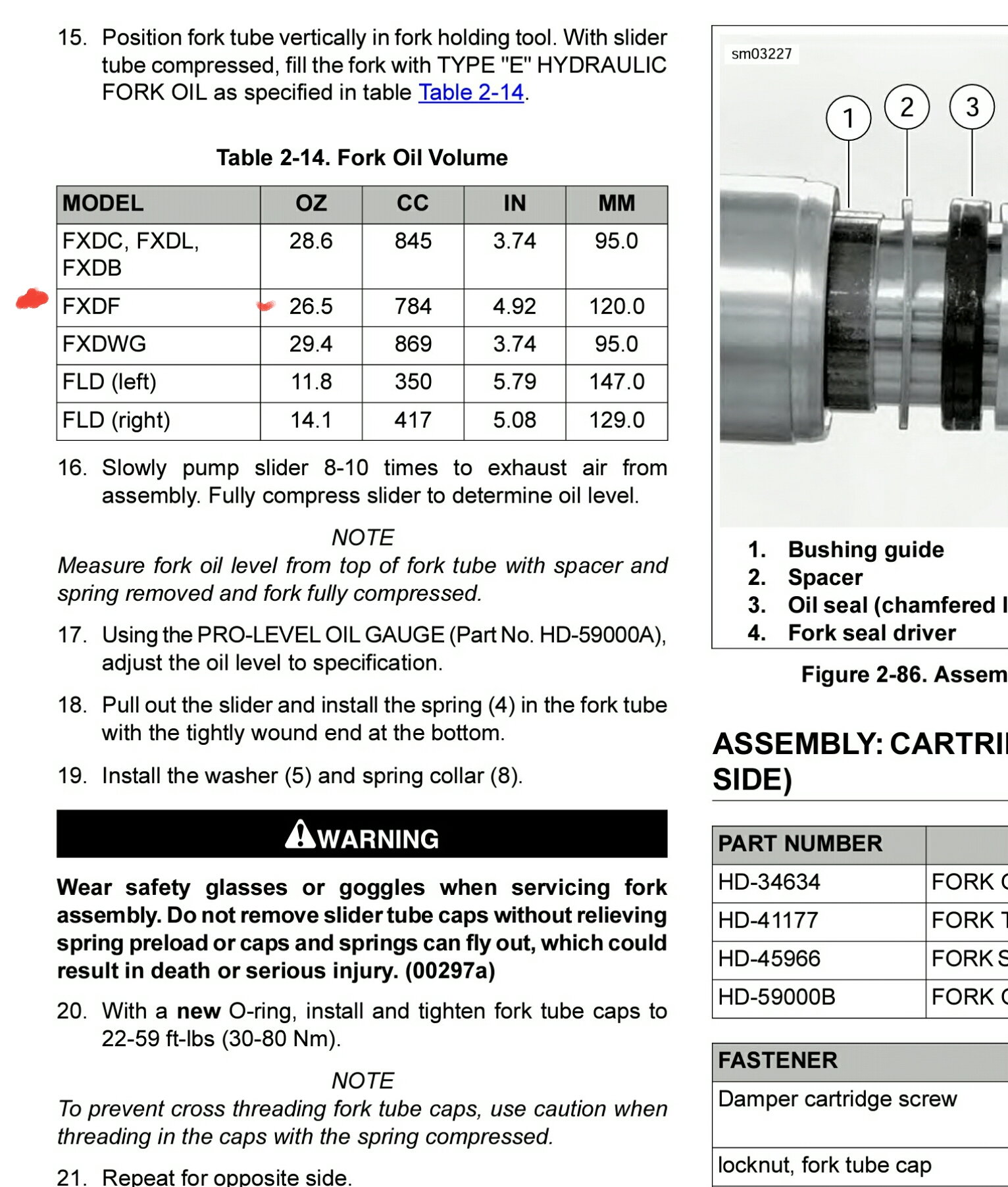
Frequently Asked Questions
What Is The Fork Oil Capacity For Harley 41mm Forks?
Most 41mm Harley forks take 295–366 ml (10–12.4 oz) per leg, depending on the model and year. Softails and Touring bikes usually use the higher amount. Always check your owner’s manual for the exact capacity.
Can I Use Atf Or Motor Oil Instead Of Fork Oil?
No. Automatic transmission fluid (ATF) and motor oil are not designed for fork use. Fork oil has special additives for damping and seal protection. Use only dedicated motorcycle fork oil for best results.
How Do I Know If I Overfilled My Forks?
If your forks feel very stiff, don’t compress fully, or start leaking at the seals soon after a change, you may have overfilled them. Drain a small amount and recheck the feel.
How Often Should I Change My Harley’s Fork Oil?
Change fork oil every 20,000 miles (32,000 km) or every 2–3 years. If you ride hard, carry heavy loads, or ride in rain, change it more often.
What Happens If I Use The Wrong Fork Oil Weight?
Using oil that’s too thick can make your ride harsh and reduce comfort. Too thin can cause bottoming out and less control. Always use the weight recommended for your model, or adjust only if you know what you’re doing.
Taking care of your Harley’s 41mm forks with the right oil and regular maintenance gives you smoother rides, better handling, and longer life for your suspension. With the right knowledge and attention to detail, you can enjoy every mile your Harley has to offer.