
A wet and dry vacuum cleaner is one of the most versatile tools you can own for cleaning. Unlike traditional vacuums, which only handle dry dirt and dust, these machines can clean up both liquids and solids. This double-duty ability makes them a favorite for homes, workshops, garages, and even construction sites.
But how does a wet and dry vacuum work? What technology is inside that lets it suck up water, dust, and bigger debris without breaking? This article will break down the science, technology, and practical tips that help you understand—and master—the wet and dry vacuum.
The Basic Principle: Suction And Separation
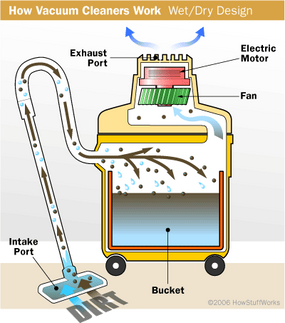
At the heart of every vacuum cleaner is the suction principle. When you turn the machine on, a powerful electric motor drives a fan. This fan quickly moves air out of the vacuum’s chamber, creating a low-pressure area inside. Air from outside, carrying dirt or liquid, rushes in to fill the space. This is how the vacuum “sucks” things up.
But a wet and dry vacuum must do more than a regular vacuum. It needs a system to keep liquids and solids separated and to protect the motor from water damage. That’s where the design gets clever.
Key Components Inside A Wet And Dry Vacuum
Let’s look at the major parts that make this dual-action cleaning possible:
- Motor Unit – The motor is sealed in a waterproof compartment, ensuring no water can reach the electrical parts.
- Airflow Fan – This fan is what creates suction by moving air out of the vacuum.
- Collection Tank – Instead of a bag, wet and dry vacuums use a hard plastic or stainless steel tank to collect debris and liquids.
- Filter System – A removable filter traps dry dust and dirt. For wet cleaning, the filter is often taken out to avoid getting wet.
- Float Valve – This clever device stops the vacuum if the water gets too high, saving the motor.
- Hose and Attachments – Special hoses and nozzles can handle both wet spills and dry messes.
How These Parts Work Together
When you vacuum dry debris, the air passes through the filter, which traps dust before it reaches the motor. For wet spills, you remove the filter, and liquids go straight into the tank. If the liquid gets close to the motor, the float valve rises and blocks the airflow, stopping the vacuum automatically.
Wet Vs. Dry Vacuuming: What’s The Difference?
Many people think a vacuum is just a vacuum. But the way a wet and dry model handles dirt and liquid is very different from a standard household vacuum.
| Feature | Wet and Dry Vacuum | Traditional Vacuum |
|---|---|---|
| Handles Liquids | Yes | No |
| Collection System | Sturdy tank, no bag | Usually uses bag |
| Motor Protection | Float valve, waterproof seals | Basic filter, no water protection |
| Filter Removal | Removable for wet use | Fixed for all use |
| Size & Power | Larger, more powerful | Smaller, less powerful |
The Science Of Suction: Why Wet And Dry Vacuums Are So Powerful
The suction in a wet and dry vacuum is usually measured in air watts or CFM (cubic feet per minute). These vacuums often have higher power ratings than regular home vacuums. Most models fall between 150 to 300 air watts, while industrial models can reach 400 air watts or more.
A key reason for this extra power is the need to lift both heavy debris and water. Water is much heavier than dust, so a weak vacuum couldn’t do the job. The fan and motor are designed for this extra load.
Non-obvious insight: Many users don’t realize that if you use a home vacuum for water, the dust bag will clog and the motor could short-circuit. Wet and dry vacuums avoid this by using a tank and waterproofing.
How The Filter System Works
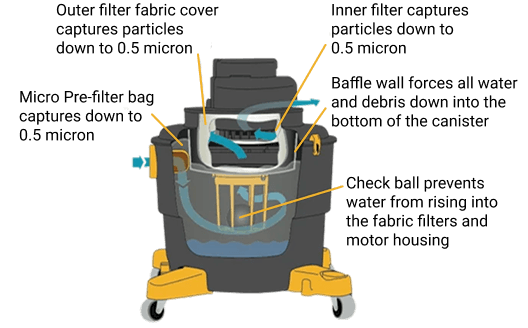
The filter is your first line of defense against dust and debris. Most wet and dry vacuums use a cartridge filter or a foam sleeve. The filter traps tiny particles before air goes past the motor and back into the room.
- For dry use: Install the filter as usual.
- For wet use: Remove the filter or swap it for a foam sleeve (check your model).
Failing to remove the filter during wet use can cause it to get soaked, leading to mold, bad smells, or even motor damage.
Non-obvious insight: Some high-end models have automatic filter cleaning, which shakes or reverses airflow to keep the filter clear during long jobs.
Float Valve: The Unsung Hero
A float valve is a simple but vital safety feature. It’s a lightweight ball or disk inside the tank. As water level rises, the float rises with it. When it reaches a certain height, it blocks the airflow to the motor.
This immediately stops suction and prevents water from reaching the electrical parts.
If you hear your vacuum’s sound change or suction drops suddenly during wet use, it’s likely the float valve doing its job. Empty the tank before restarting.
Types Of Wet And Dry Vacuums
Wet and dry vacuums come in several designs, each suited for different needs. Here are the most common types:
Compact Models
These are small and portable, often used for cars or small spills. Their tanks hold about 2–5 liters. They’re light, easy to move, but less powerful.
Medium-size Units
These are the most popular for homes and workshops. Tank sizes range from 10–20 liters. They can handle bigger messes without being too bulky.
Industrial/heavy-duty Vacuums
These are built for construction sites, factories, or flooding. They have tanks of 30 liters or more, heavy-duty motors, and extra-long hoses.
Backpack Models
Rare but useful in some industries, these allow the user to move freely while cleaning large spaces.
2-in-1 Floor Cleaners
Some modern models combine vacuuming and mopping. They spray water, scrub, and vacuum at the same time. These are popular for hard floors but usually have smaller tanks.
Step-by-step: How Does A Wet And Dry Vacuum Work?
Let’s break down what happens inside your vacuum during both dry and wet cleaning:
Dry Cleaning Mode
- Switch on the vacuum.
- The motor spins the fan, creating a vacuum (low pressure).
- Air and debris are sucked through the hose and nozzle.
- The filter traps dust and dirt.
- Clean air passes through the motor compartment and exits the vacuum.
- Solid debris collects in the tank, which you empty when full.
Wet Cleaning Mode
- Remove or change the filter (important! ).
- Turn on the vacuum; the fan creates suction as before.
- Water and debris are sucked through the hose.
- Liquid goes straight into the tank.
- The float valve rises with the water level.
- When the tank is full, the float valve blocks airflow, stopping suction.
- Empty the tank, then continue if needed.
Practical tip: Always check the manual for your vacuum before switching between wet and dry modes. Some models need a special foam filter for wet work.
What Makes Wet And Dry Vacuums So Useful?
These machines have a reputation for being “overkill” in some homes, but their flexibility is hard to beat.
- Flood cleanup: Quickly remove water from leaks, burst pipes, or floods.
- Workshop debris: Sawdust, wood chips, nails, and even broken glass.
- Car cleaning: Wet spills, pet hair, sand, and crumbs.
- Unclogging sinks: Some models can suck out blockages in drains.
- General home cleaning: From spilled cereal to a knocked-over plant pot.
Their ability to handle both wet and dry messes means you don’t need separate tools.
Accessories And Attachments: What You Need To Know
Most wet and dry vacuums come with a range of attachments. Here’s what you might find:
- Crevice tool: Gets into narrow spaces.
- Wide nozzle: For large areas or floors.
- Squeegee head: Helps collect water from hard floors.
- Brush head: For carpets or upholstery.
- Extension wands: Reach high or hard-to-reach spots.
- Car cleaning kit: Specialized brushes and narrow tools for vehicle interiors.
Some brands offer HEPA filters for allergy sufferers.
Non-obvious insight: Not all attachments are safe for wet use. Plastic and rubberized tools are best for water; avoid using metal brushes with liquids.
Maintenance: Keeping Your Vacuum In Top Shape
A wet and dry vacuum is a big investment. Here’s how to keep it running smoothly:
- Empty the tank after each use—especially after wet cleaning. Standing water can cause mold and smells.
- Clean or replace filters regularly. A clogged filter reduces suction and can damage the motor.
- Check hoses for blockages. Wet messes can leave behind sticky debris.
- Inspect the float valve and make sure it moves freely.
- Store the vacuum dry. Let all parts air dry before packing away.
- Use only recommended bags/filters. Some brands require special parts for warranty.
Comparing Maintenance Needs
Here’s how wet and dry vacuums stack up against regular models for upkeep.
| Task | Wet & Dry Vacuum | Regular Vacuum |
|---|---|---|
| Tank/Bin Cleaning | After every wet use | Less frequent |
| Filter Maintenance | Change for wet/dry; clean often | Replace as needed |
| Motor Protection | Must check float valve | Not required |
| Hose Blockages | More likely with wet messes | Mostly dry debris |
Safety Tips For Using Wet And Dry Vacuums
Because these vacuums deal with water and electricity, safety is important:
- Never use the vacuum if the power cord or plug is damaged.
- Do not vacuum flammable liquids (like gasoline or solvents).
- Unplug before cleaning or changing filters.
- Don’t overfill the tank. The float valve will help, but it’s best to check levels often.
- Use GFCI outlets (with circuit breakers) when cleaning wet areas.
- Never immerse the vacuum or motor unit in water.
Non-obvious insight: If you use the vacuum outdoors or in wet basements, always check for standing water around the power outlet. Even waterproof vacuums can’t protect you from an electric shock if the outlet is wet.
Common Mistakes Beginners Make
Many first-time users run into problems that can be avoided:
- Forgetting to remove the dry filter before wet use. This can ruin the filter and even damage the motor.
- Using the wrong attachment for liquid cleanup. This makes cleaning harder and can scratch floors.
- Ignoring the float valve. Keep an ear out for the sound change when the tank is full.
- Vacuuming hot ashes or sharp debris. This can melt the hose or tank, or cause clogs.
- Not emptying the tank soon enough. Stagnant water can lead to mold and bad smells.
Pro tip: Always read your vacuum’s manual. Many issues can be avoided with a quick check of the manufacturer’s instructions.
Choosing The Right Wet And Dry Vacuum
If you’re shopping for a new model, here’s what matters most:
- Tank size: Bigger tanks handle more mess but are harder to move.
- Motor power: Measured in watts or air watts. More power means better suction.
- Filter type: HEPA filters are best for allergy sufferers.
- Cord and hose length: Longer cords and hoses mean less moving around.
- Attachments: Think about your main cleaning needs (car, workshop, home).
- Build quality: Stainless steel tanks last longer than cheap plastic.
Comparison Of Key Features
Here’s a quick look at how different wet and dry vacuums compare:
| Feature | Compact Model | Medium Model | Heavy-Duty Model |
|---|---|---|---|
| Tank Size | 2–5 L | 10–20 L | 30+ L |
| Motor Power | Low (100–150 AW) | Medium (150–250 AW) | High (250–400+ AW) |
| Best For | Cars, small spills | Homes, workshops | Construction, floods |
| Weight | Light | Medium | Heavy |
| Price | Low | Medium | High |
The Environmental Impact: Disposal And Water Use
Wet and dry vacuums can help reduce waste by cleaning up messes before they become bigger problems. However, be mindful of how you dispose of dirty water. Never pour it down storm drains—use a toilet or utility sink. Some models also offer reusable filters, reducing landfill waste.
Real-world Examples
- Homeowners use these vacuums to clean up after pets, fix leaks, and tidy garages.
- Car detailers rely on them to handle wet and dry messes in vehicles.
- Contractors use them for sawdust, nails, and water removal after construction.
- Plumbers use them to unclog drains and remove standing water.
Innovations And Smart Features
Today’s wet and dry vacuums are smarter and safer than ever. Some models offer:
- Automatic filter cleaning
- Bluetooth controls
- Smart sensors that alert you when the tank is full
- Cordless options for better mobility
- Quiet operation for indoor use
For more on the science and history behind vacuum technology, see this Wikipedia page on vacuum cleaners.
Frequently Asked Questions
How Do I Switch Between Wet And Dry Modes?
Most models require you to remove the dry filter before wet use. Sometimes, you need to add a foam sleeve or switch to a wet filter. Always check your vacuum’s manual for the correct steps.
Can I Vacuum Hot Or Hazardous Materials?
No. You should never vacuum hot ashes, burning embers, flammable liquids, or chemicals. These can damage the vacuum or cause fires and injury.
Why Did My Vacuum Suddenly Lose Suction During Wet Use?
This usually means the float valve has risen because the tank is full. Empty the tank and check the float valve for movement before restarting.
Do I Need To Use Special Cleaning Solutions With A Wet And Dry Vacuum?
Usually, plain water is enough. If your vacuum supports it, you can use mild detergent for cleaning floors, but never use harsh chemicals or solvents. They can damage the machine.
How Do I Keep My Vacuum Smelling Fresh?
Empty the tank and let it dry after each use. Clean or replace filters regularly. For extra freshness, you can use a small amount of baking soda in the tank during dry vacuuming.
A wet and dry vacuum is much more than a simple cleaner—it’s a powerful tool for handling life’s toughest messes. With the right knowledge, you can keep your home, car, or workspace spotless and safe, no matter what gets spilled.
Always follow safety tips, maintain your machine, and enjoy the peace of mind that comes from being ready for anything.