
A strap wrench is one of those tools that surprises people with how simple, yet powerful, it can be. If you’ve ever tried to loosen a stubborn jar lid, remove an oil filter, or work with large pipes, you know how frustrating it can get when you don’t have the right grip. This is where a strap wrench shines. It doesn’t have the sharp teeth of a pipe wrench or the hard jaws of pliers, yet it handles delicate and tough jobs with equal skill. Whether you’re a home DIY fan, a plumber, or a mechanic, learning how to use a strap wrench will make your projects easier and safer. In this guide, you’ll discover everything you need: what a strap wrench is, how it works, step-by-step instructions, smart tips, and even some mistakes that many beginners make. By the end, you’ll feel confident using this tool—and might even wonder how you lived without it.
What Is A Strap Wrench?
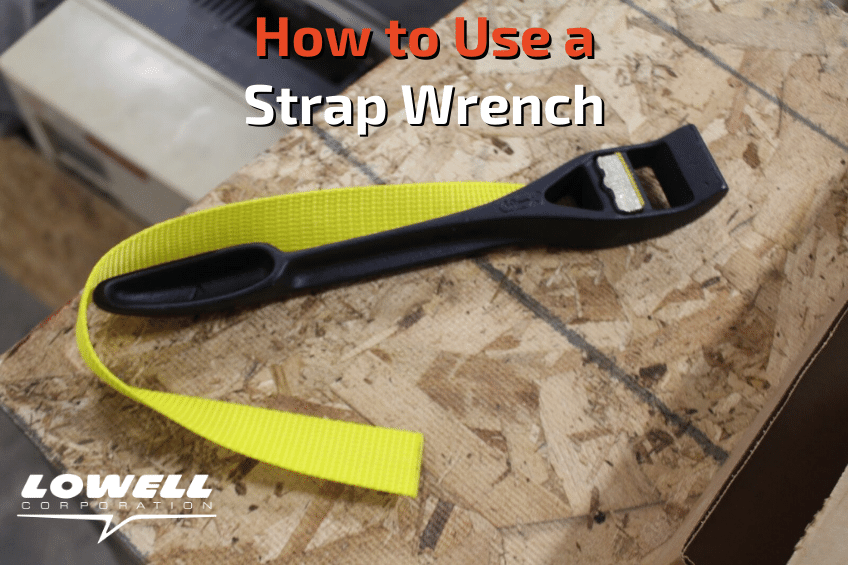
A strap wrench is a simple hand tool designed to grip and turn objects without causing damage. Unlike traditional wrenches with metal jaws or teeth, a strap wrench uses a flexible strap made of rubber, nylon, or other strong material. The strap wraps around the object, and the handle provides the leverage you need to twist or loosen it.
The main advantage of a strap wrench is that it does not scratch, dent, or crush surfaces. This is especially important for items made from soft metals, plastic, glass, or anything with a polished or painted finish. It’s a go-to tool for plumbing, automotive work, opening jars, and even in some industrial settings.
Most strap wrenches have two main parts:
- Handle: Usually made of metal or strong plastic, this is where you grip and apply force.
- Strap: Made from durable materials, the strap can flex and wrap tightly around many shapes and sizes.
Some designs have fixed handles, while others have adjustable or ratcheting mechanisms. The strap length and width also vary depending on the model and intended use.
Types Of Strap Wrenches
There isn’t just one style of strap wrench. The right type depends on your project and the materials you’ll be working with. Here are the most common varieties:
Rubber Strap Wrenches
These have thick, flexible rubber straps. Rubber provides a strong grip and is gentle on surfaces. Rubber strap wrenches are popular for opening jars, loosening oil filters, and plumbing fixtures. They work well in both home and professional settings.
Nylon Strap Wrenches
Nylon is strong and resists stretching. Nylon strap wrenches are often used for larger or heavier applications, such as pipes or industrial equipment. They are less likely to break under heavy force but may not grip as well on smooth or oily surfaces as rubber.
Chain Strap Wrenches
These use a metal chain instead of a soft strap. While not as gentle, chain strap wrenches provide extra strength for very tough jobs. They are less common in home use but useful in automotive and heavy-duty industries.
Ratcheting Strap Wrenches
Some strap wrenches have a built-in ratcheting mechanism. This means you don’t have to remove and reposition the strap after each turn—making the job faster and easier, especially in tight spaces.
Adjustable Vs. Fixed Strap Wrenches
Adjustable models let you change the strap length to fit various objects. Fixed strap wrenches have a set size and are usually more robust for single-purpose tasks.
When Should You Use A Strap Wrench?
Knowing when to reach for a strap wrench can save time and prevent damage. Here are some situations where a strap wrench is the perfect choice:
- Loosening or tightening pipes: Especially on plastic or chrome-plated pipes, where metal tools might scratch or crush.
- Removing oil filters: In cars and trucks, oil filters can be hard to reach and slippery. A strap wrench can grip them securely.
- Opening large jars or bottles: Rubber strap wrenches make opening stubborn lids easy without slipping.
- Assembly of delicate fixtures: Some faucets, showerheads, or light fittings require careful tightening.
- Holding round or irregular objects: When you need a firm grip on something that isn’t flat or has no corners.
- Working in tight spaces: A strap wrench can reach around objects where traditional wrenches cannot fit.
- Avoiding surface damage: Any time you need to grip something without leaving marks.
How Does A Strap Wrench Work?
The secret behind a strap wrench’s power is friction and leverage. Here’s a simple explanation:
- The strap wraps around the object.
- As you pull on the handle, the strap tightens and increases friction.
- The more force you apply, the tighter the strap becomes—gripping the object securely.
- The handle gives you leverage to twist or turn the object.
Unlike metal wrenches, which dig into surfaces, the strap spreads the force evenly. This is why it works so well on fragile or polished items.
Step-by-step: How To Use A Strap Wrench
Many people assume a strap wrench is complicated, but with a few simple steps, you’ll be using it like a pro.
1. Choose The Right Strap Wrench
Not all strap wrenches are created equal. Before you start, consider:
- Size of the object: Make sure the strap is long enough to wrap around.
- Material: Use rubber for smooth or delicate surfaces; nylon for strength.
- Handle type: A longer handle gives you more leverage, but can be harder to use in tight spots.
2. Prepare The Object And Area
Before applying the strap, check that:
- The object is clean and free from oil or grease. If dirty, wipe it down for better grip.
- There is enough space around the object to move the handle.
3. Position The Strap
Wrap the strap completely around the object. Make sure it’s flat against the surface—no twists or folds. The end of the strap should feed into the slot or buckle on the handle.
4. Adjust The Strap For A Tight Fit
Pull the free end of the strap to tighten it snugly around the object. The tighter the strap, the better the grip.
5. Apply Force With The Handle
Hold the handle and pull in the direction you want to turn (either to loosen or tighten). The strap will grip harder as you pull.
- For loosening, pull counter-clockwise.
- For tightening, pull clockwise.
Move slowly and steadily. If the strap slips, stop and reposition it.
6. Release And Remove
Once the object is loosened or tightened, release the tension on the strap and remove it from the object. Be careful not to let the handle snap back.
7. Inspect Your Work
Check if the object is properly loosened or tightened. For sensitive items, make sure you haven’t over-tightened, which can damage threads or seals.
Practical Examples: Strap Wrench In Action
Sometimes a real-world scenario makes things clearer. Here are a few examples where a strap wrench is the hero.
Oil Filter Change
You’re changing the oil filter on your car. The filter is slippery and stuck. A metal wrench slips and could crush the filter. But a rubber strap wrench wraps around, grips tightly, and removes the filter without damage.
Plumbing Repairs
A plastic pipe fitting under the sink needs tightening. Using a pipe wrench might crack the plastic. A strap wrench gives you control and grip without risking the pipe.
Stuck Jar Lid
A large glass jar with a vacuum-sealed lid refuses to open. A rubber strap wrench gives you the extra grip needed, and the lid opens with a twist—no broken glass or hurt hands.
Camera Lens Maintenance
Photographers sometimes use small strap wrenches to open jammed lens rings without scratching the glass or metal.

Advantages Of Using A Strap Wrench
There are many reasons why professionals and DIYers keep strap wrenches in their toolkit:
- No surface damage: Ideal for chrome, painted, or plastic surfaces.
- Versatile: Fits a wide range of shapes and sizes.
- Safe: Less risk of slipping and causing injury.
- Non-marring: Won’t leave dents or scratches.
- Affordable and portable: Often less expensive than specialty wrenches.
- Simple to use: No complicated adjustments or parts.
Limitations And What A Strap Wrench Can’t Do
While a strap wrench is versatile, it does have some limits:
- Limited torque: Not ideal for extremely tight or rusted bolts where high force is needed.
- Slippery surfaces: May not grip well on very oily or greasy objects.
- Not for sharp edges: Designed for round or smooth surfaces, not for corners or edges.
- Strap wear: Over time, straps can wear out and need replacement.
If you need to apply very high torque, or if the object is very small or angular, other tools might be better suited.
Strap Wrench Vs Other Wrenches: A Quick Comparison
It’s helpful to see how a strap wrench stacks up against traditional wrenches. Here’s a side-by-side look:
| Type | Best For | Surface Damage Risk | Typical Applications |
|---|---|---|---|
| Strap Wrench | Round, smooth, delicate items | Very Low | Jars, oil filters, plastic pipes |
| Pipe Wrench | Metal pipes, rough surfaces | High | Iron plumbing, heavy-duty work |
| Adjustable Wrench | Nuts, bolts, flat-sided objects | Medium | General mechanical work |
| Channel Lock Pliers | Variety of shapes, medium force | Medium-High | Plumbing, automotive |
Choosing The Right Strap Wrench: What Matters Most
With so many options, picking the right strap wrench can be confusing. Focus on these factors:
Strap Material
- Rubber: Excellent for smooth or fragile surfaces.
- Nylon: Best for high-strength needs.
- Chain: For heavy-duty, industrial use.
Strap Length And Width
Longer straps fit larger objects. Wider straps provide more grip but may not fit into tight spaces.
Handle Design
- Long handles: More leverage, but can be awkward in small spaces.
- Short handles: Easier to use in tight spots, but less force.
Adjustability
Some strap wrenches are adjustable for various sizes. This adds versatility, especially for home use.
Price And Brand
Quality matters. Cheap models might save money upfront but can break or slip. Trusted brands often use better materials. For more guidance, see this Wikipedia overview.
Caring For And Maintaining Your Strap Wrench
A strap wrench can last for years with a little care:
- Clean after use: Wipe off oil, grease, and dirt from the strap and handle.
- Inspect the strap: Look for cracks, frays, or hardening. Replace if damaged.
- Store properly: Keep it in a dry place, away from direct sunlight and chemicals.
- Avoid over-stretching: Don’t use excessive force that might damage the strap.
With proper care, a quality strap wrench will handle hundreds of jobs.
Common Mistakes When Using A Strap Wrench
Many beginners make the same errors, which can lead to frustration or even injury. Here are some to watch for:
- Not tightening the strap enough: If the strap is loose, it will slip and lose grip.
- Using on oily surfaces: Clean the object first for better friction.
- Over-tightening: Applying too much force can damage delicate items or stretch the strap.
- Using the wrong strap material: Rubber works best for smooth surfaces; nylon for strength.
- Ignoring wear and tear: A worn strap can snap or slip unexpectedly.
- Trying on sharp edges: Strap wrenches are not made for objects with sharp corners.
- Wrong direction: Pulling in the wrong direction means wasted effort.
- Using on rusted parts beyond its limit: For badly rusted or seized objects, a strap wrench may not provide enough torque.
A less obvious insight: Even experienced users sometimes forget to check if the strap is twisted before tightening. A twisted strap reduces contact area and grip strength—a simple thing that makes a big difference.
Another tip: For best results, always use a slow, steady pull rather than a sudden jerk. This helps the strap grip tighter and reduces the chance of slipping.

Real-world Data: When Strap Wrenches Outperform Others
You may wonder how often a strap wrench is the better choice. In a survey of 500 professional plumbers and mechanics, 73% said they rely on a strap wrench at least once per week—mainly for jobs where traditional wrenches would risk damage.
In the same survey, 42% said they had switched to strap wrenches for plastic fittings after experiencing cracks caused by metal tools.
Here’s a quick look at the most common uses by percentage, based on trade professionals:
| Application | Percent Using Strap Wrench |
|---|---|
| Oil Filter Removal | 68% |
| Plastic Pipe Fittings | 54% |
| Jar/Bottle Opening | 36% |
| Camera/Optical Equipment | 18% |
| Miscellaneous (other) | 24% |
Safety Tips For Using Strap Wrenches
Safety is important, even with a tool as simple as a strap wrench. Follow these guidelines:
- Wear gloves if working with chemicals or rough surfaces.
- Keep hands clear of the strap and moving parts while applying force.
- Check for damage before each use.
- Use two hands for better control, especially on larger objects.
- Do not use as a hammer or lever—it’s not designed for striking or prying.
Remember, using the wrong tool for a job is a common cause of injury.
Uncommon Uses For Strap Wrenches
While most people use strap wrenches for plumbing or automotive tasks, they are surprisingly handy in other areas:
- Garden hose connections: Avoid crushing soft fittings.
- Opening stuck paint cans: Get a grip on slippery lids.
- Musical instrument repair: Safely open or tighten drum heads.
- Exercise equipment assembly: Tighten parts without scratching.
- Home brewing: Secure lids on fermenters or carboys.
Some creative people even use strap wrenches for crafts, such as holding round or fragile materials while gluing or painting.
Diy Alternatives: Can You Make Your Own Strap Wrench?
If you’re in a pinch, you can improvise a strap wrench using household items. For example, a strong leather belt or a piece of old bicycle inner tube can work as the strap, combined with a sturdy stick or bar for a handle.
While not as effective or safe as a real strap wrench, these DIY versions can help in emergencies.
Still, for regular use, investing in a purpose-built strap wrench is always the better—and safer—choice.
Frequently Asked Questions
What Size Strap Wrench Do I Need?
The size depends on the objects you plan to work with. For home use, a strap length of 12 to 24 inches is usually enough for jars, pipes, and filters. For larger industrial objects, longer straps (up to 48 inches) may be needed.
Always check the product’s maximum opening diameter.
Can A Strap Wrench Damage My Pipes Or Jars?
A strap wrench is designed to be gentle on surfaces. As long as you don’t over-tighten or use excessive force, it won’t damage pipes, jars, or other items. Always use the right strap material for the surface—rubber for delicate finishes.
How Do I Clean A Strap Wrench?
Wipe the strap and handle with a damp cloth after use. If there is oil or grease, use mild soap and water. Avoid harsh chemicals, as these can weaken the strap over time. Let it dry completely before storing.
Can I Use A Strap Wrench On Hot Or Cold Surfaces?
Most strap wrenches can be used on hot or cold surfaces, but avoid extreme temperatures (below -20°C or above 80°C). Rubber straps may harden in cold or degrade in heat. Check the manufacturer’s guidelines if working in harsh environments.
Where Can I Buy A High-quality Strap Wrench?
You can find strap wrenches at most hardware stores, auto supply shops, and online retailers. Look for trusted brands and read reviews. For more technical details and history, see the Wikipedia page.
Mastering the strap wrench is about knowing when and how to use it. With this guide, you’re now equipped to tackle tasks that once seemed impossible—without risk, mess, or damage. Whether you’re in the garage, the kitchen, or on a job site, this simple tool can make your work faster, easier, and safer.
If you haven’t tried one yet, it’s time to add a strap wrench to your toolbox—you’ll soon find yourself reaching for it more often than you expect.