
Using an oscillating multi tool can feel like unlocking a new level of DIY skills. This compact, powerful tool is famous for its ability to cut, sand, grind, scrape, and polish. Whether you’re fixing a door, renovating a bathroom, or making furniture, the oscillating multi tool makes tough jobs simpler and quicker.
Yet, many people only scratch the surface of what it can do. If you want to get the most out of your tool, it’s important to understand how to use it safely, choose the right blades, and master its many applications.
This guide covers everything you need to know to use an oscillating multi tool with confidence—even if you’re a complete beginner.
What Is An Oscillating Multi Tool?
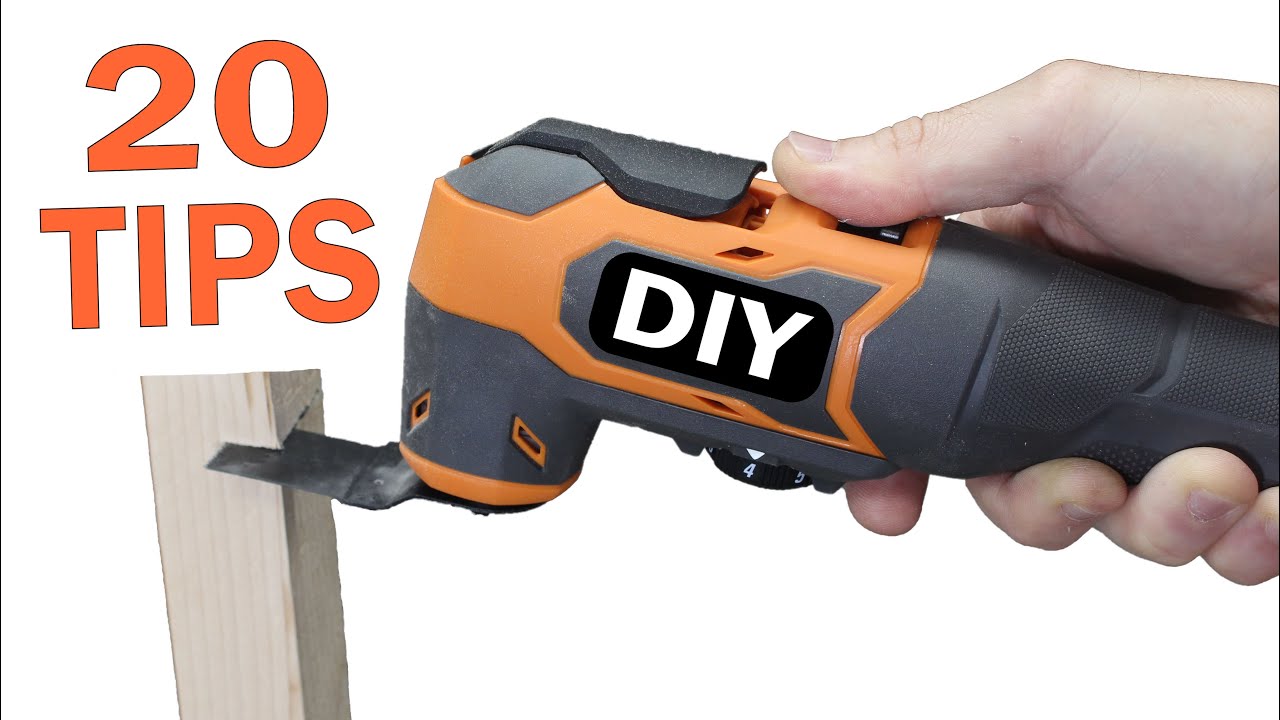
An oscillating multi tool is a hand-held power tool with a motor that moves the accessory back and forth very quickly—often up to 20,000 times per minute. This “oscillation” motion allows it to perform many different jobs by simply changing the attachment. The tool can cut wood, metal, and plastic, scrape away old paint or adhesives, sand surfaces, and even remove grout.
Most modern oscillating tools are either corded or battery-powered. They’re designed to fit comfortably in your hand, letting you work in tight spaces where other tools won’t reach. The ability to swap accessories in seconds makes this tool a favorite among both professionals and home users.
Key Parts And Accessories
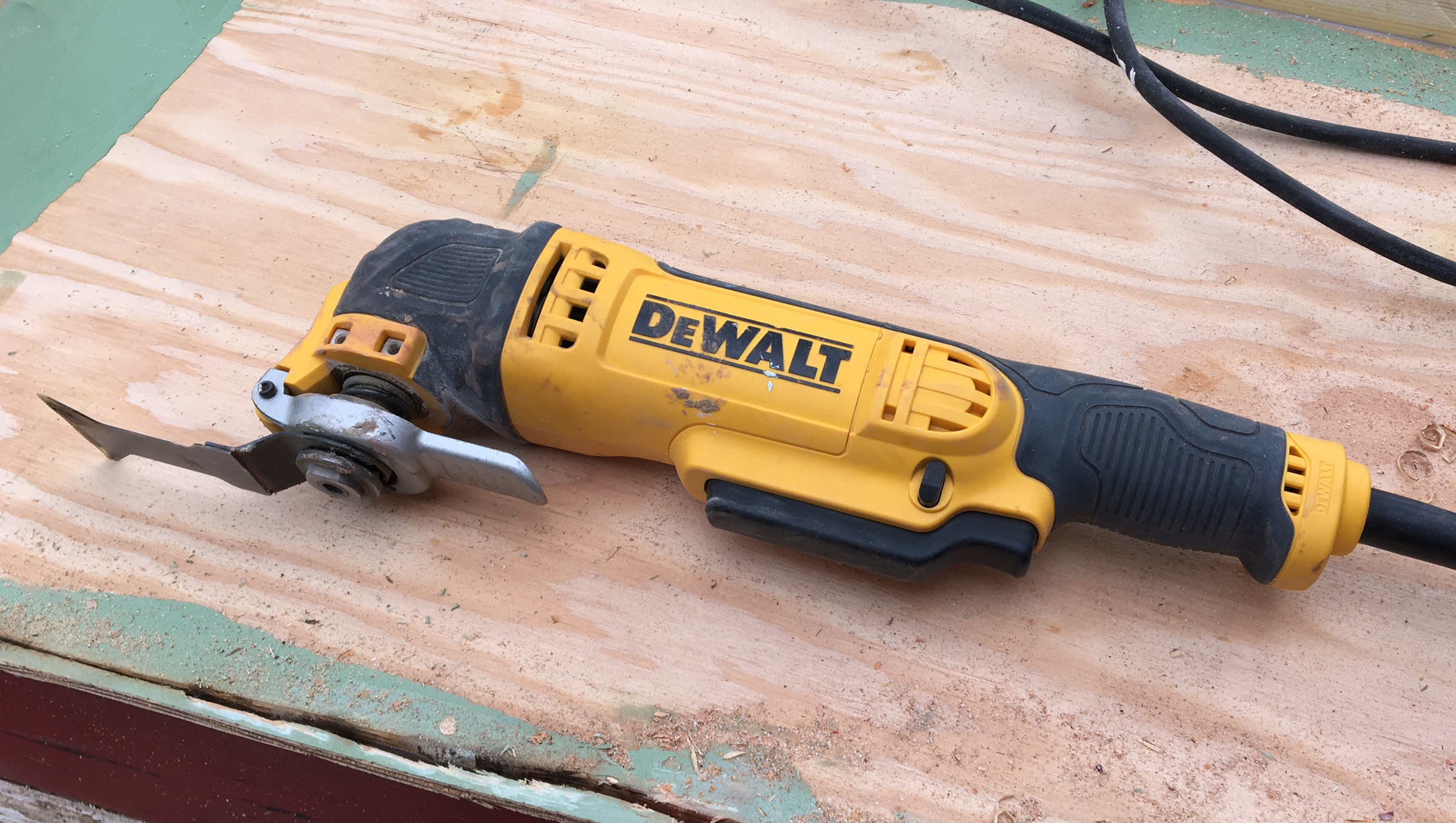
Understanding the main parts of your oscillating multi tool helps you use it more effectively and safely:
- Body/Housing: The main part you grip, which contains the motor.
- Trigger/Switch: Turns the tool on and off, sometimes with variable speed control.
- Accessory Clamp: Holds the blade or sanding pad in place.
- Oscillating Head: The part that moves the accessory back and forth.
- Battery Pack: For cordless models.
- Attachments: Blades, sanding pads, scrapers, and more.
There are many types of accessories, but the most common include:
- Saw blades: For cutting wood, metal, or plastic.
- Sanding pads: For smoothing surfaces.
- Scrapers: For removing old paint, glue, or caulk.
- Grout removal blades: For cleaning out grout lines.
- Polishing pads: For buffing and finishing.
Choosing the right attachment is essential for a clean, safe, and efficient job.
Why Use An Oscillating Multi Tool?
You might wonder why this tool is so popular. Here are a few reasons:
- Versatility: It handles dozens of tasks that would need different tools.
- Precision: The small, fast-moving blade lets you work in corners and tight spots.
- Speed: Many jobs are much faster with an oscillating tool.
- Compact size: Easy to hold and control, even for overhead work.
- Quick accessory change: You can swap blades or pads in seconds.
A surprising benefit is the ability to make plunge cuts—cuts that start in the middle of a material rather than from the edge. This is especially useful when installing electrical boxes or removing sections of flooring.
Safety First: Essential Precautions
Using an oscillating multi tool safely is crucial. These tools move fast and can cause injuries if not used with care. Follow these tips every time you use your tool:
- Read the manual: Every model is different. Understand your tool’s controls and safety features.
- Wear safety gear: Always use eye protection and a dust mask. Gloves and hearing protection are also smart.
- Secure your workpiece: Clamp down what you’re cutting or sanding so it doesn’t slip.
- Check your surroundings: Make sure no cords or fingers are in the tool’s path.
- Use the right blade: The wrong accessory can break or cut poorly.
- Let the tool do the work: Don’t force it. Gentle pressure is best.
- Disconnect power before changing blades: For battery models, remove the battery first.
Never touch the blade immediately after use—it can be very hot.
Setting Up Your Oscillating Multi Tool
Before you start any project, setting up your tool correctly makes a big difference. Here’s how to get ready:
1. Choose The Right Accessory
Match your accessory to the job. For example:
- Wood cutting blade for door trims or flooring.
- Metal blade for nails or pipes.
- Sanding pad for smoothing surfaces.
- Scraper for removing old glue or caulk.
If you’re unsure, check the accessory’s packaging or the tool manual.
2. Attach The Accessory
Most modern tools use a tool-free clamp system. Here’s a general process:
- Unplug the tool or remove the battery.
- Open the clamp or loosen the bolt (often a lever or hex screw).
- Place the accessory on the oscillating head.
- Close the clamp or tighten the bolt until secure.
Make sure the accessory is tightly attached and facing the correct direction.
3. Adjust Speed (if Available)
Many oscillating tools have variable speed controls. Use a lower speed for soft materials or detailed sanding, and higher speeds for harder materials like metal.
4. Test The Tool
Before starting on your actual project, do a quick test cut or sand on scrap material. This helps you check if the accessory is secure and the speed is right.
Basic Techniques: Cutting, Sanding, Scraping, And More
Let’s explore the main ways to use an oscillating multi tool, with practical tips for each task.
Cutting
Oscillating tools can make straight cuts, plunge cuts, and flush cuts. Here’s how:
- Mark your cut line with a pencil for accuracy.
- Hold the tool firmly with both hands.
- Start the tool before touching the workpiece, then gently lower the blade into the material.
- For plunge cuts, angle the tool slightly, start slowly, then push straight in.
- Move at a steady pace—let the blade do the work.
- For flush cuts (cutting something flush with a surface), use a flush-cut blade and keep the tool as flat as possible.
If you feel the blade getting hot or slowing down, stop and let it cool. Using too much force can burn out the motor or damage the blade.
Sanding
Oscillating tools can sand in corners and on small surfaces where other sanders can’t reach.
- Attach the sanding pad and apply the correct grit sandpaper.
- Set the speed lower to avoid removing too much material.
- Move the tool slowly in small circles or straight lines.
- Don’t press too hard—let the tool’s movement do the work.
- Change sandpaper when it becomes clogged.
For best results, start with coarse sandpaper and move to finer grits.
Scraping
Removing old paint, glue, or caulk is easy with a scraper blade.
- Hold the tool at a shallow angle to the surface.
- Use a steady, gentle push to slide the scraper under the material.
- Let the oscillation break the bond, rather than trying to force it.
Scraper blades can also remove vinyl flooring, carpet adhesive, or even stuck gaskets.
Grout Removal
For tile repairs, use a grout removal blade.
- Guide the blade along the grout line with gentle pressure.
- Keep the tool straight to avoid chipping tiles.
- Move at a slow, steady pace.
Wear a mask—grout dust is fine and can be harmful to breathe.
Polishing And Detailing
Attach a polishing pad for small metal or wood parts.
- Use low speed and light pressure.
- Add a small amount of polishing compound to the pad if needed.
- Move in slow, even passes.
Oscillating tools aren’t for large-scale polishing, but they’re perfect for small, detailed work.
Common Projects And Applications
The oscillating multi tool shines in many common DIY and repair tasks. Here are some popular uses, with tips for each:
Door Trimming
When installing new flooring, you may need to trim door frames. An oscillating tool makes this easy:
- Place a scrap piece of flooring next to the frame.
- Rest the blade on top of the flooring, then cut into the frame for a perfect fit.
- Remove the cut piece and slide the flooring underneath.
Removing Old Caulk
Old, stubborn caulk can be scraped away with a rigid scraper blade:
- Score the caulk with a utility knife.
- Use the oscillating tool to get under the caulk.
- Move slowly to avoid damaging the surface.
Cutting Metal Pipes Or Nails
For plumbing or demolition work, use a metal-cutting blade:
- Mark the cutting point.
- Start with a slower speed for control.
- Let the blade do the work—forcing can break the blade.
This works for nails, screws, copper pipes, and even small bolts.
Removing Tile Grout
Whether replacing a tile or cleaning up old grout, an oscillating tool is ideal:
- Use a carbide or diamond grout blade.
- Guide the tool along the grout line, keeping steady pressure.
- Vacuum up dust regularly to keep the line clear.
Sanding In Tight Spaces
The pointed sanding pad reaches corners and edges that other sanders miss:
- Attach the correct grit pad.
- Move slowly and use minimal pressure.
- Change pads often for consistent results.
Undercutting Baseboards
For new flooring, you may need to undercut baseboards:
- Use a flush-cut wood blade.
- Place a piece of flooring as a guide.
- Cut the baseboard so the flooring slides underneath.
Removing Adhesives
Stubborn adhesives from old carpets or tiles can be scraped off:
- Use a rigid scraper blade.
- Hold the tool at a low angle.
- Move slowly to avoid gouging the surface.
Cutting Drywall
For electrical boxes or repairs:
- Mark the area to cut.
- Use a wood or drywall blade.
- Make plunge cuts for outlets or switch boxes.
Furniture Repair
Oscillating tools help with all sorts of furniture fixes:
- Sanding small edges or corners.
- Cutting dowels or plugs flush.
- Scraping off old glue or finish.
Window And Door Repairs
Use the tool to remove old paint, cut trim, or sand tight spots.
A key tip: Always start with the least aggressive accessory and work up if needed. This minimizes accidental damage.
Blade And Accessory Selection Guide
Choosing the right accessory is crucial for safety and results. Here’s a comparison of common blades and their uses:
| Accessory Type | Best For | Material | Not Recommended For |
|---|---|---|---|
| Wood Cutting Blade | Door frames, baseboards | Wood, soft plastics | Metal, masonry |
| Metal Cutting Blade | Nails, pipes, screws | Non-hardened metals | Hardened steel, ceramics |
| Sanding Pad | Sanding corners, edges | Wood, paint | Metal, tile, grout |
| Grout Blade | Removing grout | Ceramic, stone tiles | Wood, plastics |
| Scraper Blade | Paint, adhesive removal | Paint, glue, caulk | Cutting, sanding |
Two useful insights for beginners:
- Universal fit blades work on most major brands, but always check your tool’s compatibility.
- Cheap blades often dull quickly—investing in higher-quality blades saves money in the long run.
Corded Vs. Cordless Oscillating Multi Tools
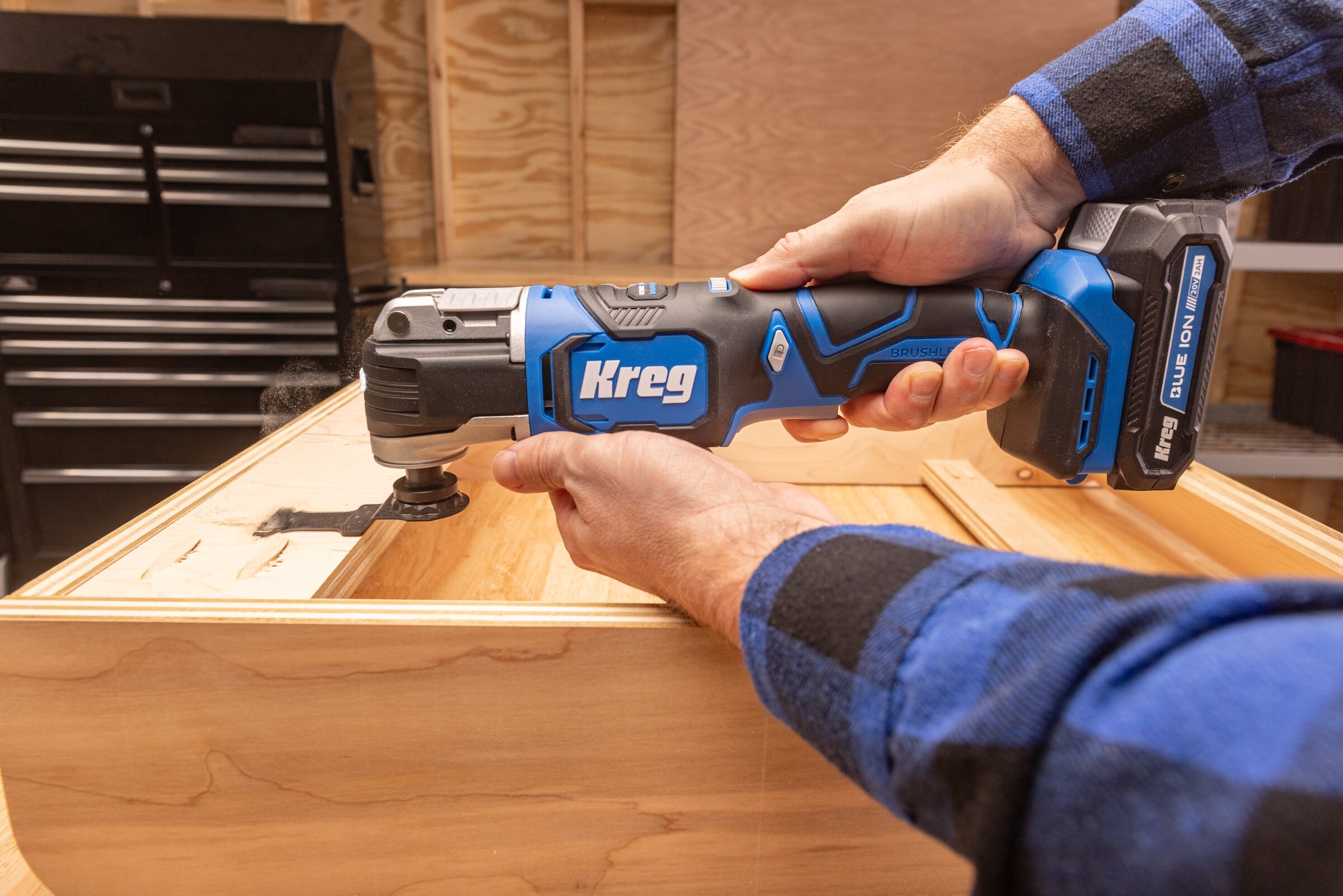
One decision buyers face is whether to choose a corded or cordless tool. Here’s how they compare:
| Type | Pros | Cons | Best For |
|---|---|---|---|
| Corded | Unlimited runtime, more power | Less portable, needs outlet | Workshops, long tasks |
| Cordless | Highly portable, easy to use anywhere | Limited by battery life, sometimes less powerful | Quick jobs, field work |
If you do long projects or heavy cutting, a corded model is usually better. For quick repairs or outdoor work, cordless tools are more convenient.
How To Get The Best Results: Pro Tips
To use your oscillating multi tool like a pro, keep these tips in mind:
- Start slow: Practice on scrap materials before your real project.
- Use sharp blades: Dull blades are dangerous and give poor results.
- Keep the tool moving: Don’t hold it in one spot too long or you’ll burn the material.
- Watch blade temperature: Pause to let blades cool, especially when cutting metal.
- Vacuum dust often: This keeps your line of sight clear and avoids breathing in debris.
- Replace sandpaper regularly: Worn pads can gouge surfaces.
- Try different angles: Sometimes, changing the tool angle gives a cleaner cut.
- Check for hidden nails or wires: Always scan wood before cutting.
Cleaning And Maintenance
A well-maintained tool lasts longer and works better. Basic care includes:
- Clean dust and debris after every use.
- Inspect the cord or battery pack for damage.
- Lubricate moving parts if recommended by the manufacturer.
- Store in a dry place to prevent rust.
- Replace worn accessories promptly.
If your tool starts to sound strange or vibrate more than usual, stop and check for loose parts.
Troubleshooting Common Problems
Sometimes things don’t go as planned. Here are some common issues and how to fix them:
Tool Won’t Start
- Check the power supply or battery connection.
- Make sure the safety switch is off.
- If corded, inspect for a blown fuse or tripped breaker.
Blade Keeps Coming Loose
- Re-tighten the accessory clamp.
- Check for worn or damaged mounting parts.
- Make sure you’re using compatible blades.
Cuts Are Rough Or Burnt
- Use a sharper blade.
- Lower the speed setting for delicate materials.
- Don’t force the tool—let it work at its own pace.
Excessive Vibration
- Tighten all screws and clamps.
- Replace worn or bent blades.
- Hold the tool firmly with both hands.
Tool Overheats
- Let the tool cool between cuts.
- Use appropriate blades for the material.
- Reduce pressure during use.
Buying Tips: What To Look For
If you’re shopping for an oscillating multi tool, focus on these key features:
- Power: Measured in amps (corded) or volts (cordless). More power handles tougher jobs.
- Variable speed: Allows better control for different materials.
- Tool-free accessory change: Saves time and frustration.
- Comfort grip: Reduces fatigue during long jobs.
- Brand reputation: Choose reliable brands with good support.
- Included accessories: Starter kits with blades and pads add value.
Don’t be swayed by lots of cheap attachments. Quality is more important than quantity.
For more information, you can refer to this resource: Oscillating Multi Tool – Wikipedia.
Real-world Example: Installing A New Electrical Outlet
Let’s walk through a practical project using the oscillating multi tool.
- Mark the opening: Use a pencil to outline the new outlet box on the drywall.
- Select the blade: Attach a drywall or wood cutting blade.
- Cut the opening: Hold the tool firmly, start it, and plunge-cut along the lines.
- Check the fit: Test the box to make sure it fits; trim as needed.
- Clean up: Use a sanding pad to smooth rough edges.
This process takes just a few minutes with an oscillating tool—much faster than using a hand saw.
Advanced Uses And Non-obvious Applications
Experienced users find creative ways to use their oscillating tool:
- Removing rust from metal: With a sanding pad or wire brush attachment.
- Cutting plastic plumbing pipes: Cleaner and safer than a saw in tight spaces.
- Trimming window shims: Flush-cutting for perfect window installation.
- Notching wood for hardware: Making quick, precise notches for hinges or brackets.
- Removing carpet tack strips: Without damaging the subfloor.
- Scraping away old window glazing: Prepping for new putty.
A non-obvious insight: Using a thin metal blade, you can even cut nails or screws that are hidden behind wood trim—without removing the entire trim piece.
Frequently Asked Questions
How Do I Choose The Right Blade For My Project?
The best blade depends on the material and the type of cut. For wood, use a wood blade; for metal, use a bi-metal blade. For grout, select a carbide or diamond blade. Always check the packaging for compatibility with your tool and material.
Can I Use Blades From One Brand On Another Brand’s Tool?
Many blades are “universal fit,” but not all. Some brands have unique mounting systems. Check both the tool and blade packaging for compatibility. For best results, use blades recommended by your tool’s manufacturer.
What’s The Best Way To Avoid Damaging My Work Surface?
Use the correct accessory, start with a low speed, and don’t press too hard. Practice on scrap material first. Keep the tool moving and let the oscillation do the work. Using painter’s tape along the cut line can also protect surfaces.
How Long Do Accessories Last?
It depends on the material and how much you use the tool. Wood blades may last for several projects, while metal blades wear out faster. Sandpaper pads should be changed when they look clogged or worn. Quality blades last much longer than cheap ones.
Are Oscillating Multi Tools Safe For Beginners?
Yes, with the right precautions. Always wear safety gear, read the manual, and start slowly. Practice on scrap material before tackling your main project. The tool is safer than many saws because it doesn’t “kick back,” but always respect its power.
Using an oscillating multi tool opens up a world of DIY possibilities. With a little practice, you’ll handle tough jobs quickly and safely, making your projects look more professional every time.