
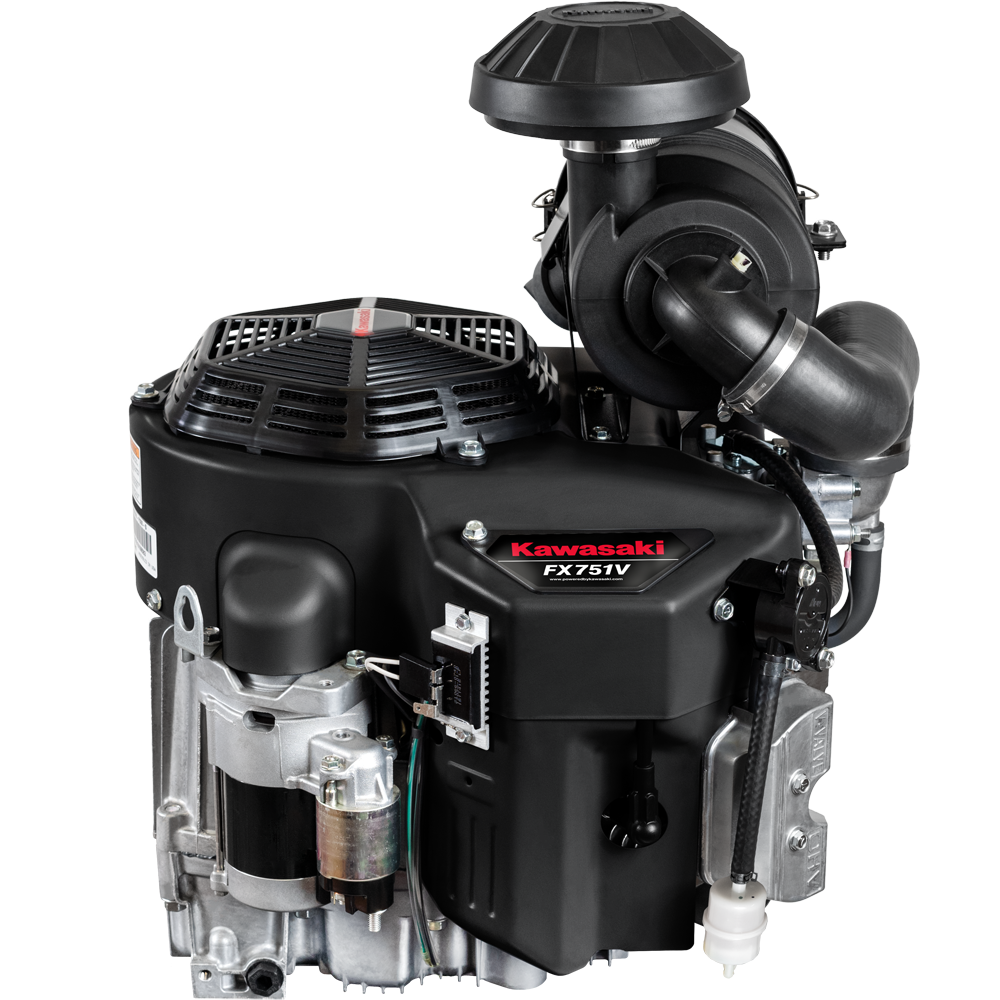
The Kawasaki FX801V engine is a popular choice for commercial mowers and heavy-duty equipment. If you own or maintain a machine with this engine, understanding its oil capacity is critical for smooth operation and long life. Many users overlook simple oil maintenance steps, which leads to costly repairs and downtime. This article covers everything you need to know about the Kawasaki FX801V oil capacity, including practical guidance on oil changes, oil type selection, maintenance schedules, troubleshooting, and tips for maximizing engine life. Whether you are a new owner or a seasoned technician, you will find clear answers and expert insights here.
Why Oil Capacity Matters For The Kawasaki Fx801v
The oil capacity of your Kawasaki FX801V engine is not just a technical detail—it’s a key factor in engine performance and durability. Using the right amount of oil helps keep engine parts lubricated, reduces heat, and prevents internal damage. Too little oil leads to increased friction and overheating, while too much oil can cause foaming, leaks, or pressure issues.
A well-maintained oil system means:
- Reduced wear on engine parts
- Smoother operation under heavy loads
- Fewer repairs and lower maintenance costs
Many engine failures trace back to improper oil levels or poor oil management. Understanding your engine’s requirements helps you avoid these common mistakes.
Let’s look at how oil works inside the engine. The oil forms a thin film between moving metal parts, such as pistons, crankshaft, and camshaft. This film reduces direct contact, which means less friction and less heat. When the oil level is too low, these parts can grind against each other, causing rapid wear or even engine seizure.
On the other hand, too much oil can cause the crankshaft to whip up the oil (foaming), which reduces the oil’s ability to lubricate and may block oil passages.
Also, the FX801V is often used in conditions where the engine works hard for long periods—think mowing large fields or powering heavy equipment. In these situations, the oil gets hot, and the engine demands reliable lubrication. That’s why knowing and respecting the correct oil capacity is not just about following instructions; it’s about protecting your investment.
Non-obvious insight: The oil not only lubricates but also helps clean the engine by carrying away tiny particles and contaminants to the filter. If the oil volume is too low, it gets dirty faster and loses its cleaning ability.
Kawasaki Fx801v Oil Capacity: The Essentials
The Kawasaki FX801V engine typically holds 2.1 quarts (2.0 liters) of oil when the filter is replaced. This capacity is specifically designed to provide proper lubrication during tough working conditions. Here’s a quick summary:
| Component | Oil Capacity |
|---|---|
| With oil filter change | 2.1 quarts (2.0 liters) |
| Without oil filter change | 2.0 quarts (1.9 liters) |
Tip: Always check the oil level with the dipstick after refilling. The actual amount may vary slightly based on engine design or if oil is not fully drained.
A few points to consider:
- If you do not change the oil filter, you need slightly less oil. This is because some oil stays trapped in the old filter.
- The oil capacity may seem small compared to a car engine, but the FX801V is designed for efficiency and easy maintenance.
- After draining, always give the oil enough time to fully drip out. If you rush, some old oil might remain, leading to overfilling when you add new oil.
If you are unsure, always add a little less than the maximum, then top up slowly to reach the correct level. This helps avoid overfilling, which is a common mistake.
Choosing The Right Oil For Your Fx801v
Selecting the correct oil is as important as filling the right amount. Kawasaki recommends SAE 10W-40 for most climates, but other grades may be suitable depending on your local temperature. The oil must meet or exceed API SJ, SL, or higher.
Here’s a breakdown of suitable oil types for different temperatures:
| Ambient Temperature | Recommended Oil Viscosity |
|---|---|
| Below 32°F (0°C) | SAE 5W-20, 5W-30 |
| 32°F to 104°F (0°C to 40°C) | SAE 10W-30, 10W-40 |
| Above 68°F (20°C) | SAE 20W-40, 20W-50 |
The numbers in the oil grade (like 10W-40) represent the oil’s viscosity, or thickness, at cold and hot temperatures. Lower numbers mean the oil flows better in cold weather, helping the engine start and lubricate quickly. Higher numbers mean the oil stays thick enough when hot, protecting the engine during long, hard work.
Insight: Many users stick to 10W-40 year-round, but switching to a lighter oil in cold weather helps with cold starts.
Practical example: If you use your equipment in winter or early spring, using 5W-30 ensures easy starting and less strain on the starter and battery. However, for summer and heavy loads, 10W-40 or even 20W-50 is more suitable because the oil will not thin out as much when hot.
Non-obvious insight: Avoid mixing different oil brands or viscosities. This can reduce oil performance, especially if additives are not compatible.
If you are unsure about oil brands, stick with well-known options or Kawasaki-branded oil. Cheap, off-brand oils may not protect as well, especially under heavy use.
How To Check Oil Level On A Kawasaki Fx801v
Checking the oil level is simple but must be done correctly to avoid mistakes. Follow these steps:
- Park the mower or equipment on level ground and turn off the engine. Wait a few minutes for oil to settle.
- Remove the dipstick, wipe it clean with a lint-free cloth.
- Insert the dipstick fully back into the tube (do not screw in if it’s a twist type).
- Remove and check the oil level. It should be between the ‘full’ and ‘add’ marks.
- Add oil in small amounts if needed, rechecking the level each time.
Common mistake: Checking the oil right after running the engine. This gives a false low reading because oil is still circulating.
Extra guidance: Always use a clean rag. Dirt or fibers from a dirty rag can contaminate the oil and harm the engine. If you see bubbles or milky oil on the dipstick, this is a sign of a problem—like water contamination or overfilling.
If you need to add oil, pour in just a little at a time, then wait a minute before rechecking. It takes a short while for oil to settle in the crankcase.
Step-by-step Guide: Changing Oil In The Kawasaki Fx801v
Changing your engine oil at the right intervals is the best way to prevent buildup and wear. Here’s a straightforward guide:
Tools And Materials Needed
- 2.1 quarts of recommended oil
- New oil filter (if replacing)
- Oil drain pan
- Socket wrench or pliers
- Funnel
- Clean rags
You may also need gloves to keep your hands clean, and some cardboard or a mat to protect your work area from spills.
Oil Change Procedure
- Run the engine for 2-3 minutes to warm the oil. This helps it drain more completely.
- Turn off the engine and disconnect the spark plug wire for safety.
- Place the drain pan under the oil drain plug.
- Remove the drain plug and allow oil to drain fully.
- Replace the drain plug securely.
- Remove the old oil filter (if changing). Lubricate the gasket on the new filter with a bit of oil.
- Install the new oil filter hand-tight, then tighten slightly more.
- Pour in fresh oil (start with about 2 quarts).
- Check the oil level with the dipstick and add oil as needed.
- Reconnect the spark plug wire and run the engine for 1 minute.
- Check for leaks and re-check the oil level, topping up if necessary.
Tip: Dispose of used oil and filters properly, as required by local laws.
Extra detail: Make sure you do not over-tighten the oil filter. Too much force can damage the gasket and cause leaks. Also, always check that the old filter gasket did not stick to the engine when you removed the filter. Double gaskets cause leaks.
Practical example: On some FX801V-equipped mowers, the oil drain plug location can be tricky to reach. Using a flexible funnel or a small piece of hose can help direct the oil into your drain pan and reduce mess.
Oil Change Intervals And Maintenance Schedule
Regular maintenance keeps your FX801V reliable and efficient. Kawasaki recommends:
- Change oil and oil filter after the first 8 hours of use (break-in period).
- Every 100 hours of operation, or at least once per season.
- Every 50 hours if operating in dusty or extreme conditions.
Non-obvious insight: For commercial use or heavy mowing, changing oil every 50 hours reduces risk of engine sludge and wear. Many pros ignore the “100-hour” rule and go for shorter intervals.
Why These Intervals Matter
The first oil change after 8 hours is especially important. When the engine is new, small metal particles from break-in wear off and mix into the oil. If you skip this, those particles can cause extra wear.
For regular use, 100 hours is a good rule. However, if you often mow in dusty fields, hot weather, or for hours at a time, oil breaks down faster and collects more dirt. Shorter intervals keep the engine healthier.
Practical advice: Keep a simple logbook or use a sticker on the engine to record each oil change. This helps you remember and plan ahead.
Signs Your Fx801v Needs An Oil Change
Don’t rely solely on hours of operation. Watch for these signs:
- Oil looks dark or gritty
- Oil level drops quickly between checks
- Engine runs hotter than usual
- Noticeable drop in engine power
- Strange noises like knocking or ticking
If you notice any of these, perform an oil change even if you haven’t reached the standard interval.
Further explanation: Dark oil means it’s full of contaminants. If the oil feels rough or sandy when you rub it between your fingers, it’s carrying dirt or metal particles. A sudden drop in oil level can mean a leak or the engine burning oil—both require attention.
If your engine feels weak or is harder to start, old or low oil can be the cause. Engine noise, especially ticking or knocking, is often a sign that oil isn’t reaching all the moving parts.
Common Mistakes With Fx801v Oil Capacity
Many users make the same avoidable errors with this engine:
- Overfilling the oil. This causes foaming and pressure issues.
- Underfilling. Leads to rapid wear, overheating, and even engine seizure.
- Using wrong oil weight. Can cause poor lubrication, especially at temperature extremes.
- Skipping oil filter changes. Old filters do not trap debris well and restrict oil flow.
- Not checking oil level after engine has sat for a few minutes.
Insider tip: Always measure the oil you add. Don’t pour in a full bottle without checking—different draining methods or leftover oil affect the true capacity.
Additional mistake: Not tightening the drain plug or oil filter enough. This can lead to small leaks that may go unnoticed until the oil level drops dangerously low.
Example: A customer once replaced the oil, but didn’t notice a slow leak from the drain plug. After a few hours of mowing, the engine seized due to low oil. Always double-check for drips or wet spots after maintenance.
What Happens If You Overfill Or Underfill Oil?
Both overfilling and underfilling can cause serious damage. Here’s what can happen:
| Condition | Possible Effects |
|---|---|
| Overfilled Oil |
|
| Underfilled Oil |
|
Clarification: Spark plug fouling can cause the engine to misfire or run poorly, making it hard to diagnose. Oil leaks from overfilling may not be obvious at first, but over time they attract dirt and can damage engine mounts or belts.
If you realize you have overfilled, turn off the engine and drain some oil before restarting. For underfilling, add oil immediately and check for leaks or burning. If the engine made unusual noises or ran hot, inspect for damage.
How Oil Quality Affects Engine Life
Not all oils are created equal. High-quality oil keeps its viscosity, resists breakdown, and protects against heat and sludge. Cheaper oils may save money up front but cause issues like varnish, sludge, or corrosion.
Practical example: Some commercial operators switch to synthetic oil for better performance in high heat or with long hours. Synthetic oils generally cost more but can extend intervals between changes and reduce engine deposits.
Some users think all oil is the same, but quality matters more as engines age. Poor oil can turn into thick sludge, blocking small oil passages. This is especially risky in the FX801V, which depends on good oil flow for cooling.
Non-obvious insight: Even with the best oil, skipping filter changes can undo the benefits. Filters remove metal particles and dirt, but old filters can clog and slow oil flow, risking engine damage.
If you work on slopes or hills, high-quality oil is even more important. The engine may run at angles, and cheap oil can leave parts unprotected due to poor flow.
Tips For Maximizing Kawasaki Fx801v Engine Life
Getting the most from your engine is about more than just oil changes. Try these tips:
- Use high-quality oil and filters, even if they cost a bit more.
- Stick to the maintenance schedule—set reminders if needed.
- Clean air filters regularly to keep oil cleaner for longer.
- Check for leaks after every oil change.
- Avoid running the engine low on fuel, as this can cause overheating and affect oil quality.
- Keep the engine area clean to spot problems early.
Advanced tip: If you operate in very dusty or wet conditions, consider oil analysis every 200 hours. This tells you about wear metals or contaminants before they cause problems.
Additional advice: Store your equipment indoors or under cover. Rain, dirt, and temperature swings can cause condensation inside the engine, which mixes with oil and creates sludge.
When storing for winter, change the oil before putting the equipment away. Used oil contains acids and contaminants that can damage engine parts during long storage.
If you’re using attachments or running the engine hard, let it idle for a minute before shutting down. This helps oil cool and circulate, preventing heat damage.

Troubleshooting Oil-related Problems
Even with good maintenance, you might see oil issues from time to time. Here’s how to tackle common oil-related problems in the Kawasaki FX801V:
Oil Leaks
- Check the oil filter for proper installation.
- Inspect the drain plug gasket for wear or damage.
- Look for cracks or damage around the oil pan or case.
If leaks appear after an oil change, the filter may not be tight, or the gasket could be pinched. Replace gaskets if they look flat, hard, or cracked.
Low Oil Pressure Warning
- Verify oil level is correct.
- Change old or clogged oil filter.
- Use proper viscosity oil for your temperature.
Low oil pressure can also signal a failing oil pump or worn engine bearings. If correcting oil level and filter doesn’t fix the warning, get professional help.
Oil Looks Milky
- This may indicate water contamination.
- Check for leaking head gasket or water entering through the air filter during washing.
Milky oil should be changed immediately. Running the engine with contaminated oil can destroy bearings and other vital parts.
Extra troubleshooting: If you see smoke from the exhaust or oil in the air filter, these can be signs of overfilling or other serious issues. Address these problems quickly to avoid bigger repairs.
If problems persist, consult a qualified mechanic or your Kawasaki dealer.

Frequently Asked Questions
What Is The Exact Oil Capacity Of The Kawasaki Fx801v?
The recommended oil capacity is 2.1 quarts (2.0 liters) when you change the oil filter. If you do not change the filter, use about 2.0 quarts (1.9 liters). Always use the dipstick to confirm the level is correct.
Can I Use Synthetic Oil In My Fx801v Engine?
Yes, you can use synthetic oil as long as it meets Kawasaki’s specifications (API SJ, SL, or higher). Many users prefer synthetic for better protection in extreme temperatures or heavy-duty use.
How Often Should I Change The Oil In My Kawasaki Fx801v?
Kawasaki recommends changing the oil and filter after the first 8 hours of use (break-in), then every 100 hours or at least once per season. For commercial or heavy use, every 50 hours is better.
What Happens If I Overfill The Oil?
Overfilling can lead to foaming, leaks, and engine damage. It is important to add oil slowly, check the level, and never fill above the ‘full’ mark on the dipstick.
What Type Of Oil Filter Should I Use?
Use a Kawasaki OEM oil filter or a high-quality equivalent that matches the FX801V specifications. The right filter ensures proper fit and filtration.
What Should I Do If The Oil Level Drops Quickly?
First, check for leaks around the filter, drain plug, and oil pan. If no leaks are found, the engine may be burning oil due to worn piston rings or valve seals. In this case, consult a mechanic.
Can I Switch From Mineral To Synthetic Oil?
Yes, you can switch, but it’s best to do it at an oil change. Drain old oil completely and replace the filter. Synthetic oil can help with engine cleanliness and protection.
Is Oil Color A Good Indicator Of Oil Health?
Not always. Fresh oil is usually golden, but it can darken quickly in a hard-working engine. Texture and smell are better clues—gritty, thick, or burnt-smelling oil means it’s time for a change.
Closing Thoughts
Proper oil care is the key to getting the most from your Kawasaki FX801V engine. Knowing the correct oil capacity, choosing the right oil, and following regular maintenance keeps your engine running strong for years. Avoid shortcuts—small mistakes with oil can lead to big repair bills. When in doubt, always check the owner’s manual or consult with a Kawasaki dealer for advice. For more technical details, you can visit the official Kawasaki website.
With careful attention to oil management, your FX801V will deliver reliable power season after season, making every mowing or work job easier and more productive. By following these guidelines, you protect your investment and ensure years of dependable service from your equipment.