
The Mitsubishi Outlander stands as one of the most popular midsize SUVs globally, loved for its reliability, comfort, and strong value. But to keep any Outlander running smoothly, regular maintenance is crucial. One of the most important aspects of this maintenance is understanding the oil capacity. This small detail can make a big difference in engine performance, longevity, and even fuel economy. Whether you’re a new owner, a DIY enthusiast, or just curious about your vehicle, knowing the oil capacity for your Outlander is essential.
Oil capacity might sound simple, but it varies by engine type, model year, and even market. Using the wrong amount can lead to poor lubrication, overheating, or engine damage. This article will break down everything you need to know about Mitsubishi Outlander oil capacity.
From model year differences to practical tips, you’ll find clear, expert advice to keep your Outlander’s heart beating strong.
Why Oil Capacity Matters For Your Mitsubishi Outlander
Many drivers overlook engine oil capacity when changing oil. But the correct amount is key for several reasons:
- Engine Protection: Oil keeps moving parts cool and reduces friction. Too little oil, and parts rub together; too much, and seals can fail.
- Performance: Engines with the right oil level run smoothly and efficiently.
- Longevity: Clean, properly filled oil helps the engine last longer by preventing excess wear.
- Warranty Requirements: Using the correct oil capacity is often required to keep your warranty valid.
Some people think adding a bit more oil is harmless. In reality, overfilling can cause as many problems as running low. Excess oil creates foam, which does not lubricate well, and can damage internal components.
Mitsubishi Outlander Oil Capacity By Model Year And Engine
The Outlander has been in production since 2001, with several generations and many engine options. Oil capacity differs between years and engines.
Here’s a detailed breakdown of common Outlander models and their oil capacities:
| Model Year | Engine Type | Oil Capacity (with filter) |
|---|---|---|
| 2003-2006 | 2.4L I4 (4G69) | 4.5 quarts (4.3 liters) |
| 2007-2013 | 2.4L I4 (4B12) | 4.5 quarts (4.3 liters) |
| 2007-2013 | 3.0L V6 (6B31) | 4.5 quarts (4.3 liters) |
| 2014-2021 | 2.4L I4 (4J12) | 4.4 quarts (4.2 liters) |
| 2014-2021 | 3.0L V6 (6B31) | 4.5 quarts (4.3 liters) |
| 2022-Present | 2.5L I4 (PR25DD, Nissan-sourced) | 5.1 quarts (4.8 liters) |
| 2018-Present | 2.4L Hybrid (PHEV) | 4.2 quarts (4.0 liters) |
Checking Your Exact Model
While these figures cover most Outlanders, always check your owner’s manual or the oil cap under the hood. Some regional differences may apply, especially in hybrid or diesel models found outside North America.
How To Check And Change Oil In The Mitsubishi Outlander
Understanding oil capacity is only part of the story. Knowing how to check and change the oil keeps your Outlander reliable.
Checking The Oil Level
You should check your oil at least once a month, or before long trips. Here’s how:
- Park on Level Ground: Wait for the engine to cool.
- Open the Hood: Locate the yellow or orange dipstick.
- Remove the Dipstick: Wipe it clean with a cloth.
- Reinsert and Remove Again: This shows your current oil level.
- Check Level: Oil should be between the two marks (low and full).
If the oil is below the low mark, add the recommended type. If it’s above the full mark, some oil may need to be drained.
Changing The Oil
Changing oil yourself can save money and help you understand your car better. Here’s a step-by-step guide for most Outlander models:
- Gather Supplies: You’ll need the correct oil (see your manual), a new oil filter, a wrench, a drain pan, and gloves.
- Warm Up Engine: Run the engine for 5 minutes to thin the oil.
- Raise Vehicle (If Needed): Use ramps or a jack for clearance.
- Remove Oil Drain Plug: Place the pan under the oil pan and unscrew the plug.
- Drain Oil: Allow old oil to fully drain (about 10-15 minutes).
- Remove Old Oil Filter: Use a filter wrench if needed.
- Install New Oil Filter: Lightly oil the new filter’s gasket before installing.
- Replace Drain Plug: Tighten securely, but don’t over-tighten.
- Add New Oil: Pour in the correct amount slowly.
- Check Level: After running the engine for a minute, turn it off, wait, and recheck with the dipstick.
- Dispose of Old Oil Properly: Most auto shops accept used oil for recycling.
Practical Tips
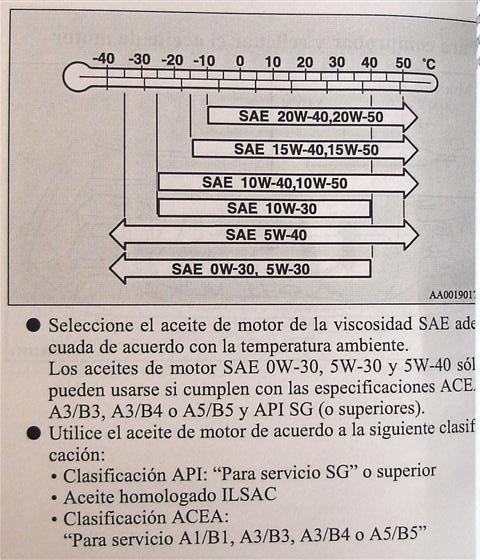
- Always use the recommended oil viscosity (like 0W-20 or 5W-30).
- Never reuse an old oil filter.
- Mark the date and mileage after each oil change.
- For the hybrid Outlander PHEV, only use oils approved for hybrid engines.
Choosing The Right Oil For Your Outlander
Selecting the right oil is as important as using the correct amount. Mitsubishi specifies certain types for each engine.
Oil Types By Engine
- 2.4L I4 (Gasoline): Usually 0W-20 or 5W-20 full synthetic.
- 3.0L V6: Usually 5W-30 full synthetic or semi-synthetic.
- 2.5L I4 (2022+): 0W-20 full synthetic (same as Nissan Rogue).
- PHEV Hybrid: 0W-20 full synthetic, hybrid-approved.
The viscosity rating (like 0W-20) describes how the oil flows at different temperatures. The first number (0W) is the winter rating, the second (20) is how it performs when hot. Modern engines need thinner oils for better fuel economy and cold starts.
Synthetic Vs. Conventional Oil
Most new Outlanders require synthetic oil. It lasts longer, resists breakdown at high temperatures, and protects better in extreme conditions. Older models (before 2007) may use conventional or synthetic, but switching to synthetic is often a smart upgrade.
Common Mistakes When Choosing Oil
- Using the wrong viscosity: Can cause poor lubrication or engine noise.
- Mixing oil types: Avoid combining synthetic and conventional oils.
- Ignoring API Ratings: Look for the latest certifications on the bottle (e.g., API SP, ILSAC GF-6).
How Oil Capacity Affects Performance And Maintenance Costs
Using the right oil capacity is more than a technical detail. It directly impacts how your Outlander drives and how much you spend on repairs.
Engine Wear And Tear
Too little oil means not all parts are lubricated. This leads to increased friction, higher temperatures, and faster wear. Over time, this can cause engine knocking, sludge, or even a seized engine.
Too much oil is just as risky. It can foam up, lose lubricating ability, and damage the catalytic converter. Replacing this part can be costly.
Fuel Economy
A properly filled engine runs efficiently. If oil is low or the wrong type, the engine works harder and burns more fuel. Studies show that proper oil levels can improve fuel economy by up to 2-3%.
Repair Bills
Small mistakes with oil can lead to big bills:
- Engine rebuilds: $2,000–$5,000
- Catalytic converter replacement: $1,000+
- Gasket leaks: $500–$1,500
Regular oil checks and changes are much cheaper than repairs.
Comparing Outlander Oil Capacity With Other Suvs
If you’re curious how the Outlander stacks up against competitors, here’s a comparison of oil capacities for similar midsize SUVs:
| Model | Engine | Oil Capacity (with filter) |
|---|---|---|
| Mitsubishi Outlander (2022+) | 2.5L I4 | 5.1 quarts (4.8 liters) |
| Toyota RAV4 | 2.5L I4 | 4.8 quarts (4.5 liters) |
| Honda CR-V | 1.5L Turbo I4 | 3.7 quarts (3.5 liters) |
| Nissan Rogue | 2.5L I4 | 4.9 quarts (4.6 liters) |
| Hyundai Santa Fe | 2.5L I4 | 5.1 quarts (4.8 liters) |
The Outlander’s oil capacity is average for its class, but always check your exact model since differences exist even within the same engine group.
Special Considerations For Hybrid And Diesel Outlanders
Outlander has unique models like the Plug-in Hybrid Electric Vehicle (PHEV) and diesel engines (mainly in Europe and Asia). These require special attention:
Outlander Phev
- Uses a 2.4L gasoline engine paired with electric motors.
- Oil capacity: About 4.2 quarts (4.0 liters).
- Must use oil approved for hybrid engines, as electric-assisted engines run at different temperatures and have different demands.
Diesel Outlanders
- Found mostly outside North America, like the 2.2L DI-D.
- Oil capacity: Varies (usually 5.5–6.0 liters).
- Diesel engines need oil rated for high soot and turbochargers.
- Always use oil with the correct ACEA and API diesel ratings.
Non-obvious Insight
Many hybrid owners forget that their gasoline engine still needs regular oil changes, even if they mostly drive on electric. Skipping oil changes in a PHEV can lead to early engine wear, as the engine often starts and stops more frequently than in a normal car.
How Often Should You Change Oil In The Mitsubishi Outlander?
Follow the recommended oil change interval in your owner’s manual, but here are some general guidelines:
- Newer Outlanders (2014+): Every 7,500–10,000 miles (12,000–16,000 km) or once a year, whichever comes first.
- Older Outlanders (before 2014): Every 5,000–7,500 miles (8,000–12,000 km).
- PHEV Models: Follow hybrid-specific intervals, usually every 10,000 miles (16,000 km).
Severe Driving Conditions
Change oil more often if you:
- Tow heavy loads
- Drive in extreme heat or cold
- Make many short trips
- Drive in dusty or stop-and-go conditions
Non-obvious Insight
Many people think “synthetic oil means I can ignore oil changes longer. ” In reality, while synthetic oil lasts longer, engine filters still get dirty, and contaminants build up. Stick to the schedule for best results.
What Happens If You Use The Wrong Oil Capacity?
Mistakes can happen. Here’s what to watch for if you or your mechanic use too much or too little oil:
Too Little Oil
- Engine warning lights may come on
- Increased engine noise or ticking
- Higher engine temperatures
- Risk of engine seizure
Too Much Oil
- White smoke from exhaust (burning oil)
- Oil leaks or blown seals
- Strong burning smell
- Poor engine performance
If you notice these symptoms after an oil change, check the level immediately. Running with the wrong oil level can damage your engine quickly.
Diy Oil Change Vs. Professional Service: Pros And Cons
Many Outlander owners wonder whether to change oil themselves or go to a shop.
Diy Oil Change
Pros:
- Save money (cost of oil and filter only)
- Learn more about your vehicle
- Use the exact oil and filter you want
Cons:
- Time-consuming (about 30-60 minutes)
- Risk of spills or incorrect installation
- Need tools and a safe space
Professional Service
Pros:
- Fast and convenient
- Disposal of old oil handled for you
- Trained technicians spot other problems
Cons:
- More expensive (labor costs)
- Some shops use generic oil or filters
- Possibility of errors if shop is careless
If you choose DIY, double-check the oil capacity and type, and always use a quality oil filter.
Signs Your Outlander Needs An Oil Change
Even with a schedule, it’s smart to watch for these signs:
- Oil Change Light: Modern Outlanders may have an oil life monitor.
- Dark, Dirty Oil: Check the dipstick; oil should be amber, not black and gritty.
- Engine Noise: More ticking or knocking than usual.
- Exhaust Smoke: Blue or white smoke can mean oil problems.
- Decreased Fuel Economy: Dirty oil increases friction and lowers MPG.
If you see any of these, don’t wait—change the oil as soon as possible.
Common Oil Change Mistakes To Avoid
- Overfilling or underfilling: Always measure carefully.
- Using the wrong oil filter: Can cause leaks or poor oil flow.
- Not tightening the drain plug or filter: Leads to leaks.
- Ignoring the oil drain plug washer: Replace it every time to prevent leaks.
- Forgetting to reset the oil change indicator: In newer models, follow the manual to reset after every change.
How To Reset Oil Life Monitor On Mitsubishi Outlander
Most newer Outlanders (especially 2014 and up) have an oil life or maintenance reminder. Here’s a simple way to reset it:
- Turn the ignition to “ON” (do not start the engine).
- Press the info button on the dashboard until the maintenance screen appears.
- Hold the button until the indicator blinks.
- Press and hold again until it resets.
Check your manual for detailed steps, as some years/models have different procedures.
Cost Of An Oil Change For Mitsubishi Outlander
Oil change prices vary based on location, oil type, and whether you use a dealer or independent shop.
- DIY (synthetic oil + filter): $40–$60
- Dealership service: $80–$120
- Independent shop: $60–$90
Hybrid models may cost slightly more due to specialized filters or higher labor charges.
Tip
Some dealers offer free oil changes for a set period after purchase—ask about this when buying a new Outlander.
Environmental Impact Of Oil Changes
Used engine oil is toxic and pollutes soil and water if dumped improperly. Always dispose of oil at a recycling center or participating auto shop. Never pour oil down a drain or onto the ground.
For more about recycling and oil disposal, see the EPA’s official oil recycling guide.
Maintaining Your Outlander’s Oil System
Beyond regular oil changes, keep your oil system healthy:
- Replace the oil filter with every oil change
- Check for leaks under the engine after parking
- Listen for changes in engine sound
- Use only recommended additives if suggested by Mitsubishi
If you notice oil spots on your driveway or a burning smell, have your Outlander checked for leaks right away.

Frequently Asked Questions
What Type Of Oil Does The Mitsubishi Outlander Use?
Most Outlanders use 0W-20 or 5W-30 full synthetic oil. Always check your owner’s manual for the exact recommendation, as engine type and climate can affect the correct choice.
How Often Should I Check The Oil Level?
It’s smart to check the oil at least once a month or before long trips. Regular checks help catch leaks or consumption issues early, protecting your engine.
Can I Use A Different Oil Brand As Long As The Viscosity Matches?
Yes, as long as the oil meets Mitsubishi’s specifications (like API or ILSAC ratings) and is the correct viscosity, any reputable brand is fine. Avoid mixing brands in the same oil change.
What Happens If I Overfill The Oil?
Overfilling can cause the oil to foam, leading to poor lubrication and possible engine or catalytic converter damage. If you overfill, drain the excess immediately.
Is Synthetic Oil Better For My Outlander?
Synthetic oil offers better protection, lasts longer, and resists breakdown at high temperatures. Most new Outlanders require synthetic oil for best performance and warranty protection.
Taking care of your Mitsubishi Outlander’s oil needs isn’t hard—but it does require attention to detail. By knowing your model’s oil capacity, using the right oil, and following a regular maintenance schedule, you’ll enjoy a smooth-running SUV for years to come.
A few minutes spent on oil today can save you thousands in repairs tomorrow.