
A die grinder is a small, powerful handheld tool that often looks simple, but its real value is in what it can do. Many professionals—mechanics, metal workers, woodworkers, and even hobbyists—rely on it every day. But if you are new to power tools, you may wonder: what is a die grinder used for? The truth is, this tool is far more versatile than it first appears. It is not just for grinding metal or cleaning up welds; a die grinder can be your go-to for shaping, cutting, polishing, engraving, and much more. Understanding how and where it shines can help you save time, improve your work quality, and even discover new ways to finish projects.
Let’s explore the world of die grinders, learn how they work, and see the many ways they can make tasks easier and more precise.
What Is A Die Grinder?
A die grinder is a handheld rotary tool that uses different attachments to perform tasks like grinding, sanding, polishing, and cutting. The tool gets its name from its original use: grinding dies (metal stamps) for shaping in factories. Today, it is used for much more.
Most die grinders are powered either by compressed air (pneumatic die grinder) or electricity (electric die grinder). They can run at very high speeds—often 20,000 to 30,000 revolutions per minute (RPM)—which makes them effective for precision work. The tool uses a collet, which is a type of clamp, to hold small bits and attachments in place.
Some key features of a die grinder:
- Compact size for easy handling
- High RPM for smooth, fast work
- Interchangeable bits for many uses
- Available in straight and right-angle versions
The main attraction of a die grinder is its versatility. It can handle materials like metal, plastic, wood, ceramics, and even stone.
Main Uses Of A Die Grinder
A die grinder is like a Swiss Army knife for people who work with materials. Here are the most common and important uses:
1. Grinding And Smoothing Metal
This is the classic job for a die grinder. When you weld two pieces of metal together, the joint often has rough edges or excess metal called “slag. ” A die grinder with a grinding stone or carbide burr can quickly remove these imperfections, leaving a smooth finish.
Many mechanics use die grinders to:
- Clean up welds
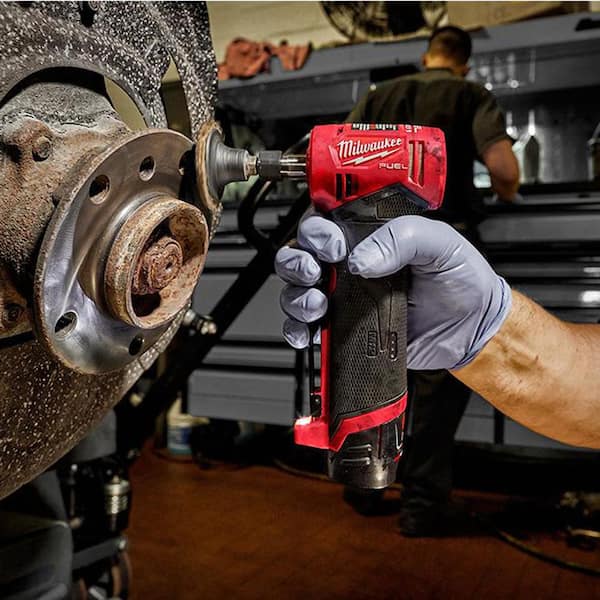
- Remove rust or corrosion
- Deburr metal edges (removing sharp bits)
Because die grinders are small and precise, they can reach tight spots that larger grinders or sanders cannot.
2. Cutting Through Materials
With a cutting wheel or cut-off disc, a die grinder can slice through metal pipes, bolts, sheet metal, plastic, or even wood. This is especially helpful when you need to make quick, small cuts in hard-to-reach places.
For example, auto mechanics often use die grinders to cut off stubborn bolts or exhaust pipes under a car.
3. Polishing And Buffing Surfaces
Attach a felt wheel or polishing bit, and a die grinder becomes a mini polisher. It can shine up metal, plastic, or even glass. This is useful for making a piece look new or preparing it for painting.
Jewelry makers, metal fabricators, and automotive workers use die grinders for:
- Polishing engine parts
- Buffing chrome or aluminum
- Restoring old tools
4. Engraving And Carving
Die grinders are perfect for detail work. With a diamond tip or carbide bit, you can engrave designs into metal, wood, stone, or glass. Artists and sign makers often use die grinders to carve letters or patterns.
Woodworkers also use them for relief carving or adding texture to projects.
5. Sanding And Surface Preparation
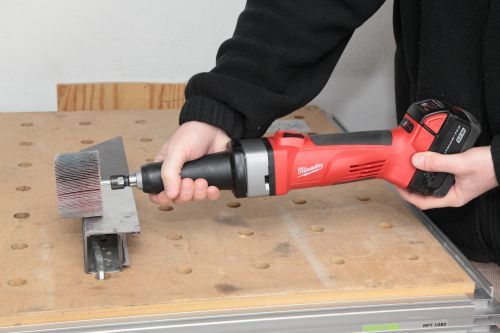
By fitting sanding drums or flap wheels, a die grinder can sand down rough surfaces, strip paint, or prepare a material for finishing. This is a fast way to smooth out welds, edges, or remove old coatings.
It is commonly used for:
- Sanding wood or plastic
- Removing surface rust
- Preparing metal for welding or painting
6. Deburring
After cutting metal, plastic, or wood, edges can be sharp and dangerous. Die grinders are often used to deburr these edges, making them safe and ready for assembly or finishing.
Machine shops, manufacturers, and even plumbers rely on die grinders to:
- Deburr holes or cutouts
- Smooth pipe ends
- Finish machined parts
7. Porting And Shaping
In automotive work, “porting” means enlarging and smoothing the intake and exhaust ports in an engine to improve airflow. Die grinders, with their small size and high speed, are ideal for this. They can also be used to shape or modify parts, trim plastic, or customize tools.
8. Cleaning Gaskets And Surfaces
Removing old gaskets from engine parts can be tough. A die grinder with a wire brush or abrasive pad can quickly clean away leftover gasket material, sealant, or grime. This prepares surfaces for new gaskets, which is critical for a good seal.
9. Sharpening Tools And Blades
You can use a die grinder to quickly sharpen small tools, drill bits, chisels, or even mower blades. Its high RPM makes it easy to restore a sharp edge, though it’s best for touch-ups rather than full blade sharpening.
10. Removing Broken Bolts Or Studs
Sometimes, bolts break off inside machines or engines. A die grinder can be fitted with a burr or grinding wheel to carefully remove the broken part without damaging the surrounding material.
11. Modifying And Customizing Parts
Die grinders are popular in custom car and motorcycle building because they let you easily trim, shape, or cut parts to fit non-standard designs. They are also handy for making adjustments on site without needing large machines.
12. Working In Tight Spaces
Unlike larger grinders, die grinders are compact and can fit into small areas—inside engine compartments, behind panels, or inside pipes. Right-angle die grinders make it even easier to reach these spots.
13. Precision Work
Because you can control them with one hand and use small tips, die grinders are excellent for fine detail work. This makes them popular with model makers, jewelry designers, and anyone who needs to make tiny adjustments or detailed decorations.

Types Of Die Grinders
Die grinders come in several types, and choosing the right one depends on your needs.
| Type | Power Source | Main Strength | Common Uses |
|---|---|---|---|
| Straight Die Grinder | Electric or Pneumatic | Direct control, good for straight lines | General grinding, cutting, sanding |
| Right-Angle Die Grinder | Electric or Pneumatic | Access to tight or awkward spaces | Automotive, plumbing, confined spaces |
| Electric Die Grinder | Electric (corded/battery) | Convenience, portable, no air compressor needed | DIY, light industrial |
| Pneumatic Die Grinder | Compressed Air | Lightweight, powerful, runs cooler | Heavy use, professional shops |
Electric die grinders are easier for most people because you just need a power outlet or a battery. But pneumatic models are lighter and often last longer if you use them all day.
Key Attachments And Accessories
The die grinder’s real power comes from the many attachments you can use. Here are the most common ones:
- Grinding stones – For smoothing metal and removing material
- Carbide burrs – For shaping, porting, and deburring hard materials
- Cut-off wheels/discs – For slicing through metal or plastic
- Sanding drums or flap wheels – For sanding and surface prep
- Wire brushes – For cleaning rust, paint, or gasket material
- Polishing bits/wheels – For shining up surfaces
- Diamond tips – For engraving or working on stone and glass
- Abrasive pads – For general cleaning and surface blending
Most die grinders use a 1/4-inch collet, but adapters are available for other sizes.
How To Choose The Right Die Grinder
Picking the best die grinder depends on your work, budget, and comfort. Here’s what matters most:
Power Source
- Pneumatic: Needs an air compressor. Lighter, more durable, but less portable.
- Electric: Easier for home use, just plug in or use a battery. Heavier, can heat up with long use.
Speed And Power
- Look for a model with 20,000–30,000 RPM for most jobs.
- Adjustable speed is helpful for delicate work.
Size And Weight
- Lighter tools are easier to control, especially for long jobs.
- A compact model fits better in tight spaces.
Ergonomics
- Comfortable grip reduces fatigue.
- Some models have vibration control or low-noise features.
Collet Size
- Most use 1/4 inch, but check your attachments.
- Some tools come with adapters for smaller bits.
Durability
- If you use the tool daily, invest in a quality brand.
- Look for metal housings and good reviews.
Price
- Pneumatic models are often cheaper, but you need a compressor.
- Electric models cost more but are more flexible for beginners.
Safety Features
- Safety lock on the trigger
- Overload protection (for electric models)
- Good ventilation to prevent overheating
Die Grinder Vs. Other Tools
It’s easy to confuse a die grinder with similar tools. Here’s how it compares:
| Tool | Main Difference | Best For |
|---|---|---|
| Die Grinder | High-speed, small bits, versatile | Precision work, grinding, shaping |
| Angle Grinder | Larger, more power, uses big discs | Heavy cutting, grinding large surfaces |
| Dremel/Rotary Tool | Smaller, lower power, more for crafts | DIY, crafts, very fine work |
| Bench Grinder | Stationary, large wheels | Sharpening, shaping large tools |
Die grinders fill the gap between large grinders and small rotary tools. They offer the power to work on tough jobs, but are precise enough for detail work.
Safety Tips For Using A Die Grinder
A die grinder is powerful and spins very fast. This means you should use it with care. Here are some key safety tips:
- Wear eye protection: Flying sparks or metal chips can injure your eyes.
- Use hearing protection: Die grinders can be loud, especially pneumatic models.
- Wear gloves: Protects your hands from heat and sharp edges.
- Check attachments: Make sure the bit or wheel is tightly secured before starting.
- Keep loose clothing and hair away: The spinning parts can catch anything loose.
- Work in a well-ventilated area: Grinding can create dust and fumes.
- Let the tool stop fully before setting it down: Prevents accidents.
- Start slow, then speed up: Especially when working on delicate materials.
- Never force the tool: Let the grinder do the work. Forcing it can damage both the tool and your project.
Two non-obvious insights: Always check the maximum RPM rating on your attachments—using a wheel or bit not rated for your grinder’s speed is dangerous. Also, for best results, move the grinder smoothly and steadily, rather than pressing hard; this reduces heat and extends the life of your attachments.
Real-world Examples Of Die Grinder Use
To see how useful die grinders are, let’s look at a few real situations:
- Automotive repair: A mechanic needs to remove old, rusted bolts from a car’s exhaust system. The die grinder, fitted with a cut-off wheel, slices through the bolts in seconds, saving hours compared to using hand tools.
- Metal fabrication: After welding a metal frame, the edges are rough and sharp. A die grinder with a flap wheel smooths out the welds, creating a professional finish that’s ready for painting.
- Woodworking: An artist carves detailed patterns into a wooden box using a die grinder with a small burr. The tool’s control allows for intricate designs that would be difficult with chisels alone.
- Plumbing: A plumber uses a right-angle die grinder to clean the ends of copper pipes before soldering, ensuring a clean, leak-free joint.
- Restoration: Someone restoring an old motorcycle uses a die grinder to polish engine parts, remove rust, and even engrave custom details into the metal covers.
Maintenance And Care Tips
To keep your die grinder working well and safely, regular maintenance is important.
- Clean the tool after each use: Wipe off dust and debris.
- Lubricate (for pneumatic models): Use a few drops of air tool oil in the air inlet before each use to keep parts running smoothly.
- Check the collet and attachments: Make sure they are tight and not worn out.
- Inspect the power cord or air hose: Look for cracks or leaks.
- Store in a dry place: Moisture can cause rust, especially on metal parts.
A well-maintained die grinder can last for many years, even with heavy use.
Cost And Value: Is A Die Grinder Worth It?
You might wonder if buying a die grinder makes sense for you. Here are some points to consider:
- Cost: Basic electric die grinders start around $50–$100 USD. Pneumatic models can be even cheaper, but you need an air compressor (which can cost $100–$300+).
- Attachments: A full set of burrs, wheels, and brushes may cost $20–$50.
- Quality: Well-known brands last longer and are safer. Cheap tools can be unreliable or dangerous at high speeds.
- Value: If you do metal work, auto repair, woodworking, or crafts, a die grinder will likely pay for itself by saving you hours of time and giving you better results.
According to Wikipedia, die grinders are standard tools in many professional workshops and are becoming more common for home users due to their flexibility.
Common Mistakes Beginners Make
If you are new to die grinders, avoid these pitfalls:
- Using the wrong attachment: Not all bits are made for all jobs. Using a metal-cutting wheel on wood, for example, is dangerous.
- Ignoring speed ratings: Attachments have a maximum RPM. Going over this can cause them to break apart.
- Pushing too hard: Let the tool do the work. Forcing it can damage both the tool and your workpiece.
- Skipping safety gear: Always wear eye and ear protection.
- Not securing the workpiece: Always clamp your material so it does not move.
- Not checking for damage: Cracked wheels or bent bits can fail dangerously at high speed.
When Not To Use A Die Grinder
A die grinder is powerful and versatile, but it is not the answer for every job. Here’s when you should consider another tool:
- Large, flat surfaces: Use an angle grinder or sander for faster results.
- Heavy cutting: For thick steel or big cuts, a dedicated saw or angle grinder is better.
- Very fine craft work: For detailed jewelry or model making, a smaller rotary tool like a Dremel may be easier to control.
- Sharpening large blades: Use a bench grinder for bigger tools like axes or mower blades.
Tips For Getting The Best Results
- Start with the right attachment: Always match the tool to the task.
- Practice on scrap material first: Learn how the tool handles before working on your project.
- Keep the tool moving: Don’t hold it in one place too long—this avoids heat buildup and uneven surfaces.
- Use light pressure: Too much force can burn or damage the material.
- Check your progress often: Stop and look at your work; it’s easy to remove too much material with a fast tool.
Frequently Asked Questions
What Is The Difference Between A Die Grinder And A Dremel?
A die grinder is usually larger, more powerful, and built for heavy-duty jobs like grinding, cutting, and shaping metal or hard materials. A Dremel is a type of rotary tool that is smaller, less powerful, and better for light tasks and crafts. Die grinders use bigger bits and attachments, while Dremel tools are great for very fine, detailed work.
Can I Use A Die Grinder On Wood?
Yes, you can use a die grinder on wood with the right attachment, such as a sanding drum or carving burr. It is useful for shaping, carving, and smoothing wood surfaces. Just be sure to use lower speeds to avoid burning the wood.
Are Die Grinders Safe For Beginners?
Die grinders are safe if you follow basic safety steps: wear eye and ear protection, use the right attachments, and never force the tool. Beginners should start with simple tasks, practice on scrap material, and read the manual before starting. Respect the tool’s power, and it will be a safe helper.
What Size Bits Do Die Grinders Use?
Most die grinders use 1/4-inch shank attachments, but some models can use 1/8-inch bits with an adapter. Always check your tool’s manual for the correct size, and make sure attachments are properly secured in the collet.
How Do I Maintain A Pneumatic Die Grinder?
To maintain a pneumatic die grinder, add a few drops of air tool oil to the air inlet before each use, check for air leaks, clean off dust after use, and store the tool in a dry place. Regular maintenance will keep your die grinder working smoothly and extend its lifespan.
Die grinders may seem like simple tools, but their real power is in their flexibility and precision. Whether you are fixing cars, building furniture, making art, or repairing equipment, a die grinder can help you work faster and with more control.
By choosing the right attachments, respecting safety, and understanding what this tool can do, you can unlock a new level of skill in your projects. With practice, you will find even more uses for your die grinder—and wonder how you ever worked without it.