
A wire stripper is one of those tools that looks simple, but it plays a critical role in both home and industrial electrical work. Whether you are a DIY enthusiast, an electrician, or someone curious about how electronics are built, understanding what a wire stripper is used for can make your work safer, cleaner, and more reliable.
Many people have seen this tool in a toolbox or hardware store, but few know its full range of uses and why using the right tool matters so much. Let’s take a deep look into what a wire stripper does, how it works, and why it is essential for anyone working with wires.
The Basics: What Is A Wire Stripper?
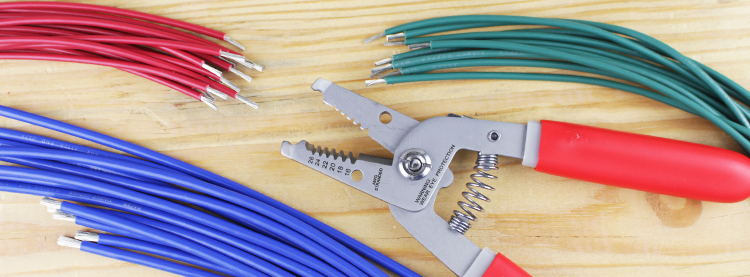
A wire stripper is a hand tool designed to remove the protective coating or insulation from electrical wires. This exposes the metal core inside, making it possible to connect, repair, or test the wire. At first glance, it may look like a pair of pliers or scissors, but its design is unique for handling wires safely and efficiently.
The primary goal is simple: strip away just the insulation without cutting or damaging the metal wire beneath. This might sound easy, but if you use the wrong tool or technique, you can easily nick or cut the wire, causing weak connections or even future electrical failures.
How Does A Wire Stripper Work?
The working principle of a wire stripper is straightforward. The tool has several holes or notches, each sized for a different wire gauge. You place the wire into the right notch, squeeze the handles, and pull off the insulation. The stripper grips the insulation but not the wire itself, so the metal core remains untouched.
Some advanced models even have self-adjusting mechanisms that adapt to the wire’s size.
Many beginners think a knife or regular pliers can do the job, but these often damage the wire or leave uneven cuts. A wire stripper is designed to avoid these problems and ensure a smooth, clean strip every time.
Key Uses Of A Wire Stripper
Wire strippers are more versatile than many people realize. Here are the main tasks where this tool shines:
- Removing insulation from wires for electrical connections.
- Cutting wires to the desired length.
- Crimping connectors onto the ends of wires.
- Bending wire ends for making secure terminal connections.
- Cleaning up old wiring by removing damaged insulation.
Each of these uses helps ensure a safe and reliable electrical connection, which is essential for both performance and safety.
Types Of Wire Strippers
Wire strippers come in many forms, each designed for specific needs. Understanding the types will help you choose the right one for your job.
| Type | Main Features | Best For |
|---|---|---|
| Manual Wire Stripper | Multiple notches for different gauges; basic design | Simple home wiring, occasional use |
| Automatic Wire Stripper | Self-adjusts to wire size; quick operation | Frequent use, professionals |
| Precision Wire Stripper | Fine adjustments for delicate wires | Electronics, small gauge wires |
| Multi-tool Stripper | Includes crimper, cutter, stripper in one | General electrical work, field repairs |
Manual Wire Strippers
These are the most common type. They have several holes marked with wire gauge sizes. You match your wire to the right size, squeeze the handles, and pull off the insulation. They are reliable for most home projects.
Automatic Wire Strippers
These tools make stripping much faster. You insert the wire, squeeze the handles, and the tool does everything in one motion. They are great for professionals who need to strip many wires quickly.
Precision Wire Strippers
When you work with very small or delicate wires, such as in electronics, a precision stripper helps avoid damage. They often have fine-tuned adjustments for small wire gauges.
Multi-tool Wire Strippers
These combine wire stripping, cutting, and crimping into one tool. They are handy for people who want one tool for many tasks.
Why Not Just Use A Knife Or Scissors?
This is a common question. In fact, many beginners start by using whatever is nearby, like a kitchen knife or a pair of scissors. Here’s why this is a mistake:
- Safety: Knives can slip and cut your hand or finger.
- Damage to wire: Scissors and knives often cut into the wire itself, making it weak.
- Poor connections: Damaged wires do not carry electricity as well, leading to future failures.
- Professional standards: Electricians are required to use proper tools to meet safety codes.
A wire stripper is designed to grip only the insulation, not the wire. This reduces the risk of breaks or shorts in your connections.
How To Use A Wire Stripper: Step-by-step
Stripping a wire is not difficult, but there are right and wrong ways to do it. Here is a clear, step-by-step guide:
- Select the Right Notch: Check the wire’s gauge (size) and match it to the correct hole in your wire stripper.
- Insert the Wire: Place the wire into the notch, aligning it where you want to remove the insulation.
- Grip Firmly: Squeeze the handles together. The blades will cut into the insulation without touching the wire.
- Pull Off the Insulation: Gently pull the tool away from the wire. The insulation should slide off, leaving the clean metal core.
- Inspect the Wire: Make sure the wire is not nicked or damaged. If it is, cut off the end and try again.
A common mistake is using the wrong gauge hole. This can either fail to cut the insulation or damage the wire. Always check the wire size, and practice on scrap wire if you are new.

Common Wire Stripper Features Explained
Not all wire strippers are the same. Here are some features you might find:
- Wire gauge markings: Help match the tool to your wire size.
- Integrated cutter: Lets you cut wire to length.
- Crimping jaws: For attaching connectors.
- Spring-loaded handles: Reduce hand fatigue for repeated use.
- Locking mechanism: Keeps the tool closed for safety.
If you work with both stranded and solid wires, choose a tool that works with both. Some wire strippers are only for one type.
Applications: Where Are Wire Strippers Used?
Wire strippers are used in a wide range of fields. Here are some of the most common:
- Home electrical work: Installing lights, outlets, or switches.
- Automotive repair: Fixing car wiring, installing alarms or radios.
- Electronics: Building circuits, repairing devices.
- Industrial maintenance: Machine wiring, control panels.
- Telecommunications: Working with network and phone cables.
In each of these areas, stripping wires cleanly and safely is critical for reliable connections.
Wire Stripper Vs. Other Tools: A Clear Comparison
How does a wire stripper compare to other common tools? Here’s a clear look:
| Tool | Best For | Risks/Limitations |
|---|---|---|
| Wire Stripper | Stripping insulation without damaging wire | Requires right size selection |
| Knife | Cutting insulation in emergencies | High risk of cutting wire or yourself |
| Scissors | Cutting wire (rarely stripping) | Often damages wire, unsafe |
| Pliers | Gripping and bending wire | Not for insulation removal |
Safety Tips For Using A Wire Stripper
Even though wire strippers are safer than knives, you still need to be careful. Here are some key tips:
- Always wear safety glasses: Pieces of insulation can fly off.
- Check for live wires: Never strip wires that are connected to power.
- Use the right tool for the job: Don’t force a large wire into a small notch.
- Keep the tool clean: Dirt and oil can make the tool slip or get stuck.
- Replace worn-out tools: Dull blades can slip and cause accidents.
Non-obvious Insights For Beginners
Many people overlook certain details when starting out with wire strippers. Here are two insights you might not know:
- Stranded vs. Solid Wire: Stranded wire is made of many small wires twisted together. It is easier to damage with the wrong stripper. Always use a tool designed for stranded wires if you are working with them.
- Length of Strip: Stripping too much insulation exposes bare wire, which can lead to accidental shorts. Always check how much insulation you need to remove—often, only 10–15 mm is needed for most connections.
Another overlooked point: Some insulation types are thicker or tougher than others. For example, high-temperature wires may need a special stripper, while standard tools might not work well on them.
Wire Stripper Maintenance: Keeping Your Tool In Top Shape
A wire stripper is only as good as its condition. Over time, the blades can dull, or the mechanism can get sticky. Here’s how to keep your tool working well:
- Clean regularly: Remove wire debris and dust after each use.
- Lubricate moving parts: A drop of light oil keeps the handles and jaws smooth.
- Sharpen or replace blades: If the tool starts to tear insulation instead of cutting cleanly, the blades may need attention.
- Store in a dry place: Prevent rust and corrosion, which can ruin the tool.
Well-maintained wire strippers last for years and save you from frustrating mistakes.
Choosing The Right Wire Stripper For Your Needs
Picking the right wire stripper depends on what you need to do. Here are the main points to consider:
- Wire gauge compatibility: Make sure the tool fits the wire sizes you use most often.
- Type of wire: Stranded or solid? Not all strippers handle both well.
- Frequency of use: If you use it every day, invest in a durable, comfortable model.
- Extra features: Do you need crimping or cutting? Multi-tools can save space.
- Budget: Good manual strippers are affordable, but automatic or precision tools cost more.
A common mistake is buying a very cheap tool. These often have poor blades or weak springs, making the job harder and increasing the risk of damage.
Practical Examples: Real-life Uses Of Wire Strippers
Let’s look at a few practical situations where a wire stripper is essential:
- Replacing a light switch: When you remove the old switch, you often find the wire ends are dirty or corroded. A wire stripper lets you cut off the old end and strip a fresh section for a clean connection.
- Building a speaker system: Connecting speaker wires to terminals is much easier and safer with stripped, clean wire ends.
- Repairing a car’s tail light: Automotive wires are often in tight spaces. A compact wire stripper helps you remove insulation without damaging nearby wires.
In each case, the right tool saves time and avoids costly mistakes.
Advanced Uses: Beyond Basic Stripping
Professional electricians and technicians sometimes use wire strippers for more advanced tasks:
- Crimping terminals: Some wire strippers have jaws for attaching connectors to the wire end.
- Looping wire: Bending the stripped end into a hook shape for screwing under a terminal.
- Stripping specialty cables: With the right tool, you can strip coaxial, telephone, or network cables.
For these tasks, a high-quality, specialized wire stripper makes a big difference in speed and reliability.
How Wire Strippers Improve Work Quality And Safety
Using a wire stripper does more than just save time. It raises the overall quality of your work:
- Stronger connections: Cleanly stripped wires fit better into terminals or connectors.
- Lower fire risk: Damaged wires can spark or overheat, so using the right tool prevents this danger.
- Faster repairs: Once you know how to use the tool, jobs go quickly with less frustration.
- Professional appearance: Neat, stripped wires look better and make troubleshooting easier later.
In fact, professional electricians are required by code in most countries to use proper tools like wire strippers. It’s not just about making the job easier—it’s about safety and reliability.
Common Mistakes When Using A Wire Stripper
Even with the right tool, mistakes can happen. Here are a few to watch out for:
- Using the wrong notch: Damages the wire or leaves insulation behind.
- Pulling too hard: Can stretch or break the wire.
- Stripping too much insulation: Increases the risk of short circuits.
- Not inspecting the result: Always check for nicks or cuts in the wire.
If you make a mistake, it’s best to cut off the damaged section and try again. Don’t risk a poor connection.
Wire Strippers And Wire Gauges: Understanding The Numbers
Wire sizes are measured by gauge numbers, such as 10 AWG, 12 AWG, or 22 AWG. The smaller the number, the thicker the wire. Most wire strippers list the gauges they can handle, usually from about 10 AWG (thick) to 22 or 24 AWG (thin).
For electronics, you’ll often use thin wires (20–24 AWG). For home wiring, 12 or 14 AWG is common. Always match your tool to the wire for the best results.
Environmental Impact: Reusing And Recycling With Wire Strippers
Wire strippers also help with recycling and reusing materials. When old electrical devices are taken apart, wire strippers can quickly remove insulation so the copper can be recycled. This process is important for reducing waste and recovering valuable materials.
Some people even use heavy-duty wire strippers to remove insulation from large cables for recycling businesses.
Innovations In Wire Stripper Design
Over the years, wire strippers have become more advanced. Some new features include:
- Self-adjusting jaws: These adapt to the wire size automatically, reducing mistakes.
- Ergonomic handles: Designed to reduce hand strain during long jobs.
- Insulated grips: Add extra safety when working near live circuits (though you should always turn off power first).
- Integrated measurement scales: Help you strip the exact length needed for connectors.
Innovative tools continue to make electrical work safer and more efficient.

Real-world Statistics: The Value Of Proper Wire Stripping
It’s estimated that poor electrical connections cause up to 30% of all home electrical fires. One of the main reasons is damaged or poorly stripped wires. Professional electricians report that using a proper wire stripper can reduce troubleshooting and repair time by over 25% compared to using knives or other makeshift tools.
These numbers show why investing in a good wire stripper is worth it, even for small jobs.
Wire Stripper Buying Mistakes To Avoid
When shopping for a wire stripper, many buyers make these common mistakes:
- Buying the cheapest tool: Low-quality tools break easily and may not cut cleanly.
- Ignoring wire gauge range: Some tools only work for large or small wires.
- Overlooking comfort: If you use the tool often, uncomfortable handles can cause hand pain.
- Not considering extra features: Sometimes, a cutter or crimper included saves money and space.
Read reviews and choose a tool that fits your real needs, not just the lowest price.
How To Test If A Wire Stripper Is Good
Before you buy, here’s how to check if a wire stripper is high quality:
- Test on scrap wire: Does it strip cleanly without nicking the wire?
- Check the mechanism: Squeeze and release the handles. They should move smoothly.
- Look for solid construction: Metal parts should feel sturdy, not loose or weak.
- Read user reviews: See what professionals and DIYers say about the tool.
A good wire stripper will make your work easier for years to come.
Wire Stripper Care: Storage And Longevity
Proper storage extends the life of your tool. Here’s what you should do:
- Keep it dry: Moisture causes rust.
- Store in a toolbox or pouch: Protects from drops and dirt.
- Avoid forcing the tool: Don’t use it as a hammer or pry bar.
- Clean after use: Wipe off any oil or insulation bits.
With care, a wire stripper can last a decade or more.
Frequently Asked Questions
What Is The Main Purpose Of A Wire Stripper?
A wire stripper is mainly used to remove the insulation from electrical wires. This allows you to make safe and reliable connections without damaging the metal wire inside.
Can I Use A Knife Instead Of A Wire Stripper?
You can use a knife in an emergency, but it is not recommended. Knives can easily damage the wire or cause injury. A wire stripper is much safer and makes cleaner cuts.
What Is The Difference Between Stranded And Solid Wire Stripping?
Stranded wires are made of many small wires twisted together, while solid wires are one single piece of metal. Stranded wires are more likely to be damaged by the wrong tool, so always use a stripper designed for both types or check the tool’s instructions.
How Do I Know Which Notch To Use On A Wire Stripper?
Most wire strippers have the wire gauge sizes marked next to each notch. Match the number to your wire’s size. If you are unsure, start with a larger notch and work down to avoid cutting the wire.
Where Can I Learn More About Wire Stripping And Electrical Safety?
For more in-depth information, you can visit the Wikipedia page on wire strippers, which offers detailed explanations and references.
Wire strippers may seem like a basic tool, but their importance cannot be overstated. Using the right wire stripper not only makes your work faster and cleaner but also ensures every electrical project is safer. From home repairs to industrial installations, this tool is a must-have for anyone dealing with wires.
Remember, the quality of your connections starts with the quality of your tools—so choose wisely, use your wire stripper correctly, and always put safety first.