
Keeping your Kubota V1505 diesel engine running smoothly is not just about using it carefully. Regular oil checks and changes are a key part of making the engine last longer and perform at its best. Many people who use the V1505 engine—whether in tractors, generators, or construction equipment—often wonder about the correct oil capacity, the best oil to use, and how to maintain their engine’s health.
If you want your Kubota V1505 to stay reliable, efficient, and powerful, understanding its oil needs is essential.
This guide explains the oil capacity of the Kubota V1505, the types of oil you should use, how to change oil step by step, and practical maintenance tips. You’ll also find common mistakes to avoid, troubleshooting advice, and expert insights that many beginners miss.
By the end, you’ll feel confident about keeping your V1505 engine in top condition.
What Is The Kubota V1505 Engine?
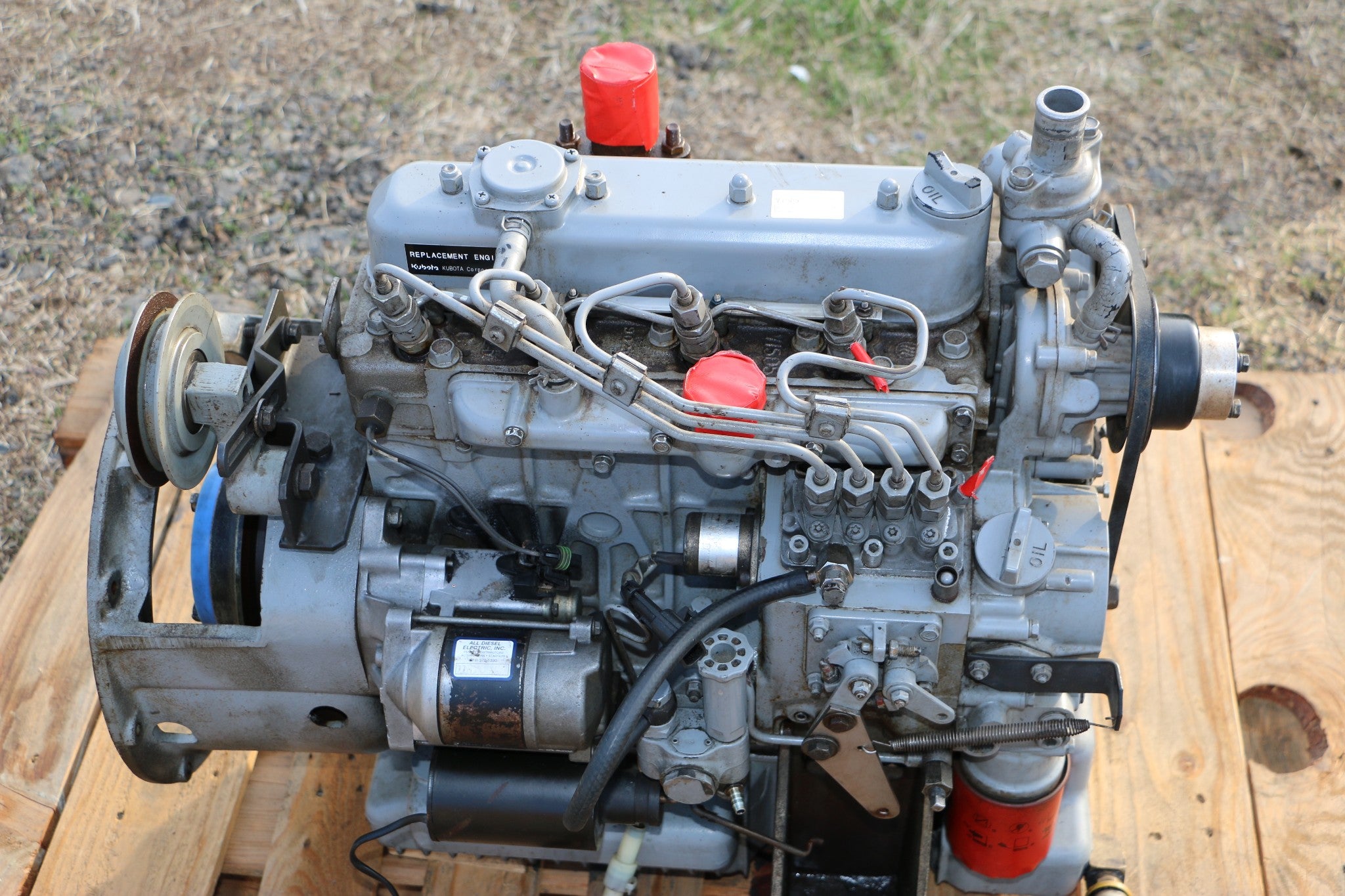
The Kubota V1505 is a popular four-cylinder, liquid-cooled diesel engine known for its reliability and wide range of applications. You will find this engine in small tractors, skid steers, mini excavators, generators, pumps, and even some industrial machines. With a displacement of 1.
498 liters (about 1. 5 liters), the V1505 produces between 24 and 33 horsepower, depending on the model and application.
Why does oil capacity matter? The right oil level ensures every moving part stays lubricated, prevents overheating, and reduces wear and tear. Too little oil can cause damage, while too much can create pressure and leaks. That’s why knowing the exact oil capacity and how to maintain it is crucial.
Kubota V1505 Oil Capacity: The Numbers
Let’s get straight to the key facts.
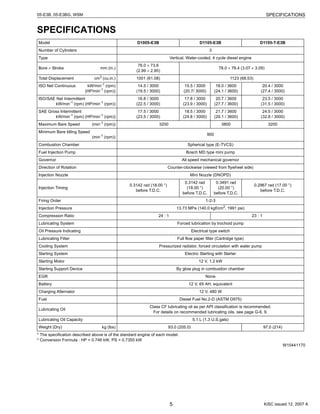
- Standard oil capacity (with filter): 5.1 liters (about 5.4 US quarts)
- Standard oil capacity (without filter change): 4.7 liters (about 5.0 US quarts)
These numbers apply to most V1505 engines used in tractors, generators, and industrial equipment. If your engine is in a machine with a special oil pan or different installation, always check your owner’s manual or the manufacturer’s plate for the most accurate info.
Why The Oil Filter Affects Capacity
When you change the oil filter, it holds some oil inside. If you skip the filter, less oil drains out and less needs to go back in. Always factor in the filter when measuring capacity for a complete oil change.
Tip: Double-check The Dipstick
After refilling with new oil, always check the dipstick for the correct level. Sometimes, slight differences in engine design or installation angle can affect the reading.
Choosing The Right Oil For Kubota V1505
Not all oils are equal. Using the right oil helps your V1505 engine run cooler, resist wear, and avoid deposits or sludge.
Recommended Oil Type
Kubota recommends SAE 10W-30 or 15W-40 engine oil for most operating conditions. These oils work well in a wide temperature range and provide good protection.
- SAE 10W-30: Good for colder climates or year-round use.
- SAE 15W-40: Better for warmer climates, heavy use, or commercial applications.
Always use API classification CD, CE, CF, or higher. Avoid oils meant only for gasoline engines, as they may lack the additives needed for diesel engines like the V1505.
Synthetic Vs. Conventional Oil
- Conventional oil: Cheaper and works well for most users. Needs more frequent changes, especially under heavy use.
- Synthetic oil: Costs more, but offers better protection in extreme temperatures, lasts longer, and resists breakdown.
If your V1505 operates in very cold or hot conditions, or you want longer intervals between oil changes, synthetic oil can be worth the investment.
Non-obvious Insight: Oil Brand Consistency
Switching oil brands is usually safe if they meet the right specs, but mixing different oil types (like mineral and synthetic) can sometimes cause foaming or reduced lubrication. Stick with the same brand and type whenever possible to avoid surprises.
Oil Additives: Helpful Or Not?
Many products claim to boost engine life or clean your engine. For the V1505, using extra additives is not necessary if you use high-quality oil. Additives can sometimes react badly with your oil or clog the filter. Only use additives if recommended by Kubota or a trusted mechanic.
Step-by-step: How To Change Oil In Your Kubota V1505
Changing the oil is a simple job for most owners. Doing it right saves money and prevents engine problems. Here’s how to do it safely and correctly.
Tools And Materials Needed
- Correct amount of engine oil (see earlier: 5.1 liters with filter)
- New oil filter (recommended)
- Oil drain pan (at least 6 liters capacity)
- Funnel
- Gloves and rags
- Wrench set (for drain plug and filter)
- Safety glasses (optional, but smart)
Oil Change Steps
- Warm up the engine: Run the engine for 5–10 minutes. Warm oil drains faster and removes more sludge. Turn off the engine before working.
- Open the hood and find the drain plug: Place your oil pan under the drain plug at the bottom of the engine oil pan.
- Remove the drain plug: Use a wrench to loosen the plug. Be careful—oil may be hot. Allow all oil to drain out. This can take several minutes.
- Remove the oil filter: Use an oil filter wrench if needed. Some oil will drip out, so keep the pan underneath. Wipe the filter mounting surface clean.
- Install the new oil filter: Lightly coat the new filter’s gasket with clean oil. Screw it on by hand until it’s snug, then tighten a little more (about ¾ turn). Do not over-tighten.
- Replace the drain plug: Once all oil has drained, clean the plug and replace the washer or gasket if worn. Reinstall and tighten firmly, but do not strip the threads.
- Add new oil: Place a funnel into the fill hole. Pour in about 5 liters of the correct oil (see earlier). Add more slowly if needed.
- Check the oil level: Wait a few minutes, then pull out the dipstick. Wipe it, re-insert, and check again. The level should be between the low and full marks. Add more oil if needed.
- Run the engine and check for leaks: Start the engine and let it run for a few minutes. Check around the oil filter and drain plug for leaks. Turn off the engine, wait a few minutes, and recheck the oil level. Add oil if needed.
Disposal
Never pour old oil down the drain or on the ground. Take used oil and filters to a recycling center or an auto parts store that accepts them.
Non-obvious Insight: Double Oil Change For Old Engines
If your V1505 has not had regular oil changes, consider doing two quick changes back-to-back. The first removes most old oil and sludge, the second ensures clean oil throughout the engine.
How Often Should You Change The Oil?
Changing oil at the right time is critical. For the Kubota V1505, the typical recommendation is:
- Every 100–150 hours of use or every 6 months, whichever comes first.
If you use your equipment in dusty, hot, or very cold conditions, change the oil more often. Stop-and-go use or heavy loads also mean more frequent changes.
Insight: Short Trips Are Harder On Oil
If your V1505 runs for only a few minutes at a time (like starting and stopping often), the oil may not get hot enough to burn off moisture. This can lead to sludge and faster oil breakdown. In these cases, change oil more often, even if you haven’t reached the hour limit.
Signs Your V1505 Needs An Oil Change
Don’t just rely on the calendar or hour meter. Watch for these warning signs:
- Oil looks dirty or black on the dipstick
- Oil feels gritty or has particles
- Engine runs hotter than normal
- Louder engine noise or knocking
- Oil pressure warning light turns on
If you notice any of these, change the oil as soon as possible.

Oil Capacity Variations And Special Cases
While the standard Kubota V1505 oil capacity is 5.1 liters (with filter), there are a few situations where the capacity may be different:
1. Equipment Modifications
Some manufacturers install the V1505 in machines with larger or smaller oil pans. Always check the machine’s manual, not just the engine manual, for the correct oil amount.
2. Engine Angle
If your V1505 is mounted at a tilt (common in some generators or pumps), the oil may not settle evenly. This affects the dipstick reading and could change the amount needed for a full fill.
3. After A Major Overhaul
If your engine has been rebuilt or had internal work, ask your mechanic if the oil capacity has changed. Sometimes, new parts or changes to the oil system can increase or decrease the needed amount.
What Happens If You Overfill Or Underfill Oil?
Getting the oil level right is more important than many people think.
Too Much Oil
If you add too much oil, the crankshaft can whip the oil into foam. Foamy oil does not lubricate well. This can cause:
- Increased oil consumption (burning oil)
- Leaks from seals and gaskets
- Smoke from the exhaust
- Lower performance or engine damage
Too Little Oil
Too little oil means not enough lubrication. This can lead to:
- Overheating
- Metal parts wearing out or seizing
- Engine knocking or total failure
What To Do If You Overfill
If you accidentally add too much, drain a little oil out using the drain plug, or use a small pump to remove oil through the dipstick tube.
Common Mistakes Beginners Make
Even careful owners can make mistakes. Here are some to avoid:
- Not changing the filter: Always change the oil filter with the oil. Old filters can clog quickly and limit oil flow.
- Forgetting to check the dipstick after filling: Always check the level after adding oil and after running the engine for a few minutes.
- Using the wrong oil type: Diesel engines need specific oil with the right additives. Don’t use oil only meant for gasoline engines.
- Over-tightening the drain plug or filter: This can strip threads or crush gaskets, leading to leaks.
- Using old or contaminated oil: Never reuse old oil, even if it looks clean.
Troubleshooting Oil-related Problems
Sometimes, even after a fresh oil change, issues can appear. Here are common oil-related problems in the Kubota V1505, how to spot them, and what to do.
Low Oil Pressure Warning
Signs: Warning light on dashboard, engine runs rough, ticking or knocking sounds.
Possible Causes:
- Low oil level
- Clogged oil filter
- Old, dirty oil
- Faulty oil pressure sensor
What to Do:
- Check and top up oil if needed.
- Replace oil and filter if not done recently.
- If problem continues, see a mechanic.
Oil Leaks
Signs: Oil spots under machine, wet engine surfaces, low oil on dipstick.
Possible Causes:
- Loose or damaged drain plug
- Faulty oil filter seal
- Worn gaskets or seals
What to Do:
- Tighten drain plug and filter.
- Replace gaskets or seals as needed.
- Clean engine and monitor for fresh leaks.
Oil Looks Milky Or Foamy
Signs: Oil on dipstick or inside oil fill cap appears creamy or bubbly.
Possible Causes:
- Water or coolant mixing with oil (head gasket leak, cracked engine block)
- Overfilled oil causing foaming
What to Do:
- Drain oil and inspect for coolant leaks.
- Fix leaks before refilling with new oil.
- If unsure, get a mechanic’s help.
Oil Smells Burnt
Signs: Strong burnt odor from dipstick or oil fill cap.
Possible Causes:
- Overheating engine
- Old oil breaking down
- Running with too little oil
What to Do:
- Change oil and filter.
- Check cooling system.
- Make sure oil level is correct.
Expert Maintenance Tips For Long Engine Life
Experienced Kubota owners and mechanics know a few tricks for keeping the V1505 running strong:
- Use only high-quality oil filters (OEM or trusted brands). Cheap filters can let debris through or restrict oil flow.
- Keep the engine clean. Dirt and dust can get into oil during changes or through worn seals.
- Store oil and filters in a dry, cool place. Old or contaminated oil can damage your engine.
- Keep records of oil changes, including date, hours, and type of oil used. This helps with warranty claims and resale value.
- Check oil level before every use, especially if you use your equipment rarely or in tough conditions.
Advanced Insight: Oil Sampling
Some professionals take small samples of used oil and send them to a lab for analysis. This can reveal hidden problems like coolant leaks, fuel contamination, or early engine wear—before you see symptoms. While not needed for everyone, oil analysis is a smart move for fleet owners or anyone relying on their Kubota for business.
Frequently Asked Questions
Can I use automotive oil in my Kubota V1505?
No, always use diesel-rated oil (API CD, CE, CF, or higher). Automotive oil lacks the additives diesel engines need.
How do I know if the oil is at the right level?
Use the dipstick. The oil should be between the low and full marks. Check after the engine has been off for a few minutes and is on level ground.
What happens if I use the wrong oil viscosity?
If the oil is too thin (low viscosity), it may not protect the engine at high temperatures. If too thick, it can make starting harder in cold weather and reduce flow to key parts.
Is synthetic oil safe for older V1505 engines?
Yes, but make sure the engine is in good condition with no leaks. Synthetic oil can sometimes clean out old deposits, causing leaks in worn seals.
Can I change the oil less often if I use synthetic?
Synthetic oil lasts longer, but always follow Kubota’s recommendations or your equipment manual for change intervals.
For more technical details and updates, you can visit the official Kubota engine documentation.
Final Thoughts
Proper oil maintenance is one of the simplest and most effective ways to protect your Kubota V1505 engine. Knowing the correct oil capacity, choosing the right oil, and following good maintenance habits will keep your engine running smoothly for years.
Don’t cut corners—oil is cheap compared to engine repairs. By following the steps and tips in this guide, you’ll avoid common mistakes and ensure your Kubota V1505 stays reliable, powerful, and ready for any job.
If you have specific questions about your equipment or unique installation, always refer to the owner’s manual or consult a qualified mechanic. With regular care, your Kubota V1505 can easily outlast your expectations.