
The Kawasaki KLX 140 is a popular trail motorcycle known for its reliable performance, friendly handling, and easy maintenance. For new riders and experienced off-road enthusiasts, proper care is essential to keep this bike running smoothly. One of the most important aspects of maintenance is knowing the correct KLX 140 oil capacity and understanding how oil choice and change intervals affect the bike’s engine health.
If you’re unsure about how much oil your KLX 140 needs, what type is best, or how to change it correctly, you’re not alone. Many owners, especially beginners, make simple mistakes that can lead to engine problems. This guide will walk you through every detail about the KLX 140’s oil capacity, types, change procedures, tips, and the answers to common questions.
You’ll also find a breakdown of 140 specific points covering every aspect of oil capacity and related topics, so you never have to guess or risk your bike’s performance.
Whether you want to do your own oil changes or just want to understand your motorcycle better, this article will give you all the knowledge you need in simple, clear English.
Understanding Klx 140 Oil Capacity
1. Standard Oil Capacity
The KLX 140 oil capacity is 1.0 liter (1.06 US quarts) when changing the oil without replacing the oil filter. If you replace the oil filter as well, the capacity is slightly higher: 1.1 liters (1.16 US quarts). Always check your owner’s manual for confirmation.
2. Engine Oil Type
Use high-quality 4-stroke motorcycle engine oil with a viscosity rating of 10W-40. This is ideal for most climates and ensures the best engine protection.
3. Oil Change Interval
Change your oil every 600 miles (1,000 kilometers) or every 6 months, whichever comes first. If you ride in dusty or wet conditions, change it more often.
4. Oil Filter Replacement
Replace the oil filter with every other oil change. Using a clean filter ensures your engine stays free of dirt and debris.
5. Importance Of Correct Oil Level
Too much or too little oil can damage your engine. Always use the correct amount and check the oil level with the sight glass.
6. Oil Sight Glass
The KLX 140 has a sight glass on the right side of the engine. Check oil level with the bike upright, not on the side stand.
7. Draining Old Oil
Warm up the engine before draining oil. Warm oil flows out more easily and removes more contaminants.
8. Oil Drain Bolt Location
Find the oil drain bolt on the bottom of the engine case. Use a socket wrench to remove it.
9. Crush Washer
Replace the crush washer on the drain bolt every few oil changes. This prevents oil leaks.
10. Using A Funnel
A funnel helps pour new oil cleanly into the engine, avoiding spills.
11. Oil Filler Cap
The oil filler cap is located on the right side of the engine. Remove it to add new oil.
12. Engine Flushing
Not required every oil change, but flushing with a small amount of fresh oil can remove extra dirt if the oil is very dirty.
13. Oil Filter Cover Bolts
Remove the cover bolts carefully to avoid stripping the threads.
14. Gasket Check
Check the oil filter cover gasket for cracks or damage. Replace if necessary to prevent leaks.
15. Measuring Old Oil
Measure the amount of old oil you drain out. If it’s much less than 1 liter, check for leaks or burning oil.
16. Oil Pan Placement
Place an oil pan directly under the drain bolt to catch all old oil.
17. Oil Disposal
Dispose of old oil at a recycling center. Never pour oil down a drain or onto the ground.
18. Oil Change Record
Keep a log of oil changes with dates and mileage. This helps you stick to a good maintenance schedule.
19. Engine Break-in Oil
For new KLX 140s, the first oil change is at 10-20 hours of riding or 200 km (125 miles). This removes break-in metal particles.
20. Synthetic Vs. Mineral Oil
Synthetic oil can offer better high-temperature protection. Mineral oil is cheaper and works well for normal trail riding.
21. Viscosity And Temperature
Use 10W-40 for most climates. In very cold weather (below freezing), 10W-30 can be used.
22. Oil Brands
Choose reputable brands like Motul, Castrol, Shell, or Honda for consistent quality.
23. Oil Filter Types
KLX 140 uses a replaceable paper element oil filter. Do not reuse old filters.
24. Oil Filter Orientation
Install the new oil filter in the correct direction. The rubber seal usually faces outward.
25. Oil Filter Spring
Don’t lose the small spring behind the oil filter. It keeps the filter tight against the engine.
26. Checking For Leaks
After changing oil, run the engine for a minute and check for leaks around the drain bolt and filter cover.
27. Sight Glass Reading
The oil should be between the upper and lower marks in the sight glass when the bike is upright.
28. Overfilling
Do not fill above the upper mark. Overfilling can cause foaming and engine damage.
29. Underfilling
Do not let the oil drop below the lower mark. Low oil can cause engine seizure.
30. Adding Oil In Small Amounts
Add oil slowly and check the level frequently to avoid overfilling.
31. Using Measuring Cups
A kitchen measuring cup can help pour exactly 1. 0 or 1. 1 liters of oil.
32. Oil Color
New oil is golden brown. Dark or black oil means it’s time to change.
33. Oil Smell
Burnt smelling oil can signal engine overheating or old oil.
34. Oil Consistency
Gritty or chunky oil means possible engine damage. Change oil and inspect engine.
35. Oil Change Tools
Basic tools: socket wrench, funnel, oil pan, gloves, clean rags.
36. Clean Work Area
Work in a clean, dust-free area to avoid dirt entering the engine.
37. Oil Change Time
A full oil change takes about 30-45 minutes for beginners.
38. Warm Up Engine
Let the engine run for 2-3 minutes before draining oil.
39. Proper Disposal Containers
Use a sealed container for transporting used oil to a recycling center.
40. Checking Oil After First Ride
After your first ride post-oil change, check the oil level again. Sometimes air bubbles settle and the level drops.
41. Oil Filter Torque
Tighten oil filter cover bolts to the correct torque: usually 7 Nm (5 ft-lbs).
42. Drain Bolt Torque
The drain bolt should be tightened to 18 Nm (13 ft-lbs). Over-tightening can strip threads.
43. Cleaning Oil Filler Cap
Wipe the cap clean before reinstalling to avoid contaminating new oil.
44. O-ring Inspection
Check O-rings on the oil filter cover and drain bolt. Replace if cracked or flattened.
45. Oil Change Frequency In Dusty Areas
If you ride in sand or dust, change oil every 300 miles (500 km).
46. Oil Change Frequency In Wet Areas
Frequent water crossings? Oil can get milky – change it more often to prevent engine damage.
47. Oil Additives
Avoid oil additives; they can harm clutch performance in wet-clutch motorcycles.
48. Wet Clutch Compatibility
Always use JASO MA or MA2 rated oil for wet clutch compatibility.
49. Oil Level Check Frequency
Check oil every 2-3 rides, especially before long trips.
50. Oil For Racing
Racing puts more stress on the engine. Use high-performance oil and change it every 2-3 rides.
51. Oil For Low Temperatures
If you ride in freezing weather, use oil rated for low temperatures like 5W-30.
52. Oil For High Temperatures
For hot climates, 10W-40 or even 15W-50 is suitable.
53. Aftermarket Oil Filters
Some aftermarket filters may not fit well or filter as well as OEM. Use trusted brands.
54. Oil Drain Plug Magnet
A magnetic drain plug can trap metal particles and alert you to engine wear.
55. Oil Filter Inspection
Cut open the old filter to check for metal shavings, which can indicate internal engine problems.
56. Oil Change By Mileage Vs. Hours
If you don’t have an odometer, use engine hours: change oil every 20 hours.
57. Oil Level On Side Stand
Never check oil with the bike on its side stand—results will be inaccurate.
58. Oil Spillage Cleanup
Wipe up any spilled oil immediately to avoid slipping hazards.
59. Engine Noise And Oil
Louder engine noise can mean low oil or old oil. Check and change as needed.
60. Foam In Oil
Foamy oil signals overfilling or water contamination.
61. Oil Dipstick
KLX 140 does not have a dipstick; use the sight glass for checking oil.
62. Running Without Oil
Never run the engine without oil, even for a few seconds. This causes major damage.
63. Oil Change In Field
Carry a small bottle of oil and basic tools for emergency oil top-ups on long rides.
64. Oil And Engine Warranty
Using incorrect oil or missing oil changes can void your engine warranty.
65. Oil Filter Gasket Sticking
Sometimes the old gasket sticks to the engine. Remove it to avoid double-gasketing.
66. Oil For Break-in Period
Use non-synthetic oil for the first 500 km (300 miles) to help engine parts wear in.
67. Synthetic Oil Benefits
Synthetic oil lasts longer and protects better under hard riding.
68. Conventional Oil Benefits
Conventional oil is cheaper and works well for casual use.
69. Changing Oil Without Filter
It’s okay to change oil without replacing the filter, but don’t skip the filter more than twice in a row.
70. Oil Filter Cost
OEM oil filters cost about $5-$10 each.
71. Oil Cost
A liter of quality 10W-40 oil costs $8-$15.
72. Engine Running When Checking Oil
Always turn off the engine and let it sit for a minute before checking the oil level.
73. Oil Change And Engine Overheating
If your engine is running hot, check for low or dirty oil.
74. Oil And Engine Life
Regular oil changes can double the life of your engine.
75. Oil And Fuel Economy
Fresh oil can slightly improve fuel economy by reducing friction.
76. Oil And Power
Clean oil helps your engine run smoother and deliver more power.
77. Oil And Emissions
Dirty oil increases engine emissions and pollution.
78. Oil Change And Clutch Feel
Old or wrong oil can make the clutch slip or feel rough.
79. Oil And Transmission
The KLX 140 shares engine oil with the transmission. Use oil that supports both.
80. Oil For Older Klx 140s
Older engines may benefit from slightly thicker oil like 15W-40.
81. Topping Up Oil
If the oil level is low but not dirty, topping up is okay. But always change oil on schedule.
82. Oil Filter Cross-reference
Many brands make compatible filters. Check compatibility before buying.
83. Oil Change In Rain
Never change oil outdoors in the rain—water can get into the engine.
84. Oil Change And Battery
No need to disconnect the battery for an oil change.
85. Oil Filter Torque Sequence
Tighten cover bolts in a crisscross pattern for even pressure.
86. Oil Filter Bolt Sizes
KLX 140 oil filter cover uses 8mm bolts.
87. Oil Drain Bolt Size
The drain bolt is 17mm.
88. Oil Filter Cover Gasket Reuse
You can reuse the gasket if it’s in good condition, but always inspect it first.
89. Oil Change Stand
A bike stand makes oil changes easier and safer.
90. Oil For Hard Riding
Aggressive riding heats oil faster; change more frequently.
91. Oil For Light Use
If you only ride short, easy trails, the standard interval is fine.
92. Oil And Engine Cleaning
Frequent oil changes help keep the engine clean inside.
93. Oil Drain Bolt Thread Repair
If threads strip, use a thread repair kit or see a mechanic.
94. Oil For Modified Engines
If you upgrade your KLX 140, use high-quality synthetic oil.
95. Oil For High Altitude
No special oil is needed for high altitude.
96. Oil Change And Air Filter
Change oil and clean the air filter together for best results.
97. Oil Change And Spark Plug
Check spark plug condition during oil changes.
98. Oil For Storage
If storing the bike for months, change oil first to prevent acid buildup.
99. Oil Change After Water Crossing
If water gets in the engine (milky oil), change oil immediately.
100. Oil Filter Inspection For Water
Check for milky residue in the filter after deep water rides.
101. Oil For Learning Riders
Beginner riders may drop the bike often; check oil for leaks after falls.
102. Oil Change And Owner’s Manual
Always follow the owner’s manual for exact instructions.
103. Oil For Klx 140 Variants
KLX 140L and KLX 140G models use the same oil capacity.
104. Oil Sump Design
KLX 140 uses a wet sump system; oil is stored in the engine, not a separate tank.
105. Oil Filter Location
Located on the right side, behind a small round cover.
106. Oil Change And Warranty Records
Keep receipts and records for warranty claims.
107. Oil Level And Engine Ticking
Low oil can cause ticking sounds from the engine.
108. Oil Change And Engine Performance
Noticeable improvement in shifting smoothness after an oil change.
109. Oil Filter Cap Torque
Check the owner’s manual for the exact spec; usually 7 Nm.
110. Oil And Sludge
Neglected oil changes cause sludge, which blocks oil flow and damages engine.
111. Oil Drain Bolt Replacement
Replace the drain bolt if it becomes rounded or damaged.
112. Oil Change And Riding Style
Aggressive riders should change oil more often.
113. Oil And Engine Breakdowns
Running out of oil is a leading cause of engine failure.
114. Oil Leak Detection
Check for drips under the bike after each ride.
115. Oil Change And Chain Maintenance
Do chain maintenance together to save time.
116. Oil Change And Valve Adjustment
Check valve clearances every few oil changes.
117. Oil Level And Hard Starts
Low oil can make the engine harder to start.
118. Oil Change For Used Bikes
Change oil immediately when buying a used KLX 140.
119. Oil And Engine Cleaners
Avoid engine flushes—frequent oil changes are safer.
120. Oil Change Reminder
Set a phone reminder for your next oil change.
121. Oil For Trail Vs. Track
Track riding is harder on oil—change more often.
122. Oil Filter Sealing
Ensure the filter is properly seated for a good seal.
123. Oil Change And Gasket Maker
Never use liquid gasket on oil filter covers—use a real gasket.
124. Oil Change And Engine Wash
Never wash the engine before an oil change; dirt can enter open areas.
125. Oil And Engine Diagnostics
If you find metal in the oil, see a mechanic.
126. Oil Change And Tools
Keep a dedicated set of tools for oil changes to avoid contamination.
127. Oil Capacity And Engine Size
KLX 140’s small engine means oil capacity is lower than full-size bikes.
128. Oil Filter Clogging
A clogged filter can starve the engine of oil—change regularly.
129. Oil For Short Trips
Short trips can cause oil contamination due to condensation; change oil as scheduled.
130. Oil For Hot Starts
Good oil helps the engine start easily when hot.
131. Oil Drain Bolt Washer Material
Use aluminum or copper crush washers for best sealing.
132. Oil Filter Cover Alignment
Align cover tabs correctly to avoid pinching the gasket.
133. Oil Cap Tightening
Do not overtighten the oil filler cap; hand tight is enough.
134. Oil And Engine Burn-off
Some oil loss is normal, especially for new engines.
135. Oil Change After Engine Overhaul
Change oil after first 30 minutes of running a rebuilt engine.
136. Oil Level And Engine Over-rev
Low oil increases the risk of damage during high RPMs.
137. Oil Change And Engine Break-in Debris
Early oil changes remove metal particles from break-in.
138. Oil For Two-stroke Engines
KLX 140 is a four-stroke; never use two-stroke oil.
139. Oil Change For Beginners
Watch tutorials, read the manual, and take your time.
140. Oil Capacity Label
Write the oil capacity on a sticker and place it near your workbench for quick reference.
Practical Data Table: Oil Types And Capacities
Here’s a comparison of recommended oil types and their capacities for different KLX 140 models:
| Model | Oil Capacity (No Filter Change) | Oil Capacity (With Filter Change) | Recommended Oil Type |
|---|---|---|---|
| KLX 140 | 1.0 L | 1.1 L | 10W-40 (JASO MA) |
| KLX 140L | 1.0 L | 1.1 L | 10W-40 (JASO MA) |
| KLX 140G | 1.0 L | 1.1 L | 10W-40 (JASO MA) |
Klx 140 Oil Change Steps
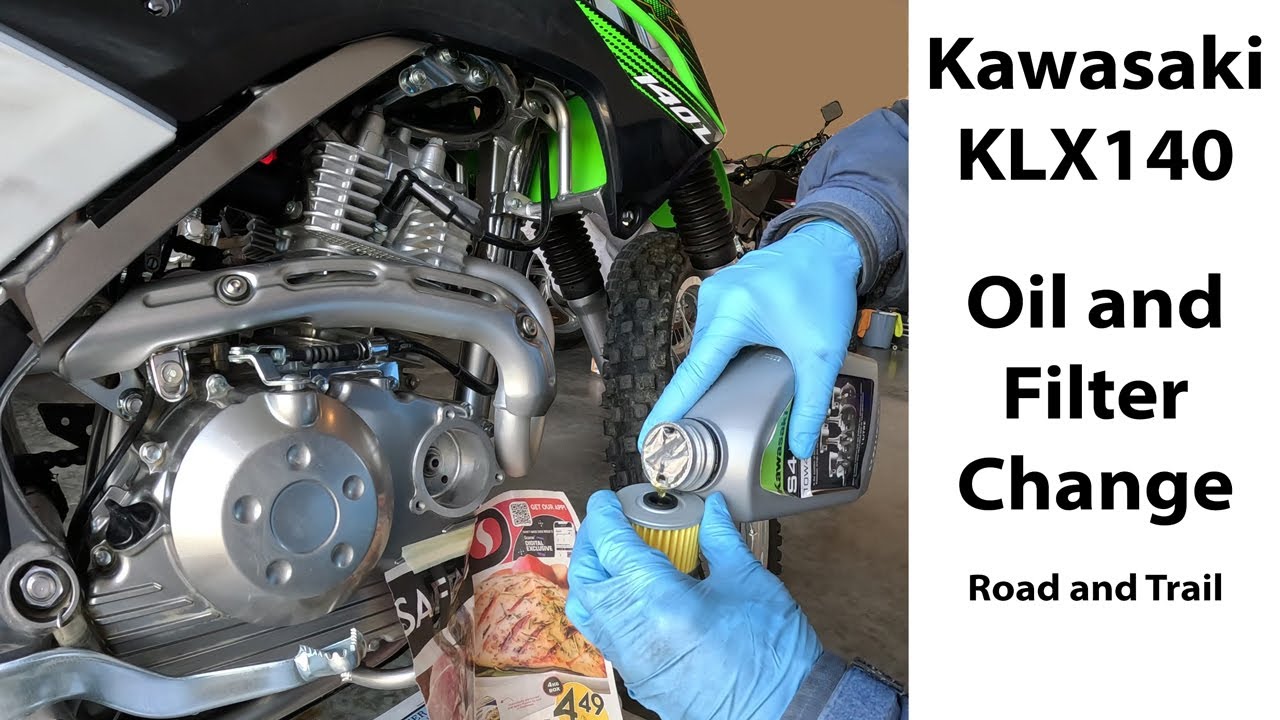
Changing the oil on your KLX 140 is a simple task if you follow the right steps:
- Warm up the engine for 2-3 minutes.
- Place the bike upright on a level surface.
- Put an oil pan under the drain bolt.
- Remove the drain bolt and allow oil to drain.
- Remove the oil filter cover and take out the old filter.
- Check and replace the gasket and crush washer if needed.
- Install a new oil filter (correct orientation).
- Reinstall the filter cover and drain bolt, tightening to the correct torque.
- Pour in 1.0-1.1 liters of fresh oil.
- Check the oil level in the sight glass (bike upright).
- Start the engine, let it run for a minute, then recheck the level. Add oil if needed.
Oil Change Costs Comparison
Here’s a breakdown of typical costs for a KLX 140 oil change:
| Item | Average Cost (USD) |
|---|---|
| 1 Liter 10W-40 Oil | $10 |
| Oil Filter | $8 |
| Crush Washer | $1 |
| Professional Labor | $30 |
DIY oil changes can save you about $30 each time and give you more control over your bike’s maintenance.
Common Mistakes To Avoid
- Overfilling: Leads to foaming, leaks, and engine wear.
- Underfilling: Causes overheating and engine seizure.
- Using wrong oil type: Can harm the clutch and transmission.
- Skipping filter changes: Reduces oil flow and engine protection.
- Not checking for leaks: Small leaks can drain oil quickly.
- Ignoring oil change intervals: Old oil loses its protective qualities.
Two Key Insights Beginners Miss
- KLX 140 oil capacity is slightly different if you change the filter or not. Many riders assume it’s always 1 liter. Remember: 1.0L without filter, 1.1L with filter.
- The sight glass can be misleading if the bike is not perfectly upright. Even a small lean can show a low oil level. Always check with the bike vertical.
Real-world Example
A new rider notices their KLX 140 is making more noise after several long rides. They check the oil and see it’s below the sight glass. After topping up and changing the oil, the noise goes away, and the engine feels smoother.
This shows the importance of regular oil checks and using the correct oil capacity.
When To Seek Professional Help
- If you see metal flakes in the oil or filter, get a mechanic’s opinion.
- If you notice persistent leaks after an oil change, check gaskets or seek help.
- If the oil is milky, water may have entered the engine—change oil and get a checkup.
Further Reading
For more technical information, visit the official Kawasaki KLX 140 page on Kawasaki’s website.
Frequently Asked Questions
How Much Oil Does A Klx 140 Take?
The KLX 140 oil capacity is 1.0 liter (1.06 US quarts) for a standard oil change. If you change the oil filter as well, use 1.1 liters (1.16 US quarts).
Can I Use Car Engine Oil In My Klx 140?
No, always use motorcycle-specific 4-stroke oil. Car oils can harm the clutch and transmission, especially if they lack JASO MA/MA2 certification.
How Often Should I Change The Oil In My Klx 140?
Change the oil every 600 miles (1,000 km) or every 6 months. If you ride in dusty or wet conditions, change it more often.
What Happens If I Overfill The Oil?
Overfilling can cause foaming, leaks, and engine wear. Always fill to the middle of the sight glass, not above the upper mark.
Does The Oil Filter Need To Be Changed Every Time?
Change the oil filter every other oil change, or whenever it looks dirty or clogged. A clean filter helps keep your engine protected.
Taking care of your KLX 140’s oil needs is simple but very important. With the right oil, regular changes, and careful attention to capacity, you’ll enjoy smooth, reliable rides for years. Always follow your manual, double-check your work, and enjoy the confidence that comes from a well-maintained bike.