
The Nissan Sentra 1.8 has become a favorite for drivers who want a reliable and affordable compact car. One important part of keeping this vehicle in good shape is regular oil changes. But many owners are not sure about the right oil capacity for the Nissan Sentra 1.8. Using the correct amount of oil is more important than some people think—it protects your engine, improves performance, and can even help the car last longer. If you add too much or too little oil, it can cause serious problems.
This guide will help you understand everything about the Nissan Sentra 1.8 oil capacity. You will learn not only the exact numbers but also why these details matter, how oil capacity affects your car, and what mistakes to avoid. Whether you want to change the oil yourself or just be a smarter car owner, this article will cover all the information you need. Along the way, you’ll find clear explanations, real-world tips, and answers to questions that most beginners miss.
Understanding Oil Capacity: Why It Matters
Engine oil is the lifeblood of your Nissan Sentra’s engine. It does more than just lubricate moving parts; it also cools, cleans, and protects the engine from wear. Oil capacity is the total amount of oil your engine needs for safe and effective operation.
Getting the oil capacity right is essential for several reasons:
- Engine protection: Too little oil can’t protect all engine parts. This leads to overheating and more friction.
- Performance: The right oil level keeps everything running smoothly.
- Avoiding damage: Too much oil can build pressure and cause leaks or damage seals.
Even a small mistake with oil capacity can lead to expensive engine repairs. Many beginners think “more oil is better,” but this is not true. Always follow the manufacturer’s recommendation.
Nissan Sentra 1.8 Oil Capacity: The Key Numbers
The Nissan Sentra has gone through many changes over the years, but the 1.8-liter engine is one of the most popular. Here are the essential numbers you need to know:
- With oil filter change: 4.2 quarts (4.0 liters)
- Without oil filter change: About 3.9 quarts (3.7 liters)
Most oil changes include replacing the oil filter, so the typical oil capacity is 4.2 quarts (4.0 liters). Always check your owner’s manual or the oil cap for confirmation.
Oil Capacity By Model Year
The 1.8L engine has been used in different generations of the Nissan Sentra. Let’s look at the specific oil capacity for the most common model years:
| Model Year | Engine Type | Oil Capacity (with filter) |
|---|---|---|
| 2013–2019 | 1.8L MRA8DE | 4.2 quarts (4.0 L) |
| 2007–2012 | 1.8L MR18DE | 4.2 quarts (4.0 L) |
| 2000–2006 | 1.8L QG18DE | 4.2 quarts (4.0 L) |
Some early 2000s Sentra models used a slightly different engine, but the oil capacity remains almost the same. Always check your specific model if you have a rare trim.
8 Essential Items You Must Know About Nissan Sentra 1.8 Oil Capacity
Car owners often think oil capacity is a single number, but there are several details you should know. Here are the 8 most important items:
1. Exact Oil Capacity For Your Model Year
The exact oil capacity can vary slightly depending on the year and engine type. For the vast majority of Nissan Sentra 1.8 vehicles (from 2000 to 2019), the number is 4.2 quarts (4.0 liters) with a new oil filter. If you skip changing the filter (not recommended), use about 3.9 quarts (3.7 liters).
Why does the filter matter? When you change the filter, a small amount of oil remains trapped in the old filter. Installing a new one means you need a little extra oil to fill it. If you are ever in doubt, always check the dipstick after filling, and add oil slowly.
Non-obvious insight: Some owners overfill by adding a full 5-quart jug, not realizing this can damage the engine. Always measure and check.
2. Oil Viscosity And Type Recommendations
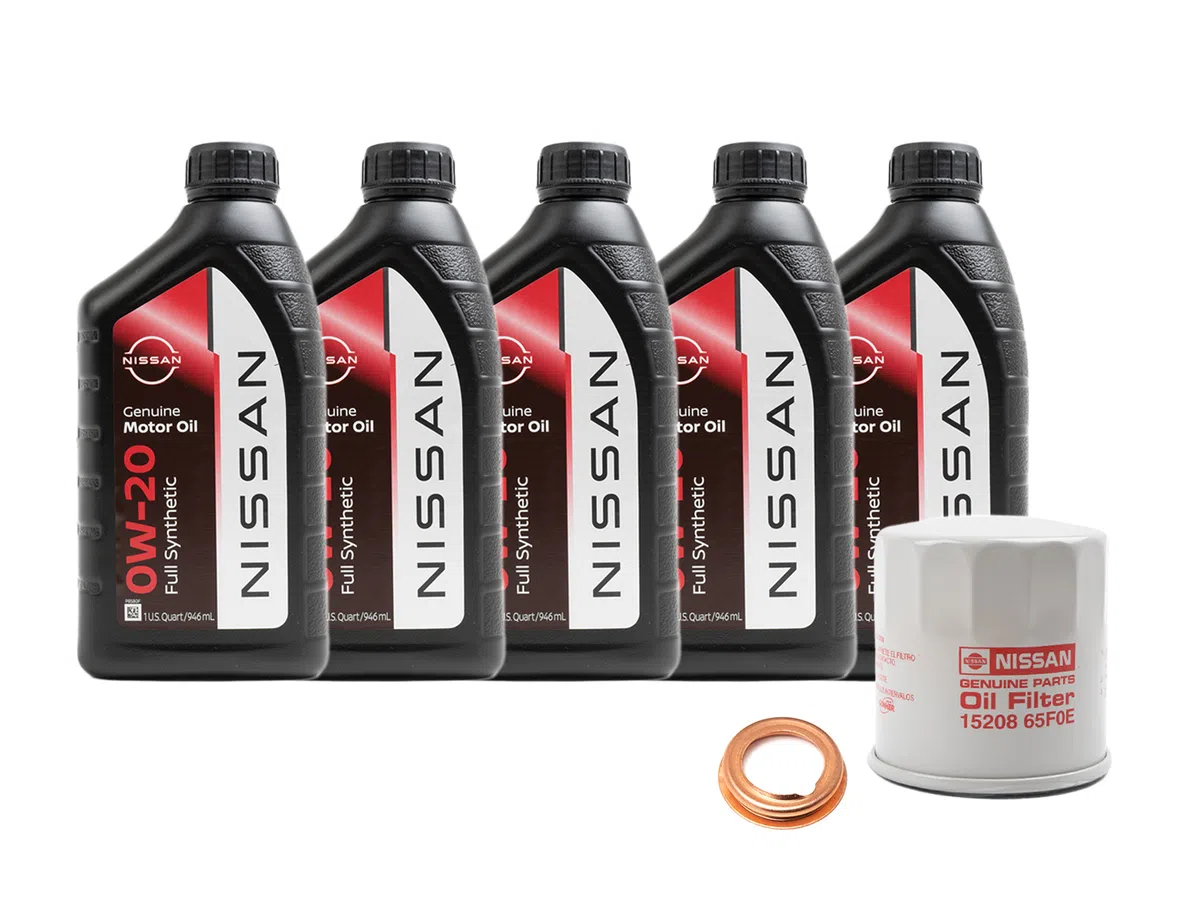
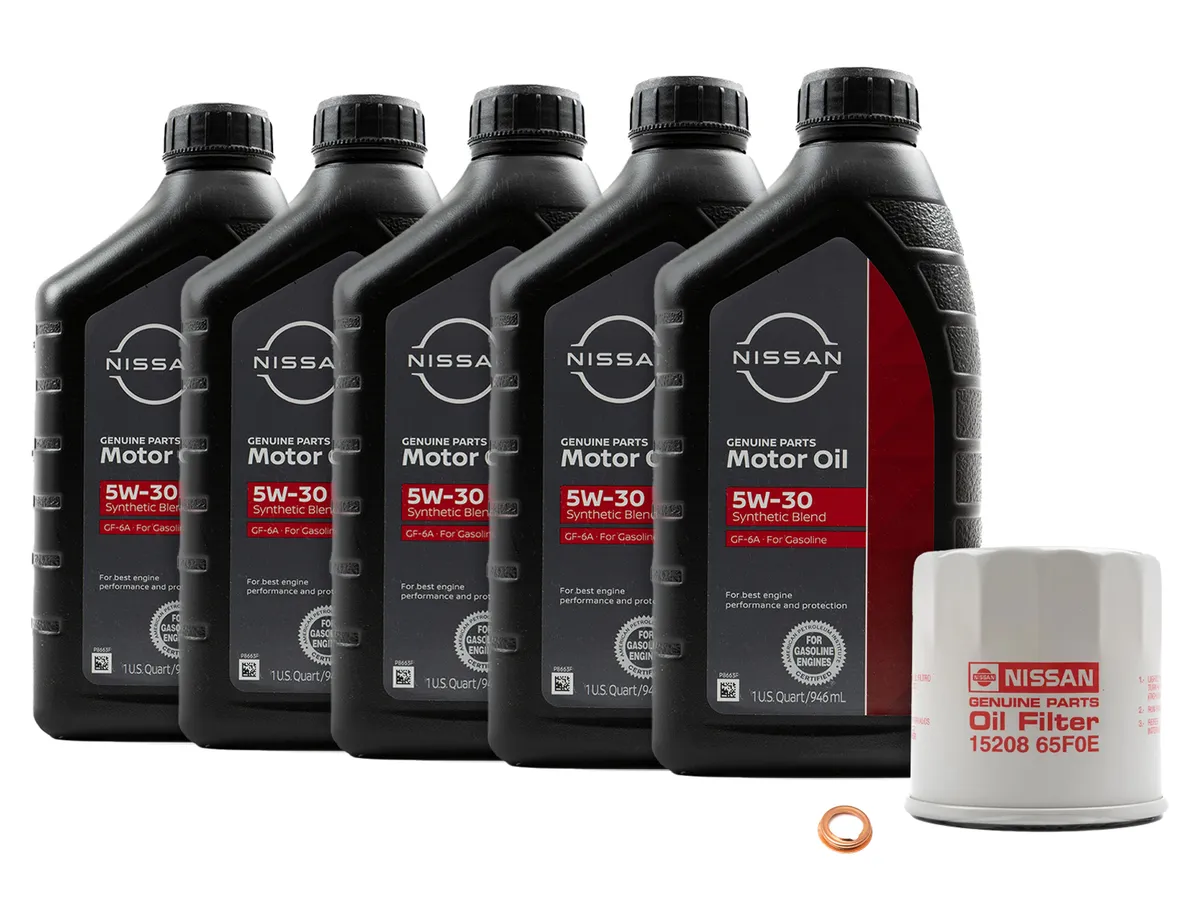
Choosing the right oil type is just as important as the amount. Nissan recommends SAE 0W-20 or 5W-30 for the Sentra 1.8, depending on the climate and the specific model year.
- 0W-20: For newer models, especially in cold climates.
- 5W-30: For older models or very hot climates.
Synthetic oil is usually best, but some owners prefer conventional oil for older engines.
Practical example: If you live in a hot region like Texas, 5W-30 can give better protection during summer. In colder places, 0W-20 helps your engine start smoothly.
3. How To Check Your Oil Level
Many beginners only fill oil based on the manual, but checking the oil dipstick is essential.
- Park your car on a flat surface.
- Wait 5–10 minutes after turning off the engine (let the oil settle).
- Pull out the dipstick, wipe it clean, reinsert, and pull out again.
- Check if the oil is between the “MIN” and “MAX” marks.
If it’s below “MIN,” add small amounts and check again. Overfilling can cause foaming and pressure problems. Never guess the oil level—always use the dipstick.
Beginner mistake: Checking oil right after stopping the engine. The oil hasn’t settled and may give a false “low” reading.
4. Oil Change Interval For Nissan Sentra 1.8
Changing your oil at the right time is crucial. Nissan recommends:
- Every 5,000 miles (8,000 km) or 6 months, whichever comes first, for normal driving.
- For severe driving (short trips, dusty roads, heavy traffic), change every 3,000 miles (5,000 km).
Delaying oil changes can lead to sludge, engine wear, and lower fuel efficiency. Modern synthetic oils can sometimes last longer, but always check your manual.
Non-obvious insight: Some drivers think synthetic oil means you never need to change it. All oil wears out, even synthetics.
5. How To Do An Oil Change Yourself
Many owners like to save money by changing their own oil. Here’s how to do it for the Nissan Sentra 1.8:
- Gather supplies: New oil (4.2 quarts), oil filter, wrench, oil pan, funnel, gloves.
- Run the engine for a few minutes (warm oil drains better).
- Raise the car safely and secure with jack stands.
- Place the oil pan under the oil drain plug. Remove plug and let oil drain completely.
- Remove the old oil filter (it may be tight—use a filter wrench).
- Install the new filter (apply a little oil to the rubber gasket).
- Replace the drain plug and tighten securely.
- Add 4.2 quarts of oil through the oil filler cap.
- Start the engine for 1–2 minutes, then shut off and check for leaks.
- Check the oil level with the dipstick, add more if needed.
Dispose of old oil at a recycling center. Never pour used oil down the drain.
Common mistake: Forgetting to replace the drain plug washer. This can cause leaks.
6. What Happens If You Overfill Or Underfill?
Overfilling: Too much oil causes foaming, which reduces lubrication. Pressure can build up, damaging seals, gaskets, or even the catalytic converter. You might see blue smoke from the exhaust.
Underfilling: Not enough oil means some engine parts won’t get lubricated. This leads to overheating and rapid engine wear. Running on low oil for too long can destroy an engine.
If you accidentally overfill, drain out the extra oil. If you underfill, add oil as soon as possible.
Example: A driver who overfills by one quart may notice strange noises or leaks after a few days. It’s always better to fill slowly and check the dipstick.
7. Signs Of Oil-related Problems In Sentra 1.8
Watch for these warning signs after an oil change or top-up:
- Oil warning light: This means pressure is low or the oil level is too low.
- Engine noise: Tapping or knocking sounds indicate not enough oil.
- Exhaust smoke: Blue smoke often means oil is burning (possible overfill).
- Oil leaks: Puddles under the car may mean a loose drain plug or filter.
If you see any of these, check your oil level immediately. Always fix leaks or warning lights before driving further.
Non-obvious insight: Sometimes, oil pressure problems are caused by a clogged oil filter—not just low oil.
8. Choosing The Right Oil Filter
Not all oil filters are the same. Using the wrong filter can cause leaks or poor filtration. For the Sentra 1.8, the most common Nissan part number is 15208-65F0E or 15208-9F60A, but always check your manual.
Here’s how a good oil filter helps:
- Catches dirt and metal particles.
- Maintains oil pressure.
- Prevents engine damage.
Some aftermarket filters are low quality and can cause problems. Stick to trusted brands or OEM parts.
Practical tip: Before buying, compare the filter’s rubber gasket size with the old one to avoid leaks.
Oil Specifications And Compatibility
Choosing the correct oil specification ensures best performance. The main oil standards for the Nissan Sentra 1.8 are:
- API SN or higher: This means the oil meets modern standards for wear protection and engine cleanliness.
- ILSAC GF-5 or GF-6: These are fuel-saving, low-emissions standards.
Using oil that meets both API and ILSAC standards will protect your engine and support fuel economy. If you have an older Sentra, these oils are still compatible and often better than what was available when the car was new.
How Oil Capacity Affects Engine Performance
Oil capacity is not just a number—it directly affects how your engine runs. Here’s why:
- Lubrication: Enough oil keeps all moving parts coated and reduces friction.
- Cooling: Oil helps carry heat away from pistons, bearings, and other parts.
- Cleaning: Oil holds tiny dirt particles in suspension, so they don’t scratch engine parts.
If you run with too little oil, some parts may not get enough lubrication. With too much, foamy oil can’t cool or protect as well.
Non-obvious insight: Many small engines, like the Sentra 1.8, are designed with tight tolerances. Even a half-quart difference in oil can make a noticeable change in how the engine sounds and runs.
Comparison: Nissan Sentra 1.8 Vs. Other Compact Cars
How does the Sentra’s oil capacity compare to similar cars? Here’s a quick look:
| Car Model | Engine Size | Oil Capacity (with filter) |
|---|---|---|
| Nissan Sentra 1.8 | 1.8L | 4.2 quarts |
| Toyota Corolla 1.8 | 1.8L | 4.4 quarts |
| Honda Civic 1.8 | 1.8L | 3.9 quarts |
| Hyundai Elantra 2.0 | 2.0L | 4.2 quarts |
The Sentra’s oil capacity is very similar to other small cars, but always use the number listed for your specific vehicle.
What To Do If You Add The Wrong Amount Of Oil
Mistakes happen. If you realize you’ve added too much or too little oil, here’s what to do:
- Too much oil: Use a clean oil extractor or drain plug to remove the excess. Don’t drive long distances with overfilled oil.
- Too little oil: Add oil in small amounts, then recheck the dipstick. Don’t “top off” without checking, as overfilling can happen easily.
- Mixed oil types: If you accidentally mix synthetic and conventional oils, don’t worry—it won’t damage the engine, but try to use the recommended type next time.
If you’re unsure or uncomfortable, a mechanic can quickly adjust the oil level for you.
Pro tip: If you’re doing your first oil change, pour in 3.5 quarts, run the engine for a minute, then check and add more as needed.
Oil Change Costs And Savings
Changing your own oil can save you money, but it’s important to use the right amount and type. Here’s a typical cost comparison:
| Service Type | Average Cost (USD) | Includes |
|---|---|---|
| Dealer Oil Change | $45–$75 | Oil, filter, labor, inspection |
| Quick Lube Shop | $35–$60 | Oil, filter, basic check |
| DIY Oil Change | $25–$40 | Oil, filter, tools (one-time cost for tools) |
Non-obvious insight: Sometimes, a DIY oil change costs more the first time because you need to buy tools, but future oil changes will be cheaper.
Common Mistakes Nissan Sentra 1.8 Owners Make With Oil
Many mistakes are easy to avoid once you know what to look for:
- Using the wrong oil type: Always match the viscosity and specification.
- Not replacing the oil filter: Old filters can clog and reduce oil flow.
- Ignoring the drain plug washer: Reusing an old washer can cause leaks.
- Over-tightening the filter or plug: This can damage threads or crush gaskets.
- Forgetting to check for leaks: Always check under the car after an oil change.
- Overfilling or underfilling: Always use the dipstick to confirm the correct level.
Learning from these mistakes will help your Sentra’s engine last longer and run better.
How Weather And Driving Conditions Affect Oil Needs
Climate and driving style can change how often you need to check or change your oil:
- Hot climates: Oil may thin out faster. Use the recommended viscosity for hot weather.
- Cold climates: Oil thickens at low temperatures. 0W-20 is better for cold starts.
- Short trips: Don’t let the engine fully warm up, causing moisture and sludge.
- Heavy traffic or towing: More stress on the engine, so more frequent oil changes may be needed.
If you often drive in “severe” conditions, follow the shorter oil change interval.
Example: A driver in Chicago may need different oil and a shorter interval than one in Florida.
How To Dispose Of Used Oil Properly
Used oil can be harmful to the environment. Always take used oil to a recycling center or a shop that accepts it. Many auto parts stores will take used oil for free.
Never pour oil down drains, on the ground, or in trash bins. Used oil can pollute water and harm wildlife.
How To Read The Oil Cap And Owner’s Manual
The oil cap on your Sentra’s engine usually shows the recommended oil type (like 0W-20). The owner’s manual lists both the oil type and the correct capacity.
If you lose your manual, you can often find digital copies on the official Nissan website or through reputable car forums. Always use these sources for reliable information.
For more technical details, you can check the Nissan Sentra page on Wikipedia.
Real-world Tips For Sentra 1.8 Owners
- Always check your oil level after an oil change, even if a mechanic does the work.
- Keep a small bottle of the correct oil in your trunk for emergencies.
- Record each oil change in a notebook or your phone. Track mileage and dates.
- If your oil light blinks or stays on, stop driving as soon as it’s safe and check your oil level.
- Buy oil and filters in bulk if you do your own changes—you can save money.
Frequently Asked Questions
What Is The Oil Capacity Of The Nissan Sentra 1.8 With A Filter Change?
The Nissan Sentra 1.8 takes 4.2 quarts (4.0 liters) of oil when you change the oil filter. This applies to most model years from 2000 to 2019. Always double-check your owner’s manual to confirm for your specific year.
Can I Use 5w-30 Oil Instead Of 0w-20 In My Sentra 1.8?
Yes, you can use 5W-30 if your manual lists it as an option, especially in hotter climates or older vehicles. However, 0W-20 is often recommended for newer models and cold climates. Always follow Nissan’s specific recommendation for your vehicle.
What Happens If I Overfill My Nissan Sentra 1.8 With Oil?
Overfilling can cause foaming, poor lubrication, and increased pressure. This can damage seals, gaskets, or even lead to oil leaks and engine problems. If you overfill, drain the extra oil to reach the correct level.
How Often Should I Change The Oil In My Sentra 1.8?
For most drivers, change the oil every 5,000 miles (8,000 km) or every 6 months. If you drive in tough conditions (dust, short trips, traffic jams), change it every 3,000 miles (5,000 km).
Do I Need To Change The Oil Filter Every Time I Change The Oil?
Yes, always change the oil filter when you change the oil. A clean filter keeps your oil clean, protects your engine, and helps maintain proper oil pressure. Skipping the filter can cause sludge and engine wear.
Maintaining the right oil level and using the correct type and filter is one of the easiest ways to keep your Nissan Sentra 1. 8 running smoothly for years. With the details you’ve learned here, you can take better care of your car and avoid common mistakes that cost time and money.