
When you walk into a workshop or open a toolbox, you might see both a hammer and a mallet. At first glance, they seem similar—both are tools for hitting things. But, if you use the wrong one for your task, you could damage your project, hurt yourself, or waste time. Many beginners, and even some experienced DIYers, mix up these tools. Knowing the differences between a hammer and a mallet is important for anyone who works with wood, metal, or even crafts. This article will break down everything you need to know about hammers and mallets. You’ll learn how each tool is made, their main uses, how to choose the right one, and even some safety tips that often go overlooked.
What Is A Hammer?
The hammer is one of the oldest and most common hand tools in the world. People have used hammers for thousands of years, from shaping stones to building homes. The basic design is simple: a hard, heavy head attached to a handle. But, there are many types of hammers for different jobs.
Main Parts Of A Hammer
A standard hammer has two main parts:
- Head: Usually made of steel or another metal, it does the striking.
- Handle: Made of wood, fiberglass, or metal, it lets you grip and swing the hammer.
On many hammers, the head has two sides—a flat face for hitting and a claw for pulling nails.
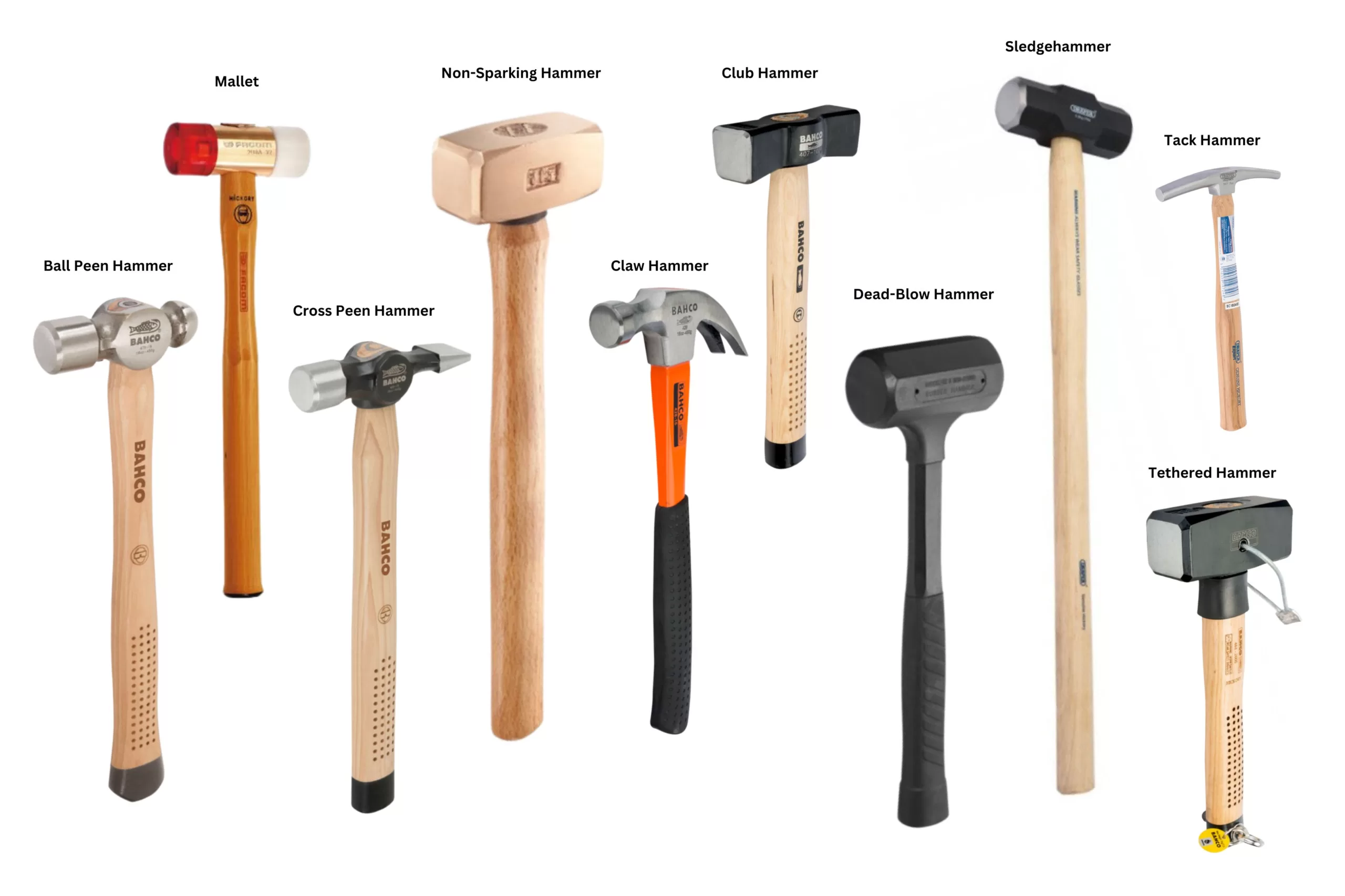
Common Types Of Hammers
- Claw Hammer: Used for driving and removing nails in carpentry.
- Ball Peen Hammer: Used in metalwork for shaping and bending.
- Sledgehammer: Very heavy, for breaking up concrete or driving stakes.
- Tack Hammer: Lightweight, for small nails or tacks.
- Dead Blow Hammer: Filled with sand or lead shot to reduce bounce-back.
Each type is designed for a specific task. For example, you wouldn’t use a sledgehammer for hanging a picture.
Typical Uses For Hammers
The hammer’s hard head makes it ideal for hitting nails into wood, shaping metal, and breaking objects. It’s a tool for forceful, direct strikes. In construction, a hammer is almost always needed. Metalworkers use hammers to shape and form metal. Even in automotive repair, hammers help with stubborn parts.
What Is A Mallet?
The mallet looks a bit like a hammer but works differently. Instead of a metal head, a mallet’s head is usually made from softer materials like wood, rubber, or plastic. The shape is often larger and rounder than a hammer’s head.
Main Parts Of A Mallet
A mallet also has two basic parts:
- Head: Usually wood, rubber, or plastic. It’s larger and softer than a hammer’s head.
- Handle: Generally wood or fiberglass. It’s often longer for extra leverage.
The key difference is that a mallet’s head is designed to protect surfaces from damage.
Common Types Of Mallets
- Wooden Mallet: Used for woodworking and assembling joints.
- Rubber Mallet: Used for shifting tiles, fitting parts, or in auto bodywork.
- Rawhide Mallet: Used in jewelry making and delicate metalwork.
- Plastic Mallet: Used for assembling parts without marking them.
- Copper or Brass Mallet: Used when a little more force is needed but you still want to avoid damage.
Each mallet type offers a different level of softness or hardness, depending on the material.
Typical Uses For Mallets
Mallets are used when you don’t want to damage the surface you’re working on. They’re perfect for tapping wood joints together, adjusting tiles, or bending metal without leaving marks. Mallets are also common in leatherwork, jewelry making, and even musical instruments (like drum mallets).
Key Differences Between Hammer And Mallet
It’s easy to get confused about which tool to use. Here are the main differences, explained simply:
| Feature | Hammer | Mallet |
|---|---|---|
| Head Material | Metal (steel, iron) | Wood, rubber, plastic |
| Surface Marking | Can dent or mark surfaces | Usually does not mark surfaces |
| Main Use | Driving nails, shaping metal | Assembling joints, gentle tapping |
| Weight | Heavier, harder strike | Lighter, softer strike |
| Common in | Carpentry, construction, metalwork | Woodwork, crafts, tile work |
A simple way to remember: If you need power, use a hammer. If you need care, use a mallet.
When To Use A Hammer
Choosing a hammer makes sense when you need a hard, sharp impact. Here are some everyday examples:
- Driving nails: Hanging pictures, building furniture, or framing walls.
- Breaking objects: Removing old tiles, breaking concrete, or demolition work.
- Metal shaping: Using a ball peen hammer to bend or shape metal sheets.
- Removing nails: Using the claw side to pull out nails.
In these cases, the metal head provides the force needed to get the job done. But, if you use a hammer on a delicate surface, you risk leaving dents, cracks, or even breaking the object.
Common Mistake
Many beginners use a hammer when they should use a mallet, especially in woodworking. For example, hitting a wood chisel with a hammer can damage the chisel handle, while a mallet would be safer.

When To Use A Mallet
A mallet is best when you want to move or shape something gently without causing damage. Some typical uses:
- Assembling furniture: Tapping wooden joints together without leaving marks.
- Tile work: Laying or adjusting tiles so they’re even, without cracks.
- Leatherwork: Shaping or stamping leather with gentle force.
- Metalwork: Bending or shaping thin metal without dents.
- Musical instruments: Striking percussion instruments.
Mallets are also great for adjusting objects that need a little force but can’t take a hard hit.
Non-obvious Insight
In some advanced woodworking, a wooden mallet is used to strike chisels because it gives more control. A hammer might split the chisel handle, while a mallet avoids this problem. This is why you see woodworkers often reaching for a mallet, not a hammer, when making fine furniture.
Pros And Cons Of Hammers
Understanding the advantages and disadvantages can help you decide if a hammer is right for your task.
Pros:
- Strong force: Great for tough jobs like driving nails or demolition.
- Versatile: Many types for different tasks.
- Readily available: Easy to find and affordable.
Cons:
- Can damage surfaces: Leaves marks, dents, or cracks on softer materials.
- Heavy: Some types can cause fatigue if used too long.
- Not for delicate work: Too much force for some materials.
Pros And Cons Of Mallets
Mallets have a different set of strengths and weaknesses.
Pros:
- Gentle on surfaces: Won’t dent or crack most materials.
- Good control: Easier to tap things into place without overdoing it.
- Variety of heads: Different materials for different jobs.
Cons:
- Less force: Not good for driving nails or demolition.
- Not as versatile: Each mallet is made for a specific task.
- Can wear out: Rubber or wood heads can get damaged over time.
How To Choose: Hammer Or Mallet?
The best way to choose is to ask yourself two questions:
- How much force do I need?
- Do I want to protect the surface?
If you need raw power and surface damage doesn’t matter, a hammer is better. If you care about keeping the material safe from dents or marks, use a mallet.
Example Scenarios
- Building a wooden chair: Use a mallet to tap joints together so you don’t dent the wood.
- Framing a house: Use a hammer to drive large nails.
- Laying bathroom tiles: Use a rubber mallet to adjust tiles without cracking them.
- Repairing metal parts: Use a hammer for tough parts, a mallet for final adjustments.
Detailed Comparison: Hammer Vs Mallet
To make the choice even clearer, here is a side-by-side look at common situations:
| Task | Hammer | Mallet |
|---|---|---|
| Driving Nails | Best choice | Not suitable |
| Assembling Wood Joints | Can damage wood | Ideal |
| Laying Tiles | Can crack tiles | Best choice |
| Demolition Work | Best choice | Not suitable |
| Bending Metal | Good for thick metal | Good for thin metal |
| Stamping Leather | Can damage stamp | Best choice |
Materials: What They’re Made Of And Why It Matters
The material of the hammer or mallet head makes a big difference.
Hammer Materials
- Steel: Most common. Very hard and durable.
- Brass/Copper: Used for spark-free environments.
- Fiberglass: Used for some modern handles.
A steel hammer is strong but can damage softer materials.
Mallet Materials
- Wood: Good for woodworking and chisels.
- Rubber: Used for tiles, auto bodywork, and assembling objects.
- Plastic: Used for soft tapping, often in crafts.
- Rawhide: Used for delicate metal or jewelry work.
A rubber or plastic mallet is gentle and won’t leave marks.
Non-obvious Insight
Some jobs require a special mallet made of copper or brass. These are used around flammable materials because they don’t create sparks. This is important in industries like gas or oil.
Safety Tips: Using Hammers And Mallets
Even simple tools can be dangerous if used wrong. Here are some tips:
- Wear eye protection: Both tools can cause chips or splinters to fly.
- Check the handle: Loose or cracked handles can break during use.
- Hold correctly: Grip the end of the handle for more control.
- Use the right tool: Don’t use a hammer when you need a mallet, and vice versa.
- Store safely: Keep tools dry to prevent rust or rot.
Common Mistake
Don’t use a metal hammer on a surface that needs to look perfect, like a finished wood table. Even a small tap can leave a permanent dent.
Care And Maintenance
Taking care of your hammer or mallet makes them last longer and keeps you safe.
- Clean after use: Wipe off dirt or moisture.
- Check for damage: Replace cracked handles or chipped heads.
- Oil wooden handles: Stops them from drying out and cracking.
- Store properly: Hang on a tool rack or keep in a dry box.
A well-maintained tool works better and is less likely to cause accidents.

Cost Comparison: Hammer Vs Mallet
Hammers and mallets are both affordable, but prices depend on material and brand.
| Tool Type | Average Price Range (USD) | Notes |
|---|---|---|
| Claw Hammer | $8 – $25 | Standard models are cheapest |
| Ball Peen Hammer | $12 – $30 | Metalwork specialty |
| Sledgehammer | $20 – $50+ | Heavier means more expensive |
| Wooden Mallet | $10 – $20 | Often handmade by woodworkers |
| Rubber Mallet | $7 – $18 | Common in tile work |
| Rawhide Mallet | $15 – $35 | Used in jewelry and crafts |
For most home projects, a basic hammer and a rubber mallet cover 90% of needs.
Real-world Examples
Hammer Example
Building a Deck: When putting together a wooden deck, you’ll use a hammer to drive hundreds of nails into thick wood. The steel head gives the force needed to push nails deep and fast. If you used a mallet, the nails wouldn’t go in, and you’d likely damage the mallet.
Mallet Example
Installing Laminate Flooring: When laying click-lock flooring, a rubber mallet helps tap the boards together. If you used a hammer, you’d dent the floor edges. The mallet’s rubber head protects the surface while giving enough force to join the pieces.
Combination Use
Car Repair: Sometimes, mechanics use both tools. A hammer helps loosen rusty bolts, while a mallet is used to gently fit parts into place without damaging them.
Expert Tips For Beginners
- Start with one of each: Most DIYers need a basic hammer and a rubber mallet.
- Test on scrap material: Before using on your real project, try each tool on a leftover piece.
- Upgrade as you learn: If you start woodworking, buy a good wooden mallet. For metalwork, add a ball peen hammer.
- Label your tools: In a busy workshop, it’s easy to grab the wrong tool. Mark mallets and hammers so you don’t mix them up.
- Don’t use damaged tools: A cracked handle or chipped head is dangerous.
Environmental Impact
This is something most people miss. Metal hammers last a long time, but their production uses a lot of energy. Wooden mallets are more eco-friendly if made from sustainable wood. Rubber mallets are made from synthetic materials, which may not break down easily.
When your tool wears out, see if it can be recycled.
Hammer And Mallet In History
The hammer is one of the oldest tools known to humans, used since the Stone Age. Early hammers were just rocks. Over time, people began attaching stones to sticks, then shaping metal heads. Today, hammers are found everywhere in the world, from construction sites to art studios.
Mallets have also been around for centuries. Ancient woodworkers and stone carvers used mallets to shape their materials. In some cultures, special ceremonial mallets are used in rituals.
Hammer And Mallet In Sports And Music
You might not think of these tools outside the workshop, but they appear in other fields too.
- Sports: In track and field, the “hammer throw” uses a heavy ball and chain, not a real hammer, but the name comes from the tool.
- Music: In percussion, “mallets” are used to play xylophones, marimbas, and drums. These mallets are different from workshop mallets, but the idea is the same—using a soft head to strike without damaging.
Common Myths And Mistakes
- Myth 1: A mallet is just a soft hammer. Not true. A mallet’s design and purpose are different, even if both tools can look similar.
- Myth 2: You can always swap one for the other. Wrong. Using a hammer instead of a mallet can ruin your project.
- Mistake: Hitting chisels with a hammer. This often breaks the handle. Use a wooden mallet instead.
- Mistake: Using a rubber mallet for demolition. It won’t give enough force and may bounce.
Hammer Vs Mallet: The Final Verdict
Both tools are important and have their place. The hammer is strong, forceful, and best for tough jobs. The mallet is gentle, controlled, and best for delicate work. Knowing when to use each tool saves time, prevents mistakes, and helps you work safely and efficiently.
For more information and detailed tool comparisons, visit the official Wikipedia Hammer Page.
Frequently Asked Questions
What Happens If I Use A Hammer Instead Of A Mallet?
Using a hammer when you should use a mallet can cause dents, cracks, or other damage to your project. For example, if you tap wooden joints with a hammer, you might mark the surface or split the wood.
Can I Use A Mallet To Drive Nails?
No, a mallet is not designed for driving nails. Its softer head will not push the nail in effectively. It may even bounce off the nail, making the job harder and less safe.
Which Is Safer To Use: Hammer Or Mallet?
Both tools are safe if used correctly. However, mallets are generally safer for delicate work because they’re less likely to damage surfaces. Always wear eye protection with both tools.
How Do I Know Which Tool To Use For My Project?
Think about the material and the force needed. If you need to hit hard or drive something in, use a hammer. If you want to protect the surface or just adjust something gently, use a mallet.
What Is The Best Type Of Mallet For Woodworking?
A wooden mallet is the best choice for woodworking, especially for striking chisels or assembling joints. It gives good control and won’t damage your tools or wood.
Choosing between a hammer and a mallet is not just about picking a tool. It’s about understanding your project, the material, and the result you want. With this knowledge, you’ll work smarter and get better results—every time.