
The Nissan Rogue is a favorite among compact SUVs. It is reliable, practical, and easy to maintain. However, to keep your Nissan Rogue running smoothly, you must pay attention to its oil needs. One detail many owners overlook is the oil capacity. This small fact can make a big difference in your vehicle’s performance and lifespan.
Not knowing the correct oil capacity can lead to overfilling or underfilling, which can damage your engine. This guide will help you understand everything about the Nissan Rogue oil capacity. You will learn the exact numbers for each model year, see real examples, and get practical advice for changing oil.
Whether you are a new Rogue owner or have driven one for years, this article will cover all the details you need.
Why Oil Capacity Matters For Your Nissan Rogue
Many drivers think that just using the right oil is enough. But the correct oil capacity is just as important. If you put in too much oil, the engine can suffer from high pressure, which may cause leaks or damage to seals. Too little oil, and you risk overheating and wear because the engine parts will not be lubricated well.
For the Nissan Rogue, oil capacity is not the same for all models or years. Engines change over time, and so do their oil requirements. Always checking your owner’s manual is smart, but understanding the reasons behind the numbers helps you care for your car better.
Nissan Rogue Oil Capacity By Model Year And Engine
Oil capacity can change based on the engine size, the year, and whether you replace the oil filter or not. Below is a breakdown for the most common Nissan Rogue engines and years.
| Model Year | Engine Type | Oil Capacity (with filter) | Oil Capacity (without filter) |
|---|---|---|---|
| 2008–2013 | 2.5L I4 (QR25DE) | 4.8 qt (4.6 L) | 4.5 qt (4.3 L) |
| 2014–2020 | 2.5L I4 (QR25DE) | 4.9 qt (4.6 L) | 4.6 qt (4.4 L) |
| 2021–Present | 2.5L I4 (PR25DD) | 5.1 qt (4.8 L) | 4.8 qt (4.5 L) |
| 2022–Present | 1.5L Turbo I3 (VC-Turbo) | 4.2 qt (4.0 L) | 3.9 qt (3.7 L) |
How To Find The Oil Capacity For Your Nissan Rogue
If you are not sure about your model’s oil capacity, you can:
- Check the owner’s manual. This is the most accurate source.
- Look at the oil cap or engine label under your hood.
- Use online resources, but always double-check with official Nissan documents.
Many Nissan Rogues have a sticker or label with the oil type and capacity near the engine bay. This can be a quick reference when you are unsure.
Oil Types And Their Importance
Choosing the right engine oil type is as important as knowing the oil capacity. Nissan recommends specific oil types for each Rogue engine. Using the wrong oil can affect fuel economy, engine wear, and even your warranty.
Recommended Oil Types For Nissan Rogue
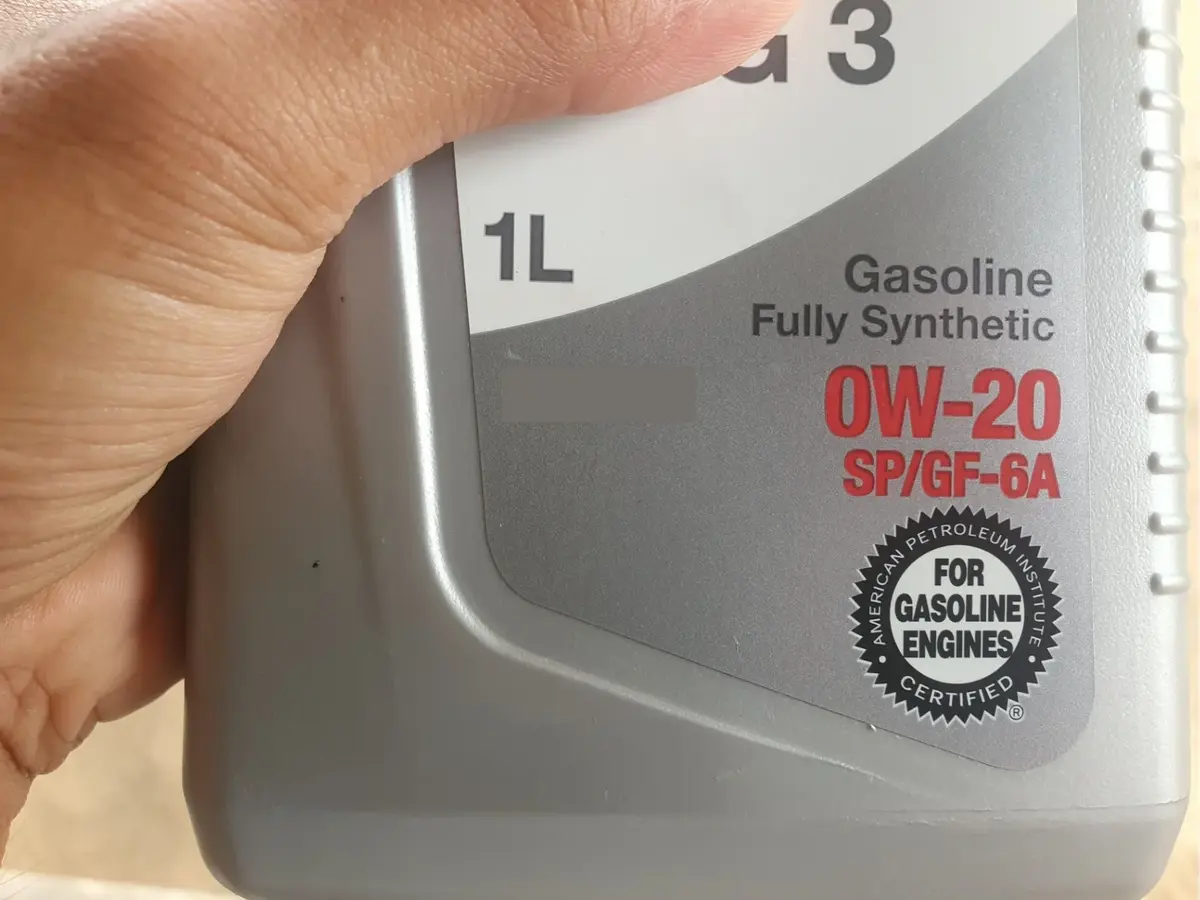
Most Nissan Rogue engines require SAE 0W-20 or 5W-30 full synthetic oil. Here is a general guide:
- 2008–2013 (2.5L I4): 5W-30
- 2014–Present (2.5L I4): 0W-20
- 2022–Present (1.5L Turbo): 0W-20
The 0W-20 oil is thinner and helps with fuel efficiency and cold starts. Always check the oil cap or the owner’s manual for your specific model.
Why Synthetic Oil?
Nissan recommends full synthetic oil for newer Rogue models. Synthetic oil lasts longer, protects better at high and low temperatures, and keeps your engine cleaner. While it costs more, it helps your engine last longer and saves money in the long run.
Can You Use Conventional Oil?
Some older Rogues (before 2014) can use conventional oil, but synthetic is always better for engine protection and performance. Mixing oil types is not recommended. If you switch from conventional to synthetic, do a full oil change and filter replacement.
How To Change Oil In A Nissan Rogue
Changing your own oil can save money and give you peace of mind. Here is a step-by-step guide for a Nissan Rogue oil change. These steps apply to most Rogue models, but always check your manual for special instructions.
What You Need
- Correct amount of engine oil (see table above)
- New oil filter
- Oil drain pan
- Socket set or wrench
- Funnel
- Clean rag
- Gloves and safety glasses
- Car jack and jack stands (if needed)
- Oil filter wrench (optional)
Step-by-step Oil Change
- Warm up the engine: Run the car for 5–10 minutes. Warm oil drains better.
- Park safely: Flat surface, parking brake on.
- Lift the car: If you can access the oil pan without lifting, skip this. If not, use a jack and secure jack stands.
- Remove the oil cap: This helps oil drain faster.
- Drain the oil: Place the drain pan under the oil pan plug. Use a wrench to remove the plug. Let oil drain out completely (about 5–10 minutes).
- Replace the oil filter: Use an oil filter wrench if needed. Apply a little new oil to the rubber gasket of the new filter before installing.
- Reinstall the drain plug: Tighten firmly but do not over-tighten.
- Add new oil: Use a funnel. Pour in the correct amount.
- Check oil level: Use the dipstick after waiting a few minutes for oil to settle.
- Run the engine: Start and let it run for a minute. Check for leaks.
- Re-check oil level: Add more if necessary, but do not overfill.
Tips For A Clean Oil Change
- Always use a new oil filter with every oil change.
- Dispose of old oil at a recycling center.
- Record the date and mileage of your oil change.

Common Mistakes When Filling Oil
Even experienced owners make mistakes when changing oil. Here are some to avoid:
- Overfilling: Too much oil can cause foaming and engine damage. Always pour slowly and check with the dipstick.
- Underfilling: Too little oil leads to poor lubrication. After filling, always run the engine, wait a minute, and recheck.
- Wrong oil filter: Using the wrong filter can cause leaks or poor oil flow. Buy a filter made for your Rogue model and year.
- Not replacing the gasket: If the drain plug gasket is damaged, oil can leak. Always inspect or replace it during each oil change.
Signs Your Nissan Rogue Needs An Oil Change
Besides following the schedule, look for these signs:
- Oil change light is on.
- Oil looks dark or dirty on the dipstick.
- Engine sounds louder or rougher than normal.
- You smell burning oil.
- Lower fuel efficiency.
If you see any of these, check your oil level and schedule a change soon.
How Often To Change Oil In A Nissan Rogue
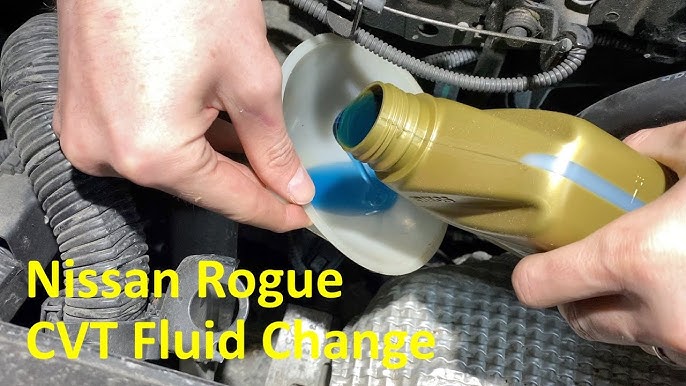
Nissan recommends changing the oil every 5,000 to 7,500 miles for most Rogue models with synthetic oil. Older models (with conventional oil) may need changes every 3,000 to 5,000 miles.
Driving conditions affect this:
- Short trips: More frequent changes, as oil does not fully warm up.
- Extreme temperatures: Hot or cold weather can break down oil faster.
- Towing or heavy loads: Causes more engine stress, so change oil sooner.
Always follow your car’s maintenance schedule for best results.
Nissan Rogue Oil Capacity: Real-world Examples
Many drivers like to see how oil capacity works in real life. Here are examples from real Nissan Rogue owners and mechanics.
2017 Nissan Rogue (2.5l I4)
One owner shared that after draining the oil and replacing the filter, 4.9 quarts filled their engine to the max line on the dipstick. Filling with 5 quarts would have been too much.
2023 Nissan Rogue (1.5l Turbo)
A mechanic noted that the newer VC-Turbo engines only need 4.2 quarts with a filter change. This is less than the older 2.5L engines, so always check before filling.
Common Oil Change Problems
- Some owners notice that after an oil change, the oil level is slightly above the max line. Usually, this is because not all old oil was drained out. It’s better to fill a little less, check the dipstick, then top off if needed.
- If the oil looks milky or foamy, do not drive. This can mean coolant is mixing with oil, which is a serious problem.
Oil Capacity And Engine Performance
The right oil level helps your Rogue:
- Stay cool: Oil carries heat away from engine parts.
- Stay clean: Oil picks up dirt and keeps it away from moving parts.
- Run smoothly: Proper lubrication reduces friction and wear.
Too much or too little oil can cause:
- Engine knocking
- Oil leaks
- Poor fuel economy
- Possible engine failure
Even a half-quart difference matters. Always check the dipstick after an oil change.
How To Read The Oil Dipstick Correctly
It sounds simple, but many people read the dipstick wrong. Here’s the right way:
- Park on a level surface.
- Wait 5–10 minutes after turning off the engine.
- Pull out the dipstick, wipe clean, re-insert fully, then pull out again.
- Look at the oil level between the Low and Full marks.
- Oil should be near the Full mark, but not above.
If the oil is over the mark, remove some oil before driving. If it’s under, add more and recheck.
Nissan Rogue Oil Filter Guide
Changing your oil filter is just as important as changing the oil. Each engine has a recommended oil filter size and type. Using the wrong filter can cause leaks or oil flow problems.
Common Oil Filter Types For Nissan Rogue
- 2.5L I4 (2008–2020): Nissan part 15208-9E01A or equivalent
- 2.5L I4 (2021–Present): Nissan part 15208-65F0E or equivalent
- 1.5L Turbo (2022–Present): Check with dealer or manual for latest part number
Always use high-quality filters. Cheap filters can fail and cause engine damage.
Oil Capacity Differences: Nissan Rogue Vs. Other Suvs
To see how the Rogue compares, here is a quick look at oil capacities for similar compact SUVs.
| Model | Engine | Oil Capacity (with filter) |
|---|---|---|
| Nissan Rogue (2021) | 2.5L I4 | 5.1 qt (4.8 L) |
| Honda CR-V (2021) | 1.5L Turbo I4 | 3.7 qt (3.5 L) |
| Toyota RAV4 (2021) | 2.5L I4 | 4.8 qt (4.5 L) |
| Hyundai Tucson (2021) | 2.5L I4 | 5.1 qt (4.8 L) |
| Subaru Forester (2021) | 2.5L H4 | 4.4 qt (4.2 L) |
The Nissan Rogue sits in the middle-to-high end for oil capacity among compact SUVs. This means slightly more oil to buy during an oil change but also possibly longer engine protection.
Special Tips For Nissan Rogue Owners
Here are some insights that many beginners miss:
- Always reset the oil change reminder after each oil change. This is done using the dashboard menu.
- Keep a record of your oil changes. Write down the date, mileage, oil brand, and amount used. This helps for resale or warranty.
- Use a torque wrench for the drain plug if possible. Over-tightening can strip the threads or crush the gasket.
- Check for leaks under the car for a few days after changing the oil.
These small habits can prevent costly mistakes.
Can You Switch Oil Brands Or Types?
You can switch brands as long as you use the correct viscosity (e. g. , 0W-20) and quality (full synthetic) for your Rogue. Avoid mixing oil types (like synthetic with conventional) unless in an emergency.
If you switch from one oil type to another, it’s best to do a full oil and filter change. This ensures your engine always has clean, high-quality oil.
Understanding Oil Additives And High-mileage Oil
Some shops may offer oil additives or high-mileage oil. For most Nissan Rogues under 100,000 miles, standard full synthetic oil is best. High-mileage oil is for engines that burn oil or have leaks. Additives are usually unnecessary and can sometimes cause problems.
If your Rogue is burning oil or leaking, fix the problem instead of relying on additives.
What To Do If You Overfill Oil
If you accidentally overfill, do not drive. Too much oil can damage your engine. Here’s what to do:
- Use an oil extractor pump to remove extra oil through the dipstick tube.
- Or, drain a small amount from the oil pan (slowly remove the drain plug).
- Always recheck the dipstick.
Driving with excess oil can cause big repair bills.
Nissan Rogue Oil Change Cost
If you do it yourself, an oil change usually costs:
- Synthetic oil (5 qt): $25–$40
- New filter: $8–$15
At a shop or dealer, expect to pay $60–$100. Dealers may charge more but use official parts.
Environmental Impact: Used Oil Disposal
Never pour used oil down the drain or on the ground. Old oil contains chemicals that harm water and soil. Most auto shops and recycling centers will take used oil for free. Bring your old oil in a sealed container.
For more, see the EPA’s guide on used oil recycling.
Nissan Rogue Oil Capacity In Cold Vs. Hot Climates
Extreme temperatures change how oil works. In cold weather, thinner oil (like 0W-20) flows better and protects your engine during startup. In hot weather, oil can thin out, so using the recommended type is critical. Do not use thicker oil than recommended, even in summer.
How To Tell If Your Rogue Is Burning Oil
Check your oil level every 1,000 miles. If you see it dropping and there are no leaks, your engine may be burning oil. This is more common in high-mileage engines. Watch for blue smoke from the exhaust or a burning smell.
If you must add oil often, see a mechanic to avoid serious damage.
Nissan Rogue Oil Capacity For Towing Or Hard Use
If you tow heavy loads or drive in mountains, your engine works harder and the oil gets hotter. You do not need more oil, but you may need to change it more often (every 3,000–5,000 miles). Check oil level before and after long trips.
Advanced Tips: Flushing The Engine
Some owners consider an engine flush to clean out sludge. This is rarely needed if you change oil on time. Flushing can help if you missed oil changes for years, but only do it with a trusted mechanic. For most Rogues, regular synthetic oil changes keep the engine clean.
Frequently Asked Questions
What Is The Oil Capacity For A 2018 Nissan Rogue?
The 2018 Nissan Rogue with a 2.5L engine takes 4.9 quarts (4.6 liters) of oil with a new filter. Always check the dipstick after filling.
Can I Use 5w-30 Instead Of 0w-20 In My Nissan Rogue?
For older Rogues (pre-2014), 5W-30 is fine. For 2014 and newer models, 0W-20 is required. Using the wrong oil can affect engine performance and warranty.
How Do I Reset The Oil Change Light In My Nissan Rogue?
Use the dashboard menu: Go to Settings, then Maintenance, then Oil and Filter. Select Reset. The process may vary by year, so check your manual.
What Happens If I Add Too Much Oil To My Nissan Rogue?
Too much oil can cause leaks, foaming, and even engine damage. If you overfill, remove extra oil before driving.
Is It Okay To Switch Between Synthetic And Conventional Oil In My Rogue?
It is safe to switch, but always use the oil type recommended for your model year. Synthetic oil is best for newer Rogues. Always change the filter when switching types.
Keeping your Nissan Rogue’s oil at the right level—and using the right oil—keeps your SUV running smoothly for years. Paying attention to these details is one of the easiest ways to protect your engine and your investment.