
Electricity is everywhere in our lives, from the lights in your home to the charger for your phone. But sometimes, things stop working, or you need to check if a wire is live before fixing something. That’s when a voltage tester becomes your best friend. Using one is not only about getting the job done—it’s about staying safe. Many beginners think voltage testers are complicated or only for professionals, but with clear instructions and a careful approach, anyone can use them. This guide will help you understand, choose, and safely use a voltage tester, even if you’re just starting out. Along the way, you’ll learn tips and techniques that even many experienced people miss.
What Is A Voltage Tester?
A voltage tester is a tool that helps you check if there is electricity in a wire or device. It tells you if a circuit is “live” (has voltage) or “dead” (no voltage). Using a voltage tester helps prevent electric shock and keeps you safe when repairing or installing electrical devices.
There are several types of voltage testers, each with its own features. Some are very simple, while others offer more information or are designed for specific tasks. Understanding these types will help you pick the right one for your needs.
Types Of Voltage Testers
Choosing the correct type of tester is the first step. Here are the most common ones you’ll find:
| Type | Main Feature | Typical Use | Approximate Cost |
|---|---|---|---|
| Non-contact Voltage Tester | Detects voltage without touching wires | Quick safety checks | $10–$30 |
| Neon Voltage Tester | Glows when voltage is present | Basic outlet/wire testing | $3–$10 |
| Solenoid Voltage Tester | Needles or lights indicate voltage | Testing outlets, panels | $20–$50 |
| Digital Multimeter (DMM) | Shows exact voltage value | Detailed diagnostics | $20–$100+ |
- Non-contact voltage testers are pen-shaped. You hold them near a wire or outlet, and they beep or light up if there is voltage.
- Neon voltage testers have two metal probes and a small neon bulb. The bulb lights up if voltage is present.
- Solenoid voltage testers have a moving pointer or lights to show the presence and sometimes the level of voltage.
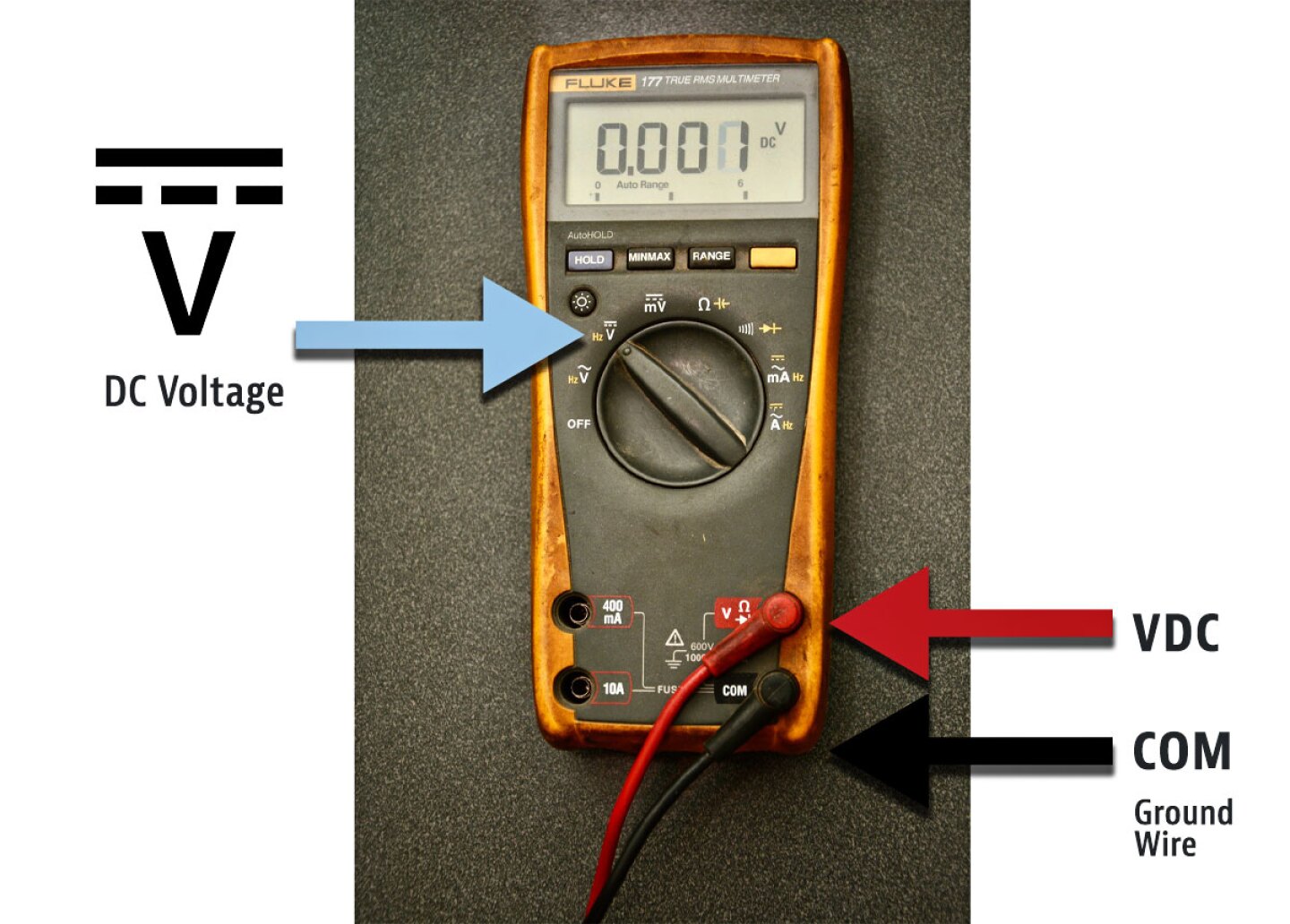
- Digital multimeters are more advanced. They display the actual voltage number and can also measure current and resistance.
Each tester has its strengths. For example, non-contact testers are great for checking wires quickly without touching them, while a digital multimeter gives more detailed information.

Why Use A Voltage Tester?
Whenever you work with electricity, safety comes first. Many accidents happen because people don’t check if a circuit is live. Even a simple home repair can be dangerous if you skip this step. Here’s why using a voltage tester is essential:
- Protects you from electric shock
- Prevents damage to equipment
- Helps solve electrical problems faster
- Confirms if repairs are successful
A voltage tester is not just for electricians. Anyone doing home repairs, installing lights, or checking outlets should use one. Even if you’re only changing a bulb or fixing a switch, a quick test can save you from a dangerous shock.
How Does A Voltage Tester Work?
Understanding how voltage testers work helps you use them with confidence.
- Non-contact testers have a sensor that detects the electric field around live wires. If the tester senses voltage, it beeps or flashes.
- Neon testers light up a bulb when electricity flows between the two probes.
- Solenoid testers push a needle or light up a display when voltage is present.
- Digital multimeters use electronics to measure the voltage and show the number on a screen.
Most testers are designed to detect AC voltage (the kind in homes and offices), but some can also measure DC voltage (like in batteries). Always check your tester’s range before using it.
Choosing The Right Voltage Tester
Not every voltage tester is right for every job. Here are some tips to help you choose:
- Purpose: For simple “live or dead” checks, a non-contact or neon tester is enough. For measuring exact voltage, a digital multimeter is better.
- Safety Rating: Look for testers with a CAT II, CAT III, or CAT IV safety rating. Higher numbers mean safer for more demanding tasks.
- Voltage Range: Make sure your tester can handle the voltages you expect (usually 120V–240V for homes).
- Ease of Use: Some testers have extra features like lights or sounds, making them easier for beginners.
- Build Quality: Choose a tester that feels solid and has a clear display.
Here’s a quick comparison:
| Tester | Best For | Pros | Cons |
|---|---|---|---|
| Non-contact | Quick checks, safety | Safe, easy, fast | Doesn’t show voltage value |
| Neon | Simple yes/no checks | Cheap, reliable | Noisy areas can be tricky |
| Solenoid | Wider voltage range | Shows voltage range | Needs two hands |
| Digital Multimeter | Precise testing | Accurate, versatile | More complex |
Many beginners are surprised to learn that non-contact testers do not require direct contact with metal and are safer for initial checks.
Safety Precautions Before Using A Voltage Tester
Electricity can be deadly. Even simple tests require careful preparation. Here’s what you must do before starting:
- Read the manual: Every tester is different. Check the instructions for your exact model.
- Inspect the tester: Look for cracks, worn wires, or broken parts.
- Wear safety gear: Use insulated gloves and wear shoes with rubber soles.
- Turn off power when possible: If you’re testing a circuit you plan to work on, turn off the breaker first.
- Check your surroundings: Make sure your hands are dry. Stand on a dry surface.
- Test your tester: Always check your voltage tester on a known live source before and after use. This makes sure it works.
Many people skip the last step, but it’s important. A broken tester can give a false “dead” reading, which is very dangerous.
Step-by-step Guide: How To Use A Voltage Tester
Now, let’s get to the practical part. Here’s how to use different types of voltage testers safely and correctly.
Using A Non-contact Voltage Tester
- Turn on the tester: Press the power button. Most testers beep or flash to show they’re ready.
- Test on a known live source: Touch the tip near an outlet you know is live. The tester should beep or light up.
- Bring the tip close to the wire or outlet: Hold it near (but not touching) the object you want to test.
- Watch for a signal: If the tester lights up or beeps, voltage is present.
- Double-check: If the tester does not light up, test it again on a live outlet to confirm it still works.
Example: Before replacing a light switch, hold the tester near each wire. If it beeps, the wire is live—do not touch. If not, you’re safe to proceed.
Using A Neon Voltage Tester
- Hold the tester by the insulated part: Never touch the metal probes.
- Insert one probe into the hot slot of an outlet: The shorter slot is usually “hot.”
- Insert the other probe into the neutral slot: The longer slot.
- Look at the neon bulb: If it glows, voltage is present.
- Double-check: Try the tester on another live outlet to ensure it’s working.
Example: If you’re checking if an outlet has power, use the neon tester as above. If the bulb does not glow, the outlet is off or faulty.
Using A Solenoid Voltage Tester
- Hold both probes: One in each hand, by the insulated handles.
- Insert probes into the outlet or touch the wires: One probe to the hot, one to the neutral or ground.
- Read the indicator: The needle or lights show voltage presence and sometimes the approximate level.
- Remove probes and check tester: Make sure the tester still works by testing on a live outlet.
Example: Solenoid testers are helpful for checking circuit panels or multiple wires, as they can handle wider voltage ranges.
Using A Digital Multimeter As A Voltage Tester
- Set the dial to AC voltage (VAC): For home electricity, select a range above what you expect (e.g., 200V or 600V).
- Plug in the test leads: Black to “COM,” red to “VΩ.”
- Insert probes into the outlet or touch wires: Black probe to neutral, red to hot.
- Read the display: The screen shows the exact voltage.
- Test the meter before and after: Use a known live outlet.
Example: When troubleshooting a circuit, the digital multimeter tells you if the voltage is correct or if there is a problem.
Non-obvious tip: When using a digital multimeter, always start with the highest voltage range and work downward. This prevents damaging the device if the voltage is higher than expected.
Testing Different Electrical Points
Voltage testers are used in many places around your home or workplace. Here are some common situations:
Testing Wall Outlets
- Insert probes (for contact testers) or hold the non-contact tester close to each slot.
- Check both hot-to-neutral and hot-to-ground for voltage.
- If both tests are dead, the outlet is off or faulty.
Checking Light Switches
- Remove the switch cover.
- Use the tester on each wire before touching.
- Always test both the black (hot) and white (neutral) wires, since wiring errors happen.
Examining Light Fixtures
- Turn off the fixture, remove the bulb.
- Test the socket with a contact or non-contact tester.
- Many people forget to check the metal ring inside the socket, which can still be live.
Inspecting Extension Cords
- Plug the cord into a known live outlet.
- Test both ends with the voltage tester.
- This helps find broken wires inside the cord.
Troubleshooting Appliances
- Unplug the device first.
- Use the tester on the plug prongs and inside the appliance (if safe).
- For multimeters, check the voltage at different points to find where power stops.
Common Mistakes And How To Avoid Them
Even experienced users sometimes make mistakes with voltage testers. Here are some pitfalls and how to avoid them:
- Forgetting to test the tester: Always check on a live source before and after use.
- Assuming all wires are dead after turning off a breaker: Some homes have poor wiring, and wires can still be live.
- Using the wrong tester for DC voltage: Not all testers work with batteries or low-voltage circuits.
- Touching metal parts: Always hold by the insulated handle.
- Testing in wet conditions: Water increases the risk of shock.
- Not checking both hot and neutral wires: Sometimes only one is live due to wiring issues.
- Ignoring flickering or weak signals: This can mean a loose wire or faulty tester.
Non-obvious insight: Some non-contact testers can be “fooled” by static electricity or nearby wires. Always double-check with a contact tester if you are unsure.
Advanced Tips For Safe And Accurate Testing
If you want to go beyond the basics, try these expert techniques:
- Use two types of testers for critical jobs—first a non-contact, then a contact tester. This double-checks safety.
- Label your breakers and circuits as you test them. Many homes have mislabeled panels, leading to confusion.
- Check for voltage after repairs before touching anything. Wires can become loose and touch live parts.
- Keep your tester clean and dry. Dust or moisture can cause false readings.
- Replace batteries often in battery-operated testers. A weak battery gives unreliable results.
- Store testers properly. Keep them in a protective case to avoid damage.
Interpreting Voltage Tester Results
Sometimes, voltage testers give results that are not clear. Here’s what to do:
If Tester Shows Voltage Where It Shouldn’t
- Double-check with another tester.
- Make sure you are not picking up “phantom voltage”—a small, harmless signal caused by nearby wires.
- Use a load (like a lamp or appliance) to drain phantom voltage and test again.
If Tester Shows No Voltage But Device Is Not Working
- Try the tester on a known live outlet to confirm it’s working.
- Check for tripped breakers or blown fuses.
- Inspect wires for damage.
If Tester Flickers Or Is Inconsistent
- Move the tester slowly and repeat the test.
- Check for loose connections.
- Try a different tester.
Maintaining And Storing Your Voltage Tester
A voltage tester will only keep you safe if it works correctly. Follow these care tips:
- Check for damage after each use.
- Clean the probes with a dry cloth.
- Replace batteries as needed.
- Store in a cool, dry place. Avoid leaving in direct sunlight or damp areas.
- Calibrate digital testers if the manual recommends it.
- Keep the manual for reference.
A well-maintained tester can last for years and provide reliable protection.
Real-life Examples: Voltage Tester In Action
Let’s look at how voltage testers are used in real situations.
Case 1: Finding a Faulty Outlet
Maria noticed her phone wouldn’t charge in one outlet. She used a non-contact tester, which showed no signal. She then used a neon tester, and the bulb stayed off. Testing the breaker panel, she found a tripped breaker. After resetting it, the tester showed voltage, and the outlet worked again.
Case 2: Checking a Light Fixture
Jamal wanted to replace a ceiling light. He turned off the breaker and used a non-contact tester on each wire. One wire still showed live voltage. He traced it back and found another breaker was powering the circuit. Only after turning off both breakers did the tester show it was safe.
Case 3: Troubleshooting an Appliance
A fan stopped working. Li tested the outlet with a multimeter and saw 120V, so the outlet was fine. She then opened the fan and tested the internal wires. The multimeter showed 0V at the switch. She replaced the switch, and the fan worked.

Voltage Tester Vs. Other Electrical Testing Tools
Voltage testers are not the only tools for working with electricity. Here’s how they compare to other common tools:
| Tool | Main Use | Shows Live/Dead | Measures Exact Voltage | Other Features |
|---|---|---|---|---|
| Voltage Tester | Safety, quick checks | Yes | Some types | Easy to use |
| Digital Multimeter | Detailed diagnostics | Yes | Yes | Ohms, amps, continuity |
| Circuit Tester | Outlet wiring checks | Yes | No | Wiring errors |
| Clamp Meter | Measuring current | No | Some types | Measures amps without breaking circuit |
Non-obvious insight: While digital multimeters are more versatile, they require more knowledge. For most home users, a simple voltage tester is faster and safer.
When To Call A Professional
Voltage testers are excellent for quick checks and simple repairs. However, for complex jobs—like electrical panel work, rewiring, or frequent tripping circuits—it’s safer to call a licensed electrician. If you ever feel unsure, or if your tester gives confusing results, don’t risk it.
Professional help costs less than an emergency room visit.
For more on electrical safety, you can visit the OSHA Electrical Safety page.
Frequently Asked Questions
What Is The Safest Voltage Tester For Beginners?
The non-contact voltage tester is safest for beginners. You don’t need to touch wires, and it quickly shows if voltage is present. Always test it on a known live outlet before use.
Can A Voltage Tester Tell Me If An Outlet Is Wired Incorrectly?
A basic voltage tester shows only if power is present. For wiring errors, use a circuit tester with lights that show specific wiring problems, or a digital multimeter to check connections.
Do Voltage Testers Work On Both Ac And Dc Voltage?
Not all testers work on both. Most home testers are for AC voltage (like in outlets). Some digital multimeters can measure DC voltage (like in batteries), but always check the manual first.
Why Should I Test My Voltage Tester Before And After Use?
Testing before use makes sure the tester is working, so you don’t get a false “dead” reading. Testing after use confirms it didn’t get damaged. This simple habit saves lives.
What Should I Do If My Voltage Tester Gives Different Results Than My Multimeter?
Try both tools on a known live outlet. If one tool fails, it may be broken. If both work but results differ, check for “phantom voltage” or a loose connection. If unsure, call a professional.
Using a voltage tester is one of the simplest and most effective ways to stay safe when working with electricity. With the right tool, careful steps, and a little practice, you can handle many basic electrical tasks with confidence. Remember, safety always comes first—never rush, and never guess.
The small step of testing for voltage can prevent big accidents, keeping you and your home safe.