
If you’ve ever faced a stubborn drain clog—especially in a sewer line, main drain, or a large pipe—you know how frustrating it can be. Sometimes, plungers and chemical cleaners simply don’t work. That’s where a drain bladder comes in: a powerful tool that uses water pressure to break up tough blockages. If you’ve never used one, or you’re unsure about the process, this guide will help you understand everything from choosing the right bladder to safely clearing your pipes. We’ll dive deep into practical steps, safety, troubleshooting, and even some expert tips that most beginners miss.
What Is A Drain Bladder?
A drain bladder, also known as a hydraulic drain cleaner or water-pressure drain cleaner, is a rubber device that attaches to a garden hose. When inserted into a pipe, it expands and seals itself, then shoots pressurized water through the clog. This water power can often clear blockages that other methods can’t.
Drain bladders are usually made from heavy-duty rubber. They come in different sizes for various pipes, typically ranging from 1 to 6 inches in diameter. The bladder’s strength is its simplicity: it uses your home’s water pressure to force the clog out.
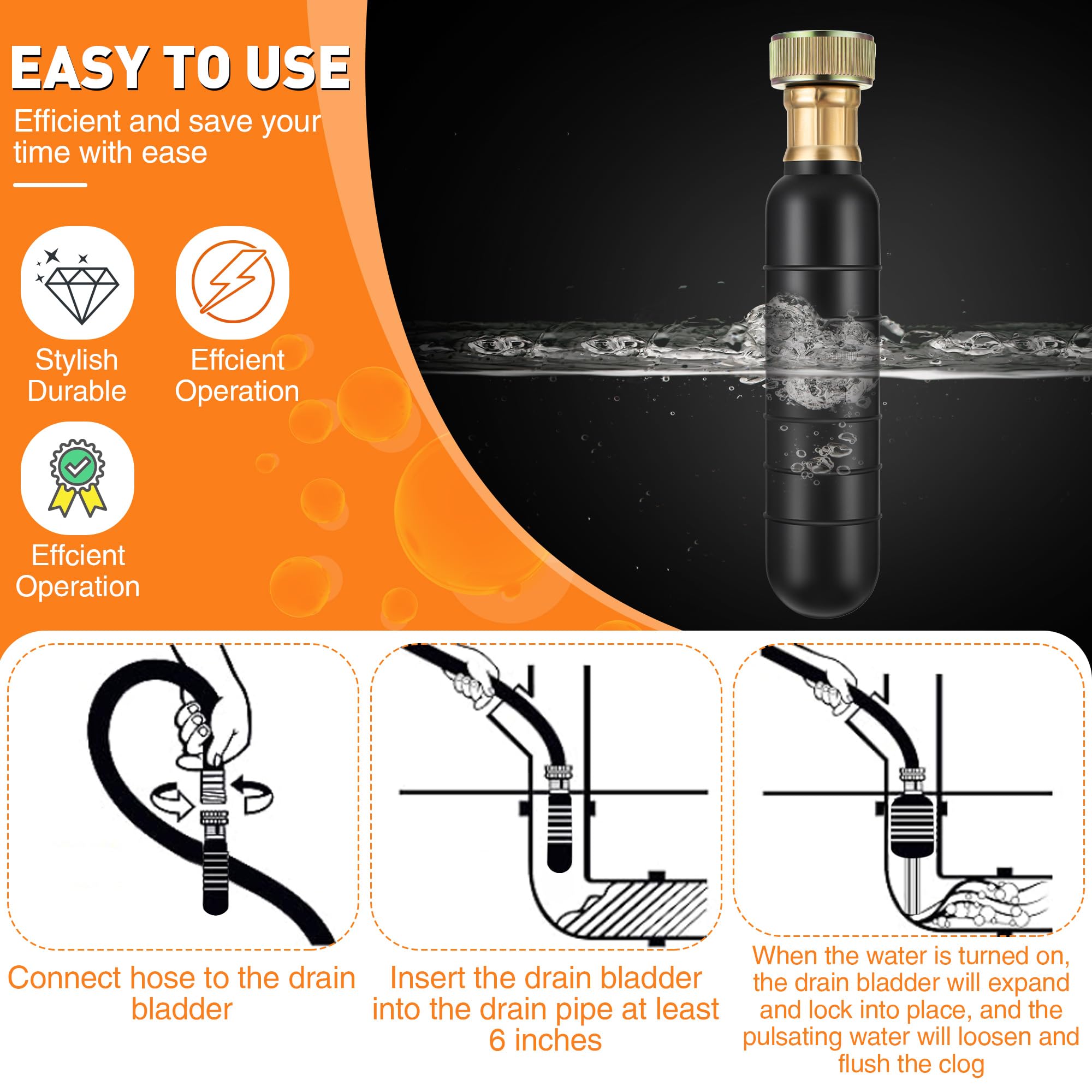
The way a drain bladder works is interesting and practical. When water flows into the bladder, it swells up and grips the sides of the pipe. This seal is important because it prevents water from flowing backward. Once the bladder is fully expanded, the only way for water to escape is forward—right through the clog.
The force can be strong enough to break up solid debris, push hair and soap scum, or even move small tree roots. However, it doesn’t use any chemicals or moving parts, which makes it safer for most pipes.
One thing that surprises many first-time users is how compact a drain bladder is when not in use. It’s easy to store and doesn’t take up much space, making it a good tool for homeowners who want to handle basic plumbing problems themselves.
Some advanced drain bladders even come with a pulsating action, creating bursts of water for extra cleaning power.
When Should You Use A Drain Bladder?
A drain bladder works best for clogs in:
- Main sewer lines
- Outdoor drains
- Basement floor drains
- Large sink drains
- Bathtub drains
- Toilet drain lines (if accessible from a cleanout)
It’s less effective for minor blockages in small-diameter pipes (like bathroom sink traps) or for grease clogs that need enzyme cleaners. A drain bladder is not suitable for old, fragile pipes that might crack under pressure.
It’s also worth noting that while drain bladders are very good for removing blockages caused by organic matter like hair, paper, or dirt, they do not dissolve materials. If your clog is made up of hard objects, like children’s toys or heavy mineral buildup, a different method may be needed.
Signs It’s Time For A Drain Bladder
- Multiple drains are slow or backed up.
- Water backs up in basement or laundry drains.
- Plunging and snaking didn’t work.
- The clog is deep in the main line, not near the fixture.
Another sign is if you hear gurgling sounds after using other methods. This can indicate a partial clog deeper in the system, which a drain bladder can often reach. If you notice foul smells coming from several drains, this can also point to a main line blockage—a good time to try a bladder.
A common mistake is to reach for chemical cleaners over and over when the problem is far down the line. Chemicals can sometimes make the problem worse by reacting with what’s in the pipe. Drain bladders, on the other hand, use only water and can reach much deeper.
Choosing The Right Drain Bladder
Picking the correct drain bladder is important for safety and effectiveness. Let’s compare the main types and sizes.
| Pipe Diameter | Bladder Size | Common Uses |
|---|---|---|
| 1–2 inches | Small bladder | Bathroom/kitchen sink, tubs |
| 2–4 inches | Medium bladder | Shower, laundry, floor drains |
| 4–6 inches | Large bladder | Main sewer, outdoor drains |
Choosing the wrong size is a common beginner’s mistake. If the bladder is too small, it won’t seal the pipe, and water may spray back. If it’s too large, it won’t fit, or it could damage the pipe. When in doubt, measure the pipe’s diameter with a tape measure or check the pipe’s labeling.
What To Look For
- Durable rubber: Bladders should be thick and flexible.
- Brass fittings: These are more reliable than plastic.
- Pressure rating: Check your home’s water pressure; most bladders work up to 80–100 PSI.
- Backflow prevention: Some models have a built-in valve.
Most hardware stores sell drain bladders for $10–$25, depending on size.
Also, consider the length of the bladder. Some models are short, which is fine for straight pipes, but longer bladders work better when you need to reach past a bend or trap. The hose connection should also be sturdy. Brass fittings resist corrosion and last longer, especially if you store the bladder in a damp place like a basement.
You might find extra features, like textured surfaces for better grip in slippery pipes or color-coded ends to quickly match sizes. While these aren’t essential, they can make the job easier for beginners.
Preparing To Use A Drain Bladder
Before you start, gather your tools and check the pipe setup.
What You Need
- Drain bladder (right size for your pipe)
- Garden hose (preferably 25–50 feet)
- Adjustable wrench (if needed for hose connection)
- Bucket and towels (in case of spills)
- Safety goggles and gloves
It’s a good idea to check that your garden hose has no kinks or leaks. A damaged hose can reduce water pressure or cause unexpected sprays. If your hose is very long, unwind it fully so water flows freely.
Check Your Pipe Access
You need a cleanout or access point near the clogged area. Cleanouts are capped openings on drain lines—usually outside, in the basement, or under sinks. If you don’t have a cleanout, you can sometimes use the pipe under the sink or in the laundry area.
If you’re not sure where your cleanout is, look for a round or square cap, sometimes metal, sometimes plastic. It may be labeled “cleanout” or just have a hex-shaped nut for unscrewing. If your home doesn’t have a visible cleanout, you may need to call a plumber or use a different method.
Safety First
Drain bladders use high water pressure. Protect your eyes and hands. If your pipes are old or fragile, check for cracks before starting. Never use a drain bladder in a pipe that’s damaged, leaking, or made from thin plastic.
Also, make sure the area around you is dry. Water and electricity don’t mix, so unplug any electrical devices near your work area. Close nearby doors to keep kids and pets out while you work.
Step-by-step Guide: Using A Drain Bladder
Here’s how to safely and effectively clear a clog using a drain bladder.
1. Locate The Clog And Access Point
Find the drain that’s backed up and locate its cleanout or pipe access. Remove the cap with a wrench or by hand.
If the cap is stuck, don’t force it with too much pressure—use penetrating oil and gently loosen. If water spills out, have a bucket ready.
2. Attach The Drain Bladder To Your Hose
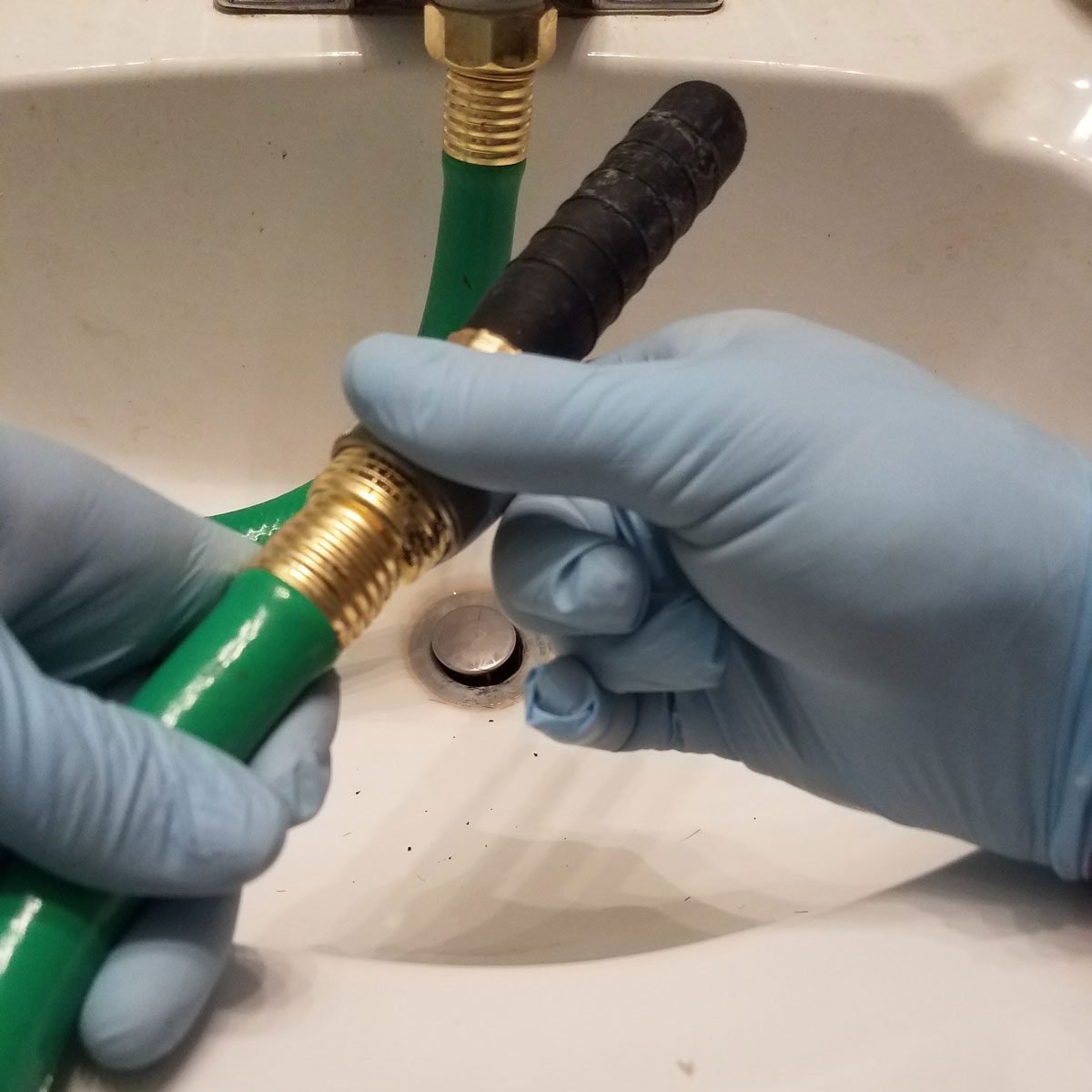
Screw the bladder onto your hose tightly. Use an adjustable wrench if needed. Make sure there are no leaks.
A snug fit is important. Even a small leak at the connection can reduce the pressure inside the pipe. If your hose has an old or rusty connector, replace it before starting.
3. Insert The Bladder Into The Pipe
Push the bladder deep into the pipe—at least 6–12 inches. It should be past the trap (U-shaped bend) if possible. Do not force it; if it gets stuck, pull it out and try again.
Sometimes you’ll feel resistance if there’s a sharp bend. Gently twist the bladder as you push. If it still won’t go, try a different access point or use a smaller bladder.
4. Turn On The Water Slowly
Start with low water pressure. The bladder will expand, sealing itself inside the pipe. Gradually increase the water flow.
Rushing to full pressure is a common mistake. Let the bladder expand slowly so it doesn’t burst or slip out. Listen for water flow and check for any leaks around the cleanout.
5. Let The Bladder Work For 2–5 Minutes
The bladder will shoot pressurized water through the clog. Most blockages clear within a few minutes. If water backs up or leaks from the pipe, turn it off and check the setup.
For stubborn clogs, you can pulse the water—turn it off for 30 seconds, then on again. This can help break up debris in layers. If you hear water rushing freely, you’ve likely cleared the clog.
6. Turn Off The Water And Remove The Bladder
Shut off the water. Wait a few seconds for pressure to drop. Pull the bladder out slowly. Be careful—some water may spill out.
Hold a towel under the pipe as you remove the bladder to catch any leftover water. Inspect the bladder for signs of wear before storing it.
7. Flush The Drain
Run water from the faucet or fixture for several minutes to ensure the clog is gone. If the drain is still slow, repeat the process or try another method.
Use hot water if possible. This helps wash away any small particles the bladder loosened but didn’t fully remove.
Practical Tips For Beginners
Many first-time users make mistakes that waste time or damage pipes. Here are some expert tips most beginners miss:
- Always check your home’s water pressure. If it’s above 100 PSI, use a pressure reducer.
- Don’t use a drain bladder on a pipe with standing water unless it’s safe to do so. Water can push back and cause leaks.
- For tough clogs, try alternating water and pause cycles. Run water for 2 minutes, pause, then repeat.
- Never leave a drain bladder unattended while water is running.
- After use, clean and dry the bladder before storing it.
Another useful trick is to have a helper watch for leaks while you operate the water. Two pairs of eyes are better than one, especially if you’re working in a basement or crawlspace.
If you’re not sure about your water pressure, simple gauges are available at hardware stores. Attaching one to an outside faucet gives you a quick reading.
Common Mistakes To Avoid
Using a drain bladder seems simple, but there are pitfalls:
- Wrong size bladder: Using a large bladder in a small pipe can cause damage.
- Not inserting deep enough: If the bladder sits in the trap, water pressure won’t reach the clog.
- Too much water pressure: Excessive pressure can burst pipes or fittings.
- Ignoring leaks: Always stop if you see water leaking from joints or fittings.
- Forgetting safety gear: High-pressure water can spray unexpectedly.
Some people try to use a drain bladder without removing nearby P-traps or S-traps. This almost always leads to water spraying back or the bladder failing to work. If in doubt, remove the trap or use a different access point.
Drain Bladder Vs. Other Drain Cleaning Methods
How does a drain bladder compare to other methods? Here’s a practical comparison.
| Method | Effectiveness | Safety | Cost | Best For |
|---|---|---|---|---|
| Drain bladder | High (for tough clogs) | Medium (risk if misuse) | Low ($10–$25) | Main lines, floor drains |
| Plunger | Medium (surface clogs) | High | Low ($5–$15) | Toilets, sinks |
| Drain snake | Medium–High | High | Medium ($20–$50) | Hair, tough clogs |
| Chemical cleaner | Low–Medium | Low (hazardous) | Low ($5–$20) | Grease, soap clogs |
| Professional plumber | Very high | Very high | High ($100+) | All clogs |
Non-obvious Insight
Drain bladders are often more effective for deep, stubborn clogs than drain snakes or chemicals. But many people don’t realize they can damage pipes if used incorrectly. Always start with the lowest pressure and watch for leaks.
Another detail is that chemical cleaners can sometimes harden certain clogs, making them even harder to remove later—something a drain bladder avoids entirely.
Troubleshooting Drain Bladder Problems
Sometimes, things don’t go as planned. Here’s how to handle common issues.
Bladder Won’t Fit
If the bladder is too big, it won’t go into the pipe. Switch to a smaller size. If the pipe is blocked by a trap or bends, try a different access point.
Some older homes have pipes with unusual bends or narrow sections. In these cases, it’s better to use a snake first, then the bladder once you have a clear path.
Water Backs Up
If water comes out of the cleanout or fixture, stop immediately. This means the clog is too tough or the bladder isn’t far enough in. Let the water drain, then try again.
Sometimes the clog is so dense that water can’t pass through at all. In these cases, don’t keep adding pressure—it can cause leaks. Try a snake to break up the clog, then use the bladder.
No Improvement After Use
If the drain is still slow, the clog may be grease or a solid object. Use a drain snake or call a plumber.
In rare cases, the problem could be a collapsed pipe or tree roots. These need professional tools, not just a bladder.
Bladder Gets Stuck
Turn off the water. Wait for pressure to drop, then gently pull out the bladder. Never force it.
You can try twisting the hose gently as you pull. If it still doesn’t move, try adding a little soapy water to the pipe for lubrication.
Drain Bladder Maintenance And Storage
A well-maintained drain bladder lasts longer and works better.
- Rinse the bladder after each use with clean water.
- Dry thoroughly before storing.
- Keep it away from sunlight and chemicals.
- Check fittings for cracks or damage before each use.
It’s also helpful to coil the hose loosely and store the bladder in a clean, dry spot. Avoid folding the bladder, as sharp bends can cause cracks over time.
If you notice any swelling, soft spots, or cracks in the rubber, replace the bladder before using it again. Damaged bladders can burst under pressure.

Safety Tips For Using A Drain Bladder
Safety is crucial when working with water pressure.
- Always wear safety goggles.
- Use gloves to protect your hands.
- Never use a drain bladder on pipes with known leaks.
- Keep children and pets away from the work area.
- If your pipes are over 40 years old, consult a plumber before use.
If you’re unsure about the condition of your pipes, look for signs like discoloration, flaking, or green corrosion on metal pipes. These all suggest it’s better to let a professional handle the job.
Real-life Example: Clearing A Basement Drain
Let’s walk through a practical scenario. Imagine your basement floor drain is backing up after heavy rain. You suspect a blockage in the main line.
- Locate the basement cleanout and remove the cap.
- Attach a medium-size drain bladder to your garden hose.
- Insert the bladder into the cleanout, past the trap.
- Slowly turn on the water; the bladder expands.
- After 3 minutes, turn off the water and pull out the bladder.
- Run water from the nearest faucet. The drain flows freely—problem solved.
If it didn’t work, you’d try again, or call a plumber for professional help.
In some cases, you might see dirty water coming back at first. This is normal and means the clog is breaking up. Be patient, and repeat the process if needed. Always clean the area well afterward to prevent mold and bacteria.
Drain Bladders: Environmental Impact And Water Usage
Drain bladders use water to clear clogs, but how much? On average, a bladder uses 5–10 gallons for a typical operation. This is less than most chemical cleaners, which require repeated flushes and can harm the environment.
Data: Water Usage Comparison
| Method | Average Water Used | Environmental Impact |
|---|---|---|
| Drain bladder | 5–10 gallons | Low (no chemicals) |
| Chemical cleaner | 15–30 gallons | High (toxic chemicals) |
| Plunger | 1–2 gallons | Low |
| Snake | 1–5 gallons | Low |
Drain bladders are a good choice if you want to avoid harsh chemicals and minimize environmental harm.
Also, since they don’t add anything to the wastewater system, municipalities prefer mechanical methods like bladders over chemical cleaners. This is especially important in homes with septic tanks, where chemicals can harm beneficial bacteria.
Advanced Tips: Getting Even Better Results
Here are some advanced tricks that most guides overlook:
- For recurring clogs, use the bladder after snaking the drain. The snake breaks up debris; the bladder flushes it out.
- If you have hard water, mineral buildup can block drains. Use the bladder at least twice a year to keep pipes clear.
- For outdoor drains, clear leaves and debris before using the bladder. This prevents re-clogging.
Another pro tip is to flush your pipes with hot water and a little dish soap before using the bladder. This softens grease and makes the water jet more effective.
If you live in a wooded area, consider using a root killer once a year to prevent tree roots from coming back. The bladder will clear the current clog, but root killers help prevent new growth.
When To Call A Professional
Some clogs are too tough for DIY methods. Call a plumber if:
- The blockage is in a main sewer line and you can’t clear it.
- There’s flooding or water damage.
- Pipes are very old or made from clay.
- You suspect tree roots are blocking the pipe.
Professional plumbers use high-powered equipment and cameras to diagnose and fix serious drain problems.
Don’t wait too long to call for help. If you notice water pooling around floor drains, strange smells, or hear bubbling from toilets, these are signs of a bigger issue.
Drain Bladder Brands And Where To Buy
Several brands make reliable drain bladders, including:
- General Pipe Cleaners
- Keeney
- Drain King
- Oatey
You can find these at hardware stores, Amazon, Home Depot, or Lowe’s. Always check reviews and make sure the bladder fits your pipe size.
The difference between brands is usually in the quality of the rubber and fittings. More expensive bladders tend to last longer and seal better. Some brands offer warranties, which can be helpful if you plan on using the bladder more than once.
For more details on how drain bladders work, check the Wikipedia page on drain cleaners.
Frequently Asked Questions
What Size Drain Bladder Should I Use?
Choose a bladder based on your pipe diameter. Small bladders fit 1–2-inch pipes (sinks, tubs). Medium bladders fit 2–4-inch pipes (floor drains, showers). Large bladders fit 4–6-inch pipes (main sewer lines).
If you’re unsure, take a picture of your pipe and show it to a hardware store associate. They can help you pick the right size.
Can I Use A Drain Bladder In A Toilet?
It’s possible, but not recommended. Toilets have bends and traps that make bladder insertion tricky. If you try, use a small bladder and insert through a cleanout if available.
The risk of damaging the toilet’s porcelain or rubber seals is high, so plungers are usually safer for toilet clogs.
Will A Drain Bladder Damage My Pipes?
A drain bladder is safe for most pipes if used correctly. Avoid using high pressure, and don’t use on fragile, old, or cracked pipes. Always inspect pipes before and after use.
If you have PVC or ABS plastic pipes in good condition, a bladder is generally safe. For old metal pipes, use low pressure and check for leaks.
How Often Should I Use A Drain Bladder?
Use a drain bladder only when you have a tough clog. For maintenance, once or twice a year can help keep main lines clear—especially in homes with hard water or frequent blockages.
Regular use can prevent major backups, but don’t overdo it. Too much pressure, too often, can wear out old pipes.
What Should I Do If The Drain Bladder Gets Stuck?
Turn off the water and let pressure drop. Gently pull the bladder out. If it won’t budge, try twisting or lubricating the hose. If it’s still stuck, call a plumber to avoid damaging the pipe.
Never yank hard on the hose, as this can break the fitting or the pipe itself.
Using a drain bladder is a straightforward way to clear stubborn clogs—if you follow the right steps. With the proper size, careful setup, and safe operation, you can solve most drain problems yourself. A little knowledge goes a long way, and with these expert tips, you’ll handle drain issues like a pro. Remember: safety, patience, and preparation are key. If all else fails, don’t hesitate to call in a professional.