
Drilling a hole in wood or metal may look simple, but if you want a clean, accurate result, there’s a step you shouldn’t skip: making a pilot hole. Many beginners ignore this, but even professionals rely on pilot holes for smoother, safer, and stronger construction. Whether you’re building furniture, hanging shelves, or assembling anything with screws, learning how to drill a pilot hole will save you time, effort, and even money by preventing cracked wood or broken screws. Let’s explore why pilot holes matter, how to do them right, and some expert tips that will make your next project easier and more reliable.
What Is A Pilot Hole And Why Is It Important?
A pilot hole is a small, pre-drilled hole that guides a screw or nail into a material. It acts as a pathway, helping the fastener go in straight and reducing stress on the surrounding material. This is especially important for hardwoods, brittle plastics, and metals where driving a screw directly can cause splitting or damage.
Without a pilot hole, several problems can occur:
- Wood splits: Driving screws directly into wood, especially near the edge, often causes cracking.
- Misaligned screws: Screws can wander or go in at an angle, leading to poor joints.
- Stripped threads: The force needed to drive a screw into tough material can strip the screw head or threads.
- Broken screws: If the screw is too large or the material too hard, the screw can snap.
Drilling pilot holes is a small step with big benefits. It’s one of those details that separates professional-looking work from amateur results.
When Should You Drill A Pilot Hole?
You don’t always need a pilot hole, but there are specific times when it’s essential:
- Hardwoods: Materials like oak, maple, and walnut split easily without a pilot hole.
- Close to edges: Screwing near the edge of wood or composite boards increases the risk of splitting.
- Large screws: The bigger the screw, the more force is required, which can damage the material.
- Thin materials: Thin boards or sheet metal may deform if you drive screws directly.
- Precise alignment: For perfectly straight screws or dowels, pilot holes act as a guide.
- Metalwork: Drilling metal without a pilot hole often causes the bit to wander.
Skipping the pilot hole is a common beginner mistake, leading to frustration and costly errors.

Tools And Materials You’ll Need
Before you start, gather these essentials:
- Drill: Corded or cordless, with variable speed is best.
- Drill bits: Twist bits for wood/metal, brad-point bits for extra clean wood holes.
- Screws or fasteners: Pick the right size and type for your project.
- Measuring tape or ruler: For accurate placement.
- Pencil or marker: To mark the spot.
- Center punch: For metal or hard woods, to prevent bit wandering.
- Clamp or vise: To hold your work steady.
- Safety glasses: Protect your eyes from dust and debris.
Optional extras:
- Countersink bit: To create a space for the screw head to sit flush.
- Depth stop: Ensures you don’t drill too deep.
Choosing the right drill bit and screw size is key, so let’s look at how to match them.
How To Choose The Right Size For Your Pilot Hole
The pilot hole should be just large enough for the screw to go in easily, but small enough for the threads to grip the material. If it’s too small, you risk splitting or breaking. Too large, and the screw won’t hold.
Here’s a quick guide:
- For wood screws, the pilot hole should match the screw’s core (minor) diameter, not including the threads.
- For softwoods, the hole can be slightly smaller than the screw’s core.
- For hardwoods, match the core diameter exactly.
- For metal, the hole should be almost as large as the screw’s diameter, since metal doesn’t compress.
A practical tip: hold the drill bit in front of the screw. If you can see the threads sticking out on both sides of the bit, it’s the right size.
Common Pilot Hole Sizes
Here’s a comparison to help you choose:
| Screw Size | Pilot Hole Size (Softwood) | Pilot Hole Size (Hardwood) |
|---|---|---|
| #6 (3.5mm) | 1/16″ (1.5mm) | 5/64″ (2mm) |
| #8 (4mm) | 3/32″ (2.4mm) | 7/64″ (2.8mm) |
| #10 (5mm) | 7/64″ (2.8mm) | 1/8″ (3.2mm) |
Always check the screw packaging for recommended drill bit sizes, as sizes can vary.
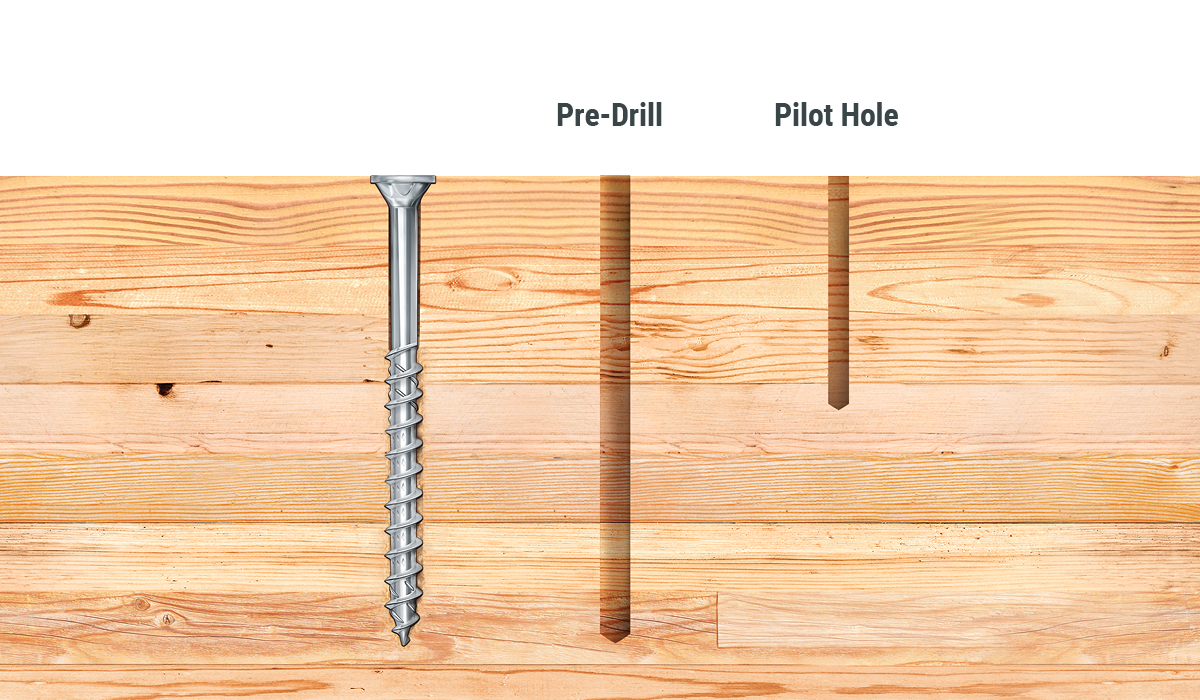
Step-by-step Guide: How To Drill A Pilot Hole
Follow these steps for a perfect pilot hole every time:
1. Mark The Spot
Use a pencil or marker to make a clear dot where you want the hole. For accuracy, especially with multiple holes, measure carefully. In visible areas, use a sharp awl or nail to make a small dent to guide the drill bit.
2. Secure Your Workpiece
Clamp your wood or metal to a stable surface. This prevents slipping, which can cause injury or ruin your project. Even a small movement can result in a crooked hole.
3. Select The Right Drill Bit
Match your bit to the screw size as described earlier. For wood, a brad-point bit gives a cleaner entry. For metal, use a standard twist bit.
4. Set The Drill Bit In The Drill
Insert the bit into the drill’s chuck and tighten it securely. Make sure it’s straight—wobbly bits can make the hole oversized or off-center.
5. Position The Drill
Hold the drill at a 90-degree angle (perpendicular) to the work surface unless you need an angled hole. Start with the tip of the bit in your marked spot.
6. Drill Slowly And Steadily
Start the drill at a low speed. For wood, gentle pressure is enough. For metal, very slow speed and steady pressure prevent overheating. Let the bit do the work—don’t force it.
If you’re drilling deep, pull the bit out occasionally to clear chips and prevent jamming.
7. Check The Depth
If your screw needs to go to a certain depth, mark the drill bit with tape at the right spot. Stop drilling when you reach the tape. This simple trick avoids drilling too deep or not deep enough.
8. Optional: Countersink The Hole
If you want the screw head to sit flush with the surface, use a countersink bit to widen the top of the pilot hole slightly. This step is common in furniture or trim work for a neat finish.
9. Insert The Screw
Now, drive the screw into the pilot hole. It should go in smoothly and straight, with much less effort than without a pilot hole.
10. Inspect Your Work
Check for cracks, splits, or rough edges. The screw should be secure and the surface undamaged.
Tips For Drilling Pilot Holes In Different Materials
Not all materials behave the same. Here’s how to adjust your technique:
Wood
- For softwoods like pine or cedar, pilot holes can be slightly smaller.
- For hardwoods like oak or maple, always match the core size to avoid splitting.
- If working with MDF or plywood, use sharp bits and avoid getting too close to the edge.
Metal
- Always use a center punch to create a small dent where you want the hole. This keeps the bit from slipping.
- Use oil or lubricant to reduce heat and wear on the bit.
- Drill at low speeds and take breaks to let the bit cool.
Plastic
- Use sharp bits, as dull ones can melt or crack plastic.
- Drill at medium speed and avoid pressing too hard.
- Back up thin plastic with scrap wood to prevent cracking.
Masonry
- For brick or concrete, use a masonry bit and a hammer drill.
- Start with a smaller pilot hole, then widen if needed.
- Use water or a spray bottle to reduce dust and cool the bit.
Each material has its own quirks. Practicing on scrap pieces first is a smart way to avoid mistakes.
Advanced Techniques And Pro Tips
Even experienced DIYers can improve their results with these lesser-known insights:
- Double pilot holes: For very large or long screws, drill a small pilot hole first, then a slightly larger one to match the screw’s upper shank.
- Pilot holes for nails: In hardwoods, even nails benefit from a small pilot hole to prevent splitting.
- Drilling at an angle: For angled holes (like pocket holes), use a special jig or start with a straight pilot hole, then tilt the bit.
- Depth stops: Use a collar or a piece of tape around the bit to control depth, especially in delicate work.
- Clean up burrs: In metal or plastic, use a countersink or a file to smooth sharp edges left by the drill.
- Screw lubrication: For tough or sticky materials, rub the screw threads on a bar of soap or wax before driving.
One thing many beginners miss: bit quality matters. Cheap, dull bits can burn, wander, or break, leading to poor results. Invest in a set of good-quality bits, and replace them when they get dull.
Comparison: Pilot Hole Vs. No Pilot Hole
To see the difference, here’s a side-by-side comparison:
| With Pilot Hole | Without Pilot Hole |
|---|---|
| Screw goes in straight and smooth | Screw can split wood or wander off-line |
| Material stays intact, no splitting | Edges may crack, especially in hardwood |
| Screw threads grip tightly | Threads may strip or the screw may break |
| Cleaner, more professional finish | Rough or uneven results |
Most woodworking and DIY guides strongly recommend pilot holes for best results.

Common Mistakes To Avoid
Many first-timers make the same errors when drilling pilot holes. Watch out for these:
- Using the wrong size bit: Too small splits the wood, too large leads to loose screws.
- Skipping clamps: If your material moves, your hole will be crooked or in the wrong place.
- Drilling too fast: High speed can overheat the bit and burn the material.
- Not clearing chips: Chips left in the hole can cause binding or rough edges.
- Forgetting to countersink: In visible spots, screws that stick out look unprofessional.
- Ignoring safety: Not wearing safety glasses can lead to eye injuries from flying debris.
- Wrong bit type: Using a wood bit on metal, or vice versa, leads to poor performance and can damage your tools.
One extra tip: always double-check your measurements. A misplaced pilot hole means the whole project can be out of alignment.
How To Repair A Misplaced Or Oversized Pilot Hole
Mistakes happen. If you drill a hole in the wrong spot or make it too big, here’s how to fix it:
- For wood: Fill the hole with a wooden dowel or toothpick coated in wood glue. Let it dry, then sand smooth and drill again.
- For metal: Use a metal plug or epoxy to fill the hole. Once set, re-drill at the correct spot.
- For visible repairs: Use matching filler and touch up with paint or stain for a clean finish.
Fixing errors is part of every DIY journey. The key is to act quickly and carefully for the best results.
Safety Precautions When Drilling Pilot Holes
Drilling may seem safe, but there are real risks if you don’t use care:
- Always wear safety glasses to protect your eyes from chips and dust.
- Clamp your workpiece securely to avoid slips and accidental injuries.
- Keep hands clear of the spinning drill bit at all times.
- Use sharp, undamaged bits to prevent them from catching or breaking.
- Don’t wear loose clothing or jewelry that could get caught in the drill.
- For metal or masonry, wear gloves and use hearing protection if needed.
For more in-depth safety guidelines, check resources like the Occupational Safety and Health Administration (OSHA).
Drilling Pilot Holes For Special Fasteners
Not all screws and fasteners are the same. Here’s how pilot holes work with different types:
- Drywall anchors: Most need a pilot hole in the wall before the anchor is hammered or screwed in.
- Lag bolts: These large fasteners always require a pilot hole, often with a second, wider hole for the shank.
- Self-tapping screws: In thin metal, the screw can create its own threads, but a small pilot hole helps prevent wandering.
- Pocket hole screws: Use a special jig and bit to drill an angled pilot hole for strong, hidden joints.
- Deck screws: In treated wood, pilot holes reduce splitting and make installation easier.
Check the manufacturer’s recommendations for each fastener.
Using A Drill Guide Or Jig For Accuracy
For perfect alignment, especially when drilling multiple pilot holes, consider using a drill guide or jig. These tools:
- Keep the drill at the correct angle
- Ensure holes are spaced evenly
- Prevent bit wandering, especially on slippery surfaces
Jigs are available for various tasks, from pocket holes to dowels. For custom projects, you can even make your own from scrap wood.
Real-world Example: Building A Simple Shelf
To see pilot holes in action, let’s look at building a wall shelf:
- Measure and mark the bracket locations on the wall.
- Drill pilot holes at each mark, matching the size to your wall anchors.
- Insert wall anchors into the holes.
- Attach the shelf brackets using screws driven into the pilot holes.
- Mount the shelf, checking for level and stability.
Without pilot holes, the screws might split the drywall, and the shelf could be loose or crooked. This simple project shows the value of pilot holes for strength and appearance.
Table: Drill Bit Types For Pilot Holes
Choosing the right bit improves accuracy and finish. Here’s a quick comparison:
| Bit Type | Best For | Notes |
|---|---|---|
| Twist Bit | Wood, Metal, Plastic | Most common, affordable, easy to find |
| Brad-Point Bit | Wood | Clean entry, reduces wandering |
| Masonry Bit | Brick, Concrete | Use with hammer drill for hard materials |
| Spade Bit | Large Holes in Wood | Not for pilot holes, but useful for big fasteners |
Most pilot holes use twist or brad-point bits.
Maintenance: Caring For Your Drill Bits
Sharp bits drill cleaner holes. Here’s how to keep them in good shape:
- Clean after use: Wipe bits to remove debris and moisture.
- Sharpen as needed: Dull bits make rough holes and can damage material.
- Store safely: Keep bits in a case or holder to protect the cutting edges.
- Inspect regularly: Replace bits that are bent, chipped, or worn.
Investing a little time in maintenance pays off with better results and longer tool life.
Frequently Asked Questions
What Size Drill Bit Should I Use For A Pilot Hole?
Choose a bit that matches the screw’s core diameter (not including the threads). For softwoods, go slightly smaller; for hardwoods and metal, match the core. If unsure, hold the bit in front of the screw—the threads should stick out on both sides.
Do I Need A Pilot Hole For Every Screw?
Not always. For small screws in softwood or drywall, you can sometimes skip it. But in hardwood, near edges, or with large screws, a pilot hole is recommended to avoid splitting and for easier driving.
Can I Use A Regular Drill Bit For Pilot Holes In Metal?
Yes, but use a standard twist bit made for metal. Always start with a center punch to prevent wandering, use oil for lubrication, and drill at a slow speed.
What If My Pilot Hole Is Too Big?
If the hole is oversized, the screw will not grip well. In wood, fill the hole with a glued dowel or toothpicks, let it dry, and re-drill. In metal, use epoxy or a metal plug, then re-drill.
How Deep Should A Pilot Hole Be?
The pilot hole should be at least as deep as the length of the screw, sometimes slightly deeper. Mark your drill bit with tape as a depth guide to avoid going too shallow or deep.
Drilling a pilot hole is a simple skill, but it makes a big difference in the quality of your projects. By understanding when, why, and how to drill pilot holes, you’ll achieve cleaner, stronger, and more professional results every time.
With practice, you’ll work faster, avoid mistakes, and enjoy the satisfaction of a job well done.