
When winter arrives and heavy snow covers your driveway or sidewalk, a snow blower can save you hours of hard work. But using one is not as simple as turning it on and pushing it forward. If you’re new to snow blowers, or even if you’ve used one before, understanding the right steps and safety tips makes a huge difference.
Using a snow blower the wrong way can be dangerous and may also damage your equipment or property. This guide will show you everything you need to know to use a snow blower confidently and efficiently, even if you’ve never touched one before.
Understanding Snow Blowers
Snow blowers, also known as snow throwers, are machines designed to remove snow from areas like driveways, sidewalks, and patios. They come in different types, sizes, and power sources. Choosing the right snow blower and knowing how it works is the first step to clearing snow safely.
Types Of Snow Blowers
There are three main types of snow blowers:
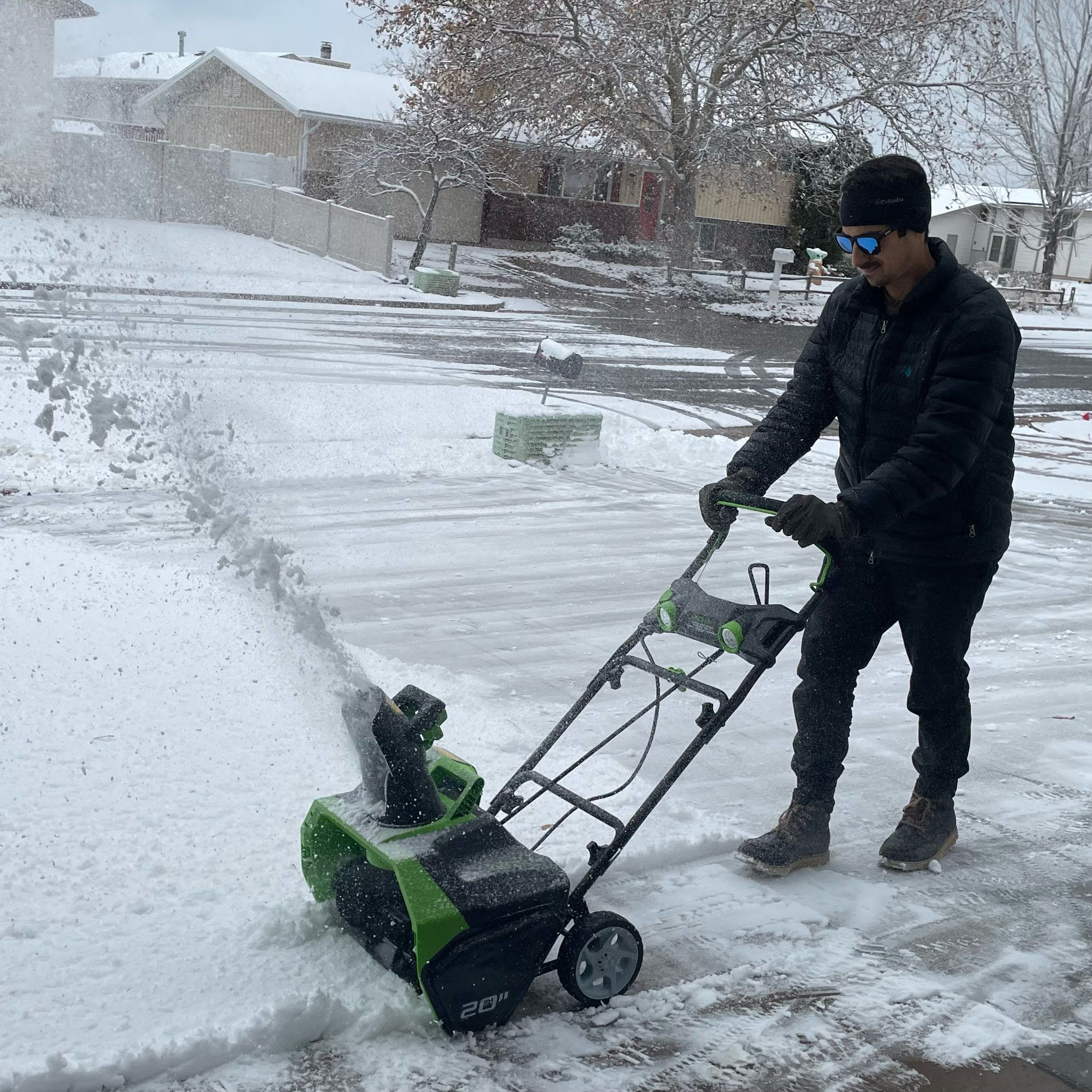
- Single-stage snow blowers: These are lightweight and easy to use. They use one auger to scoop and throw snow. Best for small, paved areas with light to moderate snowfall (up to 8 inches).
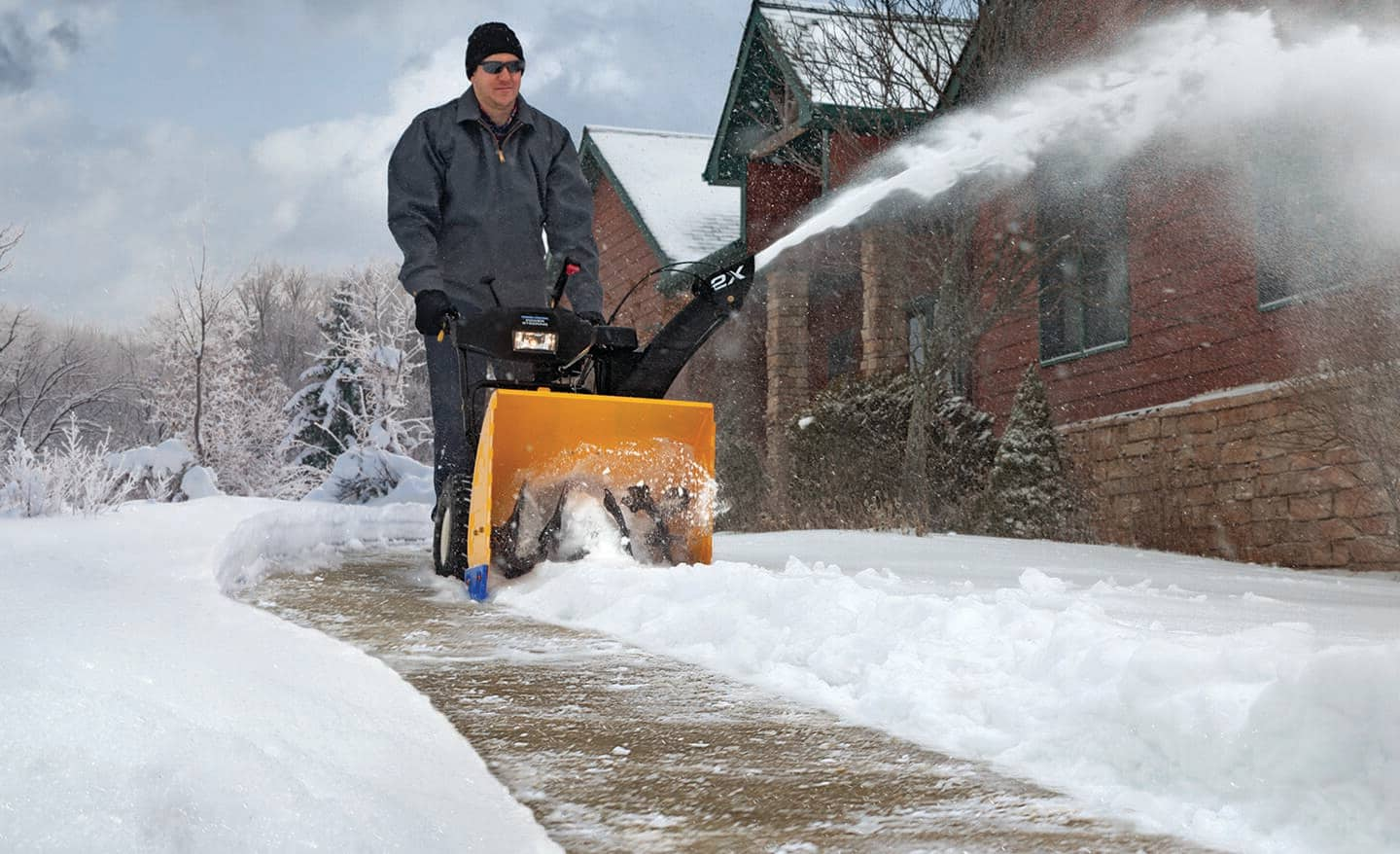
- Two-stage snow blowers: These have an auger and an impeller. The auger collects snow and the impeller throws it out. They are more powerful and can handle deeper, heavier snow (up to 18 inches).
- Three-stage snow blowers: These add an accelerator to break up compacted snow and ice. They are the most powerful and are suitable for very heavy, wet, or icy snow.
Power Source
- Electric: Quieter and easier to start. Good for small areas and light snow, but limited by cord length or battery life.
- Gasoline: More powerful, better for large areas and deep snow. Require more maintenance and can be noisy.
Quick Comparison
Here is a side-by-side look at snow blower types:
| Type | Best For | Snow Depth | Power Source | Weight |
|---|---|---|---|---|
| Single-stage | Small driveways/sidewalks | Up to 8 in (20 cm) | Electric/Gas | Light |
| Two-stage | Medium/large driveways | Up to 18 in (45 cm) | Gas | Medium |
| Three-stage | Large areas, heavy snow | Over 18 in (45+ cm) | Gas | Heavy |
Many beginners make the mistake of buying a snow blower that’s too large or too small. Always choose based on your typical snow conditions and the size of the area you need to clear.
Getting Ready To Use Your Snow Blower
Preparation is key for safe and effective snow removal. Skipping these steps can lead to accidents or damage.
Read The Manual
Never skip the user manual. Every snow blower is a little different. The manual explains the controls, safety features, maintenance, and troubleshooting steps for your specific model. Even experienced users learn something new from reading the manual.
Check The Area
Before starting, walk around the area you need to clear. Remove objects like:
- Branches
- Rocks
- Newspapers
- Doormats
- Toys
These can get stuck in the auger and damage the machine or cause injury. Mark hidden objects or obstacles with tall stakes. Many people forget this step and end up damaging their snow blower or even breaking windows when objects shoot out of the chute.
Inspect The Snow Blower
Look for loose, damaged, or missing parts. Check:
- Tire pressure (for gas models)
- Auger and impeller for damage
- Fuel and oil levels (gas models)
- Battery charge (for cordless models)
- Cords (for electric models)
Replace worn-out shear pins and bolts if needed. Shear pins are designed to break if the auger hits something hard, protecting the machine from serious damage.
Dress For Safety
Wear warm, fitted clothing that won’t get caught in moving parts. Always use:
- Gloves (preferably waterproof and insulated)
- Boots with good traction
- Safety glasses or goggles
- Hearing protection (for gas models)
Never wear loose scarves or hanging accessories.
Fueling And Power
- For gas models, always refuel outside and with the engine off and cool.
- For electric models, use outdoor-rated extension cords and avoid wet areas.
Weather Conditions
Avoid using your snow blower during blizzards, extreme cold, or high winds. Poor visibility can make it hard to see obstacles or people. If possible, start clearing snow before it gets too deep or packed down, as fresh snow is much easier to remove.
Starting The Snow Blower
Starting your snow blower correctly prevents engine damage and makes the process smoother.
How To Start A Gas Snow Blower
- Move the machine outdoors.
- Make sure the auger and drive controls are disengaged.
- Set the choke to “full” if the engine is cold.
- Press the primer bulb (usually 2–3 times).
- Turn the ignition key or switch to “on.”
- Pull the starter cord or press the electric start button.
- Once it starts, slowly adjust the choke to “run.”
If it doesn’t start after several tries, wait a few minutes. Flooding the engine with fuel is a common beginner mistake.
How To Start An Electric Snow Blower
- Plug in the cord or insert the battery.
- Make sure the auger is disengaged.
- Press the safety key or button.
- Hold the starter switch until the engine runs.
Always unplug or turn off the machine before checking or adjusting anything.
Operating The Snow Blower
Once your snow blower is running, use these steps for efficient and safe snow removal.
Adjust The Chute
Set the chute direction and angle before you begin. Aim the snow away from people, cars, windows, and doors. Most chutes can be adjusted using a lever or crank. Avoid aiming snow onto neighboring properties.
Plan Your Path
Start with a plan. The most efficient way is to move up and down your driveway or sidewalk in straight lines, overlapping each pass slightly. For driveways, work from the center outward, throwing snow to both sides. For walkways, start at the edge and work across.
If possible, clear snow with the wind, not against it.
How To Move The Snow Blower
- Keep a steady, slow pace. Going too fast can clog the machine.
- For two- and three-stage models, use drive controls to adjust speed.
- Do not force the machine through deep or heavy snow.
- If snow is deep, remove it in layers.
Efficient Technique
Experienced users know that waiting for the storm to end can make snow removal much harder. It’s often better to clear snow once in the middle of a heavy snowfall, then again at the end. Lighter loads are easier on both you and your machine.
Watch For Clogs
If the chute or auger becomes clogged:
- Turn off the snow blower.
- Wait for all moving parts to stop.
- Use a clean-out tool or stick to remove snow. Never use your hands.
Clogs are more common with wet, heavy snow. Spraying the chute with cooking spray or a special non-stick spray can help prevent this.
Turning And Maneuvering
- For single-stage models, simply tilt and pivot the handle.
- For larger two- and three-stage models, use power steering levers if available.
- Make wide turns to avoid getting stuck.
Overlapping Passes
Overlap each pass by at least a few inches to ensure complete snow removal. This prevents leaving a thin layer that can freeze into ice.
Clearing Curbs And Edges
Use caution near the street, as snow plows often leave heavy, compacted piles (known as “plow berms”). Remove these in small sections to avoid overloading the machine.
Safety Tips For Using A Snow Blower
Snow blowers are powerful machines. Safe operation prevents injuries and accidents.
- Never put your hands near the auger or chute, even if the engine is off.
- Keep children and pets away from the work area.
- Be alert for people and vehicles passing by, especially if you are near a road.
- Watch for cords (on electric models) and avoid running them over.
- Don’t use the machine on steep slopes. Always work across the slope, not up and down.
- Stay clear of the discharge chute while in use.
- Turn off the engine before making adjustments, cleaning, or unclogging.
- Refuel only when the engine is cool and outdoors.
- Use hearing protection for gas-powered models.
- Don’t operate under the influence of drugs, alcohol, or medication that affects your alertness.
Non-obvious Safety Insights
- Many accidents happen not during use, but during unclogging. Always use a tool, never your hands.
- Wet, heavy snow can cause kickback—a sudden movement of the machine. Keep a firm grip on the handles at all times.
Clearing Different Types Of Snow
Not all snow is the same. The way you use your snow blower may change based on snow conditions.
Light, Powdery Snow
- Move quickly, as light snow is easier to clear.
- Use a lower chute angle to avoid blowing snow into the wind.
Wet, Heavy Snow
- Move slowly and take smaller passes.
- Wet snow is more likely to clog the chute—clear it frequently.
- Apply non-stick spray to the chute and auger.
Deep Snow
- Raise the height adjustment if possible.
- Remove in layers, taking off the top half first.
Icy Or Compacted Snow
- Use a three-stage blower for best results.
- Break up ice with a shovel if the snow blower cannot handle it.
End-of-driveway (plow Pile) Snow
- This is often the toughest snow to remove.
- Attack the pile from the sides, not head-on.
- Take small bites to avoid clogging or damaging the machine.
Snow Blower Maintenance
Regular maintenance keeps your snow blower running smoothly and extends its life.
After Each Use
- Let the engine cool, then brush off snow and ice.
- Wipe down the machine to prevent rust.
- Check for loose or damaged parts.
Regular Maintenance Tasks
- Change the oil (for gas models) as recommended by the manufacturer.
- Check and replace spark plugs.
- Lubricate moving parts, including the auger and chute.
- Inspect and replace worn-out shear pins.
- Check belts for cracks or wear.
- Clean or replace the air filter.
- Charge or replace the battery (for cordless models).
Seasonal Storage
- Empty fuel or add a fuel stabilizer (for gas models).
- Store in a dry, covered place.
- Remove the battery for storage (cordless models).
- Cover the machine to protect from dust and moisture.
Maintenance Schedule Example
| Task | Frequency | Notes |
|---|---|---|
| Check oil level | Every use | Top up as needed |
| Replace spark plug | Once per season | Use recommended type |
| Inspect belts | Monthly | Replace if worn |
| Lubricate parts | Monthly | Use manufacturer’s oil |
| Empty fuel | End of season | Or use stabilizer |
Common Maintenance Mistakes
- Forgetting to check oil or fuel levels before each use.
- Not clearing wet snow and ice from the machine, which can cause rust.
- Using old fuel, which can damage the engine.
- Waiting until the machine breaks before replacing shear pins.
Advanced Tips For Efficient Snow Removal
Even if you know the basics, a few expert tricks can save time and effort.
Timing Matters
- Clear snow early and often. Don’t wait until snow piles up.
- If more snow is expected, do a quick clean-up now and a final pass later.
Optimize Chute Direction
- Adjust the chute to throw snow with the wind, not against it.
- Change the direction to avoid blowing snow back onto areas you’ve cleared.
Overlap And Layering
- Overlap your passes to avoid thin strips of snow that can refreeze.
- For very deep snow, clear in layers from top to bottom.
Use The Right Speed
- Going too fast can clog the machine and leave snow behind.
- Too slow can waste time and make the job harder.
Protect Your Surfaces
- Use skid shoes to adjust the auger height and avoid scraping gravel or delicate surfaces.
- For gravel driveways, keep the auger high to avoid picking up rocks.
Storage After Use
- Let the engine cool before storing.
- Cover the snow blower to keep it dry and rust-free.
Non-obvious Insight
Many people don’t realize that snow blowers can sometimes leave a thin layer of compacted snow. If temperatures drop, this layer turns to ice and can be dangerous. Consider using salt or sand on the cleared surface to prevent slipping.

Troubleshooting Common Problems
Snow blowers are tough, but problems can still happen. Here’s how to solve the most frequent issues.
Snow Blower Won’t Start
- Check the fuel (gas) or battery (cordless).
- Make sure the choke and primer are set correctly.
- Replace the spark plug if needed.
- For electric models, check the cord and outlet.
Clogged Chute
- Turn off the machine and wait for all moving parts to stop.
- Use a clean-out tool to clear the blockage.
- Spray the chute with non-stick spray to prevent future clogs.
Machine Moves Slowly Or Not At All
- Check the drive belt for wear or damage.
- Make sure the tires are properly inflated (gas models).
- If self-propelled, check that the drive control is engaged.
Auger Doesn’t Spin
- Inspect for broken shear pins and replace if needed.
- Check for obstructions.
- Make sure the auger control is working.
Snow Is Not Thrown Far Enough
- Check for clogs in the chute or auger.
- Make sure engine speed is set to high.
- Wet, heavy snow may require slower passes.
Quick Troubleshooting Table
| Problem | Possible Cause | Solution |
|---|---|---|
| Won’t start | Empty fuel, bad spark plug, dead battery | Refuel, replace plug, charge battery |
| Clogged chute | Wet snow, fast speed | Clear clog, slow down, use non-stick spray |
| No auger movement | Broken shear pin | Replace shear pin |
| Slow movement | Worn belt, flat tire | Replace belt, inflate tire |
Environmental And Local Considerations
Snow blowers are powerful, but they can impact your surroundings.
- Noise: Gas models are loud. Be considerate of neighbors, especially early in the morning or late at night.
- Emissions: Gasoline engines release exhaust. Electric models are cleaner and quieter.
- Laws and Ordinances: Some areas have rules about when you can use snow blowers. Check local regulations.
- Snow Disposal: Don’t blow snow into the street or onto neighbors’ property. Many cities fine for this.
- Wildlife and Pets: Check for animals, like small pets or birds, hiding in snowbanks before clearing.
For more information on safe and environmentally friendly snow removal, see the U.S. Environmental Protection Agency.
Frequently Asked Questions
How Do I Keep My Snow Blower From Clogging?
To prevent clogs, move at a steady pace and avoid overloading the machine, especially with wet, heavy snow. Spray the chute and auger with a non-stick spray or light cooking oil before starting. Always clear clogs with a clean-out tool, never your hands.
Can I Use A Snow Blower On Gravel Driveways?
Yes, but you must adjust the height of the auger using skid shoes. This keeps the auger from picking up rocks and throwing them, which can be dangerous and damage the machine. Move slowly and be extra cautious.
How Often Should I Maintain My Snow Blower?
Check oil, fuel, and basic parts before every use. Do more thorough maintenance—like oil changes, belt checks, and spark plug replacements—at least once per season. Always follow the manufacturer’s maintenance schedule.
What Should I Do If My Snow Blower Won’t Start?
First, check the basics: fuel level (gas), battery charge (cordless), power cord and outlet (electric). Make sure the choke is set correctly and the spark plug is clean. If it still won’t start, consult your manual or a professional.
Is It Safe To Use A Snow Blower On Steep Slopes?
It’s not recommended. Snow blowers can tip over or lose traction on steep slopes, which is dangerous. If you must clear a slope, work across it, not up and down, and use extreme caution.
Using a snow blower can transform a tough winter job into a much easier task, but only if you use it correctly. Take the time to choose the right machine, prepare your area, and follow safety steps every time. Good habits and regular maintenance will keep your snow blower working for years.
Remember, the more you understand your equipment and snow conditions, the safer and more effective your snow removal will be. Stay warm, stay safe, and enjoy the winter with confidence.