
Washing your car with a pressure washer can feel almost magical when done right. The thick layer of dust, mud, and road grime that seemed stuck for weeks suddenly lifts away, revealing a sparkling surface beneath. But, if you’ve never used a pressure washer for your car, it’s easy to worry: Will it damage the paint? Is it safe for all parts? How do you avoid streaks and water spots? This guide will walk you through everything you need to know, from choosing the right equipment to the final drying touches. Along the way, you’ll find practical tips, common mistakes to avoid, and insights that many beginners miss. By the end, you’ll have the confidence to clean your car safely, efficiently, and with results that make your neighbors take notice.
Why Use A Pressure Washer For Car Cleaning?
A regular garden hose can remove loose dirt, but it rarely gives a deep clean. Pressure washers use high-pressure water to blast away stubborn grime, old wax, brake dust, and tar. This means you spend less time scrubbing and avoid scratching your paint. The process is not only faster, but it also uses less water compared to traditional hose washing.
However, the power of a pressure washer is a double-edged sword. Too much pressure or the wrong technique can harm your car. That’s why understanding the right process is essential.
Choosing The Right Pressure Washer
Not all pressure washers are created equal—especially for cars. The right type makes a huge difference in both effectiveness and safety.
Electric Vs. Gas Pressure Washers
Most people choose electric pressure washers for cars because they are lighter, quieter, and have the right amount of power. Gas models are often too strong and better suited for large outdoor surfaces like driveways.
| Feature | Electric | Gas |
|---|---|---|
| Pressure (PSI) | 1200–2000 | 2000–3500+ |
| Weight | Light–Medium | Heavy |
| Noise | Low | High |
| Best Use | Cars, bikes | Driveways, siding |
Psi And Gpm: What Matters?
- PSI (Pounds per Square Inch): Indicates water pressure. For cars, 1200–1900 PSI is ideal.
- GPM (Gallons per Minute): Shows water flow. 1.4–1.6 GPM is enough for most vehicles.
Avoid washers above 2000 PSI unless adjustable. Too much pressure can strip paint or push water into seals.
Nozzle Selection
Pressure washers come with different colored nozzles that control the spray angle:
- White (40°): Gentle, wide spray. Best for car paint.
- Green (25°): Slightly stronger. Good for wheels and tires, but use with care.
- Black (Soap): Low-pressure for applying soap.
Never use red (0°) or yellow (15°) nozzles on your car—they can damage paint or trim.
Accessories That Help
- Foam cannon or soap applicator: Applies car shampoo as thick foam.
- Extension wands: Help reach the roof and lower panels.
- Rotating brushes: For wheels and stubborn spots (optional).
Preparing Your Car And Workspace
Preparation sets the stage for a safe, effective wash.
Parking And Environment
Choose a shaded, open area. Direct sunlight dries water too quickly, causing water spots. Ensure all windows and doors are closed. If possible, remove or fold in side mirrors and antenna.
Gathering Supplies
You’ll need:
- Pressure washer with correct nozzle
- Car shampoo (never dish soap)
- Two buckets (one for clean water, one for rinsing)
- Wash mitt or microfiber sponge
- Wheel cleaner and separate brush
- Drying towels (preferably microfiber)
- Foam cannon (optional, but highly recommended)
Protecting Sensitive Areas
Tape or cover any exposed electronics, especially on older cars. Avoid spraying high-pressure water directly at door locks, sunroof seals, or the engine bay.
Step-by-step Process: How To Wash Your Car With A Pressure Washer
Let’s break down the process so you get a thorough, safe clean every time.
1. Initial Rinse
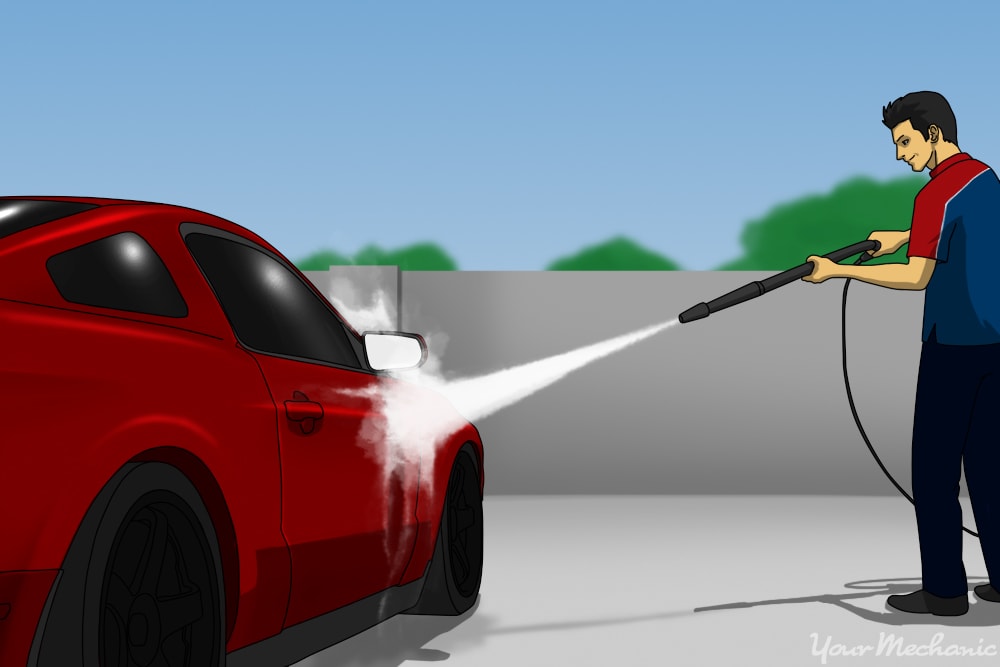
Attach the white (40°) nozzle. Stand at least 3 feet from the car and rinse the entire vehicle, starting at the roof and working down. This removes loose dirt and prevents scratches during washing. Move the spray in a steady, sweeping motion.
Non-obvious tip: Always spray at an angle, not directly at trim, badges, or seals, to avoid forcing water inside.
2. Apply Snow Foam Or Soap
For the best results, use a foam cannon filled with car shampoo and water. Cover the car with thick foam. The foam clings to dirt and breaks it down, making it easier to remove.
If you don’t have a foam cannon, use the black (soap) nozzle and apply a generous layer of soap with a wash mitt.
Insight: Let the foam sit for 3–5 minutes, but don’t let it dry. This dwell time is key to lifting dirt.
3. Agitate With A Mitt
Dip your wash mitt in clean soapy water. Gently wipe the car’s surface, starting from the top and moving down. Use straight lines, not circles, to avoid swirl marks. Rinse the mitt often in a separate bucket.
Why two buckets? One for soapy water, one for rinsing dirt off your mitt, so you don’t scratch the paint.
4. Cleaning Wheels And Tires
Wheels collect brake dust and road grime that regular soap won’t remove. Use a dedicated wheel cleaner and a separate brush or mitt. Spray cleaner, let it sit, then agitate and rinse. Clean wheels last to avoid transferring grit to painted surfaces.
Expert tip: Clean one wheel at a time, rinsing between each. This prevents cleaner from drying and staining the finish.
5. Rinse Thoroughly
Switch back to the 40° nozzle. Rinse the car thoroughly, again from top to bottom. Pay extra attention to crevices where soap can hide. Rinse the wheels last.
Non-obvious detail: Don’t forget to rinse under the wheel arches and behind bumpers—areas that collect mud and salt.
6. Spot-treat Stubborn Grime
If you see bugs, tar, or tree sap that didn’t come off, use a dedicated remover and a microfiber cloth. Never scrub with high pressure—this can damage paint.
7. Final Rinse
Give the entire car one last rinse to ensure all soap and cleaner are gone. Even a small amount of leftover soap can cause streaks.
8. Drying
Drying prevents water spots and streaks. Use clean microfiber towels or a car dryer (blower). Start with windows and mirrors, then body panels, finishing with wheels.
Pro insight: Pat drying (not rubbing) reduces the risk of micro-scratches.
9. Finishing Touches
Once dry, inspect for missed spots. Clean windows with glass cleaner. Apply tire shine for a professional look. If you have extra time, add a quick detail spray or wax for added shine and protection.
Common Mistakes And How To Avoid Them
Many beginners make simple errors that lead to scratches or water damage. Here’s what to watch out for:
- Using the wrong nozzle: Only use 40° for paint, 25° with care for wheels.
- Standing too close: Maintain at least 2–3 feet from the surface.
- Washing in direct sun: Causes water and soap to dry too fast, leaving spots.
- Using household detergents: Dish soap strips wax and damages paint.
- Neglecting drying: Air drying causes mineral spots, especially in hard water areas.
- Ignoring sensitive areas: Don’t spray directly at seals, sensors, or open windows.
Pressure Washing Vs. Traditional Hand Washing
Wondering if a pressure washer is really better? Here’s a clear comparison.
| Aspect | Pressure Washer | Hand Wash (Hose) |
|---|---|---|
| Time Required | 20–30 minutes | 40–60 minutes |
| Water Usage | 15–20 gallons | 60–100 gallons |
| Cleaning Power | Removes deep dirt, bugs, grime | Light dirt only |
| Risk of Scratches | Low (if used correctly) | Medium–High |
| Physical Effort | Low | High |
Pressure washing is faster, more thorough, and uses less water. However, it requires proper technique to avoid damage.
Essential Safety Tips
Pressure washers can injure paint, plastic, or even skin if mishandled. Follow these tips for a safe wash.
- Always test the pressure on an inconspicuous area before starting.
- Never point the nozzle at yourself, pets, or other people.
- Wear protective eyewear to avoid splash-back from debris.
- Do not use extension cords with electric models unless rated for outdoor use.
- Avoid ladders. Use extension wands for high vehicles instead.
How Often Should You Pressure Wash Your Car?
Frequency depends on where you live and how you use your car.
- Weekly: If you drive in areas with lots of dust, rain, or salt.
- Bi-weekly: For most urban drivers.
- Monthly: For cars stored indoors or driven rarely.
Washing too often with improper technique can wear down wax and paint protection. Always use car-safe shampoo and consider applying wax every 2–3 months.
Choosing The Best Car Wash Soap
Not all soaps are safe for cars. Look for shampoos labeled pH neutral—these clean without stripping wax. Avoid household detergents, which are too harsh.
Some soaps include wax for added shine. Others have lubricants that help the mitt glide and reduce scratching. Experiment to find what works best for your car and climate.
Example: In winter, use a pre-wash solution to loosen road salt and mud before the main wash.
Cleaning Wheels And Tires: Special Considerations
Wheels are often the dirtiest part of your car. Brake dust is corrosive and can etch wheels if left too long.
- Use a dedicated wheel cleaner, which is stronger than car soap.
- Choose brushes with soft bristles to avoid scratching.
- Clean wheels and tires after washing the body, but before the final rinse.
- Rinse brake components thoroughly—never let cleaner dry on wheels.
Caring For Windows, Mirrors, And Trim
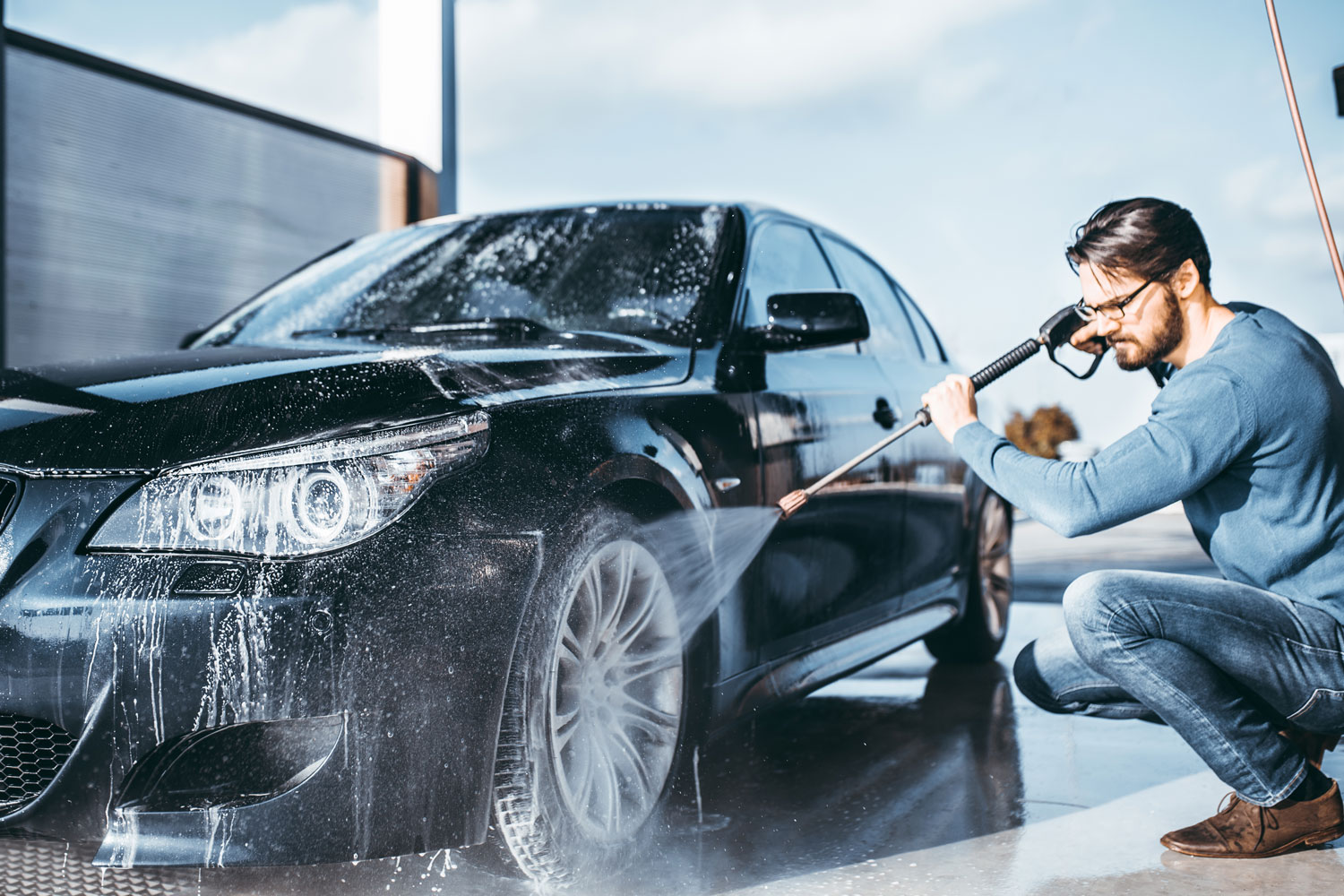
Pressure washers can push water under rubber seals if aimed directly. Angle the spray and stay 2–3 feet away. For final touches:
- Use a glass cleaner for windows and mirrors.
- Dry edges and trim with a separate towel to avoid streaks.
- For plastic trim, apply a trim restorer to prevent fading.
Winter And Special Conditions
Washing in cold climates brings unique challenges. Salt, slush, and sand can stick to the undercarriage and cause rust.
- Rinse the undercarriage with a pressure washer attachment.
- Use warm water in your buckets to prevent freezing.
- Dry quickly to avoid ice forming on door seals.
Non-obvious tip: Apply silicone spray on rubber seals to keep them soft and ice-free.
Aftercare: Protecting Your Clean Car
A clean car is a great start, but protection is key. Here’s how to extend your results:
- Apply spray wax or sealant after each wash.
- Use a detail spray for spot cleaning between washes.
- Keep microfiber towels clean—wash them separately without fabric softener.
Regular washing and protection make future cleaning easier and preserve your car’s finish.
Environmental Considerations
Pressure washing uses less water than a hose, but runoff can harm the environment. Wash on a gravel or grass surface so water soaks in, or use a commercial car wash with water recycling. Avoid washing near storm drains.
Some cities restrict home car washing. Check local regulations before you start.
Troubleshooting And Problem Solving
Even with care, you may encounter issues.
- Streaks or water spots: Usually from hard water or drying in sun. Use distilled water for the final rinse if possible.
- Missed dirt: Pre-rinse and foam dwell time are key. Don’t rush.
- Sticky residue: May need a clay bar or tar remover.
- Strange noises from washer: Check for clogged nozzles or low water supply.
Must-know Tips For Beginners
Here are two important insights many beginners overlook:
- Pressure isn’t everything: More pressure doesn’t mean better cleaning. Technique, soap quality, and mitt care matter more.
- Regular maintenance of your pressure washer: Clean the filter and nozzles after each use. Store hoses coiled and dry to prevent cracks.
Advanced Techniques For Enthusiasts
If you want to take your car cleaning to the next level:
- Use a clay bar after washing to remove embedded contaminants.
- Follow with a machine polisher for a mirror finish.
- Seal with a ceramic coating for months of protection.
These steps aren’t required, but they give your car a show-quality shine.
Real-life Example: Cleaning An Suv After A Road Trip
Imagine you just returned from a road trip through muddy back roads. The SUV is coated with layers of grime, especially on the lower panels and wheels.
- Start with a high-pressure rinse, focusing on the undercarriage and wheel arches.
- Apply foam and let it dwell, especially on the lower half.
- Use a soft brush for caked-on mud.
- Clean wheels last, then rinse everything thoroughly.
- Dry with microfiber towels, checking for leftover spots.
After this process, your SUV will not only look great but also be protected from rust and damage.
When To Seek Professional Help
If your car has delicate paint, custom graphics, or is extremely dirty (like after off-roading), consider a professional detailer. They have advanced tools and products to prevent damage.
You can learn more about professional car cleaning at the Autogeek Online Forum—a respected resource among car care enthusiasts.
Frequently Asked Questions
Is It Safe To Use A Pressure Washer On Any Car?
Yes, as long as you use the right nozzle (40°), keep a safe distance (2–3 feet), and avoid direct spray on sensitive areas. Very old or damaged paint may need extra care.
What Type Of Soap Should I Use In My Pressure Washer?
Only use shampoos designed for cars. These are pH neutral and safe for paint. Avoid dish soap or household cleaners, which can strip wax and harm finishes.
How Do I Prevent Water Spots When Washing My Car?
Wash in the shade, rinse frequently, and dry with clean microfiber towels. If you live in a hard water area, use distilled water for the final rinse.
Can I Use A Pressure Washer On My Car’s Engine?
It’s risky. Modern engines have electronics that can be damaged by high-pressure water. If you must clean the engine bay, use low pressure and avoid direct spray on wiring or sensors.
What Should I Do If I Accidentally Strip Paint Or Wax?
If paint is stripped, consult a detailer for touch-up or respray. For missing wax, reapply a quality wax or sealant as soon as possible to protect the surface.
A clean, shiny car is rewarding—not just for looks but for protection and pride of ownership. With the right tools, careful technique, and a little practice, pressure washing your car becomes a satisfying part of maintenance. Take your time, follow each step, and enjoy the results every time you hit the road.