
A leaf blower can change the way you care for your yard. Instead of hours of raking, you clear leaves in minutes. But for many people, using a leaf blower is not as simple as it looks. There are different models, safety tips, and best practices that most beginners miss.
Using the wrong technique can waste time, damage your garden, or even break your machine. This detailed guide covers everything you need to know to use a leaf blower like a pro, from choosing the right type to smart operating tricks, maintenance, and troubleshooting.
Whether you are new to gardening or just want to work smarter, you will find clear answers here.
Understanding Leaf Blowers
Leaf blowers come in various shapes and sizes. Knowing the differences helps you pick the right tool for your needs and yard size.
Types Of Leaf Blowers
- Corded Electric Blowers: These plug into an outlet. They are lightweight, quiet, and good for small yards. The main drawback is the limited range—you’re always attached to an extension cord.
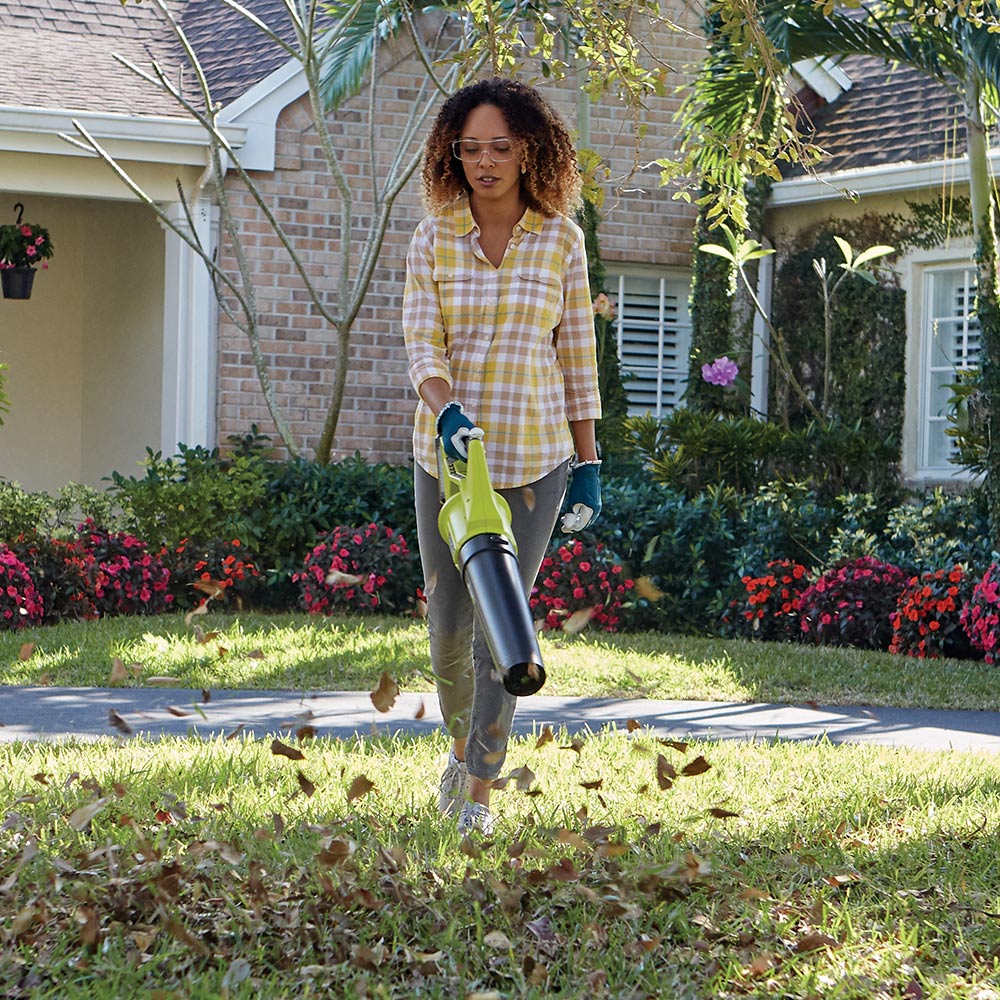
- Cordless Battery Blowers: These use rechargeable batteries, making them portable and easy to handle. Battery life usually ranges from 15 to 60 minutes, depending on the model and settings.
- Gas-Powered Blowers: These are the most powerful, suitable for large properties and heavy-duty jobs. They are heavier, noisier, and require fuel and more maintenance.
- Handheld Blowers: Most common for home use. They are lighter and easier to maneuver, but less powerful than backpack or walk-behind models.
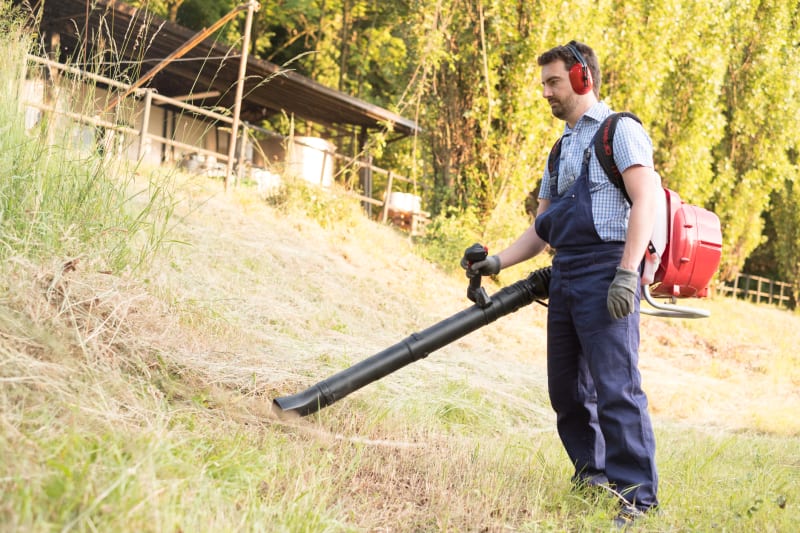
- Backpack Blowers: Worn on the back, these distribute weight better and have stronger airflow. They’re ideal for bigger yards or longer tasks.
- Walk-Behind Blowers: These are like lawnmowers for leaves. They offer the most power, perfect for commercial uses or very large properties.
Key Features To Consider
- Airflow (CFM and MPH): CFM (cubic feet per minute) measures the volume of air moved; MPH (miles per hour) measures the speed. Higher numbers mean more leaf-moving power. For most home use, look for at least 200 CFM and 100 MPH.
- Noise Level: Electric models are quieter. Many cities limit noise, so check your local rules.
- Weight: Lighter models are easier to use but may have less power.
- Run Time: Battery and gas models run out; corded models do not.
Matching Blower Type To Your Yard
If you have a small, flat yard with few trees, a corded electric or battery blower is usually enough. For medium or large yards, especially with heavy leaf fall, a gas or backpack blower saves time. Urban users or those concerned about noise should prefer electric models.
Preparing To Use A Leaf Blower
Using a leaf blower safely and efficiently starts before you turn it on. A little planning prevents problems later.
Safety First
- Wear eye protection: Blowers can throw up dust, leaves, and small stones.
- Wear ear protection: Many blowers are loud enough to damage hearing.
- Use gloves: Protects your hands from vibration and sharp debris.
- Wear sturdy shoes: Avoid sandals—closed shoes protect your feet from flying objects.
Inspect Your Equipment
Before each use, check:
- Fuel or battery charge: Make sure you have enough to finish the job.
- Air intake and nozzle: Clear any blockages.
- Cords (if electric): Check for cuts or damage.
- Tighten screws and fasteners: Prevents parts from loosening during use.
Prepare The Area
- Remove large sticks, rocks, or debris: These can damage your blower or become dangerous projectiles.
- Warn people and pets: Let others know you’re about to use the machine.
How To Use A Leaf Blower: Step-by-step
Many people try to blow leaves in random directions and get frustrated. Following a method saves time and gives better results.
1. Plan Your Path
Start by looking at your yard. Decide where you want all the leaves to end up—usually a pile for collection or near compost. Work in one direction, from the farthest point toward your chosen spot.
2. Set The Right Blower Speed
Most modern blowers have variable speed settings. Use higher speeds for wet, heavy leaves or larger debris, and lower speeds for dry, light leaves or in tight spaces. Lower speed reduces the risk of blowing away mulch or damaging plants.
3. Hold The Blower Correctly
Hold the blower at your side, nozzle pointed slightly down and forward. Keep your arm relaxed. Swing in a gentle, side-to-side motion, overlapping each pass. This ensures you don’t miss spots.
4. Work With The Wind
If it’s windy, use it to your advantage. Blow leaves in the same direction as the wind. Fighting against the wind wastes energy and time.
5. Use Short Bursts
For tight spots or corners, use short bursts of air. This gives you more control and prevents leaves from scattering.
6. Move Leaves Into Rows, Then Piles
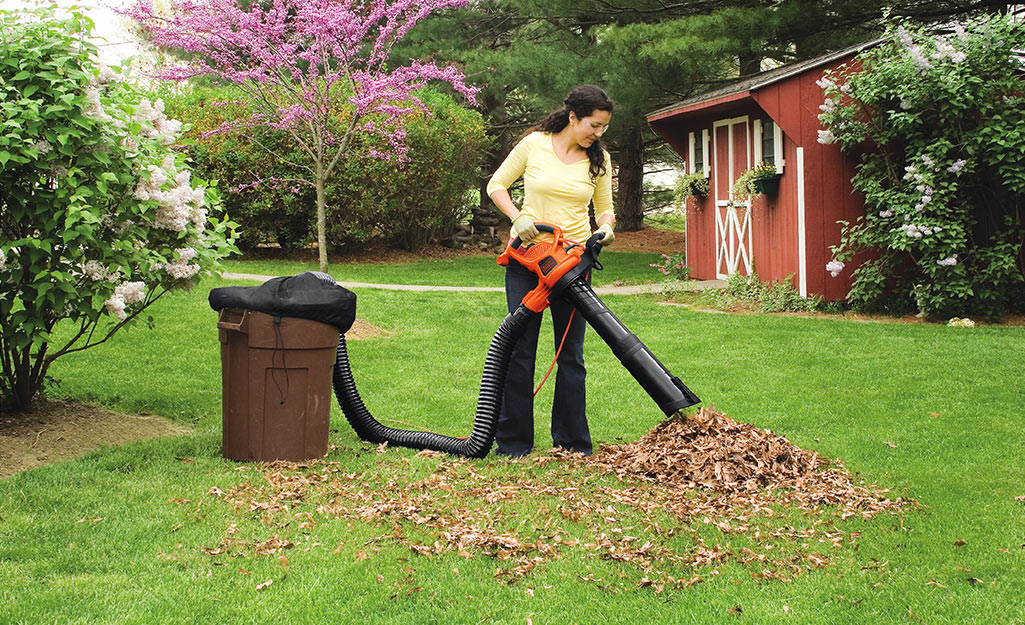
Instead of trying to make one big pile, blow leaves into long rows first. Then, blow the rows into smaller, easy-to-collect piles.
7. Collect And Dispose
Once leaves are in piles, use a rake or your hands (with gloves) to bag them or move them to compost.
Example: Efficient Leaf Blowing In A Medium Yard
Imagine you have a 1,000 sq ft yard with scattered trees. Start at the back corner, blow leaves into a row along the fence, then work side-to-side, always pushing leaves toward your main pile spot by the driveway. This method prevents leaves from blowing back into cleaned areas.
Advanced Leaf Blower Techniques
If you want to work faster and smarter, try these pro tips that most beginners don’t know.
Blowing Leaves Off Gravel Or Mulch
Use the lowest possible air speed and hold the nozzle a little higher off the ground. This moves leaves without blowing away gravel or mulch. Patience and a light touch are key.
Cleaning Gutters
Some leaf blowers offer special gutter cleaning kits—long, curved tubes that let you clean gutters from the ground. Always wear goggles and stand clear of falling debris.
Clearing Snow And Dust
Leaf blowers can clear light snow from driveways and dust from patios or garages. For snow, work soon after it falls, before it freezes or gets heavy.
Blowing Wet Leaves
Wet leaves are heavier and harder to move. Use the highest speed setting, and angle the nozzle closer to the ground. Sometimes, it’s easier to let wet leaves dry out if possible.
Blowing Around Delicate Plants
Turn down the speed, stand back, and blow from a distance. Better yet, rake leaves out from tight spaces first, then use the blower.
Common Mistakes And How To Avoid Them
Many people make the same errors when using a leaf blower. Here’s how to avoid wasted effort and damage.
- Blowing in All Directions: Always work in one direction to prevent leaves from blowing back.
- Ignoring Weather: Wind can undo your work—choose calm or helpful wind conditions.
- Using Too Much Power: High speed isn’t always better; it can scatter leaves and disturb soil.
- Neglecting Safety Gear: Don’t skip eye or ear protection, even for short jobs.
- Not Cleaning the Blower: Leaves and dust can clog intakes, reducing power.
- Running Over Cords: With corded blowers, always keep the cord behind you to avoid tripping or cutting it.
- Blowing Debris at Cars or Windows: Always direct airflow away from vehicles, windows, and people.
Maintaining Your Leaf Blower
A well-cared-for blower lasts longer and works better. Regular maintenance prevents breakdowns and saves money.
Cleaning After Use
- Wipe down the exterior: Use a damp cloth to remove dust and sap.
- Clear air intakes and nozzles: A soft brush or compressed air works well.
- Empty fuel tanks (gas models): If storing for more than a month, empty the tank to prevent clogging.
Battery Care (cordless Models)
- Charge after each use: Don’t let batteries fully drain.
- Store batteries in a cool, dry place: Heat shortens battery life.
- Avoid water exposure: Water can damage batteries and electrical circuits.
Gas Engine Care
- Check and change spark plugs: Every season or after 50 hours of use.
- Clean or replace air filters: Clogged filters make engines work harder.
- Use fresh fuel: Old gas can gum up the engine.
- Winterize for storage: Run the engine dry or add fuel stabilizer.
Electric Blower Care
- Inspect cords regularly: Replace damaged cords immediately.
- Check switches and controls: Make sure everything works smoothly.
Storage Tips
- Hang blowers on wall hooks: This saves space and prevents damage.
- Keep in a dry area: Avoid damp basements or sheds.
Comparing Leaf Blower Types: Power, Weight, And Noise
Choosing the right blower depends on more than price. Here’s a quick comparison of the main types:
| Type | Power (CFM/MPH) | Weight | Noise (dB) | Best For |
|---|---|---|---|---|
| Corded Electric | 200-400/100-150 | 6-8 lbs | 60-70 | Small yards |
| Cordless Battery | 250-500/90-130 | 7-10 lbs | 60-75 | Medium yards |
| Gas-Powered | 400-700/150-200 | 10-25 lbs | 75-100 | Large yards |
| Backpack | 500-900/170-230 | 15-25 lbs | 80-100 | Big properties |
Cost And Value: What Should You Expect To Pay?
Price can vary widely depending on power and features. Understanding what you get for your money helps you make the right choice.
| Type | Average Price Range | Maintenance Cost |
|---|---|---|
| Corded Electric | $40–$100 | Low |
| Cordless Battery | $100–$300 | Medium (battery replacement) |
| Gas-Powered | $120–$400 | High (fuel, spark plugs, filters) |
| Backpack | $200–$600 | High |
A practical tip: Don’t buy the biggest model if you have a small yard. You’ll pay more for power you don’t need and deal with extra weight.
Environmental Impact And Local Rules
Leaf blowers can affect your neighborhood and the planet. Knowing the rules and eco-friendly options can help you avoid trouble.
Noise And Air Pollution
Gas blowers are often banned or restricted in cities due to noise and air pollution. Electric models are much cleaner and quieter. Always check local laws before buying or using a blower.
Battery And Electric Options
Modern battery models have improved a lot. They now offer enough power for most home users and produce no direct emissions. If you want a green choice, pick a battery or corded blower.
Smart Timing
Use your blower during daylight hours, when noise is less likely to disturb others. Avoid early mornings, late evenings, or Sundays if your area has quiet hours.
Recycling Leaves
Instead of bagging leaves for landfill, consider composting them. Leaves break down into rich mulch, which is great for your garden.
Troubleshooting Common Problems
Leaf blowers are reliable, but sometimes problems happen. Here are some common issues and how to fix them.
Blower Won’t Start
- Electric blowers: Check power source, extension cord, and switch.
- Battery models: Make sure battery is charged and installed properly.
- Gas blowers: Check fuel level, spark plug, and air filter. Make sure the choke is set correctly.
Weak Airflow
- Check for blockages: Leaves, dirt, or sticks can clog the nozzle or intake.
- Dirty filters: Clean or replace air filters regularly.
- Low battery or fuel: Recharge or refuel as needed.
Overheating
- Blocked vents: Keep air intakes clear.
- Overuse: Let the blower rest after 20-30 minutes of continuous use.
Strange Noises Or Vibrations
- Loose parts: Tighten screws and check for damage.
- Damaged fan blades: Stop use and inspect the impeller.
Battery Not Charging
- Check charger and outlet: Try a different plug.
- Inspect battery contacts: Clean if dirty.
- Old battery: Batteries lose power over time; replacement may be needed.
If problems persist, consult your user manual or contact the manufacturer. For more troubleshooting guides, visit Home Depot’s official resource.
When Not To Use A Leaf Blower
There are times when a blower isn’t the right tool:
- During high winds: Leaves will scatter everywhere.
- After heavy rain: Wet leaves stick together and are harder to blow.
- Near open windows or cars: Debris can get inside.
- Around sensitive neighbors: Noise can be a problem.
In these cases, consider using a rake, broom, or waiting for better conditions.
Non-obvious Tips For Better Results
Here are two insider tricks that most beginners overlook:
- Let leaves dry out: If leaves are damp but not urgent to remove, wait for a sunny day. Dry leaves are much easier to blow and move farther with less effort.
- Use the “herding” method: Instead of chasing single leaves, focus on moving large groups together. This saves time and reduces frustration.
Frequently Asked Questions
What’s The Best Way To Clear Leaves From Gravel Or Mulch?
Use your blower on the lowest setting and hold the nozzle above the ground. Move slowly, so you don’t blow away the gravel or mulch with the leaves. Sometimes, it’s helpful to rake first, then use the blower for the final cleanup.
How Do I Stop Leaves From Blowing Back Into Cleaned Areas?
Work in a single direction, preferably with the wind at your back. Plan your cleanup path before you start, and make rows of leaves before piling them. This method helps keep cleared areas clean.
Can I Use A Leaf Blower For Snow Removal?
Yes, leaf blowers can clear light, powdery snow from driveways, sidewalks, and cars. Use the highest setting for best results, but avoid using it on heavy, wet, or icy snow, as it may not be effective.
How Often Should I Maintain My Leaf Blower?
Clean your blower after each use. For gas models, check the air filter and spark plug every season. For battery models, keep the battery charged and store it properly. Full maintenance should be done at least once a year, or more with heavy use.
Are There Any Health Risks With Using A Leaf Blower?
Yes, leaf blowers can create dust and stir up pollen, which may cause allergies or respiratory issues. Always wear a mask if you are sensitive, and use eye and ear protection to avoid injury.
Using a leaf blower the right way makes yard work easier, faster, and less tiring. With the right equipment, good technique, and a little preparation, you can keep your yard clean and healthy all year round. Remember to check your local rules, care for your machine, and always put safety first.
Happy blowing!