
The BMW X3 is a popular compact luxury SUV, known for its smooth drive, powerful engines, and advanced technology. Taking care of your X3 means paying attention to details, especially when it comes to oil changes. The right oil capacity is not just a technical number—it’s a key factor in keeping your engine healthy, efficient, and running for years. Surprisingly, many owners and even some mechanics get this detail wrong, leading to expensive repairs and poor performance.
Choosing the correct oil capacity isn’t as simple as looking in the owner’s manual. BMW X3 models come with several engines and have gone through different generations. Each engine variant may have a different oil requirement, and even a small mistake can result in underfilling or overfilling, both of which harm your engine.
Also, oil capacity can change depending on whether you change the oil filter, your driving conditions, and the type of oil you use.
In this guide, you’ll find everything you need about BMW X3 oil capacity for all major engine types and generations. You’ll learn how to check your oil level, why using the right amount matters, and how to avoid costly mistakes. We’ll also compare oil capacities across years and engines, share tips for smooth oil changes, and answer the most common questions BMW X3 owners have.
Bmw X3 Overview: Why Oil Capacity Matters
The BMW X3 first appeared in 2003 and quickly became one of BMW’s best-selling SUVs. It’s offered with various engines, such as four-cylinder, six-cylinder, diesel, and hybrid options. Each engine design influences how much oil is needed for proper lubrication and cooling.
Why does oil capacity matter so much? It’s simple—engine oil cools, cleans, and protects your engine’s moving parts. Too little oil means the engine isn’t properly lubricated, leading to friction and overheating. Too much oil can cause foaming, leaks, or even engine damage because the crankshaft can whip the oil into a froth.
BMW recommends specific oil capacities for each engine type, but these numbers can be confusing. They may differ slightly depending on whether you change the oil filter, if the engine is completely drained, or if the engine is turbocharged or naturally aspirated.
Let’s break down the oil capacities for the three main engine options found in the BMW X3.
Bmw X3 Oil Capacity By Engine Type
BMW X3 oil capacity depends on the engine model and the year. Here, we focus on the three main engine variants, which cover most of the X3 lineup:
- 2.0L 4-cylinder turbo (B48/B47 engines)
- 3.0L 6-cylinder turbo (B58/N55 engines)
- 2.0L 4-cylinder diesel (B47 engines)
Each of these engines has specific oil requirements and capacities.
2.0l 4-cylinder Turbo (b48/b47 Engines)
This engine is found in many X3 models, including the xDrive28i, sDrive30i, and xDrive30i, especially in the G01 generation (2018-present). The diesel B47 is also common in Europe and Asia.
- Oil capacity (with filter): 5.0 liters (about 5.3 US quarts)
- Oil type: BMW Longlife-01 or Longlife-04, SAE 0W-20 or 5W-30 depending on the climate
- Oil change interval: 10,000 miles (16,000 km) or 12 months, whichever comes first
Key Details
The 2.0L turbo engine is efficient but runs hot, especially under load. Using the exact oil capacity is crucial because these engines use turbochargers, which increase oil temperature and stress. Overfilling can lead to oil leaks in the turbo system, while underfilling increases the risk of turbo failure.
Example
If you own a 2021 BMW X3 xDrive30i, you’ll need 5. 0 liters of oil for a complete oil change with a new filter. Always double-check with the dipstick or the electronic oil monitor before adding more oil.
3.0l 6-cylinder Turbo (b58/n55 Engines)
This engine powers the sportier versions like the X3 M40i and older xDrive35i models. The B58 is known for its smooth power delivery and durability, but it also needs careful oil management.
- Oil capacity (with filter): 6.5 liters (about 6.9 US quarts)
- Oil type: BMW Longlife-01, SAE 0W-30 or 5W-30
- Oil change interval: 10,000 miles (16,000 km) or 12 months
Key Details
The 3.0L turbo is a performance engine, and the extra oil helps cool the turbo and engine at high speeds. Never try to “top up” without measuring—overfilling is a common mistake with these larger sumps. BMW engines are sensitive to oil level errors, and the wrong amount can trigger warning lights or limp mode.
Example
If you drive a 2019 BMW X3 M40i, your oil change will require 6. 5 liters of the recommended oil. If you’re not sure, add 6 liters first, check the level, then slowly add the rest.
2.0l 4-cylinder Diesel (b47 Engines)
Diesel X3s are popular in Europe and some other markets. They use the B47 engine, which is known for its efficiency and long service life.
- Oil capacity (with filter): 5.2 liters (about 5.5 US quarts)
- Oil type: BMW Longlife-04, SAE 0W-30 or 5W-30
- Oil change interval: 10,000 miles (16,000 km) or 12 months
Key Details
Diesel engines need high-quality oil that can handle soot and higher compression. Using the correct oil capacity is essential because excess oil can cause Diesel Particulate Filter (DPF) issues, and too little will reduce protection.
Example
A 2020 BMW X3 xDrive20d will need 5. 2 liters of oil with a filter change. Always use oil suitable for diesel engines and check the oil level after driving a short distance.
Oil Capacity Differences: Year And Model Comparison
BMW has updated the X3’s engines over several generations. Changes in engine design, emission controls, and oil systems mean oil capacity may vary, even for the same engine size.
Here’s a look at how oil capacity compares across different years and generations:
| Model Year | Engine | Oil Capacity (Liters) | Notes |
|---|---|---|---|
| 2011-2017 | 2.0L N20 (xDrive28i) | 5.0 | Petrol turbo, older design |
| 2018-present | 2.0L B48 (xDrive30i) | 5.0 | Newer, more efficient |
| 2011-2017 | 3.0L N55 (xDrive35i) | 6.5 | Six-cylinder turbo |
| 2018-present | 3.0L B58 (M40i) | 6.5 | Latest inline-6 turbo |
| 2015-present | 2.0L B47 (xDrive20d – Diesel) | 5.2 | Diesel, Longlife-04 oil |
Non-obvious Insight
BMW sometimes updates oil pans or filter housings during a model’s production run, which can slightly change the oil capacity. Always check your specific VIN using the BMW parts system or consult a BMW dealer if you’re unsure.
How To Check And Top Up Oil In A Bmw X3
Modern BMW X3s may not have a traditional dipstick. Instead, they use an electronic oil level sensor that shows the oil level on the dash or infotainment screen. Here’s how you can safely check and top up your oil:
- Warm up your engine: Run the car until it reaches normal operating temperature. Oil expands when hot, so this gives an accurate reading.
- Park on level ground: An uneven surface can give a false reading.
- Wait a few minutes: After switching off, let the oil settle in the sump.
- Check the oil level: Use the iDrive system (Vehicle Info > Vehicle Status > Engine Oil Level) or the dipstick if your model has one.
- Add oil in small amounts: If you need to add oil, pour slowly and re-check the level. Usually, 0.5 liters is the maximum you should add at once.
Common Mistakes
- Overfilling: It’s easy to add too much, especially with electronic sensors. Go slow and check often.
- Wrong oil type: BMW engines need specific oils. Using “just any oil” can void your warranty or damage your engine.
- Ignoring intervals: Even with long-life oil, don’t stretch service intervals too far. Oil degrades over time and loses its protective properties.
Oil Change Process For Bmw X3
Changing the oil in a BMW X3 is not hard, but it does require attention to detail. Here’s a practical, step-by-step guide:
- Gather supplies: Get the correct oil (matching the BMW spec), a new oil filter, a drain pan, funnel, and gloves.
- Lift the vehicle: Use jack stands or ramps for safety.
- Remove the underbody cover: Most X3s have a plastic cover under the engine.
- Drain the oil: Open the drain plug and let the oil flow into your pan.
- Replace the filter: Always change the oil filter with each oil change.
- Install the drain plug: Use a new washer if required; tighten to BMW’s torque specs.
- Pour in new oil: Add oil up to 0.5 liters less than the listed capacity.
- Start the engine: Let it run for 1–2 minutes, then shut it off and wait 5 minutes.
- Check the oil level: Top up slowly if needed, never overfill.
- Dispose of used oil: Take it to a recycling center—never pour down the drain.
Practical Tips
- Use a funnel to avoid spills.
- Always check for leaks after starting the engine.
- Reset the oil service indicator (follow instructions in the owner’s manual).
The Right Oil: Bmw X3 Specifications
Not all engine oils are the same. BMW requires oil that meets strict standards, called BMW Longlife-01 or Longlife-04. These oils provide better protection, reduce sludge, and support long drain intervals.
- BMW Longlife-01: Used in most gasoline X3 engines.
- BMW Longlife-04: Required for diesel engines and some newer gasoline models with particulate filters.
You’ll find the oil specs in your owner’s manual or under the hood. Don’t use generic “synthetic” oil if it doesn’t have BMW approval—it could cause engine problems or affect your warranty.
Oil Type Comparison Table
Here’s a comparison of recommended oil types for each major X3 engine:
| Engine | BMW Oil Spec | Viscosity | Typical Brand Example |
|---|---|---|---|
| 2.0L B48/B47 | Longlife-01/04 | 0W-20 / 5W-30 | Castrol Edge, Mobil 1 |
| 3.0L B58/N55 | Longlife-01 | 0W-30 / 5W-30 | Liqui Moly, Shell Helix |
| 2.0L Diesel (B47) | Longlife-04 | 0W-30 / 5W-30 | BMW TwinPower Turbo |
Non-obvious Insight
Some high-mileage X3s burn oil faster, especially as seals wear out. If you notice frequent low oil warnings, check for leaks and consider using a slightly thicker oil (if allowed by BMW).

What Happens If You Overfill Or Underfill?
Using the wrong oil capacity can cause serious engine problems:
- Overfilling: Excess oil can foam, reducing lubrication. It can also damage the catalytic converter or cause check engine lights.
- Underfilling: Not enough oil means parts get hotter and wear faster. Turbochargers, in particular, can fail quickly from low oil.
BMW’s electronic sensors are accurate, but always double-check after each oil change. If you accidentally overfill, drain some oil immediately—don’t drive the car.
Oil Capacity And Engine Longevity
Keeping oil at the right level is one of the easiest ways to help your BMW X3 last longer. Regular oil changes with the right oil and capacity keep the engine clean, cool, and protected from wear.
Oil Capacity Chart: Quick Reference
Here’s a quick lookup chart for the most common X3 models and engines:
| Model & Year | Engine Code | Oil Capacity (Liters) | Oil Spec |
|---|---|---|---|
| X3 xDrive28i (2011–2017) | N20 | 5.0 | Longlife-01 |
| X3 xDrive30i (2018–present) | B48 | 5.0 | Longlife-01/04 |
| X3 xDrive35i (2011–2017) | N55 | 6.5 | Longlife-01 |
| X3 M40i (2018–present) | B58 | 6.5 | Longlife-01 |
| X3 xDrive20d (2015–present) | B47 | 5.2 | Longlife-04 |
How Often Should You Check Or Change Bmw X3 Oil?
BMW recommends checking your oil level every few weeks or before long trips. Even with long-life oil, driving style, climate, and engine condition can affect oil consumption.
- Normal driving: Change oil every 10,000 miles (16,000 km) or 12 months.
- Severe conditions: If you drive in hot climates, stop-and-go traffic, or tow often, consider changing oil every 7,500 miles (12,000 km).
- Older models: Engines with more than 100,000 miles may need more frequent checks and changes.
Signs Your Bmw X3 Needs More Oil
Watch for these warning signs:
- Oil level light: If it comes on, check immediately.
- Ticking noises: Low oil can cause the valvetrain to make noise.
- Burning smell: Overfilled oil can leak onto hot parts and burn.
- Blue smoke: Too much oil can enter the combustion chamber.
Never ignore oil warnings—BMW engines are sensitive, and a small problem can become serious quickly.
Diy Vs. Dealer Oil Changes
You can do your own oil changes if you follow BMW’s procedures and use the right parts. However, many owners prefer a dealer or specialist for these reasons:
- Proper reset: Dealers reset the service indicator and check for updates.
- Correct oil disposal: Used oil must be recycled properly.
- Warranty: Some warranties require dealer service to stay valid.
Diy Tips
If you go the DIY route:
- Buy the correct oil and filter (OEM or high-quality aftermarket).
- Use a torque wrench for the drain plug.
- Keep records and receipts in case you need to prove proper maintenance.
Real-world Example: 2020 Bmw X3 Oil Change
Let’s say you have a 2020 X3 xDrive30i (B48 engine). Here’s how an oil change typically goes:
- Capacity needed: 5.0 liters of Longlife-01 0W-20 oil
- Oil filter: Genuine BMW or high-quality equivalent
- Tools: 17mm socket for drain plug, oil filter wrench, funnel, drain pan
Steps:
- Warm up the engine, then shut it off.
- Lift the car securely and remove the underbody cover.
- Drain the old oil, replace the filter, and reinstall the plug.
- Pour in 4.5 liters of new oil, start the car for 1 minute, then shut off.
- Check the oil level with the electronic system; top up slowly to exactly 5.0 liters.
This process ensures you don’t overfill, which is a common mistake for first-timers.
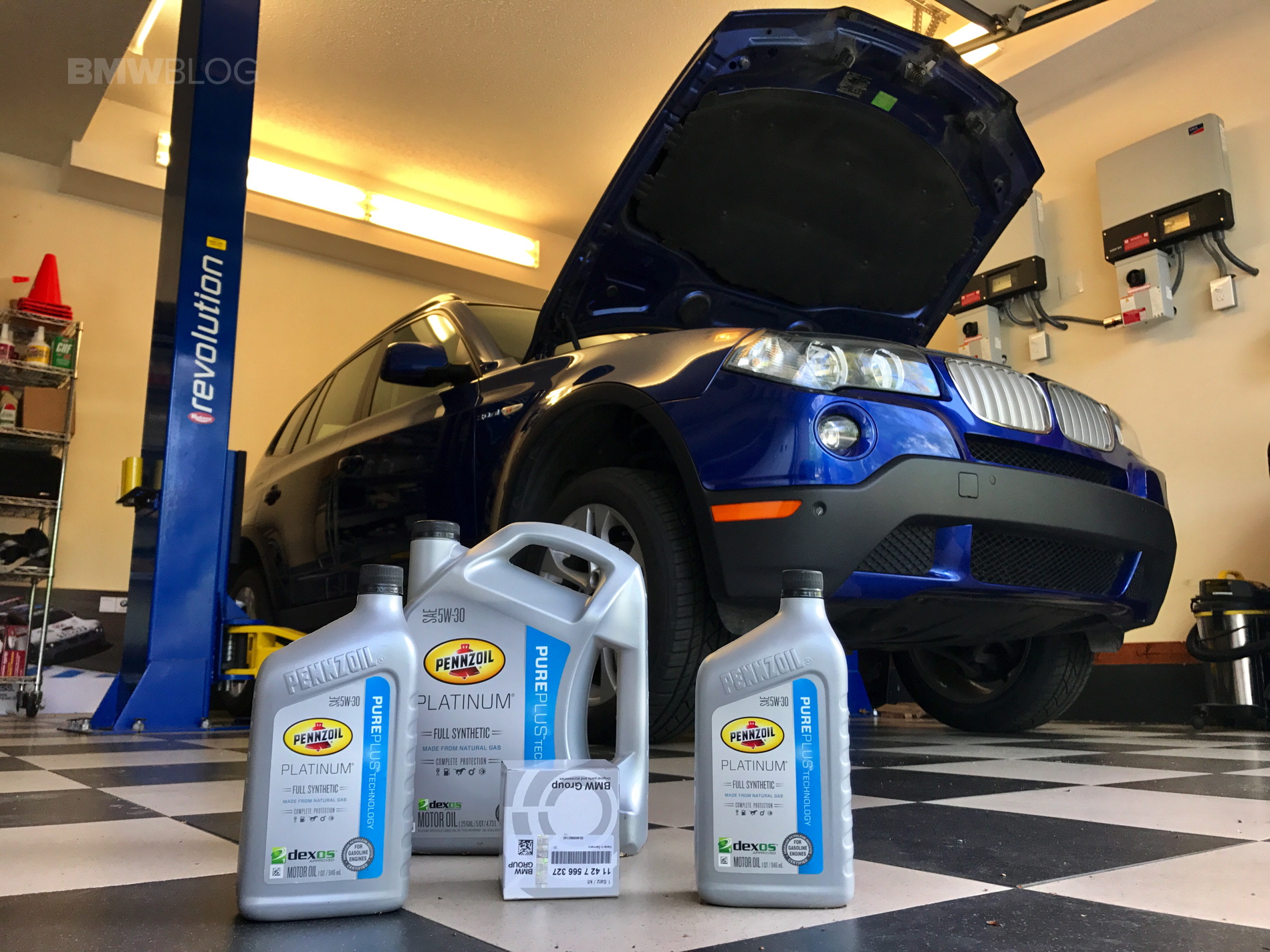
Mistakes To Avoid With Bmw X3 Oil Capacity
- Guessing the amount: Always measure, never guess.
- Ignoring filter changes: Skipping the filter can leave dirty oil in the system.
- Using the wrong oil: Only use oils that meet BMW specs.
- Not double-checking: Sensors can fail—verify after every change.
- Forgetting to reset service indicator: The system won’t remind you of the next oil change if you skip this step.
Bmw X3 Oil Capacity And Warranty
BMW warranties require proper service with the right oil and parts. Using the wrong oil capacity or type can void your coverage. Always keep records of oil changes, including receipts and mileage, especially if you do them yourself.
If you have questions about oil specs, check the BMW official website or contact your dealer. For more technical info, Wikipedia’s BMW X3 page is a reliable resource.
Frequently Asked Questions
What Is The Oil Capacity For A Bmw X3 2.0l Petrol Engine?
The 2.0L petrol engine in recent BMW X3 models (B48/B47) requires 5.0 liters (about 5.3 US quarts) of oil when changing the filter. Always check your owner’s manual for your specific year.
Can I Use Regular Synthetic Oil In My Bmw X3?
No. Only use BMW-approved oils that meet Longlife-01 or Longlife-04 specs. Regular synthetic oil may not protect your engine or could void your warranty.
How Often Should I Change The Oil In My Bmw X3?
BMW recommends changing oil every 10,000 miles (16,000 km) or 12 months, whichever comes first. If you drive in severe conditions, change more often.
What Happens If I Put Too Much Oil In My Bmw X3?
Overfilling can cause the oil to foam, reduce lubrication, and damage engine parts or sensors. If you overfill, have the excess oil drained immediately.
Does Oil Capacity Change If I Don’t Change The Oil Filter?
Slightly. If you skip the filter, the total oil capacity may be about 0.2–0.3 liters less. Always change the filter for best results and engine health.
Caring for your BMW X3’s engine oil isn’t just about numbers—it’s about keeping your luxury SUV running smoothly, efficiently, and reliably for years to come. With the right oil capacity, you’ll enjoy every drive with confidence.