
When you own, operate, or maintain a heavy-duty vehicle or equipment powered by the Cummins L9 engine, understanding its oil capacity is critical. The right oil level affects engine life, fuel efficiency, emissions, and overall reliability. Despite its importance, many operators, fleet managers, and service technicians overlook the details of oil capacity, leading to costly mistakes like overfilling, underfilling, or using the wrong oil type.
But oil capacity is not just a single number. It is connected to the type of oil filter, the application of the engine, ambient temperature, and service intervals. Knowing how the oil system works, how much oil you need, and how to check and change the oil properly will help you avoid common problems and keep your Cummins L9 running smoothly for hundreds of thousands of miles.
Let’s look closely at the Cummins L9 oil capacity, what influences it, and all the practical details you need to keep your engine healthy—whether you’re maintaining a city bus, a garbage truck, or a generator. This guide covers every important detail, from factory specifications to real-world tips, mistakes to avoid, and answers to the most frequent questions about Cummins L9 engine oil.
What Is The Cummins L9 Engine?
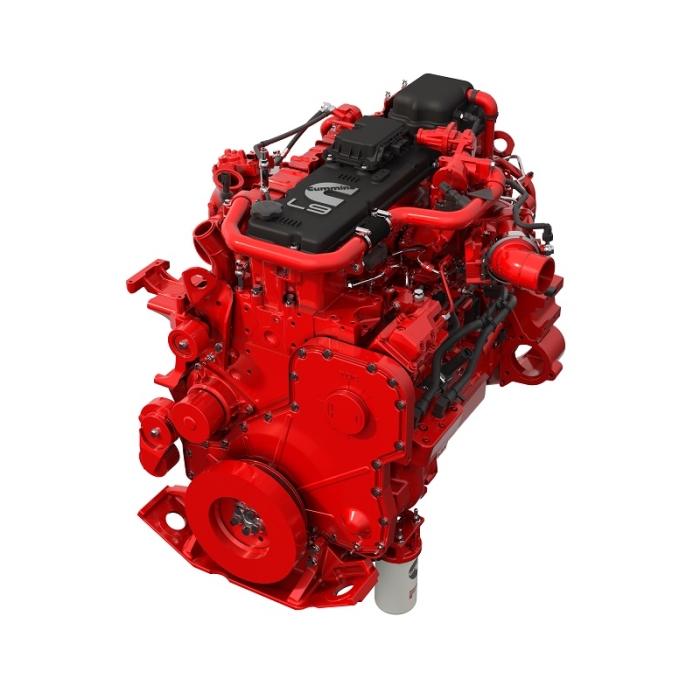
The Cummins L9 is a powerful, inline 6-cylinder diesel engine widely used in medium and heavy-duty trucks, buses, motorcoaches, fire trucks, and industrial applications. Known for its reliability and efficiency, the L9 replaced the older ISC engine and is part of Cummins’ B and L Series.
This engine is popular for its:
- High torque output (up to 1250 lb-ft)
- Flexible ratings (260 to 450 horsepower)
- Low emissions (meets EPA and Euro standards)
- Durability (often runs 500,000+ miles with proper care)
Oil plays a central role in protecting these engines, especially under heavy loads and long service cycles.
Why Oil Capacity Matters
The engine oil capacity is the total amount of oil the engine and filter system need to operate safely. Too little oil means poor lubrication, increased wear, and risk of engine failure. Too much oil can cause foaming, leaks, and high pressure, damaging seals or sensors.
In the Cummins L9, correct oil capacity ensures:
- Proper lubrication under all loads and temperatures
- Effective cooling of pistons and bearings
- Removal of engine contaminants
- Long intervals between oil changes
It’s not enough to “top off” the oil. You need to know the exact specification for your engine configuration.

Credit: www.fleetequipmentmag.com
Cummins L9 Oil Capacity: The 9 Key Factors
When discussing the Cummins L9 oil capacity, it’s not just a single value. Several factors influence how much oil your engine requires. Here are the 9 most important items every owner or technician must understand.
1. Factory-specified Oil Capacity
The official Cummins L9 oil capacity is:
- 10.1 gallons (38.2 liters) with standard oil filter
This is the amount listed in the Cummins Operation and Maintenance Manual for the L9 engine. It covers the volume needed to fill the crankcase and oil galleries, including the filter.
However, you should always check your engine’s manual or data plate, as small differences in sump size or oil pan design can shift capacity by a quart or two.
Practical Insight
Many beginners believe oil capacity is always the same for an engine model. In reality, modifications such as deeper oil pans for vocational trucks or auxiliary equipment can increase the total amount.
2. Oil Filter Type And Size
The oil filter traps debris and metal particles. Larger filters hold more oil. Cummins L9 engines may use different filters depending on application:
- Standard filter: Included in the 10.1-gallon spec
- Extended filter: Adds 0.5 to 1 quart (0.5 to 1 liter) more oil
Always account for the filter size when refilling or doing an oil change. If you upgrade to a larger filter for longer intervals, add the extra oil to reach the correct level.
Non-obvious Tip
Many shops change the filter but forget to add the extra oil for the new filter. This leads to an underfilled engine, which can trigger low oil pressure alarms.
3. Application Differences (on-highway Vs. Off-highway)
The oil capacity can vary based on the engine’s application:
- On-highway trucks and buses: Usually use the standard 10.1-gallon setup.
- Off-highway or industrial engines: May have larger oil pans for rough terrain or long idle periods, increasing capacity up to 12 gallons (45 liters) in rare cases.
Always confirm with the equipment manufacturer or Cummins documentation for your application. Do not assume all L9 engines use the same oil volume.
4. Oil Change Interval And Sump Size
Longer oil change intervals require more oil to keep contaminants diluted. Some fleets install a larger sump or oil pan to extend service intervals. This can add 1-2 gallons (4-8 liters) of oil capacity.
For example, municipal buses with extended oil change programs may use deep pans, requiring 11-12 gallons total.
Pro Insight
If your maintenance program changes oil every 20,000 miles instead of 10,000 miles, ask your service provider if your sump size is correct for the longer interval.
5. Oil Type And Viscosity
The type of oil (conventional, synthetic, semi-synthetic) and its viscosity (like 15W-40 or 10W-30) do not change the physical oil capacity. However, using the recommended oil type ensures the oil flows properly and maintains the correct pressure at the specified volume.
Always follow Cummins’ recommendations for API CK-4 or FA-4 oils. Using the wrong oil type can lead to foaming or poor lubrication even if the capacity is correct.
Example
A city transit fleet switched to a lower-viscosity oil to save fuel but kept the same fill volume. This caused higher oil consumption and pressure problems until they returned to the recommended oil.
6. Oil Cooler And External Lines
Some Cummins L9 engines, especially those in fire trucks or extreme-duty vehicles, have oil coolers or external oil lines that increase total oil volume.
- Oil cooler: Adds 0.5 to 1 quart (0.5 to 1 liter)
- External plumbing: Can add even more
When servicing these engines, always check the manufacturer’s total system capacity, not just the engine block.
Hidden Pitfall
If you replace an oil cooler and forget to refill the oil lost in the cooler, the engine may run low on oil even if the dipstick looks correct.
7. Oil Level Checking Procedure
Checking the oil level on the Cummins L9 is not as simple as pulling the dipstick immediately after shutdown. For accurate results:
- Run the engine to operating temperature.
- Shut down and wait at least 15 minutes for oil to drain into the pan.
- Check the dipstick. Oil should be between the “add” and “full” marks.
If you check too soon, oil will still be in the galleries and filter, causing a false low reading. Overfilling is a common result.
Tip Most Beginners Miss
Some buses and coaches have remote dipsticks or sight glasses. These can be less accurate. Always use the main dipstick for final verification.
8. Draining And Refilling: Residual Oil
When you drain the oil, not all of it leaves the engine. Residual oil remains in the galleries, cooler, and passages.
- Typically, 0.5 to 1 quart (0.5 to 1 liter) stays inside
This means when you refill to the specified capacity, you may slightly overfill. To avoid this, add oil until the level is just below “full,” run the engine, let it settle, and then top off as needed.
Practical Example
A technician drained and refilled an L9, adding the full 10. 1 gallons. The dipstick read above “full. ” After running the engine and letting it settle, the level was perfect.
9. Environmental Factors (temperature And Altitude)
Extreme ambient temperatures and operating at high altitude can affect oil performance but not the measured capacity.
- Hot climates: May require more frequent oil checks due to increased consumption.
- Cold starts: Oil may drain slower, causing false readings.
- High altitudes: Oil foams more easily; always use the recommended type and fill to spec.
Monitor your oil closely in these conditions, especially on long trips or in remote areas.
Cummins L9 Oil Capacity Comparison
To help you visualize the differences, here’s a comparison of typical oil capacities for the Cummins L9 based on filter size and application:
| Configuration | Oil Capacity (Gallons) | Oil Capacity (Liters) | Notes |
|---|---|---|---|
| Standard On-Highway | 10.1 | 38.2 | With standard filter |
| With Extended Filter | 10.3–10.5 | 39–40 | Larger filter adds 0.5–1 quart |
| Off-Highway/Deep Pan | 11–12 | 41.5–45 | For long intervals or rough terrain |
| With Oil Cooler | 10.3–11 | 39–41.5 | Depends on cooler size |
Always confirm your exact configuration with the engine serial number and manufacturer data.
How To Check And Maintain The Correct Oil Level
Maintaining the correct oil level is not just about knowing the number. Follow these steps for reliable results:
Step 1: Park And Cool Down
Park on level ground. Let the engine cool for at least 15 minutes after shutting off.
Step 2: Locate The Dipstick
Find the main engine dipstick (not a remote or auxiliary one).
Step 3: Read The Dipstick
Pull the dipstick, wipe it clean, insert fully, and remove to check the oil level.
- Oil should be between the “add” and “full” marks.
If the oil is above “full,” drain a small amount. If below “add,” top off with the recommended oil.
Step 4: Recheck After Running
If you changed the oil, run the engine for 5 minutes, shut down, wait 15 minutes, and check again. Top off as needed.
Step 5: Watch For Leaks Or Sudden Drops
Rapid drops in oil level may indicate leaks, worn seals, or oil burning. Investigate immediately.
Common Mistakes And How To Avoid Them
Many Cummins L9 owners and mechanics make these common mistakes:
- Overfilling the sump after an oil change, not accounting for residual oil.
- Underfilling when using a larger or dual filter setup.
- Using the wrong oil viscosity for the climate, reducing engine protection.
- Checking oil too soon after shutdown, leading to false low readings.
- Ignoring external oil coolers or plumbing that increase total system volume.
- Forgetting to update maintenance records after a sump size or filter change.
Avoid these errors by always following Cummins’ official procedures and double-checking your specific engine configuration.
Signs Of Incorrect Oil Level In Cummins L9
Watch for these warning signs that your oil level is wrong:
- Low oil pressure warning on the dash
- Excessive smoke or burning oil smell
- Noisy valve train or ticking sounds
- Oil leaks around pan or seals
- Foaming or milky oil (possible overfill or coolant contamination)
If you notice any of these, stop the engine and check the oil immediately. Running with low or high oil can cause severe damage.
Selecting The Best Oil For Cummins L9
Choosing the right oil is as important as using the right amount. For the L9, Cummins recommends:
- API CK-4 or FA-4 certified oils
- Viscosity: 15W-40 for most climates, 10W-30 for cold weather
Always use heavy-duty diesel engine oil, not gasoline engine oil. Check the label for Cummins endorsement.
Trusted Oil Brands
- Valvoline Premium Blue (official Cummins recommendation)
- Shell Rotella T6
- Mobil Delvac 1300 Super
- Chevron Delo 400
Using high-quality oil protects your engine, extends oil change intervals, and reduces deposits.
How Often To Change Oil In Cummins L9
The oil change interval depends on:
- Engine application (bus, truck, off-highway)
- Duty cycle (hours run, idle time, load)
- Oil and filter type
Cummins suggests:
- On-highway trucks: 15,000–20,000 miles (24,000–32,000 km)
- Transit buses: 10,000–12,000 miles (16,000–19,000 km)
- Severe duty/off-highway: 250–400 hours
Always use an oil analysis program for extended intervals. If in doubt, change oil more often rather than less.
Real-world Examples: Oil Capacity In Practice
Let’s look at two practical examples:
Example 1: City Transit Bus
- Engine: Cummins L9
- Configuration: Deep pan, extended filter, oil cooler
- Oil capacity: 11.5 gallons (43.5 liters)
- Oil change interval: Every 10,000 miles
The shop adds 11 gallons after draining, runs the engine, lets it settle, and tops off with 2 more quarts to reach the full mark.
Example 2: Construction Dump Truck
- Engine: Standard Cummins L9
- Configuration: Standard pan and filter, no external cooler
- Oil capacity: 10.1 gallons (38.2 liters)
- Oil change interval: Every 400 engine hours
The technician drains the oil, replaces the filter, adds 10 gallons, checks the dipstick, then tops off with the last 0. 1 gallon for a perfect fill.
Comparing Cummins L9 To Other Engines
How does the Cummins L9 oil capacity compare to similar engines? Here’s a quick look:
| Engine Model | Oil Capacity (Gallons) | Application |
|---|---|---|
| Cummins L9 | 10.1 | Medium/Heavy Truck, Bus |
| Cummins ISB 6.7 | 5.5 | Medium Truck, Pickup |
| Caterpillar C9 | 9.2 | Construction, Industrial |
| Detroit DD8 | 10.5 | Truck, Bus |
The L9 sits at the higher end for medium-duty engines, reflecting its larger displacement and heavy-duty use.
Environmental Impact Of Oil Changes
Used oil is a hazardous waste. Always dispose of oil and filters responsibly:
- Take used oil to a certified recycling center.
- Never pour oil down drains or on the ground.
- Use spill-proof containers for transport.
Proper disposal protects the environment and keeps your operation compliant with regulations.
Where To Find Official Oil Specs
For the most accurate and up-to-date oil capacity and service information for your Cummins L9:
- Check the engine data plate (on the valve cover or side of block)
- Read the Cummins Owner’s Manual
- Visit the official Cummins L9 Engine page for latest documents
Never rely solely on online forums or “word of mouth. ” Specs can change with each engine generation.
Frequently Asked Questions
What Is The Exact Oil Capacity Of A Standard Cummins L9 Engine?
The standard oil capacity for the Cummins L9 with a standard oil filter is 10.1 gallons (38.2 liters). If your engine has a larger pan, filter, or oil cooler, check your manual for the correct amount.
Can I Use Synthetic Oil In My Cummins L9?
Yes, you can use synthetic oil if it meets the API CK-4 or FA-4 specification recommended by Cummins. Synthetic oils may extend oil change intervals and improve cold weather performance.
What Happens If I Overfill The Oil In My Cummins L9?
Overfilling can cause oil foaming, leaks, high crankcase pressure, and damage to seals or sensors. If you overfill, drain the excess oil until the dipstick reads within the “full” mark.
How Often Should I Check The Oil Level?
Check the oil level every day before starting the engine, especially in commercial or heavy-duty applications. More frequent checks are needed in extreme temperatures or after long trips.
How Do I Know If My L9 Has The Deep Pan Or Standard Pan?
Look for the part number stamped on the oil pan or check your engine’s build sheet. Deep pans are physically taller and may have a higher oil capacity listed on the engine data plate.
Final Thoughts
Understanding and maintaining the correct Cummins L9 oil capacity is essential for engine health, longevity, and performance. Don’t guess—check your manual, know your engine configuration, and follow the best practices for checking and changing oil. This attention to detail will save you from costly repairs, downtime, and unnecessary stress.
For more technical details and updates, refer to the official Cummins documentation or consult a certified Cummins service center. With the right approach, your L9 engine will deliver reliable service for years to come.