
If you own a Duramax diesel engine, you already know it’s built for power and durability. But keeping your engine healthy isn’t just about fueling up and hitting the road. Regular oil changes, and more importantly, knowing the exact Duramax oil capacity for your model, are key to long life and top performance. Using the wrong amount of oil can lead to poor lubrication, overheating, and even major engine damage.
This guide gives you the full picture. You’ll find clear answers for every Duramax generation, tips for oil changes, what affects oil capacity, and how to avoid costly mistakes. Whether you’re a first-time owner or a diesel enthusiast, you’ll discover insights that go beyond the basics—like how towing, oil filter choices, and even climate can influence your oil needs.
Let’s break down everything you need to know about Duramax oil capacity with practical details, data, and expert advice.
What Is Oil Capacity And Why Does It Matter?
Oil capacity is the amount of engine oil required for proper lubrication and cooling. For the Duramax, this varies depending on the engine generation and sometimes the oil filter used. Too much oil can increase pressure and cause leaks, while too little means poor lubrication and faster wear.
The correct oil capacity:
- Ensures optimal lubrication for all engine parts
- Helps control engine temperature
- Reduces engine wear and extends life
- Maintains fuel efficiency and power
Missing the right oil capacity by even half a quart can make a difference, especially under heavy loads or extreme temperatures. That’s why following your Duramax’s specific requirements is essential—not just guessing or copying what someone else does.
Duramax Engine Generations And Their Oil Capacities
The Duramax diesel has evolved over more than 20 years, with each generation bringing updates in power, emissions, and sometimes oil system design. Here’s a breakdown by generation.
1. Lb7 (2001–2004)
The original LB7 Duramax put GM diesel trucks on the map. Its oil system is straightforward.
- Oil Capacity: 10 quarts (with filter)
- Engine: 6.6L V8 Turbo Diesel
Owners should always change the oil filter with the oil, as it holds a small but important amount of oil. Skipping the filter change can lead to dirty oil mixing with new oil.
2. Lly (2004.5–2005)
The LLY improved on the LB7 with better emissions and cooling. Oil capacity remains the same.
- Oil Capacity: 10 quarts (with filter)
- Engine: 6.6L V8 Turbo Diesel
A common mistake is overfilling after a filter swap. Always check the dipstick after refill.
3. Lbz (2006–2007)
The LBZ is known for its reliability and tuning potential.
- Oil Capacity: 10 quarts (with filter)
- Engine: 6.6L V8 Turbo Diesel
This generation is less sensitive to oil brands, but always use diesel-rated oils.
4. Lmm (2007.5–2010)
The LMM introduced a diesel particulate filter for emissions.
- Oil Capacity: 10 quarts (with filter)
- Engine: 6.6L V8 Turbo Diesel
Extra soot from regeneration cycles means oil gets dirty faster. Stick to recommended intervals.
5. Lml (2011–2016)
With more power and better emissions, the LML Duramax still keeps the same oil capacity.
- Oil Capacity: 10 quarts (with filter)
- Engine: 6.6L V8 Turbo Diesel
This engine can run with different oil viscosities, but always check your manual for climate-based recommendations.
6. L5p (2017–present)
The L5P is the most advanced Duramax so far, making big power for heavy-duty use.
- Oil Capacity: 10 quarts (with filter)
- Engine: 6.6L V8 Turbo Diesel
Some newer L5P models list 10 quarts, but always confirm with the owner’s manual, as some trucks with deep sump pans may require slightly more.
7. 2.8l Duramax (colorado/canyon, 2016–2022)
Smaller trucks like the Chevy Colorado and GMC Canyon use a different Duramax.
- Oil Capacity: 7 quarts (with filter)
- Engine: 2.8L I4 Turbo Diesel
The 2. 8L system is more sensitive to oil quality—always use high-quality diesel-specific oil.
8. 3.0l Duramax Lm2 (silverado/sierra, 2020–present)
The half-ton Duramax brings diesel efficiency to light-duty trucks.
- Oil Capacity: 7 quarts (with filter)
- Engine: 3.0L I6 Turbo Diesel
Low oil levels can trigger check engine lights and limp mode more easily on the LM2.
Quick Reference: Duramax Oil Capacities
Here’s a simple comparison for quick lookup:
| Duramax Engine | Years | Oil Capacity (with filter) |
|---|---|---|
| LB7 | 2001–2004 | 10 quarts |
| LLY | 2004.5–2005 | 10 quarts |
| LBZ | 2006–2007 | 10 quarts |
| LMM | 2007.5–2010 | 10 quarts |
| LML | 2011–2016 | 10 quarts |
| L5P | 2017–Present | 10 quarts |
| 2.8L Duramax | 2016–2022 | 7 quarts |
| 3.0L LM2 | 2020–Present | 7 quarts |
Factors That Affect Duramax Oil Capacity
While the factory oil capacity is set for each engine, there are real-world factors that can change how much oil you need to add or check.
1. Oil Filter Size And Type
Most Duramax engines use standard-sized oil filters. However, some aftermarket or high-capacity filters hold more oil—sometimes up to half a quart extra.
- Using a larger aftermarket filter? Add oil slowly and check the dipstick often.
- Returning to a smaller filter? Don’t overfill—stick to the standard capacity.
2. Oil Cooler And Aftermarket Modifications
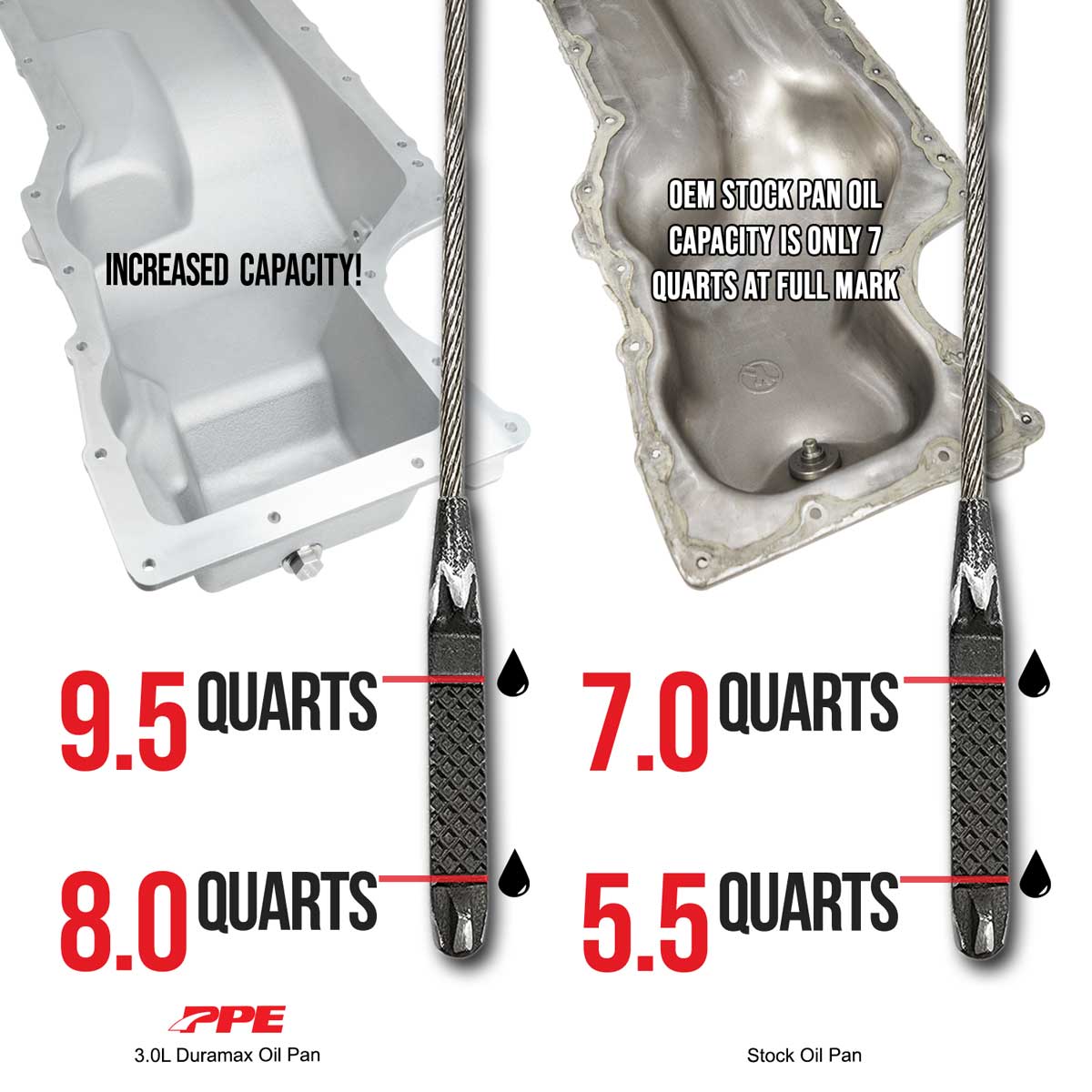
Aftermarket oil coolers, remote filter kits, or deep sump pans can all change oil volume. These upgrades are common among heavy haulers and off-roaders.
- Always measure the oil level after installation, not just by the manual’s number.
- Extra oil can help with cooling but must be balanced with correct oil pressure.
3. Oil Draining Method
If you change your oil at home, how you drain it matters. Some oil will always remain in engine passages or the filter if not fully drained.
- Let the engine cool before draining, but not stone-cold—slightly warm oil drains better.
- Allow several minutes for oil to drip out completely.
4. Driving Conditions
Extreme towing, idling, or high temperatures can affect oil consumption and quality.
- Check oil level more often if you tow heavy loads or drive in very hot or cold weather.
- Oil may break down faster, so don’t stretch change intervals.
5. Climate And Oil Viscosity
Colder climates may require thinner oil, while hotter areas benefit from thicker oil. The amount remains the same, but viscosity changes can affect oil flow and pressure.
- Always follow manufacturer viscosity recommendations for your climate.
How To Check And Refill Duramax Oil Properly
Checking and refilling engine oil is simple, but mistakes are common—even among experienced owners.
Step-by-step Guide
- Park on Level Ground: Always check oil with the truck on a flat surface.
- Wait After Shutdown: Let the engine rest for at least 5–10 minutes after turning off, so oil drains back to the pan.
- Pull the Dipstick: Wipe it clean with a lint-free cloth, then reinsert fully.
- Read the Level: Oil should be between the “add” and “full” marks. A little below “full” is better than overfilled.
- Add Oil Slowly: If low, add half a quart at a time, wait, and recheck.
- Don’t Overfill: Extra oil can foam and damage seals.
Pro Tips For Accuracy
- Check hot and cold: Some owners check oil when hot (after driving), others when cold. Always be consistent.
- Inspect oil color and smell: Milky oil means coolant leaks; burnt smell means overheating.
- Document oil changes: Keep a simple log of oil type, amount, and date. This helps with warranty and resale.
Common Mistakes To Avoid
- Overfilling by “eyeballing” instead of measuring
- Not changing the oil filter every time
- Using gasoline engine oil instead of diesel-rated oil (look for the API CK-4 or CJ-4 rating)
- Ignoring oil leaks or pressure drops
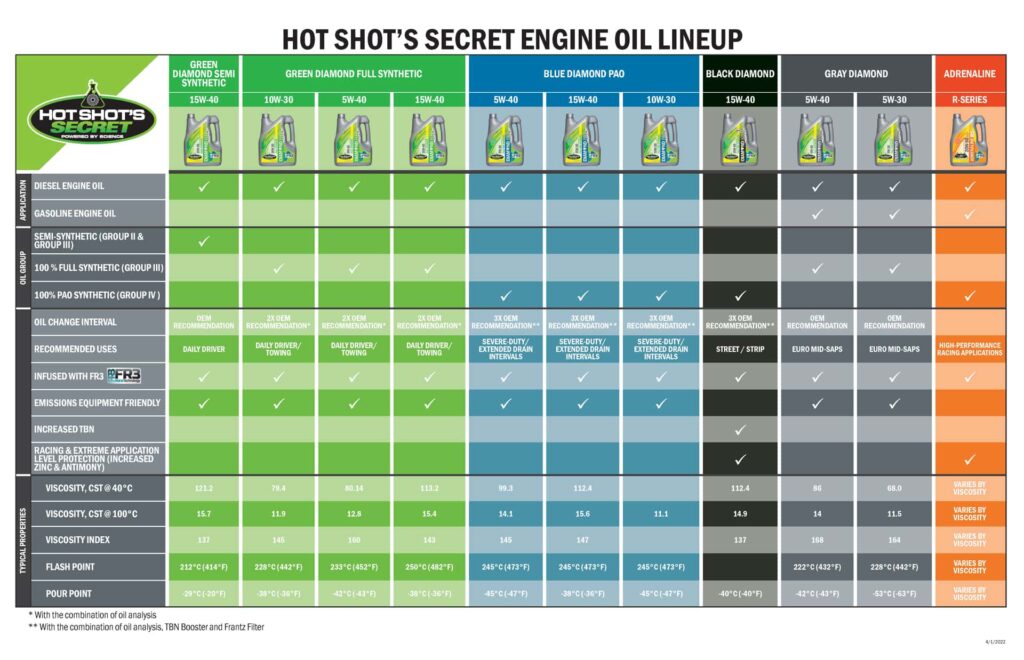
Duramax Oil Change Intervals And Frequency
How often should you change oil? It depends on your Duramax model and driving style.
General Guidelines
- Normal driving: Every 7,500–10,000 miles or 1 year, whichever comes first
- Heavy towing/harsh conditions: Every 5,000 miles or 6 months
- Short trips/frequent idling: Every 5,000 miles or 6 months
Newer Duramax trucks (especially L5P, LM2) have oil life monitors that track usage and alert you. Trust the monitor, but don’t ignore unusual conditions.
Early Oil Changes For New Engines
If you have a new or rebuilt engine, the first oil change should be at 1,000–1,500 miles. This flushes out assembly debris and metal shavings.
Oil Brand And Type
Use only diesel-rated synthetic oil for best protection and longevity. Popular brands include Mobil Delvac, Shell Rotella, and Chevron Delo.
- Viscosity: Most Duramax engines use 15W-40 or 5W-40 (synthetic) depending on climate.
- For 2.8L and 3.0L Duramax, follow the manual for the specific viscosity.
Diy Duramax Oil Change: Step-by-step
Changing your own oil saves money and lets you inspect the engine closely. Here’s how to do it right.
Tools And Materials Needed
- Correct amount of diesel-rated engine oil
- New oil filter (OEM or quality aftermarket)
- Oil drain pan (at least 12-quart capacity)
- Socket wrench and extension
- Funnel
- Rags and gloves
- New drain plug gasket (optional)
Oil Change Process
1. Warm Up The Engine
Run the engine for 5 minutes to thin the oil, then shut off.
2. Raise The Truck (if Needed)
Use ramps or a lift for easier access, but never crawl under a truck supported only by a jack.
3. Remove The Drain Plug
Place the drain pan and loosen the plug. Allow all oil to drain—this takes several minutes.
4. Replace The Oil Filter
Use an oil filter wrench to remove the old filter. Apply a thin layer of new oil on the gasket of the new filter before installing.
5. Reinstall The Drain Plug
Use a new gasket if possible and tighten to factory specs (don’t overtighten).
6. Add New Oil
Pour in the amount listed for your engine (see earlier table), but stop 1 quart short.
7. Check For Leaks
Start the engine, let it run for a minute, then shut off and check for drips.
8. Top Off Oil
Wait 5 minutes, check the dipstick, and add oil as needed to reach “full. ”
9. Dispose Of Old Oil Properly
Take used oil to a recycling center or auto parts store.
Practical Tips
- Always use a diesel-rated oil filter for maximum filtration.
- Keep a spare quart of oil in the truck, especially for long trips.
- Dirty or low oil can trigger check engine lights or limp mode in newer trucks.
Real-world Duramax Oil Capacity Scenarios
Duramax engines are used in a variety of ways. Here’s how oil capacity comes into play in different situations.
Heavy Towing
If you tow a large trailer or haul heavy loads, your engine works harder and gets hotter.
- Stick to the maximum recommended capacity—never run low.
- More frequent oil checks are a must.
- Consider synthetic oil for better high-temperature protection.
Off-road Use
Rough terrain and steep angles can move oil away from the pickup tube.
- Always check oil after hard use; a slight overfill (within safe limits) may help on steep hills.
- Watch for leaks from pan impacts or rocks.
Cold Weather Operation
Diesel oil thickens in cold weather, making flow harder at startup.
- Use the correct winter viscosity (often 5W-40 synthetic).
- Let the truck idle for a few minutes before driving.
- Never overfill to “compensate” for cold; stick to factory capacity.
Modified Or Tuned Engines
More power means more stress and heat.
- Aftermarket pans or coolers may increase capacity—always measure with the dipstick.
- High-performance filters can also affect total oil volume.
- Document any modifications for future service.
Duramax Oil Capacity Vs. Other Diesel Engines
How does the Duramax compare to other popular diesel engines like Ford’s Power Stroke or Ram’s Cummins? Here’s a side-by-side look.
| Engine | Oil Capacity | Years | Notes |
|---|---|---|---|
| Duramax 6.6L (LB7–L5P) | 10 quarts | 2001–Present | Consistent across generations |
| Power Stroke 6.7L | 13 quarts | 2011–Present | Larger sump, higher total volume |
| Cummins 6.7L | 12 quarts | 2007.5–Present | Varies with oil pan style |
Non-obvious insight: The Duramax’s slightly smaller oil capacity is balanced by efficient cooling and oil flow design. Bigger isn’t always better—overfilling can actually hurt more than help.

Signs Of Wrong Oil Capacity: What To Watch For
If you overfill or underfill your Duramax, watch for these warning signs:
- High oil pressure: Gauge reads higher than normal; can burst seals.
- Low oil pressure: Flickering warning light; risk of bearing damage.
- Blue or white smoke: Overfilled oil may enter the turbo or intake.
- Knocking sounds: Low oil starves bearings.
- Check engine light: Modern Duramax ECMs can detect oil level problems.
If you notice any of these, stop the engine and check the oil immediately.
Duramax Oil Capacity And Warranty Concerns
Using the wrong oil type or capacity can void engine warranties—especially on new trucks.
- Always keep oil change receipts, including oil brand, weight, and amount.
- If using a dealer, confirm they use the correct oil and capacity for your engine.
- Aftermarket modifications (larger pans, coolers) can sometimes affect coverage—check with your dealer.
Pro tip: Document every oil change with a photo of the dipstick and receipt. This can protect you in case of warranty disputes.
Advanced Tips: Extending Duramax Engine Life
Oil capacity is just one part of long-term engine health. Here’s how experienced owners make their engines last:
- Use high-quality synthetic oil—it resists breakdown under heavy loads and heat.
- Change oil and filter together—never skip the filter.
- Install a bypass oil filter for even cleaner oil (especially on older engines).
- Check for leaks at every oil change—small leaks add up over time.
- Listen for changes in engine sound or oil pressure—catch problems early.
Many Duramax engines easily reach 300,000+ miles with good oil habits.
Where To Find Accurate Duramax Oil Capacity Information
Owner’s manuals, trusted online forums, and official GM resources are the best sources. If you don’t have your manual, you can find official guides on the Chevrolet or GMC websites. For more technical details and factory specifications, visit the official Chevrolet Duramax page.
Be cautious with advice from social media or YouTube—always cross-check with official sources.
Frequently Asked Questions
What Happens If I Overfill My Duramax With Oil?
Overfilling can cause foaming, which leads to poor lubrication, leaks, and even turbo or catalytic converter damage. Always fill to the “full” line on the dipstick, not above.
Can I Use Regular Gasoline Engine Oil In My Duramax?
No. Duramax engines need diesel-rated oil (API CK-4 or CJ-4). Gasoline oils lack the additives needed to handle soot and heat in diesel engines.
How Often Should I Check My Duramax Oil Level?
Check at least once a month or before any long trip, especially if you tow or drive in extreme conditions. Newer models may have electronic oil level sensors, but it’s still smart to check manually.
Does Oil Capacity Change With High-mileage Engines?
Slightly, yes. Older engines may use more oil due to wear or leaks. Always fill to the dipstick “full” line and monitor for unusual drops between oil changes.
What Oil Filter Should I Use With My Duramax?
Use an OEM filter or a top-quality aftermarket filter rated for diesel engines. Cheap filters can clog or leak, affecting oil pressure and engine life. Always match the filter to your engine’s year and model.
Final Thoughts
Knowing the correct Duramax oil capacity is more than a simple number—it’s a key part of keeping your truck reliable, powerful, and long-lasting. Whether you have an old-school LB7 or a modern L5P, stick to the recommended oil quantity, use only diesel-rated oils, and change filters every time. Pay attention to changes in oil level, pressure, or engine sound, and always check your owner’s manual for specifics on your truck.
With the right oil habits, your Duramax can deliver strong performance for hundreds of thousands of miles. Taking the time to learn your engine’s needs is one of the smartest investments you can make as a Duramax owner.