
If you own a Ford vehicle with a 302 engine, knowing the correct oil capacity is essential for maintaining engine health. The Ford 302, often called the 5. 0L V8, is a legendary engine used in many Ford cars and trucks from the 1960s through the 1990s.
Keeping the right amount and type of oil in your engine isn’t just about following a manual—it’s about protecting your investment, ensuring smooth performance, and avoiding costly repairs down the road.
Many owners, especially those new to classic Fords, find oil questions confusing. You may have heard different numbers for oil capacity, or you’re unsure if modifications or aftermarket parts change the amount you need. In this guide, you’ll find clear answers, practical tips, and expert advice about Ford 302 oil capacity and everything that goes with it.
Whether you’re changing your own oil or just want to check if your mechanic did it right, this article will help you feel confident.
Understanding The Ford 302 Engine
The Ford 302 engine was first introduced in the late 1960s. It’s a small-block V8, known for its reliability and easy maintenance. Over the years, Ford used the 302 in Mustangs, Broncos, F-150s, and many other models. Because of its long history and popularity, the 302 has seen many changes and upgrades.
Despite these changes, the basics of oil capacity and maintenance stay similar.
Why Oil Capacity Matters
Engine oil does more than just lubricate. It cools, cleans, and protects engine parts from wear. If you run your engine with too little oil, parts can overheat and wear quickly, possibly leading to engine failure. Too much oil isn’t good either—it can cause foaming, leaks, or even damage seals and gaskets.
Knowing the exact oil capacity for your Ford 302 makes every oil change safer and more effective. It also helps you spot problems early—like oil loss from leaks or burning.
Ford 302 Oil Capacity: The Straight Answer
For most stock, unmodified Ford 302 engines, the oil capacity is 5 quarts (with oil filter change). This number is consistent for most model years and vehicle types that use the 302.
If you’re simply doing a standard oil change (draining the oil pan and replacing the filter), use 5 quarts as your starting point. Always check the dipstick after filling, as there can be slight variations depending on the oil pan or filter used.
Oil Capacity Variations
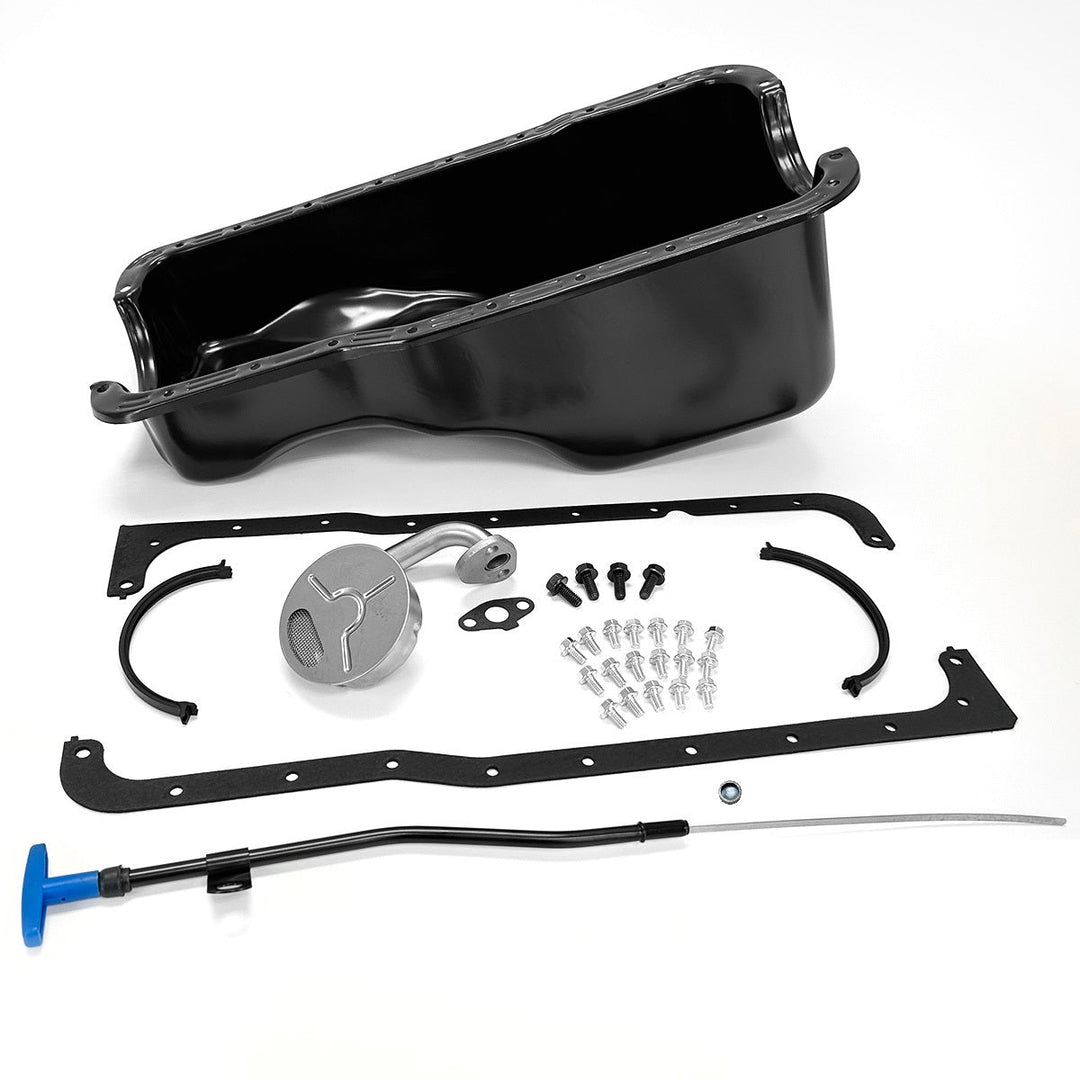
Some 302 engines have different oil pans, especially if the engine has been swapped into another vehicle or modified for racing. Aftermarket oil pans can increase or decrease capacity. Trucks and vans sometimes have larger pans for better cooling, while Mustangs and passenger cars usually stick to the 5-quart standard.
If you’re unsure, always check:
- The dipstick: After filling and running the engine briefly, let it sit for a few minutes and check the dipstick level.
- Engine numbers: Check your engine’s casting numbers or consult your vehicle’s manual for specifics.
- Oil pan type: If you have a custom pan or a deep sump pan, the capacity can be more—sometimes 6 or even 7 quarts.
Expert tip: Never assume the oil capacity based only on the engine model. Always verify with your dipstick, especially if you suspect the engine has been modified.
Oil Type And Specifications For Ford 302
Choosing the right oil isn’t just about capacity—it’s about using oil that matches your engine’s needs and your driving conditions.
Recommended Oil Types
For most Ford 302s, the manufacturer recommends 10W-30 conventional motor oil. However, this can vary based on:
- The climate you drive in (colder or hotter regions)
- The age and condition of your engine
- How you use your vehicle (daily driving vs. high-performance/racing)
Common Choices
- 10W-30: Good all-purpose oil for moderate climates and most driving.
- 10W-40: Slightly thicker, sometimes used in older engines with worn seals.
- 5W-30: Flows better in cold weather, suitable for winter driving.
- Synthetic 10W-30 or 5W-30: Offers better protection, especially in extreme temperatures or if you drive hard.
Conventional Vs. Synthetic Oil
- Conventional: Less expensive, works fine for most street-driven, stock 302s.
- Synthetic: More stable at high temperatures, better for racing, towing, or if you want maximum protection.
- Blends: Mix of both; a good compromise for many drivers.
Insight: Some older engines leak more when switched to synthetic oil. If your 302 has original seals and you notice leaks after switching, consider going back to conventional or a blend.
Oil Filter Choice
Always change the oil filter when you change the oil. For Ford 302s, the standard filter is often a Motorcraft FL-1A or equivalent. High-performance engines may use a larger or higher-flow filter.
How To Check Your Ford 302 Oil Level
Checking oil is simple, but there are a few steps you should always follow to get an accurate reading.
- Park the car on a level surface and turn off the engine.
- Wait a few minutes for the oil to drain into the pan.
- Pull out the dipstick, wipe it clean, and reinsert fully.
- Remove the dipstick again and look at the oil level—it should be between the “MIN” and “MAX” marks.
What If The Level Is Low Or High?
- Low oil: Add oil a little at a time, checking after each addition. Never overfill.
- High oil: If it’s significantly above the “MAX” mark, drain some out. Too much oil can cause aeration (foaming), poor lubrication, and even engine damage.
Common Mistake: Not Waiting After Shutoff
Checking oil immediately after turning off the engine will give a low reading. Always wait at least 5 minutes for oil to settle.
Step-by-step: Changing Oil On A Ford 302
Doing your own oil change is one of the best ways to learn about your engine. Here’s how to do it properly:
Tools And Parts Needed
- 5 quarts of recommended motor oil
- New oil filter (Motorcraft FL-1A or equivalent)
- Oil filter wrench
- Socket wrench set
- Oil drain pan
- Funnel
- Shop rags or paper towels
- Gloves
- Jack and jack stands (if needed)
Steps
- Warm up the engine. Run for a few minutes to thin the oil for better draining.
- Raise the vehicle safely. Use a jack and jack stands if needed. Never rely on a jack alone.
- Remove the oil drain plug. Place the pan underneath, use the socket wrench to remove the plug, and let oil drain completely.
- Remove the oil filter. Use the filter wrench. Some oil will spill, so keep the pan under the filter area.
- Install new filter. Rub a little new oil on the filter’s rubber gasket. Screw it on hand-tight only.
- Replace the drain plug. Tighten snugly—don’t overtighten or you may strip the threads.
- Add new oil. Use a funnel to pour in 5 quarts.
- Start the engine. Let it run for 30 seconds, then shut off and check for leaks.
- Check oil level. After a few minutes, check with the dipstick. Add more if needed, but don’t overfill.
Disposal
Never pour used oil down a drain. Most auto parts stores accept used oil for recycling.
Oil Change Intervals For Ford 302
How often should you change your oil? The classic recommendation is every 3,000 miles (4,800 km) or 3 months, whichever comes first. However, with modern oils, some owners safely stretch this to 4,000–5,000 miles for gentle use.
Factors That Shorten Oil Life
- Frequent short trips (engine doesn’t fully warm up)
- Towing or heavy loads
- High temperatures
- Racing or aggressive driving
- Dusty or dirty environments
If you use your vehicle hard, stick to 3,000-mile intervals. For weekend cruisers or show cars, you can go longer, but always change oil at least once per year—even if you drive very little.
Signs You Need An Oil Change Sooner
- Oil looks dark and dirty on the dipstick
- Engine runs noisier than usual
- Oil smells burnt
- Oil pressure warning light flickers
Common Oil-related Problems On Ford 302 Engines
Even with careful maintenance, 302s can develop oil-related issues, especially as they age.
Leaks
- Valve cover gaskets: These often leak on older engines. Look for oil around the valve covers.
- Oil pan gasket: If you see drips under the engine, this is a likely source.
- Rear main seal: A common leak point on high-mileage engines.
Oil Consumption
Some 302s use oil as they age. If you’re adding oil between changes, check for blue smoke out the tailpipe (burning oil) or leaks. Consumption under 1 quart every 1,000–2,000 miles isn’t unusual for high-mileage engines, but more than that may mean worn valve seals or piston rings.
Low Oil Pressure
If your oil pressure gauge reads low:
- Check oil level immediately.
- Consider thicker oil if the engine is worn.
- A failing oil pump or clogged oil pickup can also cause low pressure—don’t ignore this!
Upgrading Your Oil System: Should You Do It?
If your 302 is built for more power, you might benefit from oil system upgrades.
Deep Sump Pans
Racers often use deep or baffled oil pans to prevent oil starvation during hard cornering or acceleration. These usually hold 6–7 quarts. If you upgrade the pan, always check the new capacity and adjust your oil changes.
High-volume Oil Pumps
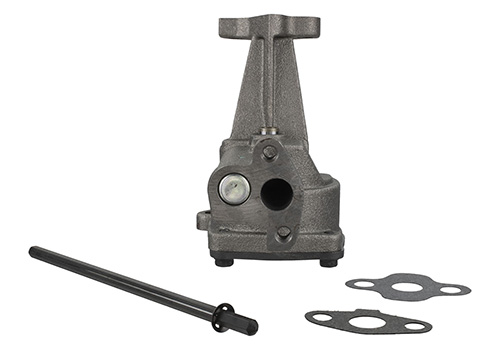
These pumps increase oil flow for high-RPM or high-load engines. But more oil flow means you may need a higher-capacity pan to prevent running the pan dry.
Non-obvious insight: More isn’t always better. Too much oil flow can cause leaks in engines not designed for it. Upgrades should match your engine’s needs.
Oil Coolers
Towing or racing? An oil cooler can help keep temperatures down. These don’t usually change oil capacity, but always check manufacturer specs.
What About Additives?
Many classic car owners use oil additives, hoping for extra protection. Some additives can help with worn engines (like zinc or “ZDDP” for flat-tappet cams), but many are unnecessary with modern high-quality oils.
- Zinc (ZDDP): If your 302 has a flat-tappet cam, some modern oils have reduced zinc, which is critical for cam wear. Use oil specifically labeled for classic engines or add a zinc supplement.
- Other additives: Most engines don’t need extra additives if you use quality oil and change it regularly.
Caution: Too many additives can hurt engine performance or damage seals.
Frequently Asked Questions
Can I Use Thicker Oil In My High-mileage 302?
Yes, many owners use 10W-40 or even 20W-50 in older engines to reduce leaks and oil burning. But don’t go too thick in cold climates, or you may starve your engine of oil at startup.
Is Synthetic Oil Safe For My Classic 302?
Usually yes, but check for leaks after switching. Synthetics may clean out old deposits, revealing weak gaskets or seals.
How Do I Know If I Have A Non-stock Oil Pan?
Look for part numbers on the pan, or compare the depth to pictures online. Deep sump pans are visibly taller. If you bought the car used, ask the previous owner or mechanic.
Can I Overfill By Accident If I Just Pour In 5 Quarts?
If you have a stock pan and filter, 5 quarts is safe. But always check the dipstick after running the engine. Small differences in pan or filter size can make a difference.
What Happens If I Don’t Change My Oil Regularly?
Dirty oil loses its lubricating ability, leading to faster engine wear, sludge buildup, and possible engine failure. Even if you don’t drive much, oil absorbs moisture and contaminants over time.
Advanced Tips For Ford 302 Owners
Check For Oil Pan Dents
A dented oil pan can reduce capacity and block oil flow to the pickup. Always inspect your pan during oil changes. Even a small dent can starve the engine of oil at high speeds.
Replace The Oil Filter Gasket
Always ensure the old filter gasket comes off with the old filter. A double gasket can cause instant, major leaks when you start the engine.
Prime The Oil System After Rebuilds
If you’ve rebuilt your 302 or changed the oil pump, always prime the system before first start. Use a drill and priming tool to circulate oil and prevent “dry start” damage.
Summary: The Key Points
- Most stock Ford 302s need 5 quarts of oil with filter.
- Always check the dipstick after filling, especially with non-stock pans or filters.
- Use 10W-30 for most conditions, but adjust for climate and engine wear.
- Change oil every 3,000 miles or at least yearly.
- Watch for leaks, low pressure, or oil burning as signs of bigger issues.
- Upgrades like deep pans or high-volume pumps may change capacity—know your setup.
- Use quality filters and proper disposal methods.
Knowing your Ford 302 oil capacity—and how to check and change it—keeps your classic running for years to come. For more technical details, Ford’s official parts catalog is a good resource if you need specs for your exact year and model.
With a little care, your 302 can deliver the power and reliability it’s famous for—mile after mile.