
The Ford 4.6L engine is a trusted powerhouse in the automotive world. Known for its reliability, long life, and wide use across many Ford cars and trucks, this engine has earned respect from mechanics and owners alike. But even the best engine needs the right care to keep running smoothly. One of the most important details for maintenance is the Ford 4.6 oil capacity. If you put in too little oil, the engine risks damage. Too much, and you can cause leaks or pressure problems. For anyone who drives, services, or is considering a Ford with a 4.6L V8, understanding the oil capacity is not just helpful—it’s essential.
Many drivers assume all 4. 6 engines are the same, but there are small but important differences. The oil capacity can change depending on the model year, vehicle type, and even the version of the engine. This guide will cover every key detail, from the standard oil capacity to how the oil system works, what oil types are best, and the right way to change your oil.
Whether you’re a DIY car owner or just want to know more before your next service appointment, you’ll find clear answers here.
What Is The Ford 4.6 Engine?
The Ford 4.6-liter V8—often called the “Modular V8″—first appeared in the early 1990s. This engine has powered everything from the Ford Mustang to the F-150, Crown Victoria, Explorer, and even Lincoln Town Car. With its mix of power, smooth operation, and strong design, the 4.6 quickly became a favorite for drivers and mechanics alike.
There are several versions of the 4.6, including SOHC (Single Overhead Cam) and DOHC (Dual Overhead Cam), and even high-performance variants in some Mustang models. Despite these differences, the basics of oil needs remain similar—but not identical. The main differences come from the oil pan size, filter size, and sometimes the specific use of the engine (for example, performance vs. standard driving).
Why Oil Capacity Matters
Engine oil does more than just reduce friction; it cools, cleans, and protects every moving part inside the engine. The correct oil capacity is critical. If you use less oil than needed, the engine may not get enough lubrication, leading to higher temperatures, more wear, and possible engine failure. If you add too much, you risk oil leaks, seal damage, and even foaming, which can reduce oil pressure and harm the engine.
Another reason to get oil capacity right is for oil changes. If you drain too much or too little, you might not remove all the old, dirty oil, which means your fresh oil is immediately contaminated. Using the proper amount ensures your engine gets the protection it needs between changes.
Standard Ford 4.6 Oil Capacity
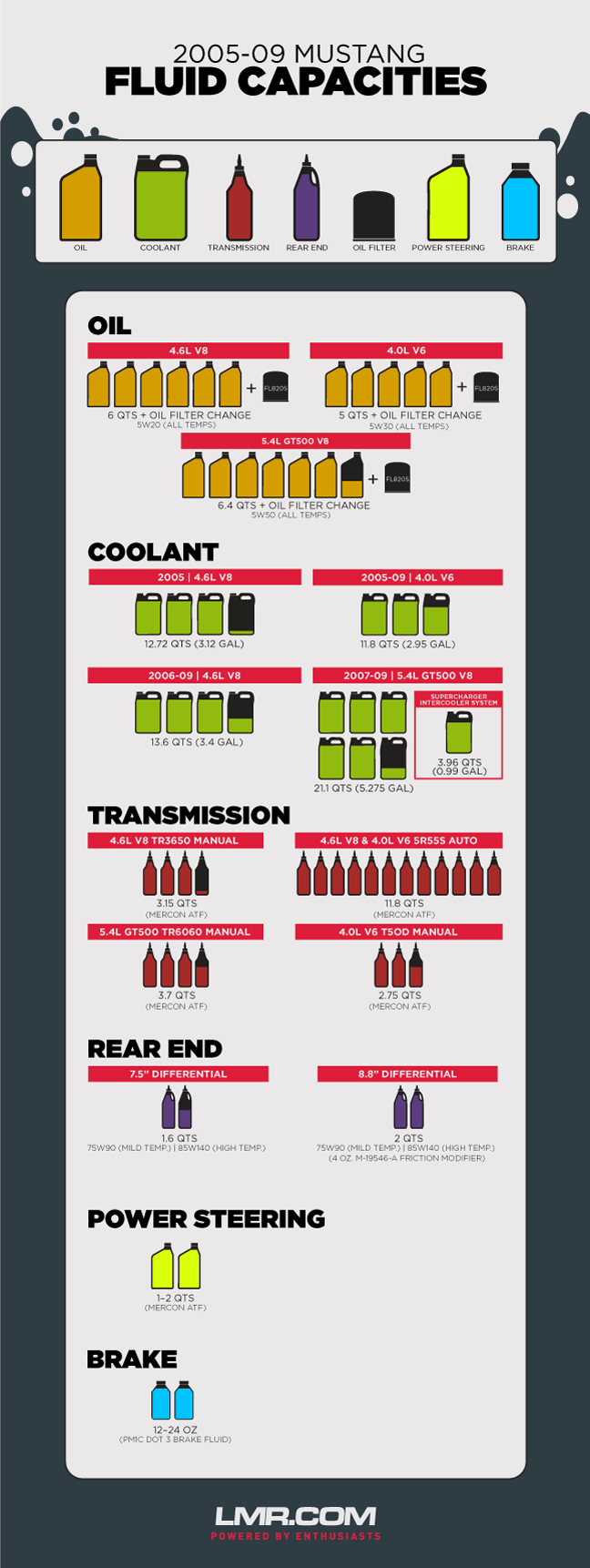
The standard oil capacity for most Ford 4.6L V8 engines is 5 quarts (4.7 liters) with filter change. However, this number can change with specific models, years, and filter sizes. Some larger vehicles or special editions may hold more, especially if they have a larger oil pan or high-capacity filter.
Here is a quick overview for common Ford 4.6 vehicles:
| Vehicle | Model Years | Oil Capacity (with filter) |
|---|---|---|
| Ford Mustang 4.6L | 1996–2010 | 5 quarts (4.7L) |
| Ford F-150 4.6L | 1997–2010 | 6 quarts (5.7L) |
| Ford Crown Victoria | 1992–2011 | 5 quarts (4.7L) |
| Lincoln Town Car | 1991–2011 | 5 quarts (4.7L) |
Non-obvious insight: Many drivers do not realize that the F-150 pickup with a 4.6L engine often uses 6 quarts instead of 5. Always check your owner’s manual or the dipstick after an oil change to confirm the correct level.
6 Key Items For Ford 4.6 Oil Capacity
To truly understand the Ford 4. 6 oil system, you need to know six specific things. Each one plays a role in keeping your engine healthy and long-lasting.
1. Stock Oil Pan And Filter Combinations
The oil pan and oil filter work together to set the total oil capacity. Over the years, Ford made small changes to both. Some vehicles, especially trucks or high-performance cars, have a larger oil pan or an oversized filter, increasing oil capacity.
- Passenger cars: Most use the standard 5-quart system.
- Trucks and SUVs: Some F-150s, Explorers, and Expeditions with the 4.6 use a 6-quart setup because of a deeper pan and larger filter.
- Police and performance models: These sometimes have larger pans or coolers for extra protection under hard use.
Tip: If you change the oil pan or use a non-standard filter, always check the new capacity with a manual or by checking the dipstick after refilling.
2. Oil Type And Viscosity
Choosing the right oil type is just as important as using the correct amount. Ford recommends 5W-20 or 5W-30 for most 4.6 engines, depending on the year and model. The numbers refer to the oil’s viscosity, or thickness, at cold and hot temperatures.
- 5W-20: Thinner, helps with fuel economy, often used in newer models.
- 5W-30: Slightly thicker, better for older engines or those in hot climates.
Non-obvious insight: Some owners use heavier oil (like 10W-30) to reduce burning in high-mileage engines, but this can affect oil flow. Stick to Ford’s recommendation for best results.
3. Oil Change Interval
How often you should change your oil depends on driving habits and conditions. Ford usually recommends every 5,000 miles (8,000 km) or six months, whichever comes first. Some newer oils and filters claim longer life, but regular changes are safer, especially for older engines.
- Severe driving: Change more often if you drive in dusty areas, tow heavy loads, or do a lot of short trips.
- Synthetic oil: May allow longer intervals, but always follow Ford’s guidelines.
Practical tip: Even if you don’t drive much, oil breaks down over time. Don’t wait longer than a year between changes.
4. Checking Oil Level
It’s not enough to just change the oil; you need to check it regularly. The dipstick is your best friend here.
- Park on a level surface and let the engine cool for a few minutes.
- Pull the dipstick, wipe it clean, then reinsert and remove again.
- Oil should be between the “MIN” and “MAX” marks.
- If it’s low, add oil a little at a time and check again.
Common mistake: Overfilling. Adding too much oil can cause leaks and pressure problems. Only fill to the top mark.
5. Common Problems With Oil Capacity
Even experienced owners make mistakes with oil capacity. Here are a few to watch for:
- Wrong filter: Using a filter that is too small or too large can change the total capacity by up to half a quart.
- Aftermarket oil pans: Some larger aftermarket pans hold more oil, but you must know the new total or risk underfilling.
- Oil cooler systems: Police, taxi, or towing packages often add an oil cooler, which can increase oil volume.
- Burning or leaking oil: Older 4.6 engines sometimes burn oil, so check more often and top up as needed.
Expert advice: After any engine work, always measure how much oil you drain, not just what you add.
6. Oil Capacity By Year And Model
Small changes from year to year can affect oil capacity. Below is a summary for the most common models:
| Model | Year Range | Engine Type | Oil Capacity (with filter) |
|---|---|---|---|
| Mustang GT | 1996–2004 | SOHC 4.6L | 5 quarts (4.7L) |
| Mustang Cobra | 1996–2004 | DOHC 4.6L | 6 quarts (5.7L) |
| F-150 | 1997–2008 | SOHC 4.6L | 6 quarts (5.7L) |
| Crown Victoria | 1992–2011 | SOHC 4.6L | 5 quarts (4.7L) |
| Expedition | 1997–2004 | SOHC 4.6L | 6 quarts (5.7L) |
| Lincoln Town Car | 1991–2011 | SOHC 4.6L | 5 quarts (4.7L) |
Key takeaway: Always check your specific model’s manual or a trusted source for the correct oil capacity. Even a difference of one quart can have a big impact.
How To Change Oil In A Ford 4.6 Engine
Changing oil yourself is rewarding and can save money, but it must be done correctly. Here’s a step-by-step guide tailored for the 4. 6L V8.
Step 1: Gather Tools And Supplies
You will need:
- Correct amount of oil (5 or 6 quarts, depending on your vehicle)
- Oil filter (check size for your model/year)
- Oil filter wrench
- Socket or wrench for drain plug (usually 16mm or 5/8”)
- Oil catch pan
- Funnel
- Rags
Step 2: Warm Up Engine
Run the engine for 2–3 minutes. Warm oil drains faster and carries out more contaminants.
Step 3: Drain Old Oil
- Place catch pan under the oil pan drain plug.
- Loosen the plug and let all oil drain out.
- Replace and tighten the plug.
Step 4: Replace Oil Filter
- Use the filter wrench to loosen the old filter.
- Let any oil inside drain out before removing completely.
- Wipe the filter mount clean.
- Coat the new filter’s gasket with fresh oil and install hand-tight.
Step 5: Add New Oil
- Place the funnel in the fill cap.
- Add the correct amount of oil (usually 5 or 6 quarts).
- Replace cap.
Step 6: Check Level And Leaks
- Start engine and let run for 30 seconds.
- Turn off, wait 2 minutes, and check the dipstick.
- Add oil if needed to reach the “FULL” mark.
- Check under car for leaks.
Pro tip: Dispose of old oil responsibly. Most auto parts stores will recycle used oil for free.
Choosing The Right Oil Filter
The oil filter is just as important as the oil itself. Ford recommends using a Motorcraft filter or one that meets OEM specs. Using a filter that’s too small can lower oil capacity and cause oil to bypass the filter—meaning dirty oil keeps circulating.
Some common filters for the 4.6 include:
- Motorcraft FL-820S: Standard for most 4.6 engines
- Fram PH2 or PH8A: For some trucks and SUVs
- Wix 51372: Aftermarket, high-quality option
Practical advice: Avoid ultra-cheap filters. They often have weak valves or seals that can fail.
Synthetic Vs. Conventional Oil For Ford 4.6
Ford originally designed the 4.6 for conventional oil, but synthetic oils are now widely used. Here’s how they compare:
| Oil Type | Pros | Cons |
|---|---|---|
| Conventional | Lower cost, works well if changed often | Breaks down faster, less protection in extreme temps |
| Synthetic | Better protection, lasts longer, cleans engine better | Higher cost, sometimes leaks in older seals |
| Synthetic Blend | Mix of both, good balance of price and performance | Still not as long-lasting as full synthetic |
Common mistake: Switching to synthetic in a very old or high-mileage 4.6 can sometimes cause leaks if seals are worn. If you switch, watch for any new drips or leaks.
Signs Of Incorrect Oil Capacity
Your car will often “tell” you if the oil level is wrong. Here’s what to watch for:
- Low oil pressure light: May come on if you have too little oil.
- Engine ticking or knocking: Not enough oil reaching top parts.
- Burning smell or blue smoke: Too much oil can leak into hot areas.
- Foamy oil on dipstick: Sign of overfilling or coolant mixing with oil.
If you notice any of these signs after an oil change, check the level immediately.
Oil Capacity And Engine Longevity
The 4. 6L V8 is famous for lasting over 200,000 miles with good care. The most important factor for long life is correct oil type and capacity. Changing oil regularly and always filling to the right mark prevents most common problems.
Non-obvious tip: Engines that are always filled to the proper level tend to have cleaner internals, less sludge, and fewer seal leaks over time.
How To Read The Dipstick Properly
Many car owners check their oil, but not everyone reads the dipstick correctly. Here’s the right way:
- Always check after the engine has been off for at least 2 minutes.
- Pull out the dipstick, wipe clean, reinsert fully, then pull out again.
- Look for oil between the “MIN” and “MAX” or “ADD” and “FULL” lines.
- If oil is below “MIN,” add oil in small amounts and recheck.
- Never fill past “MAX”—overfilling is just as bad as running low.
Extra advice: If oil looks milky, dark black, or smells burnt, it’s time for a change even if the level is fine.

Seasonal And Climate Considerations
Your climate can affect both oil type and how often you check or change oil. For example:
- Cold weather: Stick with 5W-20 or 5W-30 for easier starts.
- Hot weather or towing: 5W-30 can provide better protection at high temperatures.
- Desert or mountain driving: Check oil more often, as engines run hotter and may use more oil.
Advanced tip: If you take long road trips, check oil before you leave and after you return. Long, high-speed trips can use more oil.
Cost Of Oil Changes For Ford 4.6
A typical oil change for a Ford 4.6 costs between $30 and $70 if you do it yourself, depending on the oil and filter you choose. At a shop, expect to pay $50 to $120. Synthetic oil and premium filters cost more but can mean longer engine life.
Money-saving tip: Buying oil and filters in bulk can reduce the cost per oil change.
Environmental Considerations
Used oil is a toxic pollutant. Never pour it down the drain or on the ground. Most auto parts stores or city recycling centers will take used oil for free. Keeping oil changes on schedule also reduces engine emissions and improves fuel economy.
Non-obvious fact: Old, dirty oil increases fuel use and emissions. Regular oil changes are good for both your car and the environment.
Resources For More Information
For the most accurate, up-to-date information, always consult your vehicle’s owner’s manual. You can also find details on the official Ford website or trusted auto sources like Wikipedia.
Frequently Asked Questions
What Is The Oil Capacity For A 2004 Ford F-150 With The 4.6l Engine?
The 2004 Ford F-150 4.6L V8 typically takes 6 quarts (5.7 liters) with filter. Always check your owner’s manual or dipstick to confirm, as some variations exist.
Can I Use 5w-30 Instead Of 5w-20 In My Ford 4.6 Engine?
Yes, you can use 5W-30 in most 4.6 engines, especially in older models or hot climates. However, for best results and warranty reasons, follow the oil recommendation in your owner’s manual.
How Do I Know If I Put Too Much Oil In My Ford 4.6?
Signs of overfilling include oil leaks, blue smoke from the exhaust, or a foamy appearance on the dipstick. Remove excess oil immediately to avoid engine damage.
Does Synthetic Oil Increase The Capacity For Ford 4.6 Engines?
No, synthetic oil does not change the oil capacity. You still need to use the manufacturer’s recommended volume.
How Often Should I Change Oil In My Ford 4.6 If I Don’t Drive Much?
Even with low mileage, change your oil at least once a year. Oil breaks down over time, even if the vehicle isn’t driven much.
Taking care of your Ford 4. 6 engine is simple if you know the right oil capacity and follow good maintenance habits. Always use the correct oil and filter, check levels regularly, and never guess the amount. With these tips, your 4.
6 will deliver smooth, reliable power for years to come.