
The Ford Focus 2.0 has become a favorite among car owners for its balance of performance, comfort, and affordability. Whether you use it for daily commuting or long drives, keeping your engine healthy is essential. One crucial factor in this is understanding the oil capacity and how it affects the car’s performance. This guide will help you learn everything about the oil capacity of the Ford Focus 2.0, including the right oil type, how to change it, common mistakes to avoid, and answers to common questions.
Why Oil Capacity Matters In Your Ford Focus 2.0
Engine oil is more than just a lubricant. It helps to cool, clean, and protect the engine parts. If you use too little oil, your engine may overheat or wear out faster. Too much oil can also cause problems, such as leaks or increased pressure. The oil capacity is the amount of oil the engine needs to work efficiently. For the Ford Focus 2.0, knowing the exact oil capacity ensures your engine runs smoothly and lasts longer.
Most Ford Focus 2.0 models need about 4.3 quarts (4.1 liters) of engine oil when you do an oil change, including the filter. However, there are some differences depending on the year and engine version. Always check your owner’s manual or the label under the hood for the most accurate number.
Understanding The Ford Focus 2.0 Engine Variants
Not all 2.0-liter Focus engines are exactly the same. Over the years, Ford has used different 2.0 engines in various Focus models. The main types are:
- Zetec-E 2.0L DOHC (early 2000s)
- Duratec 2.0L (mid-2000s to 2018)
- EcoBoost 2.0L (for sportier versions like the ST)
- GDI 2.0L (Gasoline Direct Injection)
Each engine has small differences in design, which can affect oil needs. For example, the EcoBoost engine might need a slightly different oil type or volume compared to the standard Duratec. Always confirm your engine type before buying oil.
Oil Capacity By Model Year
Here’s a quick look at how oil capacity varies among different years and engine codes:
| Model Year | Engine Code | Oil Capacity (with filter) | Recommended Oil Type |
|---|---|---|---|
| 2000-2004 | Zetec-E | 4.3 quarts (4.1 L) | 5W-30 |
| 2005-2011 | Duratec | 4.5 quarts (4.3 L) | 5W-20 |
| 2012-2018 | GDI/Duratec | 4.3 quarts (4.1 L) | 5W-20 or 0W-20 |
| 2013-2018 (ST) | EcoBoost | 5.7 quarts (5.4 L) | 5W-30 Full Synthetic |
As you can see, the EcoBoost engine in the Focus ST uses more oil than the regular 2.0 engines. This is because turbocharged engines need extra lubrication and cooling.
Choosing The Right Oil For Your Ford Focus 2.0
Picking the best oil is as important as using the right amount. Ford recommends specific oil grades for each engine. Using the wrong type can reduce performance or even damage your engine.
Common Oil Types For Ford Focus 2.0
- 5W-20: Standard for many Duratec and GDI engines.
- 0W-20: Sometimes recommended for better fuel economy, especially in cold areas.
- 5W-30: Used in older Zetec engines and required for EcoBoost engines.
- Full Synthetic: Always best for turbocharged engines and longer oil change intervals.
What Do Oil Grades Mean?
The numbers and letters (like 5W-20) tell you how the oil behaves in different temperatures. The first number (5W) is for cold starts. The lower the number, the better the oil flows in cold weather. The second number (20 or 30) is for high temperatures — higher numbers mean thicker oil when hot.
Synthetic Vs. Conventional Oil
- Synthetic oil lasts longer and provides better protection, especially under stress or extreme temperatures.
- Conventional oil is cheaper but may need more frequent changes.
For most newer Ford Focus 2.0 engines, synthetic oil is preferred. It helps reduce engine wear and improves fuel economy.
How To Check Your Ford Focus 2.0 Oil Level
Many drivers overlook regular oil checks. However, checking oil level is a simple way to prevent engine trouble.
- Park on level ground. Let the engine cool for at least 10 minutes.
- Open the hood and locate the dipstick (usually with a yellow handle).
- Pull out the dipstick and wipe it clean.
- Insert it back fully, then pull it out again.
- Check the oil level. It should be between the “MIN” and “MAX” marks.
- Look at the oil color. Fresh oil is amber. If it’s dark or gritty, it’s time for a change.
When To Check Oil
- Every 1,000 miles or monthly, whichever comes first.
- Before long trips.
- After hard driving or extreme temperatures.
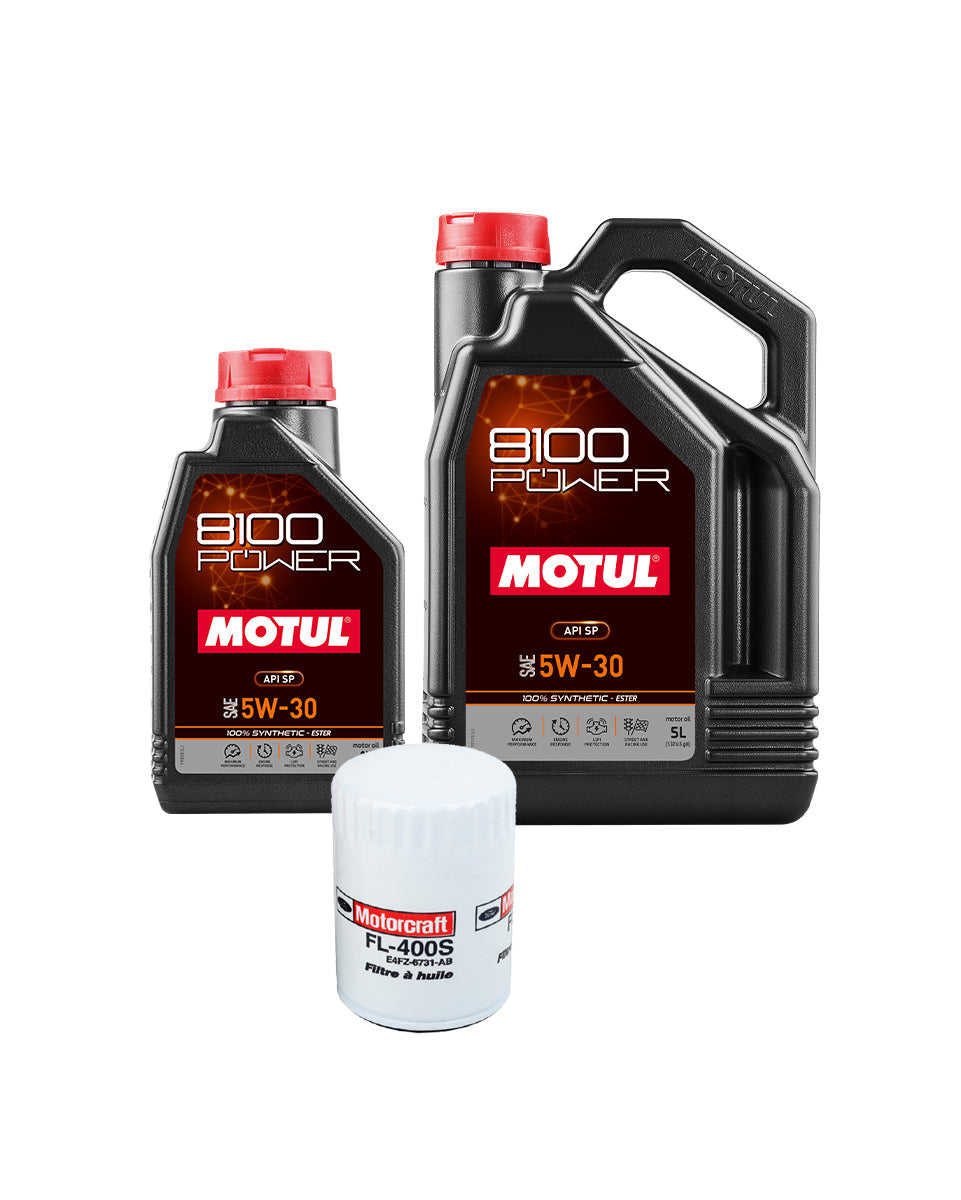
Changing The Oil In Your Ford Focus 2.0
Doing your own oil change saves money and gives you a better understanding of your car. Here’s how to do it safely:
Tools And Supplies Needed
- New engine oil (correct type and amount)
- New oil filter
- Oil drain pan
- Wrench set
- Funnel
- Clean rags
- Car jack and stands (if needed)
- Oil filter wrench
Step-by-step Oil Change Guide
- Warm up the engine for 3-5 minutes. This helps oil drain out smoothly.
- Park and secure the vehicle. Use jack stands if you need to lift the car.
- Remove the oil filler cap on top of the engine. This helps the oil flow out.
- Place the drain pan under the oil pan drain bolt.
- Loosen the drain bolt with the wrench. Let oil drain out fully (about 5-10 minutes).
- Remove the old oil filter. Use an oil filter wrench if needed. Expect more oil to drain.
- Install the new oil filter. Rub a little new oil on the filter gasket for a better seal.
- Replace the drain bolt. Tighten it firmly but don’t over-tighten.
- Pour new oil into the engine using the funnel. Add about 90% of the required amount first.
- Check the dipstick. Add oil slowly until it reaches the “MAX” mark.
- Run the engine for 1-2 minutes, then turn off and check for leaks.
- Check the oil level again. Top up if needed.
How Much Oil To Add?
- For most Ford Focus 2.0 models, add 4.3 quarts (4.1 liters) with a new filter.
- For Focus ST (EcoBoost), add 5.7 quarts (5.4 liters).
Safe Disposal
Never pour old oil down the drain. Take it to a recycling center or auto shop.
Oil Change Intervals For Ford Focus 2.0
How often should you change your oil? This depends on several factors.
Factory Recommendations
- Conventional oil: Every 3,000–5,000 miles (4,800–8,000 km)
- Synthetic oil: Every 7,500–10,000 miles (12,000–16,000 km)
Real-world Advice
If you drive in tough conditions (lots of short trips, heavy traffic, extreme heat or cold), change your oil more often. Even if you don’t drive much, change the oil at least once a year because oil ages over time.
Dashboard Oil Life Monitors
Many newer Ford Focus models have an oil life monitor. This digital tool tells you when to change the oil based on driving conditions. Don’t ignore it, but also don’t wait until the warning light comes on if you notice dirty oil or hear engine noise.
Comparing Oil Capacity With Other Compact Cars
Understanding how the Ford Focus 2. 0 compares to other similar cars gives you perspective on whether its oil needs are typical.
| Car Model | Engine Size | Oil Capacity | Recommended Oil |
|---|---|---|---|
| Ford Focus 2.0 | 2.0L I4 | 4.3 qts (4.1 L) | 5W-20 / 5W-30 |
| Honda Civic 2.0 | 2.0L I4 | 4.4 qts (4.2 L) | 0W-20 |
| Toyota Corolla 2.0 | 2.0L I4 | 4.4 qts (4.2 L) | 0W-16 |
| Volkswagen Golf 1.8T | 1.8L Turbo | 5.8 qts (5.5 L) | 5W-40 |
The Ford Focus 2. 0’s oil capacity is right in line with most competitors. Only turbocharged engines, like the Golf 1. 8T, typically need more oil.
Signs Of Low Or High Oil In Your Ford Focus 2.0
It’s not enough to just change the oil. You must also watch for signs of low oil or overfilling.
Signs Of Low Oil
- Oil warning light on the dashboard
- Engine ticking or knocking sounds
- Overheating engine
- Poor performance or sluggish acceleration
Signs Of Too Much Oil
- Blue smoke from the exhaust
- Oil leaks under the car
- Check engine light turns on
- Frothy or milky oil on the dipstick
What To Do If You Notice Problems
If you see any of these signs, stop driving and check your oil level. If you overfilled, drain the extra oil. If it’s too low, add more. Running your car with the wrong oil level can cause serious engine damage.
Common Mistakes When Changing Oil
Even experienced DIYers can make mistakes. Here are errors to watch out for:
- Using the wrong oil type: Always check the owner’s manual.
- Not replacing the oil filter: Old filters can clog and cause engine wear.
- Over-tightening the drain bolt: This can strip the oil pan threads.
- Forgetting to check for leaks: Oil leaks can go unnoticed until damage is done.
- Ignoring oil change intervals: Old oil can turn into sludge.
- Adding too much or too little oil: Always use a measuring jug and check with the dipstick.
Many beginners forget to prime the new oil filter (add a little oil inside before installation). This helps oil flow faster on the first start-up.
How Oil Capacity Affects Engine Life And Performance
Keeping the oil at the correct level is not just about following the rules. It directly impacts:
- Lubrication: Too little oil means more friction, which wears parts out faster.
- Cooling: Oil helps remove heat from the engine. Low oil means higher temperatures.
- Cleaning: Oil carries dirt and metal particles to the filter. Not enough oil means more dirt stays in your engine.
- Fuel economy: Engines with proper oil levels run smoother and use less fuel.
Even a small mistake with oil capacity can reduce the life of your engine. For example, running half a quart low for many months can increase wear on bearings and pistons.
Advanced Tips For Ford Focus 2.0 Owners
If you want to go beyond basic maintenance, consider these tips:
- Check oil more often after hard driving (like towing or racing). The engine may burn more oil.
- Use high-quality oil filters. Cheap filters can restrict flow or break apart.
- Flush the engine every 60,000 miles. This removes sludge that regular oil changes can miss.
- If you drive in dusty areas, change oil more frequently. Dust and sand can get into the engine and mix with the oil.
- Use OEM (original equipment manufacturer) parts for filters and seals. They fit better and last longer.
What If You Lose Track Of Your Last Oil Change?
Many drivers forget when they last changed their oil. Here’s how you can tell it’s time:
- Oil looks dark and dirty on the dipstick.
- Engine sounds louder than usual.
- Poor gas mileage without any other changes.
- Oil change reminder on your dashboard.
When in doubt, change the oil. It’s cheaper than fixing a broken engine.
How To Read The Ford Focus 2.0 Oil Dipstick
Some beginners find the dipstick confusing. Here’s what to look for:
- Two marks: “MIN” (minimum) and “MAX” (maximum).
- Oil should be between these marks.
- If oil is below “MIN”, add oil immediately.
- If oil is above “MAX”, you need to drain some.
Non-obvious insight: The dipstick reading can change if your car is parked on a slope or if the oil hasn’t settled. Always check on level ground and after the engine has cooled.
What Happens If You Overfill Or Underfill?
Both mistakes can hurt your engine, but in different ways.
- Overfilling: Extra oil can foam up, which makes it less effective at lubricating. This can also damage seals and gaskets, leading to leaks.
- Underfilling: Not enough oil means vital engine parts don’t get the lubrication they need, causing metal parts to grind and wear out.
If you notice any issues after an oil change, like strange noises or leaks, check the oil level right away.
Oil Consumption: How Much Oil Should A Ford Focus 2.0 Use?
All engines use a small amount of oil over time. For a healthy Ford Focus 2.0, using up to 1 quart every 3,000 miles is considered normal, especially as the engine ages. But if you need to add more oil than that, check for leaks or burning oil.
Non-obvious insight: Oil consumption often increases during the first 5,000 miles after a new engine or major repairs, as the parts settle in.
Winter And Summer Oil Tips For Ford Focus 2.0
Temperature affects how your oil works. Here’s what to know:
- In cold weather, use a lower “W” grade (like 0W-20 or 5W-20) so oil flows easily on start-up.
- In hot weather, make sure your oil is not too thin. 5W-30 is better for very hot climates, especially if you have an older engine.
- Always check your oil level more often if you drive in extreme temperatures.
Should You Use Additives In Your Ford Focus 2.0 Oil?
Most modern oils already contain the additives your engine needs, such as detergents and anti-wear chemicals. Adding extra products is usually not necessary and can sometimes do more harm than good. Only use additives if your mechanic recommends them for a specific reason.
How To Reset The Oil Change Light On Ford Focus 2.0
After an oil change, you should reset the oil change reminder. Here’s how:
- Turn the ignition to “on” without starting the engine.
- Press the gas and brake pedals all the way down at the same time.
- Hold for about 25 seconds until the oil light flashes and resets.
- Release the pedals and turn off the ignition.
If you skip this step, your car may remind you to change the oil sooner than necessary.
Where To Find Official Oil Capacity Information
The best source for oil capacity is your owner’s manual. If you’ve lost it, you can usually find digital manuals on the Ford website or from reputable auto forums. Some mechanics use databases that list this information for every car.
For extra peace of mind, you can check with your local Ford dealer or visit resources like Wikipedia for general information about the Ford Focus.
Frequently Asked Questions
How Much Oil Does A Ford Focus 2.0 Take With Filter Change?
Most 2.0-liter Ford Focus engines need 4.3 quarts (4.1 liters) of oil with a new filter. The Focus ST with the EcoBoost engine needs about 5.7 quarts (5.4 liters).
What Happens If I Use The Wrong Oil Type In My Ford Focus 2.0?
Using the wrong oil can cause poor engine performance, reduced fuel economy, and even engine damage over time. Always use the oil grade recommended in your owner’s manual.
How Often Should I Change The Oil In My Ford Focus 2.0?
If you use synthetic oil, change it every 7,500–10,000 miles. For conventional oil, change it every 3,000–5,000 miles. Always adjust based on your driving conditions.
Can I Use Synthetic Oil In An Older Ford Focus 2.0?
Yes, synthetic oil is safe for older engines as long as it matches the recommended viscosity. It often provides better protection and can help older engines run smoother.
What Are Signs That My Ford Focus 2.0 Is Low On Oil?
Look for the oil warning light, engine noise (like ticking or knocking), overheating, and poor acceleration. Always check the dipstick if you suspect low oil.
Taking care of your Ford Focus 2.0’s oil capacity is one of the best ways to keep your car reliable and efficient. A simple oil check and regular changes will save you time, money, and trouble in the long run. With the information in this guide, you can confidently handle oil changes and keep your engine in top shape.