
If you own or operate an Isuzu NPR truck, knowing the engine oil capacity is essential for proper maintenance. Using the right amount of oil protects your engine, improves performance, and extends the life of your vehicle. However, many NPR owners find it difficult to get clear, reliable information about oil capacity, oil types, and correct maintenance practices. This article will guide you through everything you need to know about the Isuzu NPR engine oil capacity—covering different model years, engine types, practical maintenance tips, and common mistakes to avoid. By the end, you’ll feel confident maintaining your NPR’s engine, whether you’re a fleet manager, a business owner, or a hands-on driver.
Understanding The Isuzu Npr: Models And Engines
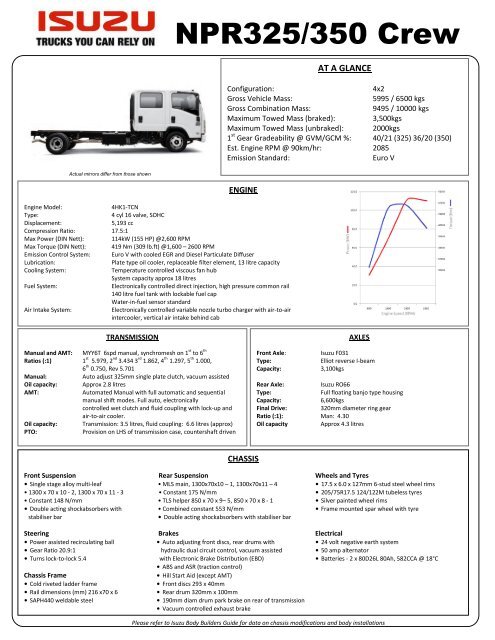
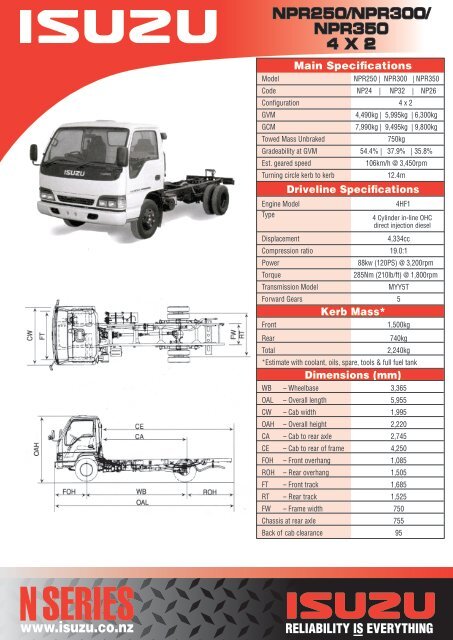
The Isuzu NPR is a popular medium-duty truck known for its reliability and efficiency. Over the years, Isuzu has produced different NPR models with various engine types, including gasoline and diesel. Engine oil capacity can vary depending on the engine, model year, and market region.
The most common Isuzu NPR engines include:
- 4HK1-TC Diesel (5.2L)
- 4HE1-TC Diesel (4.8L)
- 4BD2-TC Diesel (3.9L)
- 6.0L V8 Gasoline (GM engine, used in some NPRs for North America)
Each of these engines has its own oil capacity requirements. Using the wrong amount can lead to poor lubrication, overheating, or engine damage.
Why Engine Oil Capacity Matters
Engine oil is more than just a lubricant. It plays a role in cooling, cleaning, and sealing the engine’s internal components. Having the correct engine oil capacity ensures:
- Sufficient lubrication for all moving parts
- Proper heat dissipation
- Reduced wear and tear
- Cleaner engine operation (oil traps dirt and particles)
- Lower risk of engine failure
If you overfill or underfill, you risk damaging sensitive engine parts. Too much oil can cause increased pressure, seal leaks, and foaming, while too little oil leads to increased friction and overheating.
Isuzu Npr Engine Oil Capacity By Engine Type
The most critical information for any NPR owner is the correct oil capacity for their specific engine. Here’s a detailed breakdown by engine type and model year.
1. Isuzu Npr 4hk1-tc 5.2l Diesel Engine (2005–present)
This is the most common NPR diesel engine, especially in North America and many international markets.
- Oil capacity (with filter change): 13.2 quarts (12.5 liters)
- Oil capacity (without filter change): 12.3 quarts (11.6 liters)
- Recommended oil type: SAE 15W-40, meeting API CJ-4 or better
The 4HK1 engine uses more oil than smaller engines, partly due to its larger sump and oil cooling system. Always replace the oil filter when doing a full oil change to ensure old contaminants are removed.
2. Isuzu Npr 4he1-tc 4.8l Diesel Engine (1999–2004)
- Oil capacity (with filter change): 11.1 quarts (10.5 liters)
- Oil capacity (without filter change): 10.0 quarts (9.5 liters)
- Recommended oil type: SAE 15W-40, API CI-4 or higher
The 4HE1 is a robust engine that powers many older NPR trucks. Its slightly smaller size means less oil is needed.
3. Isuzu Npr 4bd2-tc 3.9l Diesel Engine (1994–1998)
- Oil capacity (with filter change): 10.1 quarts (9.6 liters)
- Oil capacity (without filter change): 9.0 quarts (8.5 liters)
- Recommended oil type: SAE 15W-40, API CH-4 or higher
Older NPRs with the 4BD2 engine are still on the road, especially in export markets. Be aware that older engines sometimes burn more oil, so check levels frequently.
4. Isuzu Npr 6.0l V8 Gasoline Engine (gm Vortec)
Some NPR trucks, mainly in North America, use a 6. 0L gasoline V8 sourced from General Motors.
- Oil capacity (with filter change): 6.0 quarts (5.7 liters)
- Oil capacity (without filter change): 5.7 quarts (5.4 liters)
- Recommended oil type: SAE 5W-30, API SN or higher
Gasoline engines have a lower oil capacity and different oil requirements than diesel.
5. International Market Variants
In some countries, Isuzu NPR trucks may use other engines, such as:
- 4JJ1-TC 3.0L Diesel
- Oil capacity: 10.2 quarts (9.7 liters)
- 4JB1-TC 2.8L Diesel
- Oil capacity: 8.5 quarts (8.0 liters)
Always check the owner’s manual or the oil filler cap for specific details for your region.
Comparison Of Oil Capacities By Engine
To help you quickly compare oil capacities, here’s a summary:
| Engine Type | Model Years | Oil Capacity (with filter) | Oil Type |
|---|---|---|---|
| 4HK1-TC 5.2L Diesel | 2005–Present | 13.2 qt / 12.5 L | 15W-40 |
| 4HE1-TC 4.8L Diesel | 1999–2004 | 11.1 qt / 10.5 L | 15W-40 |
| 4BD2-TC 3.9L Diesel | 1994–1998 | 10.1 qt / 9.6 L | 15W-40 |
| 6.0L V8 Gasoline | 2008–Present | 6.0 qt / 5.7 L | 5W-30 |
| 4JJ1-TC 3.0L Diesel | 2010–Present | 10.2 qt / 9.7 L | 15W-40 |
| 4JB1-TC 2.8L Diesel | 1990s–2000s | 8.5 qt / 8.0 L | 15W-40 |
How To Check And Add Engine Oil In Isuzu Npr
Checking and adding oil is a basic skill every NPR owner or driver should know. Here’s how to do it correctly:
- Park on level ground: Always check oil when the truck is on a flat surface.
- Let the engine cool: Wait at least 10 minutes after shutting off the engine. Hot oil expands and gives a false reading.
- Locate the dipstick: Usually marked with a yellow or orange handle, on the driver’s side of the engine.
- Remove and wipe: Pull out the dipstick, wipe it clean with a lint-free cloth.
- Reinsert and check: Put the dipstick back in fully, then remove again to read the oil level. The oil should be between the “L” (Low) and “F” (Full) marks.
- Add oil if needed: Use a funnel to pour oil slowly into the filler neck. Add small amounts and check the level again.
- Don’t overfill: Stop when the oil reaches the “Full” mark.
Practical tip: Add oil in half-quart increments to avoid overfilling. It’s easy to add more, but hard to remove excess oil.
Choosing The Right Engine Oil For Isuzu Npr
Picking the correct oil is as important as filling the right amount. NPR engines are designed for heavy-duty operation, so quality matters.
What To Look For
- Viscosity: Most NPR diesels use SAE 15W-40, while gasoline engines typically require 5W-30.
- API Rating: Look for oils meeting or exceeding current API standards (CJ-4, CK-4 for diesel; SN or SP for gasoline).
- Synthetic vs. Conventional: Synthetic oils offer better protection at extreme temperatures but cost more. Conventional oil is usually acceptable for regular use.
Example Oils For Npr Diesel
- Shell Rotella T4 15W-40
- Mobil Delvac 1300 Super 15W-40
- Chevron Delo 400 SDE 15W-40
For gasoline NPRs:
- Mobil 1 5W-30 (full synthetic)
- Valvoline Advanced 5W-30
Non-obvious insight: Using high-quality synthetic oil can help older NPRs with high mileage run cleaner and quieter, but always check for leaks first—synthetic can reveal old gasket problems.
Recommended Oil Change Intervals
How often should you change the engine oil? The answer depends on use, driving conditions, and oil type.
- Normal driving: Every 10,000 km (6,000 miles) or 12 months, whichever comes first
- Severe duty (stop-go, heavy loads): Every 5,000–7,000 km (3,000–4,500 miles)
- Gasoline engines: Every 7,500 km (4,500 miles) or 6 months
Always replace the oil filter with every oil change.
Practical tip: If your NPR operates in very dusty or hot environments, shorten your oil change intervals. Contaminants and heat accelerate oil breakdown.
Symptoms Of Incorrect Oil Level In Isuzu Npr
Driving with too much or too little oil can cause serious engine issues. Watch for these warning signs:
- Low oil pressure warning light
- Unusual engine noise (knocking, ticking)
- Overheating
- Blue or white exhaust smoke
- Oil leaks
- Poor acceleration or loss of power
If you notice any of these, check your oil level immediately.
Common Mistakes With Npr Engine Oil
Many NPR owners and mechanics make preventable errors when handling engine oil. Here are the most frequent ones:
- Relying only on the dipstick when the engine is hot: Hot oil expands and gives a false “full” reading.
- Not replacing the oil filter: Old filters hold dirty oil, contaminating new oil and reducing its life.
- Mixing oil types or brands: Not all oils are compatible. Always use one quality oil type.
- Forgetting to reset the oil change indicator: Many newer NPRs have a maintenance reminder system.
- Ignoring leaks: Small oil leaks often get worse. Fix them early to avoid bigger problems.
Non-obvious insight: If you top off oil frequently, but the level drops again soon, check for leaks around the oil pan gasket, valve cover, or turbo oil lines (for diesel engines). These are common weak points on high-mileage NPRs.
Step-by-step: How To Change Oil In An Isuzu Npr
Changing your NPR’s oil can save money and help you spot problems early. Here’s a simple guide:
- Gather tools: New oil filter, correct amount and type of oil, oil catch pan, funnel, wrench, gloves, and rags.
- Warm up the engine: Run for 2–3 minutes to thin the oil (never work on a hot engine).
- Lift the truck if needed: Use ramps or a jack for easier access, and secure the truck with wheel chocks.
- Remove the drain plug: Position the oil catch pan, unscrew the plug, and let the oil drain completely.
- Replace the oil filter: Use an oil filter wrench to remove the old filter. Lubricate the gasket on the new filter with fresh oil, then install by hand.
- Install the drain plug: Use a new washer if needed, and tighten securely.
- Add new oil: Pour in the correct amount for your engine, checking the dipstick as you go.
- Start the engine: Let it run for 1–2 minutes, then turn off and re-check the oil level. Add more if needed.
- Check for leaks: Inspect around the filter and drain plug.
Tip: Properly dispose of old oil and filters at a recycling center.
Isuzu Npr Engine Oil And Filter Capacities: Quick Reference
Here’s a handy summary for busy mechanics and fleet managers.
| Engine | Oil Capacity (with filter) | Filter Part Number |
|---|---|---|
| 4HK1-TC 5.2L Diesel | 13.2 qt / 12.5 L | Isuzu 8981787120 |
| 4HE1-TC 4.8L Diesel | 11.1 qt / 10.5 L | Isuzu 8973067521 |
| 4BD2-TC 3.9L Diesel | 10.1 qt / 9.6 L | Isuzu 8941322970 |
| 6.0L V8 Gasoline | 6.0 qt / 5.7 L | ACDelco PF48E |
Note: Always verify filter part numbers with your local dealer, as they can change with model updates.
Seasonal And Regional Considerations
The best oil for your NPR may depend on where and how you drive.
- Hot climates: Consider synthetic 15W-40 for diesel engines. It resists breakdown in high temperatures.
- Cold climates: Use 5W-30 or 10W-30 in winter for easier starting and better flow.
- Dusty conditions: Shorten oil change intervals and use high-quality filters.
Non-obvious insight: In very cold regions, block heaters can prevent oil thickening, reducing engine wear during cold starts.
Signs You May Have The Wrong Oil Capacity
Sometimes, mistakes happen during oil changes. Here’s how you can tell if your NPR has too much or too little oil:
- Dipstick above “Full” mark: Too much oil
- Dipstick below “Low” mark: Too little oil
- Foamy oil or milky residue: Possible coolant leak or oil overfill
- Persistent oil warning light: Double-check oil level and quality
If in doubt, drain and refill to the correct volume.
How Engine Oil Capacity Affects Npr Longevity
Using the proper oil capacity and type is one of the simplest ways to extend your NPR’s life. Engines that run with the right oil amount:
- Have fewer breakdowns
- Use less fuel
- Produce less smoke and emissions
- Require fewer expensive repairs
Fleet operators often track oil changes and oil top-offs as part of a preventive maintenance schedule. This approach lowers total operating costs over the truck’s lifetime.

Can You Use Additives Or Engine Flush Products?
Some NPR owners ask if oil additives or flush products help. In general, modern diesel engines do not need extra additives if you use high-quality oil. Additives can sometimes cause more harm than good, leading to filter clogging or oil foaming.
If your engine is very dirty or has sludge, use an engine flush only before an oil change—and follow the product instructions exactly. Never add flush chemicals to a running engine for extended periods.
Troubleshooting: Oil Loss And Consumption In Npr Engines
Oil loss is common in high-mileage NPRs, especially diesels. Causes include:
- Worn piston rings
- Leaky turbo seals
- Valve cover gasket leaks
- Oil pan gasket leaks
How to diagnose: If you’re adding more than 1 quart every 1,000 miles, inspect for leaks under the engine, check turbocharger connections, and watch for blue exhaust smoke (a sign of burning oil).
A leak-down or compression test can help pinpoint internal engine problems.
Npr Oil Capacity And Emissions Compliance
Modern NPRs have emissions systems that rely on proper oil levels and quality. Overfilling can cause oil to enter the diesel particulate filter (DPF) or catalytic converter, increasing emissions and possibly damaging these expensive components.
For NPRs with diesel exhaust fluid (DEF) systems, always use low-ash, CJ-4 or CK-4 oil.
For more information on emissions and oil requirements, check the official Isuzu Commercial Trucks site.
What To Do If You Overfill Or Underfill Npr Engine Oil
Mistakes happen. Here’s what to do:
- If overfilled: Do not drive. Drain excess oil until it reaches the “Full” mark on the dipstick. Overfilled engines can force oil into the intake, causing smoke or even engine damage.
- If underfilled: Add oil immediately. Driving with low oil risks engine seizure.
If you’re unsure how much was added, drain and refill with the correct amount.
Cost Of Oil Changes For Isuzu Npr
Oil change costs vary by location and whether you do it yourself.
- DIY cost: $60–$120 (oil and filter for diesel engines)
- Professional shop: $150–$250, depending on oil brand and labor costs
Diesel engines require more oil, so costs are higher than for gasoline NPRs.
Tip: Buying oil in bulk can save money for fleet owners.
Environmental Responsibility: Disposing Of Used Oil
Never pour used oil down the drain or onto the ground. Engine oil contains heavy metals and chemicals. Take used oil and filters to a certified recycling center. Many auto parts stores offer free oil recycling.
The Bottom Line
Taking care of your Isuzu NPR’s engine oil is one of the smartest things you can do for long-term reliability. Knowing the exact engine oil capacity for your specific model and engine is step one. Use high-quality oil, change it at the right intervals, and always check your oil level carefully. Avoid common mistakes, and your NPR will provide years of dependable service.
Frequently Asked Questions
How Often Should I Check The Engine Oil Level On My Isuzu Npr?
It’s good practice to check the oil level at least once a week, or before long trips. If your NPR is older or used for heavy-duty work, check more often.
Can I Use Synthetic Oil In My Isuzu Npr Diesel Engine?
Yes, you can use synthetic oil if it meets the required viscosity and API rating. Synthetic oil can provide better protection, especially in extreme temperatures or for engines with high mileage.
What Happens If I Use Too Little Engine Oil In My Npr?
Using too little oil can cause serious engine damage. The engine may overheat, internal parts may wear quickly, and you risk total engine failure if oil runs out.
Should I Always Change The Oil Filter With Every Oil Change?
Yes. Old filters contain dirty oil and can reduce the life of new oil. Always replace the filter when changing the oil.
Where Can I Find The Correct Oil Capacity For My Specific Npr Model?
The best source is your owner’s manual or the label under the hood. You can also find reliable information from authorized Isuzu dealers or the official Isuzu Commercial Trucks website.
Taking these steps will help you get the most from your Isuzu NPR for years to come.