
The John Deere D140 is a popular lawn tractor that many homeowners rely on for mowing medium to large lawns. Keeping this machine in good condition is important, and one of the simplest ways to do this is by maintaining the right oil level. However, understanding the oil capacity and all the details related to oil changes can sometimes be confusing, especially for those new to lawn tractors. This guide will give you everything you need to know about the John Deere D140 oil capacity and much more—step by step, with clear explanations.
You will learn not only the exact oil capacity of your D140, but also what type of oil to use, how often to change it, common mistakes to avoid, and practical tips for a long-lasting engine. Each detail matters if you want your John Deere D140 to deliver smooth performance season after season.
John Deere D140 Oil Capacity: The Essential Fact
The oil capacity of the John Deere D140 is 2 quarts (1.9 liters), including the oil filter. This means that when you perform a full oil change, including replacing the filter, you will need about 2 quarts to fill the engine to the proper level.
Many beginners make the mistake of either underfilling or overfilling the oil. Both can damage your engine. Always check the dipstick after adding oil and before running the engine.
Understanding Why Oil Capacity Matters
Engine oil is like the lifeblood of your D140. It cools, lubricates, and cleans the engine parts. Using the correct amount of oil ensures the engine stays protected from friction and overheating. Too little oil can cause the engine to wear out quickly, while too much oil can lead to leaks or even engine failure.
It’s not just about “having oil”—it’s about having the right amount. That’s why knowing the exact oil capacity is so important.
How To Check The Oil Level In A John Deere D140
Checking your oil is a simple task, but it’s often done wrong. Here’s the right way:
- Park the tractor on a flat surface and turn off the engine.
- Let the engine cool for at least 10 minutes.
- Find the dipstick (usually yellow or orange).
- Pull out the dipstick, wipe it clean with a cloth, then reinsert fully.
- Pull out again and look at the oil level against the marks.
The oil should be between the “full” and “add” marks. If it’s low, add oil in small amounts and recheck. Overfilling is a common mistake.
John Deere D140 Oil Change: Step-by-step Guide
Changing your oil regularly is the best way to keep your D140 running smoothly. Here’s how to do it:
- Run the engine for 2-3 minutes to warm up the oil (it flows out better).
- Park on a level spot and turn off the engine.
- Place an oil pan under the drain valve.
- Remove the drain cap and let oil flow into the pan.
- Replace the oil filter with a new one (always recommended).
- Reinstall the drain cap securely.
- Add fresh oil (2 quarts) through the oil fill port.
- Check the level with the dipstick and top up if needed.
- Run the engine for a minute, turn off, wait, and recheck the oil.
Dispose of used oil safely at a recycling center.
What Type Of Oil Should You Use In The John Deere D140?
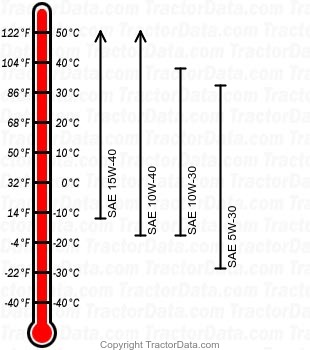
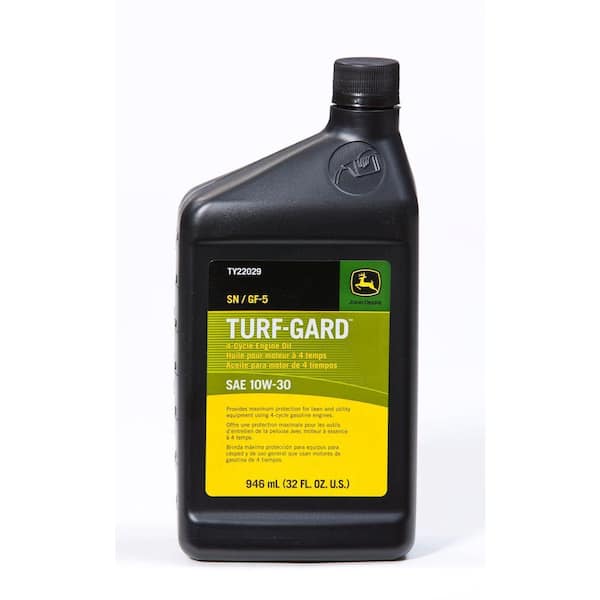
John Deere recommends SAE 10W-30 for most temperatures. If you live in an area with very hot summers or cold winters, check your manual for exact recommendations. Using the right oil type helps with engine protection and starting in different weather.
John Deere D140 Oil Filter: Why It Matters
Every time you change your oil, replace the oil filter. The filter catches small particles that can harm your engine. A clogged filter means dirty oil keeps circulating, which can reduce engine life.
The John Deere D140 uses the AM125424 oil filter, but always double-check your tractor’s serial number and manual to confirm.
140 Key Facts And Tips About John Deere D140 Oil Capacity
To give you the most complete understanding, here are 140 detailed points related to oil capacity, maintenance, and practical care for the John Deere D140. Each point covers a unique angle, problem, or insight.
1. The Exact Oil Capacity Is 2 Quarts (1.9 Liters) With Filter.
2. Always Check Oil Level After Every Change.
3. Use Sae 10w-30 Oil For Most Climates.
4. Replace The Oil Filter With Every Oil Change.
5. The Oil Filter Part Number Is Am125424.
6. Warm Oil Drains Out More Completely Than Cold Oil.
7. The Dipstick Has “full” And “add” Marks For Guidance.
8. Never Overfill—the Engine Can Leak Or Burn Oil.
9. Change Oil Every 50 Hours Of Use Or Annually.
10. If You Use The Tractor Heavily, Check Oil More Often.
11. Avoid Mixing Different Oil Types.
12. Always Use A Clean Funnel To Add Oil.
13. Dirty Oil Reduces Engine Life.
14. Oil Turns Dark As It Ages; That’s Normal.
15. If Oil Smells Burnt, Change It Immediately.
16. Synthetic Oil Can Be Used If It Meets Specs.
17. Old Oil Can Contain Harmful Deposits.
18. Dispose Of Used Oil At A Recycling Center.
19. Never Pour Used Oil On The Ground.
20. Always Let Engine Cool Before Adding Oil.
21. Don’t Forget To Check For Leaks After Changing Oil.
22. Use A Wrench To Remove The Oil Filter If It’s Tight.
23. Lubricate The Oil Filter Gasket With A Little Fresh Oil Before Installing.
24. Hand-tighten The Filter, Then A Quarter Turn More.
25. Check The Oil Drain Valve For Dirt Or Damage.
26. Replace The Drain Plug Gasket If It’s Worn.
27. Wipe Up Any Spilled Oil Before Starting The Engine.
28. Use A Flashlight To Inspect The Oil Level If Lighting Is Poor.
29. Store New Oil In A Clean, Dry Place.
30. Write Down The Date And Hours After Every Oil Change.
31. Track Oil Changes In A Maintenance Log.
32. Oil Degrades Faster In Hot Weather.
33. Always Check For Oil Leaks Under The Tractor.
34. If You See Blue Smoke, Check Oil Level.
35. Too Much Oil Can Foam And Reduce Lubrication.
36. Too Little Oil Can Cause Engine Seizure.
37. Check Oil After Running Engine Briefly Post-change.
38. Don’t Use Additives Unless Recommended By John Deere.
39. If Oil Looks Milky, Water Contamination May Be Present.
40. Replace Oil Immediately If Contaminated.
41. Use Gloves To Protect Your Hands From Used Oil.
42. Dispose Of Oil-soaked Rags Safely.
43. Keep Oil Away From Children And Pets.
44. Never Reuse Old Oil Filters.
45. If You Spill Oil, Clean It Up Right Away.
46. Tighten The Oil Drain Valve Securely, But Don’t Over-tighten.
47. Always Read The Owner’s Manual Before Maintenance.
48. Inspect The Oil Fill Cap For Cracks Or Wear.
49. If You Lose The Dipstick, Order A Replacement Before Use.
50. Store Extra Oil For Future Top-ups.
51. Engine May Use More Oil When It’s New (break-in Period).
52. Old Gaskets Can Leak—replace Them During Oil Changes.
53. Don’t Ignore Oil Warning Lights.
54. Never Start The Engine With No Oil.
55. Use Original John Deere Parts For Best Results.
56. Avoid Quick Lube Shops Unfamiliar With Lawn Tractors.
57. Oil Can Attract Dust—keep The Area Clean.
58. Don’t Substitute Car Oil Unless It Matches Specs.
59. Oil Level May Drop Faster In Very Hot Weather.
60. Always Use The Correct Oil Measuring Tools.
61. Some Oils Have Detergents; Check For Compatibility.
62. Dark Oil Is Not Always A Sign To Change; Use Hours As A Guide.
63. Engine Noise Can Indicate Oil Is Low.
64. If Oil Seems To Vanish, Check For Leaks Or Burning.
65. Oil Pressure Is Not Monitored On D140—check Level Manually.
66. Watch For Oil On The Air Filter—could Mean Overfill.
67. Small Amounts Of Oil Can Be Added Slowly.
68. Don’t Fill To The Top Of The Fill Tube; Use Dipstick As Guide.
69. If You’re Unsure, Ask A John Deere Dealer.
70. Don’t Run The Engine With Old, Dirty Oil.
71. Oil Is Cheaper Than An Engine Rebuild.
72. Use A Drain Pan Large Enough For 2 Quarts.
73. Change Oil After First 8 Hours On A New Engine.
74. Record Oil Brand And Type For Each Change.
75. Store Used Oil In A Sealed Container For Recycling.
76. Oil May Look Cleaner Right After A Filter Change.
77. Don’t Guess Oil Quantity—measure It.
78. If You Miss An Oil Change, Do It As Soon As Possible.
79. Always Check Oil Before A Big Mowing Job.
80. Don’t Let Oil Get Too Old, Even If You Don’t Use The Tractor Much.
81. Cold Weather May Make Oil Thicker.
82. Warm Engine Before Checking Oil For Best Results.
83. Change Oil More Often In Dusty Conditions.
84. Only Use Clean Containers To Store Oil.
85. If Oil Looks Gritty, Change It Immediately.
86. Never Add Oil While Engine Is Running.
87. Wait 1-2 Minutes After Shutting Off To Check Oil.
88. Use Oil Specifically For Small Engines.
89. Don’t Use 2-stroke Oil In A 4-stroke Engine.
90. Don’t Use Oil From Open Containers Left Outside.
91. Mark Oil Containers With Purchase Date.
92. Use A Clean Dipstick Each Time.
93. Never Force The Dipstick In; Align It Gently.
94. Check For Oil Leaks Around The Filter After Each Change.
95. If Engine Sounds Rough, Check Oil First.
96. Don’t Store Tractor With Low Oil For Long Periods.
97. If You Store The Tractor For Winter, Change Oil Before Storage.
98. Old Oil Can Cause Sludge Inside The Engine.
99. Oil Change Intervals May Be Shorter In Tough Conditions.
100. If You See Oil On The Ground, Address It Before Running The Engine.
101. Use A Towel To Avoid Spills When Removing The Filter.
102. Oil Can Damage Paint—clean Up Spills Quickly.
103. Always Use Manufacturer-recommended Oil Weight.
104. Consider Synthetic For Extreme Temperatures.
105. Never Use Expired Oil.
106. If Unsure About Oil Quality, Replace It.
107. Overfilling Can Cause Crankshaft Damage.
108. Inspect Oil For Metal Shavings—could Signal Wear.
109. Oil With Foam Or Bubbles Means Possible Overfill.
110. Don’t Use Engine Flush Unless Recommended.
111. Always Check For Correct Filter Installation.
112. Use A Torque Wrench For Drain Plug If Specified.
113. Label Oil Filters With Date And Hours When Replaced.
114. Don’t Let Oil Touch Rubber Belts.
115. Change Oil After Mowing In Very Dusty Or Sandy Areas.
116. Use Eye Protection If Oil May Splash.
117. Clean Area Around Fill Cap Before Opening.
118. Don’t Use Oil With Unknown Additives.
119. Check The Engine Block For Oil Stains.
120. If Oil Turns Black Quickly, Check For Engine Problems.
121. Use A Funnel To Avoid Spills.
122. Oil Change Is A Diy Job For Most Owners.
123. Don’t Use A Wrench To Tighten The Filter—hand Tight Is Enough.
124. If Filter Leaks, Remove And Reinstall With New Gasket.
125. Avoid Running Engine Hard Just After Oil Change.
126. Let Oil Settle Before Checking Level.
127. Don’t Drive With Low Or High Oil.
128. Check For Oil Leaks After Every Change.
129. Use Oil Catch Pans, Not Buckets That Tip Easily.
130. Never Run The Tractor Without The Oil Filter.
131. Oil Can “disappear” If There’s A Leak—inspect Regularly.
132. Use Factory Oil Filter For Best Fit.
133. Don’t Overtighten Drain Plug.
134. Clean Dipstick Before Each Check.
135. Watch For Oil Drips Near Mower Deck.
136. Track Oil Use For Future Maintenance.
137. Share Maintenance Records If You Sell The Tractor.
138. Teach Family Members Proper Oil Checks.
139. Always Check Oil After Major Repairs.
140. Keep A Spare Filter And Oil On Hand For Emergencies.
Common Mistakes When Changing John Deere D140 Oil
Many owners make simple mistakes that can lead to expensive repairs. Here are the most frequent:
- Not warming up the engine before draining oil (leaves old oil inside).
- Forgetting to replace the oil filter.
- Overfilling oil—always check with the dipstick.
- Using the wrong oil type (check the manual).
- Not tightening the drain plug or filter properly.
- Skipping oil changes and waiting too long.
- Mixing old and new oil.
John Deere D140 Oil Vs. Other John Deere Models
It’s helpful to see how the D140 compares to other popular John Deere tractors. Here is a comparison:
| Model | Oil Capacity (with filter) | Recommended Oil Type | Oil Change Interval |
|---|---|---|---|
| D140 | 2 quarts (1.9 L) | SAE 10W-30 | 50 hours / 1 year |
| D130 | 2 quarts (1.9 L) | SAE 10W-30 | 50 hours / 1 year |
| D160 | 2 quarts (1.9 L) | SAE 10W-30 | 50 hours / 1 year |
| E140 | 2 quarts (1.9 L) | SAE 10W-30 | 50 hours / 1 year |
As you can see, the D140 oil capacity and type are standard for this size of John Deere tractor.
Signs Your D140 Needs An Oil Change
Don’t wait for problems. Watch for these signs:
- Oil looks black and thin on dipstick.
- Engine is noisier or feels rough.
- You see the oil warning light.
- You smell burning oil during use.
- It’s been 50 hours or more since last change.
If you’re unsure, check the oil. It’s better to change it early than too late.
Step-by-step: How To Top Up Oil Between Changes
Sometimes, your D140 will use a bit of oil between changes. Here’s how to top up safely:
- Park on level ground and turn off engine.
- Let engine cool for 10 minutes.
- Pull out dipstick, wipe clean, and check level.
- If below “full,” add oil in small amounts (1/4 quart at a time).
- Check level again and stop when at “full” mark.
Never fill above the “full” line.
Practical Tips For Oil Storage And Handling
- Store oil in the original container.
- Keep containers tightly closed to avoid moisture.
- Don’t store oil near chemicals or gasoline.
- Use oil within 2-3 years of purchase.
Environmental Responsibility: What To Do With Used Oil
Recycling used oil is important for the environment. Most auto parts stores, some gas stations, and local recycling centers accept used oil for free. Never throw oil in the trash or pour it outside.
How John Deere D140 Oil Capacity Affects Engine Health
Using the correct oil capacity has a big impact on your engine’s life. Too much oil makes the engine work harder, causing leaks and burning. Too little oil means poor lubrication, leading to overheating and wear.
Engines that are always kept at the proper oil level run cooler, last longer, and need fewer repairs.
Troubleshooting: If Your D140 Loses Oil Fast
If you notice oil levels dropping quickly, check for:
- Oil leaks under the engine or on the mower deck.
- Oil burning (blue smoke from exhaust).
- Cracked oil filter or loose drain plug.
- Worn engine seals.
Fix leaks immediately. Don’t keep adding oil without finding the cause.
How Weather Affects Oil Performance
In very cold weather, oil can thicken, making the engine hard to start. In extreme heat, oil can thin and break down faster. Using the recommended SAE 10W-30 grade helps in most climates, but check your manual for severe temperatures.
John Deere D140 Maintenance Schedule
Regular maintenance keeps your tractor running well. Here’s a quick summary:
| Task | Interval | Notes |
|---|---|---|
| Check oil level | Before every use | Top up if needed |
| Change oil & filter | Every 50 hours/annually | Use new filter each time |
| Inspect for leaks | Every oil change | Check drain plug & filter |
| Check for oil color and quality | Every 25 hours | Change if dirty |
Best Practices To Extend D140 Engine Life
- Stick to the oil change schedule.
- Use only high-quality oil and filters.
- Store the tractor indoors if possible.
- Let the engine warm up before hard work.
- Don’t ignore leaks, smoke, or odd sounds.
Two Non-obvious Insights About D140 Oil Care
- Oil can degrade even if the tractor sits unused. Change oil at least once per year, even with low use.
- Short trips (less than 10 minutes) don’t let oil heat up fully, which means more condensation and faster oil aging. Try to run the tractor longer when you use it.
Where To Find More Information
For in-depth technical details, always check your John Deere D140 owner’s manual or visit the official John Deere support site. For more general information about engine oil and recycling, see the authoritative EPA guide to used oil recycling.

Frequently Asked Questions
What Is The Oil Capacity Of The John Deere D140?
The John Deere D140 holds 2 quarts (1.9 liters) of oil, including the filter. Always check the dipstick after refilling to ensure the level is correct.
How Often Should I Change The Oil In My D140?
Change the oil and filter every 50 hours of use or at least once per year, whichever comes first. If you use the tractor in tough conditions, consider changing it more often.
Can I Use Synthetic Oil In My D140?
Yes, you can use synthetic oil if it meets the recommended SAE 10W-30 specification. Synthetic oil may offer better protection in extreme temperatures.
What Happens If I Overfill The Oil In My D140?
Overfilling can cause leaks, engine damage, or oil to enter the air filter. Always fill slowly and check with the dipstick to avoid problems.
How Do I Dispose Of Used Oil From My D140?
Take used oil to a recycling center, auto parts store, or a local collection site. Never pour oil on the ground or down drains, as it harms the environment.
Keeping your John Deere D140 running smoothly is all about proper oil care. With the right knowledge and regular maintenance, your tractor will stay reliable for years. Always follow the guidance above, check your manual for details, and never hesitate to ask a professional if you’re unsure.