
The Kubota D722 engine is a small, reliable diesel engine widely used in compact tractors, generators, and industrial equipment. For anyone working with or maintaining this engine, knowing the Kubota D722 oil capacity is essential. Correct oil capacity ensures the engine runs smoothly, delivers top performance, and lasts longer. Yet, there’s more to oil capacity than just a number in a manual. Owners, mechanics, and operators must also understand oil types, change intervals, and other related factors to keep their engines healthy.
Let’s explore everything you need to know about the Kubota D722 oil capacity. This guide covers every detail, from the basic specifications to practical advice for oil changes and long-term engine care. Even if you’re new to engines, you’ll find this article clear, practical, and useful.
Understanding The Kubota D722 Engine
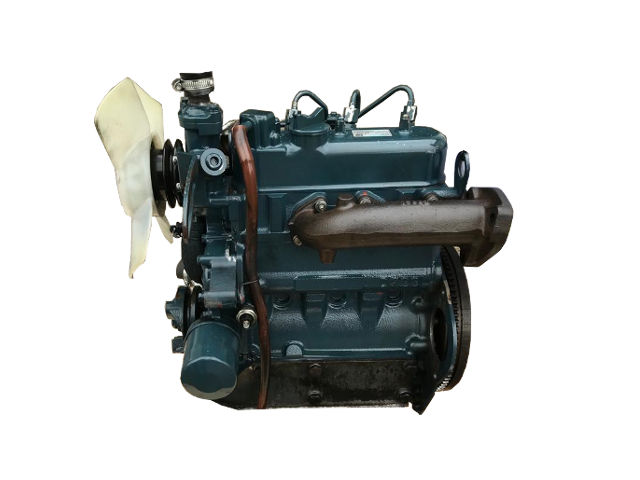
The Kubota D722 is a 3-cylinder, liquid-cooled diesel engine. It’s known for its compact size, reliability, and fuel efficiency. This engine appears in small tractors, mowers, and even construction equipment. Its reputation for durability makes it a popular choice worldwide.
The D722’s design focuses on easy maintenance. Oil changes and other routine checks are simple, but accuracy is key. Using the correct oil type and capacity directly affects the engine’s performance and lifespan.
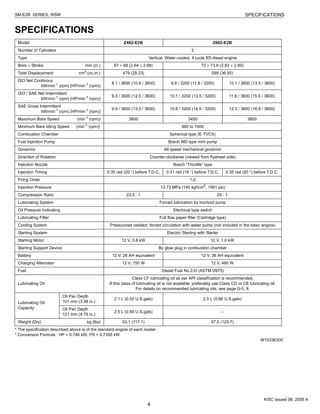
While its displacement is only 0. 719 liters (719cc), the D722 can deliver up to 18 horsepower at 3600 rpm. This makes it a strong performer for its size class. Many users appreciate that the D722 runs quietly, with minimal vibration, thanks to its balanced 3-cylinder design.
Its simple mechanical layout also means there are fewer parts to wear out or break, contributing to its legendary reliability.
Another important feature is the engine’s ability to start easily in cold weather. The liquid-cooling system helps regulate temperature, and the diesel fuel system is built to deliver consistent power, even after years of use. The D722 is also designed with accessibility in mind: drain plugs, filters, and the dipstick are placed for easy access, even in tight engine compartments.
For owners, this means less downtime and fewer surprises. Whether you are mowing a large field, running a small generator, or using industrial equipment, the D722’s thoughtful engineering helps you focus on your work, not on repairs.
Why Oil Capacity Matters
Engine oil is more than just a lubricant; it protects the engine from wear, removes heat, and keeps parts clean. Using too little oil can lead to overheating and severe damage. Too much oil can cause foaming, loss of lubrication, and even leaks. That’s why following the specified oil capacity for the Kubota D722 is not just a suggestion—it’s a requirement.
Oil plays several roles at once. It creates a thin film between metal surfaces, reducing friction. It also carries away tiny metal particles and dirt, which can otherwise cause wear. Oil also helps transfer heat away from moving parts, preventing hot spots that can damage the engine.
If you underfill the engine, some areas may not get proper lubrication. In high-stress conditions, like heavy mowing or generator use, this can quickly lead to overheating or even engine seizure. On the other hand, overfilling leads to the crankshaft churning the oil, causing air bubbles (foaming).
Foamed oil cannot lubricate properly and may lead to oil leaks at gaskets or seals.
A common mistake is thinking a little too much oil is harmless. In reality, even a small overfill can affect performance. For the D722, where oil capacity is low compared to larger engines, accuracy is especially important.
Kubota D722 Oil Capacity: The Core Specification
The official oil capacity for the Kubota D722 engine is 2.8 liters (2.96 US quarts). This is the amount needed when changing oil and replacing the oil filter. Always check the level with the dipstick after refilling, as minor differences can occur based on how thoroughly the oil was drained.
Oil Capacity Details
- Oil capacity (with filter): 2.8 liters (2.96 US quarts)
- Oil capacity (without filter): Slightly less, but always recommended to replace the filter during oil changes
- Check oil level after refilling and run the engine for a few minutes before a final check
Some users wonder if they can skip changing the oil filter to save money or time. While this may slightly reduce the amount of oil required, it is not a good practice. Old filters can be partially blocked, reduce oil flow, and allow dirty oil to circulate.
For best results, always replace the filter with every oil change.
It’s also worth noting that if you drain the oil while the engine is cold, some oil may remain inside the engine, especially in tight spaces or oil passages. For the most accurate change, always drain oil when it’s warm (but not hot) so it flows freely.
Choosing The Right Oil For Kubota D722
Selecting the correct oil type is as important as using the right amount. The D722 works best with SAE 10W-30 or 15W-40 oil, depending on your climate and operating conditions. High-quality diesel engine oil meeting or exceeding API CF or higher standards is recommended.
Key Factors In Oil Selection
- Viscosity: Use 10W-30 for most temperatures; 15W-40 for hotter climates.
- Quality: Look for oils labeled “for diesel engines” and meeting API CF, CG-4, CH-4, or higher.
- Brand: While Kubota-branded oil is ideal, trusted brands like Shell, Mobil, or Castrol work well if standards are met.
Viscosity is a measure of how thick or thin the oil is at different temperatures. 10W-30 flows well in cold weather, making it easier to start the engine and protect moving parts immediately. 15W-40 is thicker at high temperatures and is a better choice if your equipment works hard in hot climates.
If you are unsure about which oil to pick, consider your local weather. In most temperate regions, 10W-30 offers good protection year-round. For tropical or desert areas, 15W-40 may help your engine last longer.
Another non-obvious insight: avoid using synthetic oils unless the engine manual specifically allows it. Some older seals and gaskets may not be compatible with certain synthetic blends, leading to small leaks. If you choose synthetic, make sure it meets the same diesel standards and check for leaks after the first use.
How To Change Oil In The Kubota D722
Changing the oil is straightforward, but following the correct steps ensures you protect your engine and avoid common mistakes.
- Warm up the engine to help old oil drain out smoothly.
- Turn off the engine and wait for a few minutes.
- Remove the oil drain plug and let the oil flow into a suitable container.
- Take off the old oil filter using an oil filter wrench.
- Lubricate the gasket on the new filter with clean oil, then install the filter by hand.
- Replace the drain plug and tighten it securely.
- Pour in 2.8 liters of fresh oil.
- Start the engine, check for leaks, and turn off after a few minutes.
- Check the oil level with the dipstick and top up if necessary.
Practical Tips
- Always use a new oil filter with every oil change.
- Use a funnel to avoid spills.
- Dispose of used oil and filters properly—never pour them down the drain.
If you’ve never changed oil before, here are a few extra pointers:
- Place cardboard or a drip tray under the engine to catch any spills.
- If the drain plug is hard to loosen, use a box-end wrench for better grip.
- When installing the new oil filter, don’t overtighten—hand-tight is enough. Overtightening can make removal difficult next time.
- After adding new oil and running the engine, give it a minute to settle before you check the dipstick. Oil can take time to reach all parts of the engine and filter.
Proper oil disposal is important for the environment. Many auto shops or recycling centers accept used oil and filters for free. Never throw used oil in the trash or pour it on the ground.
Oil Change Intervals
Kubota recommends changing the oil every 100 hours of operation or at least once per year, whichever comes first. For heavy-duty or dusty environments, consider changing oil more often.
For example, if you run your engine on a construction site with lots of dust, dirt, or extreme temperatures, oil may get dirty faster. In these cases, changing oil every 75 hours can help protect your engine. If the engine is rarely used, change the oil before long-term storage—even if you haven’t reached the 100-hour mark.
Many owners use a simple logbook or a sticker on the machine to record hours and the date of the last oil change. This helps you track maintenance and avoid missing intervals.
Common Mistakes To Avoid
Many beginners make simple mistakes that can harm their D722 engine:
- Overfilling the oil: Causes foaming and poor lubrication.
- Using the wrong oil type: Can reduce engine life.
- Forgetting the oil filter: Old filters may clog quickly and reduce protection.
- Not running the engine before final oil check: The oil level may appear correct but change after the filter fills up.
Other common mistakes include:
- Not cleaning the area around the oil fill and dipstick before opening them. Dirt can fall into the engine, causing premature wear.
- Reusing old crush washers or seals on the drain plug. This can lead to leaks.
- Not tightening the drain plug enough, or overtightening and stripping the threads.
- Neglecting to check for oil leaks after finishing the job.
One less obvious tip: Always double-check that you’ve removed the old oil filter gasket. Sometimes, the gasket can stick to the engine block, and installing a new filter on top of the old gasket can cause leaks.
Signs Your Oil Needs Changing
Even with regular intervals, sometimes oil needs to be changed sooner. Watch for:
- Engine running louder than usual
- Oil appears very dark or dirty on the dipstick
- Reduced engine performance or harder starts
Other warning signs include:
- A burning smell from the engine area, which may indicate old or contaminated oil.
- The oil warning light flickers, even though the oil level looks correct.
- The engine temperature runs higher than normal.
Sometimes, oil can look clean but still be old or degraded. If oil feels gritty between your fingers, it’s definitely time to change it. Trust your senses: if you notice any odd noises or smells, check your oil first.
Environmental Factors Affecting Oil Capacity
While the official oil capacity is 2.8 liters, some factors can affect how much oil your engine needs after draining:
- Engine tilt: If your equipment sits on a slope, some oil may remain in the sump.
- Old oil sludge: Engines with poor maintenance may not drain completely.
- Aftermarket parts: Some oil filters are larger or smaller than OEM filters.
Always use the dipstick as your final guide after refilling.
Other factors that can affect oil changes:
- High humidity or lots of rain can cause condensation inside the engine, which may mix with the oil. If you see milky oil on the dipstick, water contamination is likely.
- If your equipment operates in very cold weather, oil may thicken and drain more slowly. Allow extra time for draining and consider using a block heater before the change.
- Some aftermarket oil pans or drain plugs may have slightly different shapes or sizes, affecting total oil volume.
If you regularly switch between steep and flat terrain, check oil more often. Oil can pool away from the pickup tube on a slope, causing momentary loss of pressure.
Oil Capacity And Engine Life
Keeping the correct oil level is one of the best ways to extend your engine life. Low oil can cause metal parts to rub together, leading to early failure. Too much oil can increase pressure and damage seals. Checking oil regularly and maintaining the right level is a simple habit with big rewards.
Long-term engine health is about more than just oil changes. By checking oil before every use, you can spot leaks, loose fittings, or other problems early. Many major engine failures start with a small oil leak that goes unnoticed. Even if you don’t have time for a full inspection, a quick look at the dipstick can save you thousands in repairs.
Another tip: if you see oil getting dirty faster than usual, it could mean other issues like a dirty air filter, worn piston rings, or fuel contamination. Don’t ignore changes in oil color or texture.
Understanding Oil Consumption
All engines, even new ones, consume a small amount of oil during operation. For the Kubota D722, normal oil consumption is very low. If you notice frequent low oil levels, check for leaks or signs of engine wear.
Typical oil consumption for this engine is less than 0. 5% of fuel used. For example, if you burn 10 liters of diesel, you might only lose about 50ml of oil—a very small amount. If you’re adding oil more than once between changes, inspect for external leaks at the filter, drain plug, or gaskets.
Excessive oil consumption can also be a sign of internal issues, such as worn piston rings, valve guides, or turbocharger seals (if equipped). Blue smoke from the exhaust is a classic sign of burning oil.
How To Read The Oil Dipstick
The dipstick has two marks: “Low” and “Full.” The oil level should always be between these lines. If it’s below “Low,” add oil immediately. If it’s above “Full,” drain some oil to prevent problems.
Reading the dipstick correctly:
- Remove the dipstick and wipe it clean with a lint-free cloth.
- Reinsert the dipstick fully, then remove it again to check the oil level.
- The oil should be clear and visible between the marks. If it’s cloudy, foamy, or contains metal shavings, change the oil and investigate the cause.
If you’re unsure about the reading, check again after waiting a few minutes for oil to settle.

Using Oil Additives: Are They Necessary?
Most modern oils already contain additives for cleaning, anti-wear, and corrosion protection. Extra additives are usually not needed and, in some cases, may cause harm. Stick to high-quality oil, and your D722 will stay happy.
Some aftermarket additives claim to improve performance, reduce smoke, or clean the engine better. However, these are not recommended unless Kubota approves them. Additives can sometimes interfere with the oil’s original chemistry, reducing its effectiveness.
If you notice problems that additives claim to fix (like excessive smoke or oil leaks), it’s better to diagnose the root cause rather than rely on additives.
Storage And Oil Changes
If you’re storing your Kubota D722-powered equipment for a long time, change the oil before storage. Old oil can contain acids and debris that may damage engine parts during long rests.
When storing equipment:
- Fill the fuel tank to prevent moisture build-up.
- Run the engine briefly after the oil change to circulate clean oil.
- Store the machine in a dry, sheltered area if possible.
- Cover the exhaust and air intake to prevent pests or moisture from entering.
If you’re storing for more than six months, consider turning the engine over by hand every few weeks to keep seals lubricated.
How Oil Capacity Compares To Similar Engines
Here’s a quick look at how the D722’s oil capacity compares to other small diesel engines:
| Engine Model | Oil Capacity (liters) | No. of Cylinders |
|---|---|---|
| Kubota D722 | 2.8 | 3 |
| Kubota D902 | 3.2 | 3 |
| Yanmar 3TNV70 | 2.7 | 3 |
| Perkins 403D-07 | 3.0 | 3 |
This shows the D722 has a typical oil capacity for engines of its size.
It’s useful to know this if you operate different equipment. While oil capacity is similar, always check the manual for each model—never assume capacities are the same even if engines look alike.
Troubleshooting Common Oil Issues
If you have oil leaks, low pressure, or unexplained oil loss, check these areas:
- Oil filter: Is it tight? Is the gasket in good shape?
- Oil drain plug: Is it properly tightened with a new washer?
- Crankcase seals: Old seals can leak, especially in high-hour engines.
- Oil cooler (if equipped): Check for leaks or cracks.
Other troubleshooting steps:
- Look for oil under the engine or on nearby surfaces after running the engine.
- If you see oil in the coolant or vice versa, you may have a failed head gasket or oil cooler.
- If the oil pressure light flickers, check the level immediately. Low oil or a blocked filter are common causes.
If you notice milky oil, water may have entered the system. This can happen if equipment is stored outside without proper protection.
How To Measure Oil Accurately
To avoid overfilling or underfilling, always:
- Place the equipment on a level surface.
- Wait at least 5 minutes after stopping the engine before checking.
- Use the dipstick and wipe it clean before each check.
- Add oil in small amounts, then recheck.
Measuring accurately is especially important if you are topping up rather than doing a full change. Even a small overfill can cause issues in small engines like the D722.
Oil Filter Options For Kubota D722
Always use a high-quality oil filter. The Kubota OEM filter is best, but trusted aftermarket brands like Wix, Baldwin, or Fram are also suitable if they match the specifications.
Check the part number in your manual before buying. Some aftermarket filters may claim compatibility but can have different internal bypass valves or filtering material. Poor-quality filters can collapse or clog, starving your engine of oil.
If you use aftermarket filters, keep records of which brands and part numbers work well for your engine.
The Role Of Oil In Engine Cooling
Besides lubrication, oil removes heat from critical engine parts. If oil levels drop, engine temperatures can rise quickly. That’s why correct oil capacity is a safety issue, not just a maintenance task.
On hot days or during heavy work, the D722 relies on oil as much as coolant to control temperature. Oil flows past pistons, bearings, and other hot spots, carrying heat back to the sump where it cools down.
If you notice the engine temperature running higher than usual, always check the oil level first.
Understanding Oil Pressure
The D722 has an oil pressure warning light. If this light comes on, stop the engine and check the oil level immediately. Low oil pressure often means low oil or a blocked filter.
Never ignore the oil pressure light, even if the engine sounds normal. Running with low pressure can destroy an engine in just minutes.
If the light stays on after adding oil, do not run the engine. Seek help from a mechanic, as it could mean a serious internal issue.
Oil Capacity And Emissions
Using the correct oil amount and type helps your engine run cleanly. This reduces emissions and keeps your equipment compliant with environmental standards.
Old or overfilled oil can burn and cause smoke, increasing emissions. Fresh oil at the right level allows the engine to run efficiently, reducing pollution. This is especially important in regions with strict air quality rules.
When To Seek Professional Help
If you see blue or white smoke from the exhaust, or if you need to add oil frequently, consult a mechanic. These can be signs of internal engine problems beyond simple oil issues.
Other warning signs include:
- Knocking or rattling sounds from the engine.
- Oil pressure light that stays on even after topping up oil.
- Oil that smells like fuel or coolant, which can point to leaking injectors or a failed gasket.
Professional service can prevent a small problem from becoming a costly repair.
The Impact Of Oil Quality On Maintenance Costs
Using cheap or poor-quality oil may save money at first, but can cause expensive repairs later. Investing in good oil reduces engine wear and lowers long-term maintenance costs.
For example, high-quality oil contains better detergents and anti-wear additives that keep internal parts cleaner. This means less sludge, fewer deposits, and fewer breakdowns. Over time, you’ll spend less on filters, gaskets, and major repairs.
Some owners cut corners on oil changes, thinking it’s not a big deal. But for a small engine like the D722, this is a false economy. Regular, high-quality oil changes are the cheapest insurance for a long engine life.
Frequently Asked Questions
What Is The Oil Capacity Of The Kubota D722 Engine?
The oil capacity is 2.8 liters (2.96 US quarts) when changing oil and filter. Always check the dipstick for accuracy after refilling.
How Often Should I Change The Oil In My Kubota D722?
Change the oil every 100 hours of operation or at least once per year. In very dusty or heavy-duty conditions, more frequent changes are a good idea.
Can I Use Car Engine Oil In My Kubota D722?
No, you should use diesel-rated oil such as SAE 10W-30 or 15W-40, meeting at least API CF standards. Car oils may not protect diesel engines properly.
What Happens If I Overfill The Oil?
Too much oil can cause foaming, poor lubrication, and leaks. Always fill to the correct level using the dipstick as your guide.
Where Can I Find More Detailed Kubota D722 Specifications?
You can find more information on the official Kubota website or in the operator’s manual. For verified data, visit Wikipedia for trusted engine resources.
Taking care of your Kubota D722 is simple when you understand the importance of oil capacity, choose the right oil, and follow proper maintenance steps. By staying consistent with oil checks and changes, you help your engine deliver reliable performance year after year.
Keep this guide handy, and you’ll have the confidence to keep your engine healthy, efficient, and ready for work.