
The BMW N54 engine is famous among car enthusiasts for its strong performance, smooth turbo power, and tuning potential. Whether you drive a BMW 335i, 135i, or another N54-powered model, one detail is always important: engine oil capacity. Using the correct amount and type of oil is critical to keep your N54 running smoothly, prevent engine wear, and avoid expensive repairs. Even a small mistake, like overfilling or underfilling the oil, can lead to big problems with this high-performance engine.
Many N54 owners think oil changes are simple, but the N54’s twin-turbo setup, oil cooling system, and unique design make it different from standard engines. The right oil capacity is just the start—there are at least 54 key factors and insights every owner should know. Some are obvious, but many are not. This article covers everything you need about N54 engine oil capacity: exact numbers, related maintenance tips, common mistakes, oil selection, and all the specific details that matter. If you want your N54 to last, read carefully—even experienced BMW fans sometimes miss these details.
1. Standard N54 Engine Oil Capacity
The N54 engine oil capacity is 6.9 quarts (6.5 liters) when doing a full oil change, including the oil filter. This is the official number from BMW for most N54 models. If you drain only the oil but do not replace the filter, the capacity will be slightly lower. Always check your car’s manual to confirm, but for nearly all N54 engines, this is the correct figure.
2. Oil Filter Replacement And Capacity
Changing the oil filter with every oil change is essential for the N54. When you replace the filter, you will need the full 6.9 quarts (6.5 liters) of oil. If you skip the filter, you may only need about 6.3 quarts (6.0 liters). For best results, always change both oil and filter together.
3. Oil Change Interval
The N54 is a performance engine. BMW recommends oil changes every 15,000 miles (24,000 km) or once a year. However, most experts suggest a shorter interval: every 5,000–7,500 miles (8,000–12,000 km), especially if you drive hard or use the engine’s power. Shorter intervals help prevent sludge and turbo problems.
4. Correct Oil Type
BMW recommends 5W-30 fully synthetic oil for the N54. Some drivers use 0W-40 or 5W-40 synthetic oil, especially in hot climates or for aggressive driving. Always use oil that meets BMW’s Longlife-01 standard for best protection.
5. Oil Brand Recommendations
Top brands for the N54 include Liqui Moly, Castrol Edge, Mobil 1, and Shell Helix Ultra. These meet BMW’s standards and are widely trusted in the community. Using cheap or unapproved oil can cause long-term engine problems.
6. Importance Of Oil Level Accuracy
Keeping the oil level right is vital. Too little oil can starve the turbos and engine of lubrication. Too much oil can cause foaming, leaks, and even damage the catalytic converters. Always check the oil level using the iDrive system or the electronic dipstick after filling.
7. Electronic Oil Level Monitoring
The N54 does not have a traditional dipstick. Instead, it uses an electronic oil level sensor. Check your oil level via the iDrive menu or instrument cluster. If the sensor fails (which is not rare), replace it quickly to avoid running low on oil.
8. Warm Engine For Accurate Reading
For the N54, always check the oil level with the engine warm and on a flat surface. Oil expands when hot, so checking cold can give a false low reading and cause overfilling.
9. Top-up Oil After Hard Driving
If you drive the car hard—track days, spirited mountain runs, or high-speed cruising—the N54 may use a bit more oil. Always check and top up oil after heavy use to prevent starvation and turbo problems.
10. Oil Consumption In High-mileage N54s
Older N54 engines or those with 100,000+ miles often burn more oil due to worn valve stem seals or turbo seals. Monitor oil level more often as the engine ages.
11. Oil Cooler And Additional Capacity
Some N54 models (especially 335is and 135i with the sport package) have an external oil cooler. This can slightly increase the total oil capacity by 0.2–0.4 quarts (0.2–0.4 liters). Always check your specific model.
12. Turbocharger Oil Needs
The N54’s twin turbos depend on clean, fresh oil for cooling and lubrication. Dirty or old oil can block turbo oil lines, leading to failure. Never skip oil changes with this engine.
13. Oil Pan Gasket Leaks
A common N54 problem is a leaking oil pan gasket. If you see oil drops under your car, check the gasket. A slow leak lowers oil level over time, risking engine damage if not fixed.
14. Oil Filter Housing Gasket Leaks
Another weak point is the oil filter housing gasket. It can leak oil onto the alternator or serpentine belt, causing further problems. Replace this gasket at the first sign of oil seepage.

15. Oil Cap And Filler Neck
Make sure the oil cap seals tightly and is free from cracks. A bad cap can let dirt or moisture in, or allow oil vapor to escape, affecting oil level and engine health.
16. Oil Drain Plug And Washer
Always replace the aluminum crush washer on the oil drain plug during each oil change. Reusing it can cause leaks. Torque the plug to 25 Nm for the N54.
17. Oil Change Tools
For the N54, you need a socket set, oil filter wrench, drain pan, and funnel. Some oil filter wrenches are specific to BMW cartridge filters, so check your tools before starting.
18. Oil Filter Brands
Recommended filter brands include Mann, Mahle, and OEM BMW filters. Cheap filters can collapse or clog, starving the engine of oil.
19. Oil Change Diy Tips
Warm the engine before draining oil to help it flow out fully. Remove the oil filler cap and dipstick (if present) before draining for a faster, more complete change.
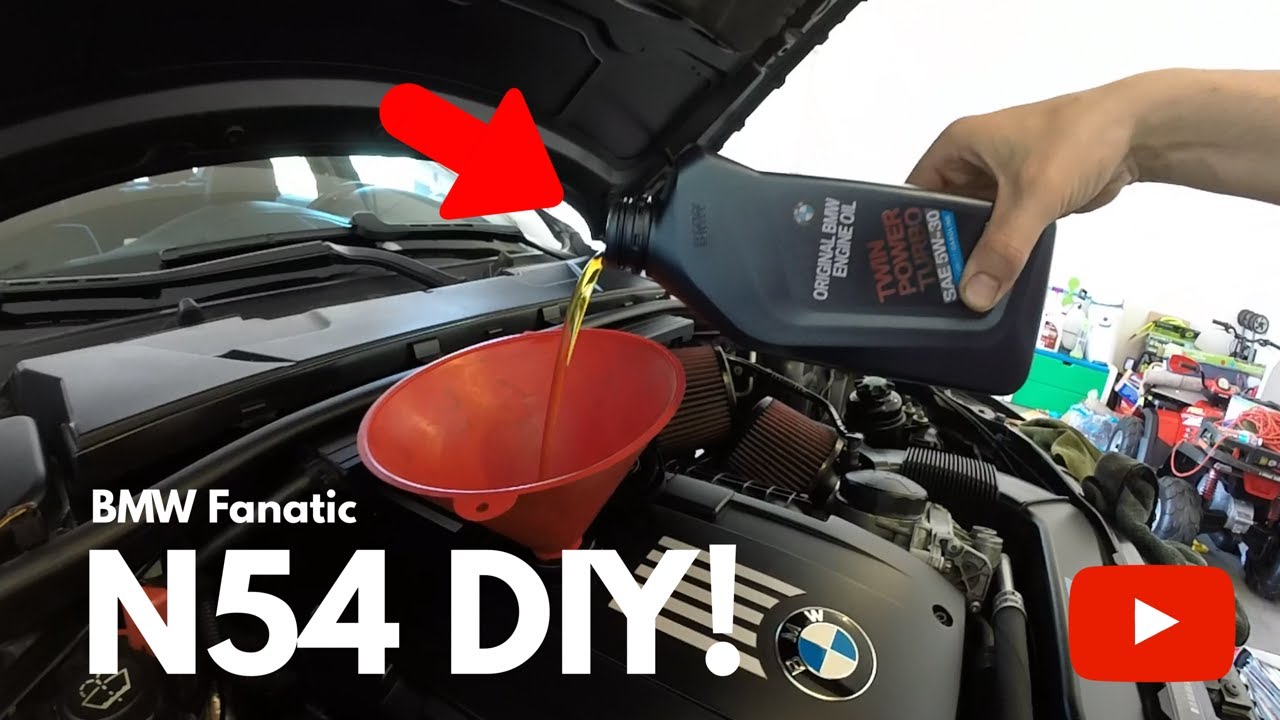
20. Oil Filler Funnel Use
Use a clean funnel when adding oil. This prevents dirt or debris from entering the engine, which can damage the turbos or oil pump.
21. Old Oil Disposal
Never pour used oil down the drain. Take it to a proper recycling center. Used oil is harmful to the environment and illegal to dump.
22. Oil Service Warning Reset
After an oil change, reset the oil service reminder using the instrument cluster or iDrive. If you forget, the system will still warn you for an overdue oil change.
23. Oil Level Sensor Failure
N54 oil level sensors can fail, showing incorrect readings. If you get odd warnings, check the sensor with a scan tool or replace it. A failed sensor can lead to running with low oil.
24. Oil Analysis For Engine Health
Consider sending a sample of used oil for analysis. This can reveal hidden problems like coolant leaks, fuel dilution, or excessive engine wear, helping you catch problems early.
25. Oil Additives—yes Or No?
Most experts recommend against oil additives in the N54. Modern oils already have all needed additives, and extras can upset the balance, causing more harm than good.
26. Overfilling Oil—risks
Overfilling can cause aeration (oil foaming), increase crankcase pressure, and damage seals or cats. Always add oil slowly and recheck the level after a few minutes.
27. Underfilling Oil—risks
Running the engine with low oil can cause turbo and engine bearing failure. The N54 is especially sensitive to oil starvation because of its high-performance nature.
28. Oil Capacity Differences By Model
Some N54-powered BMWs (like the Z4 35i or 740i) may have slight differences in capacity due to different oil pans or coolers. Always check your specific vehicle’s specs.
29. Aftermarket Oil Coolers
If you add a bigger aftermarket oil cooler, your engine may need more oil. Check the cooler’s specs and top up accordingly.
30. Oil Change Cost
A typical N54 oil change at a dealer costs $120–$180. Doing it yourself can cost $60–$90, depending on oil and filter brand.
31. High-temperature Use
If you track your N54 or drive in very hot weather, consider using a 5W-40 or 0W-40 oil for extra protection. These oils resist breaking down under heat.
32. Cold Climate Considerations
In very cold climates, 0W-30 or 5W-30 is ideal. The “0W” rating helps oil flow quickly at startup, protecting the turbos and engine internals.
33. Oil Filter Cartridge Design
The N54 uses a cartridge-style oil filter mounted on top of the engine. This makes filter changes easier than traditional canister filters.
34. Common Oil-related Engine Codes
Oil-related problems can trigger codes like 2A87 (exhaust VANOS solenoid) or 30BB (oil pressure too low). If you see these, check oil level and pressure first.
35. Oil Pressure Sensor
A bad oil pressure sensor can give false warnings. If your dash shows low oil pressure but oil level is good, test or replace the sensor.
36. Oil Pump Reliability
The N54’s oil pump is generally reliable but can fail after 100,000+ miles. Low oil pressure warnings at startup may signal a failing pump.
37. Oil Squirters
N54 engines have oil squirters to cool the pistons. Clean oil is critical for these to work. Dirty oil can clog them, causing piston overheating.
38. Pcv System And Oil Consumption
The PCV (Positive Crankcase Ventilation) system can cause higher oil consumption if clogged or worn. Replace the PCV valve every 60,000 miles to keep oil usage low.
39. Oil Separator Failure
If the oil separator fails, you may see blue smoke from the exhaust and lose oil quickly. Replace it if you notice these signs.
40. Oil Cap Emulsification
If you see a creamy white substance under the oil cap, this can be emulsified oil (oil mixed with water). This can mean short trips or, rarely, a head gasket leak.
41. Oil Change Records
Keep track of every oil change with date, mileage, and oil type. This helps with resale value and diagnosing future problems.
42. Oil Filter O-ring
Always replace the large black O-ring on the oil filter cap. Lubricate it with fresh oil before installation to prevent leaks.
43. Oil Change Torque Specs
The oil filter cap should be tightened to 25 Nm, and the drain plug to 25 Nm as well. Over-tightening can damage threads or crack the filter housing.
44. Oil Capacity After Engine Repairs
If you replace the oil cooler, turbo oil lines, or rebuild the engine, the oil capacity may change. Always measure carefully after major engine work.
45. Oil Fill Rate
Add oil slowly, especially the last quart. The N54’s sump takes time to settle, and fast pouring can lead to overfilling.
46. Oil Sampling Location
For best oil analysis results, draw your sample mid-drain—not from the very start or end, to get a more accurate picture of engine condition.
Credit: www.youtube.com
47. Oil Pan Material
The N54 oil pan is aluminum. Be careful not to over-tighten the drain plug, as aluminum is softer than steel and can strip easily.
48. Oil Change Frequency For Tuned Engines
If your N54 is tuned for more power, change oil more often—every 3,000–5,000 miles. More power means more stress and higher oil temps.
49. Oil Capacity For N54 Swaps
If you swap an N54 into another car (like a racecar), oil capacity may change based on the oil pan and cooler used. Always measure after your build.
50. Oil Change Reminder Stickers
Use a windshield sticker or app to remind yourself of the next oil change. The N54’s service reminder is good, but a physical backup helps.
51. Oil Fill Cap Cleaning
Clean the oil fill cap and neck before and after each change. Dirt here can enter the engine and quickly cause wear in the N54.
52. Oil Filter Cartridge Orientation
Install the filter cartridge with the open end facing down into the housing. Incorrect installation can block oil flow and damage the engine.
53. Oil Brand Consistency
Try to use the same brand of oil for every change. Switching often can sometimes cause seals to leak or sludge to form due to differing additives.
54. Factory Vs Aftermarket Oil Capacity
Some aftermarket oil pans increase capacity for racing. The standard is 6. 9 quarts (6. 5L), but custom pans can hold 7. 5–8. 5 quarts. Only use larger pans if you really need them, as too much oil can cause aeration.
N54 Oil Capacity Comparison: Stock Vs Aftermarket
Here’s a look at how oil capacity can change with different setups:
| Configuration | Oil Capacity (Quarts) | Notes |
|---|---|---|
| Stock N54 (with filter) | 6.9 | Most common setup |
| Stock N54 (with oil cooler) | 7.1–7.3 | Sport models, 335is |
| Aftermarket oil cooler | 7.5–8.0 | Track and race builds |
| Aftermarket oil pan | 7.5–8.5 | Custom/race setups |
N54 Recommended Oil Types By Climate
Choosing the right oil viscosity depends on your climate and driving style:
| Climate | Recommended Oil Viscosity | Notes |
|---|---|---|
| Cold (<0°C/32°F) | 0W-30, 5W-30 | Better cold start protection |
| Moderate (0°C–25°C/32°F–77°F) | 5W-30 | BMW factory recommendation |
| Hot (>25°C/77°F) | 5W-40, 0W-40 | More protection under heat |
| Track use | 5W-40, 0W-40 | High temp, high stress |
N54 Oil Change: Step-by-step Overview
Here’s a simple guide to doing a proper oil change on your N54:
- Warm up the engine for 5–10 minutes.
- Park on a flat surface and turn off the engine.
- Remove the lower engine cover (belly pan).
- Place a drain pan under the oil pan.
- Remove the oil drain plug and let the oil drain fully.
- Replace the crush washer and reinstall the plug, tightening to 25 Nm.
- Remove the oil filter cap and old filter.
- Replace the filter and both O-rings.
- Lubricate the O-rings with fresh oil.
- Install the new filter cartridge (open end down).
- Reinstall the filter cap, tightening to 25 Nm.
- Add 6.5 liters (6.9 quarts) of oil slowly.
- Start the engine, let it idle for 2–3 minutes, then shut off.
- Wait a minute, check for leaks.
- Check the oil level with the electronic sensor.
- Top up if needed and reset the oil service interval.
Tips For N54 Longevity
- Always use high-quality, synthetic oil that meets BMW specs.
- Avoid extended oil change intervals—change more often than BMW suggests.
- Check for leaks regularly, especially from the oil pan and filter housing gaskets.
- Listen for new engine noises; low oil can cause ticking or knocking.
- If you tune or race your N54, increase oil change frequency.
- Keep records of every oil change, including the brand and viscosity used.
Two Insights Beginners Often Miss
- The N54’s oil level sensor can sometimes give slow or inaccurate readings—wait at least 5 minutes after shutting off the engine before relying on the measurement.
- Oil consumption can suddenly increase after 80,000+ miles due to valve stem seal wear—even if your engine has always used little oil before. Check more often as mileage rises.
Frequently Asked Questions
What Is The Exact Oil Capacity For A Bmw N54 Engine?
The standard oil capacity for the N54, including filter, is 6.9 quarts (6.5 liters). Some models with extra oil coolers may need slightly more (up to 7.3 quarts).
Can I Use 5w-40 Oil In My N54 Instead Of 5w-30?
Yes, 5W-40 synthetic oil is safe for the N54, especially in hot weather or if you drive aggressively. Just make sure it meets BMW’s Longlife-01 standard.
How Do I Check The Oil Level On The N54 Engine?
The N54 uses an electronic oil level sensor. Check oil level using the iDrive system or the instrument cluster menu, with the engine warm and the car on a flat surface.
What Happens If I Overfill The Oil In My N54?
Overfilling can cause oil foaming, leaks, high crankcase pressure, and damage to seals or the catalytic converters. Drain excess oil as soon as possible if you overfill.
Where Can I Find More Technical Details About The N54 Engine?
For deep technical specs and detailed guides, the official BMW forums and the Wikipedia N54 Engine page are excellent resources.
Taking care of your N54’s oil needs is one of the best ways to ensure long engine life and top performance. Follow these tips, pay attention to details, and your BMW’s heart will stay strong for years to come.