
The Nissan Rogue stands out as one of the most popular compact SUVs on the market. Its reputation for reliability, comfort, and efficiency has made it a favorite among families and commuters alike. However, to keep any Nissan Rogue running smoothly for years, understanding the right oil type and capacity is crucial. Using the wrong oil can lead to engine problems, reduced efficiency, and even void warranties. This guide will walk you through every detail you need to know about choosing, changing, and maintaining oil for your Nissan Rogue—whether you drive an older model or a brand-new one.
Why Oil Type And Capacity Matter For Your Nissan Rogue
Every engine relies on oil to function properly. Oil not only lubricates the moving parts but also helps cool the engine, prevent rust, and keep everything running clean. For the Nissan Rogue, using the correct oil type ensures peak performance, optimal fuel efficiency, and a longer engine life. The correct oil capacity is just as important—overfilling or underfilling can damage the engine. Many Rogue owners overlook these details, leading to costly repairs or poor performance that could easily be avoided.
How To Find The Correct Oil Type For Your Nissan Rogue
Nissan recommends specific oil types for different Rogue models and years. Typically, you’ll find the recommended oil grade in the owner’s manual or on the oil cap under the hood. Most modern Rogues use synthetic oil due to its stability and longer lifespan. If you drive an older Rogue, you might see recommendations for conventional oil, but synthetic is usually a better choice.
Common Oil Types For Nissan Rogue Models
- SAE 0W-20: This is the most common oil for 2014 and newer Rogues. It’s a full synthetic oil designed for newer engines.
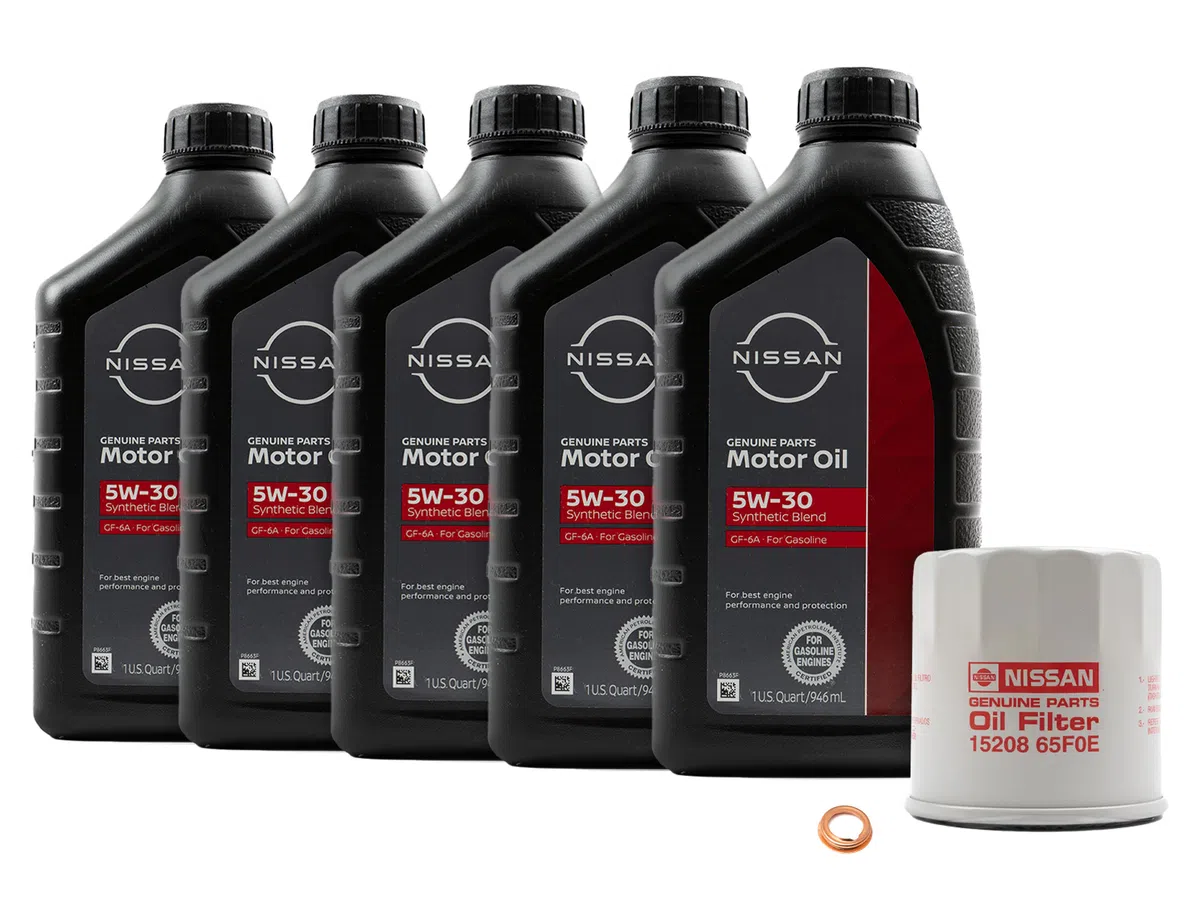
- SAE 5W-30: Some older Rogues (2013 and earlier) recommend this grade, which can be synthetic or conventional.
- SAE 5W-20: Rare for Rogues, but you may find it for a few early models.
Using the wrong oil can lead to poor engine performance, increased wear, and even engine failure in extreme cases. Always double-check your manual if unsure.
Nissan Rogue Oil Capacity: Model Year Breakdown
Knowing exactly how much oil your Nissan Rogue needs is critical. Too little oil, and your engine may not get enough lubrication. Too much, and you can cause leaks or damage seals. Here’s a breakdown by model year and engine type:
| Model Year | Engine | Oil Type | Oil Capacity (with filter) |
|---|---|---|---|
| 2021–2024 | 2.5L I4 | SAE 0W-20 | 4.8 qt (4.5 L) |
| 2014–2020 | 2.5L I4 | SAE 0W-20 | 4.9 qt (4.6 L) |
| 2011–2013 | 2.5L I4 | SAE 5W-30 | 4.9 qt (4.6 L) |
| 2008–2010 | 2.5L I4 | SAE 5W-30 | 4.9 qt (4.6 L) |
Insight: Note that the oil capacity can vary slightly depending on whether you change the oil filter. Always replace the filter during an oil change for best results.
Understanding Oil Viscosity And Why It Matters
Oil viscosity refers to how easily oil flows at different temperatures. The numbers in oil grades like 0W-20 or 5W-30 indicate how the oil performs in cold and hot conditions. For example, “0W” means it flows easily in winter, while “20” or “30” shows its thickness at high engine temperatures.
Nissan recommends low-viscosity oils like 0W-20 for newer Rogues because they help the engine run efficiently, especially in cold weather. Thicker oils like 5W-30 were common in older engines, but they can reduce fuel economy slightly. Always use the viscosity grade specified for your model year for the best protection and performance.

Synthetic Vs. Conventional Oil: Which Should You Use?
Modern Nissan Rogues are designed for synthetic oil. Synthetic oils offer better protection, last longer, and improve engine performance compared to conventional oils. Here’s a simple comparison:
| Oil Type | Benefits | Drawbacks |
|---|---|---|
| Synthetic | Longer life, better protection, improved fuel economy | More expensive |
| Conventional | Lower cost, suitable for older engines | Shorter change intervals, less protection |
Non-obvious tip: Even if your older Rogue was designed for conventional oil, switching to synthetic can still offer benefits. Just make sure the oil meets Nissan’s specifications.
How Often Should You Change Nissan Rogue Oil?
Regular oil changes are key for a healthy engine. Nissan typically recommends oil changes every 5,000 to 7,500 miles for Rogues using synthetic oil. If you often drive in severe conditions (short trips, extreme temperatures, lots of idling), you may need to change oil more often. For older Rogues with conventional oil, the interval is usually shorter—about every 3,000 to 5,000 miles.
Always check your owner’s manual and follow Nissan’s maintenance schedule. Modern engines are built to go longer between changes, but it’s better to be cautious if you’re unsure.

Step-by-step Guide: Changing Nissan Rogue Engine Oil
Changing your own oil is possible if you have basic tools and some patience. Here’s how to do it:
- Warm Up the Engine: Run your car for a few minutes so the oil flows out more easily.
- Park Safely: Use a level surface and engage the parking brake.
- Lift the Vehicle: Use a jack and jack stands for safety.
- Drain Old Oil: Place a drain pan under the oil pan, remove the drain bolt, and let the oil flow out.
- Replace Oil Filter: Remove the old filter and rub a little fresh oil on the new filter’s gasket before installing it.
- Install Drain Plug: Tighten the plug securely, but don’t over-tighten.
- Add New Oil: Pour in the correct oil type and capacity using a funnel.
- Check Level: Start the engine, let it run for a minute, then check the dipstick. Add oil if needed.
- Dispose of Old Oil: Take used oil and filters to a recycling center.
Example: For a 2022 Nissan Rogue, you’ll need about 4.8 quarts of SAE 0W-20 synthetic oil with a new filter.
Common Mistakes When Choosing Oil For Nissan Rogue
Many Rogue owners make simple errors that can cause big problems later. Here are some to avoid:
- Wrong viscosity: Using 5W-30 instead of 0W-20 in a newer Rogue can reduce efficiency.
- Not changing the filter: Skipping the filter change leaves dirty oil in your engine.
- Overfilling: Too much oil can damage seals and cause leaks.
- Underfilling: Not enough oil leads to poor lubrication and possible engine failure.
- Ignoring the manual: The best source is always the owner’s manual—not advice from friends or forums.
Insider insight: Some quick-lube shops may use generic oil. Always confirm they’re using the right oil type and grade for your Rogue.
How Oil Affects Nissan Rogue’s Performance And Longevity
The right oil does more than just lubricate. It helps:
- Reduce engine wear: Proper oil keeps parts moving smoothly.
- Improve fuel economy: Low-viscosity synthetic oils reduce friction.
- Protect against sludge: Good oil keeps the engine clean.
- Extend engine life: Regular oil changes with the right oil prevent major problems.
If you neglect oil changes or use the wrong oil, you’ll notice rough running, higher fuel use, and even engine noise. Over time, this leads to costly repairs that could have been avoided with simple maintenance.
Special Considerations For Different Climates
Your local climate can impact your oil choice. Nissan’s recommended oils are designed for a wide range of temperatures, but if you live in an extremely cold or hot area, there are things to consider:
- Cold weather: Oils like 0W-20 flow easily at low temperatures, making cold starts easier.
- Hot weather: Modern oils handle heat well, but always check for any manufacturer bulletins for your region.
- Extreme conditions: If you tow heavy loads or drive in mountains, you might need more frequent oil changes.
Non-obvious insight: Even in hot climates, don’t switch to thicker oil unless Nissan specifically recommends it. Modern engines are designed for thin, synthetic oils.
Nissan Rogue Oil Filter: What You Need To Know
An oil filter is as important as the oil itself. It removes dirt, metal particles, and sludge from the oil before it circulates through the engine. Here’s what matters:
- OEM vs. Aftermarket: Nissan’s OEM (Original Equipment Manufacturer) filters are engineered for your Rogue, but some aftermarket brands (like Fram, Bosch, or Mobil 1) offer excellent quality.
- Change every oil service: Never skip the filter when you change oil.
- Check compatibility: Not all filters fit all models. Double-check the part number for your Rogue’s year and engine.
What Happens If You Use The Wrong Oil In A Nissan Rogue?
Choosing the wrong oil isn’t just a minor mistake—it can have serious consequences:
- Reduced fuel economy: The engine works harder with the wrong viscosity.
- Increased wear: Poor lubrication means more friction and faster part wear.
- Warranty issues: Nissan may not cover repairs if wrong oil is used.
- Check engine light: Sensors may detect incorrect oil and trigger warnings.
If you realize you’ve used the wrong oil, change it as soon as possible to avoid damage.
Signs You Need An Oil Change (even If It’s Not Due)
Sometimes, your Rogue will show signs that oil needs changing before the scheduled interval:
- Dark or gritty oil on the dipstick
- Unusual engine noises (tapping, knocking)
- Oil smell inside the cabin
- Oil change light on the dashboard
- Decreased fuel economy
Ignoring these signs can lead to bigger problems. If you’re ever unsure, check the oil or get a professional opinion.
How To Check Nissan Rogue Oil Level Correctly
Checking your oil level is easy and takes only a few minutes:
- Park on level ground and turn off the engine.
- Wait a few minutes for oil to settle.
- Pull out the dipstick, wipe it clean, reinsert, then pull out again.
- Check the level: It should be between the “L” (low) and “H” (high) marks.
- Look at the oil: It should be clear and amber. Dark or dirty oil means it’s time for a change.
Don’t overfill—add small amounts and recheck until it’s in the safe range.
Dealer Oil Change Vs. Diy: What’s Right For You?
You have options when it comes to oil changes:
- Dealer service: Guaranteed correct oil and filter, but more expensive.
- Independent mechanic: Often cheaper, but confirm they use Nissan specs.
- DIY: Lowest cost, but requires time, tools, and careful attention to detail.
Tip: Keep records and receipts for all oil changes. This helps with warranty claims and resale value.
How Oil Capacity Can Vary: Special Cases
While most Nissan Rogues use about 4.8 to 4.9 quarts, some rare models or trims (like hybrid versions) may have different capacities. If you’re driving a Rogue Sport, note that it’s a different model with its own oil requirements.
If you install aftermarket parts (like a larger oil pan or turbo kit), oil capacity may change. Always check your specific model and engine code before adding oil.
Environmental Impact: Proper Disposal Of Used Oil
Used engine oil is toxic and can pollute water and soil. Never pour it down the drain or into the ground. Most auto parts stores and service centers accept used oil for recycling. By recycling, you help protect the environment and comply with local laws.
If you change your own oil, store it in a sealed container and take it to a recycling center as soon as possible.
Understanding Nissan Rogue’s Oil Monitoring System
Modern Rogues have a maintenance reminder system that tracks oil life based on driving conditions, not just mileage. When the system says it’s time for an oil change, don’t ignore it—even if you haven’t reached the usual mileage.
After an oil change, reset the oil life monitor by following the steps in your owner’s manual. This ensures the system tracks the next interval correctly.
Nissan Rogue Oil Type And Capacity: Quick Reference By Year
For easy reference, here’s a summary for recent years:
| Year | Engine | Recommended Oil | Capacity (with filter) |
|---|---|---|---|
| 2023-2024 | 2.5L I4 | SAE 0W-20 Synthetic | 4.8 qt (4.5 L) |
| 2020-2022 | 2.5L I4 | SAE 0W-20 Synthetic | 4.8 qt (4.5 L) |
| 2017-2019 | 2.5L I4 | SAE 0W-20 Synthetic | 4.9 qt (4.6 L) |
| 2011-2016 | 2.5L I4 | SAE 5W-30 | 4.9 qt (4.6 L) |
| 2008-2010 | 2.5L I4 | SAE 5W-30 | 4.9 qt (4.6 L) |
If you have a special edition or a hybrid model, always verify with the VIN-specific information at the dealership or on Nissan’s official website.
Genuine Nissan Oil Vs. Aftermarket Brands
Nissan sells its own genuine motor oil, but many high-quality aftermarket brands meet or exceed Nissan’s specifications. Some trusted options include:
- Mobil 1
- Castrol EDGE
- Valvoline SynPower
- Pennzoil Platinum
Always look for API certification and “For gasoline engines” on the bottle. Cheap, uncertified oil can cause engine damage or void your warranty.
Real-world tip: Mixing brands is not harmful as long as the oil meets the right specs. However, always use the same viscosity grade.
Nissan Rogue Oil Change Cost: What To Expect
Oil change costs vary based on location and whether you choose the dealer, an independent shop, or do it yourself. Typical costs:
- Dealership: $60–$120, depending on oil and labor.
- Independent shop: $40–$80.
- DIY: $25–$50 for oil and filter.
Synthetic oil costs more but is worth it for the extra protection and longer intervals.
Extra insight: Some dealerships offer free oil changes for the first few years. Check if your Rogue is eligible.
How To Reset The Nissan Rogue Oil Change Light
After changing the oil, reset the oil change reminder with these steps:
- Turn the ignition to “On” without starting the engine.
- Use the steering wheel buttons to navigate to “Settings” or “Maintenance” on the dash screen.
- Select “Oil and Filter.”
- Press and hold “Reset” until the value returns to 100%.
This procedure may vary by model year, so check your manual if these steps don’t match your Rogue.
The Importance Of Oil Additives: Are They Necessary?
Some oil brands advertise special additives for cleaning, sealing, or quieting the engine. For most Nissan Rogue owners, high-quality synthetic oil is all you need. Nissan does not recommend extra additives, and using them could even void your warranty.
If you suspect sludge or engine noise, address the root problem rather than relying on additives.
Should You Use High-mileage Oil In Older Rogues?
High-mileage oils contain conditioners that help seals and gaskets in older engines. If your Rogue is over 100,000 miles and leaks a little oil or uses more than normal, a high-mileage synthetic blend can help. Always stick to the correct viscosity and look for “high mileage” on the label.
Nissan Rogue Oil Consumption: What’s Normal?
All engines use a small amount of oil as they age. For most Rogues, using less than one quart per 5,000 miles is normal. If you notice faster oil loss, check for leaks, burning smell, or blue smoke from the exhaust. Address any issues quickly to prevent engine damage.
Where To Find More Information
For official details on your specific Rogue’s oil requirements, visit the Nissan Owner Portal. Always use trusted sources when making decisions about your car’s maintenance.
Frequently Asked Questions
What Is The Best Oil Type For A 2021 Nissan Rogue?
The best oil type for a 2021 Nissan Rogue is SAE 0W-20 full synthetic. This oil provides optimal protection and matches Nissan’s factory recommendation.
How Much Oil Does A 2017 Nissan Rogue Take?
A 2017 Nissan Rogue with the 2.5L engine requires approximately 4.9 quarts (4.6 liters) of oil when you also change the oil filter.
Can I Use 5w-30 Oil In My Newer Nissan Rogue?
No, you should not use 5W-30 oil in newer (2014+) Nissan Rogues. Nissan recommends 0W-20 for these models, which offers better fuel efficiency and engine protection.
How Do I Know If My Nissan Rogue Needs An Oil Change?
Look for signs like dark or dirty oil, the oil change light on your dashboard, unusual engine noises, or a drop in fuel economy. Even without these signs, follow the scheduled maintenance in your manual.
Does Using The Wrong Oil Void My Nissan Rogue’s Warranty?
Yes, using the wrong oil type or viscosity can void your Nissan powertrain warranty if it leads to engine damage. Always use oil that meets Nissan’s specifications.
Caring for your Nissan Rogue with the right oil type and capacity will keep it performing well for years. When in doubt, consult your manual or a trusted mechanic, and never underestimate the importance of proper oil maintenance.