
A reciprocating saw is a powerful, flexible tool that makes tough jobs much easier. Whether you are a homeowner, DIY enthusiast, or contractor, learning how to use a reciprocating saw can save you time and effort. It can cut through wood, metal, drywall, and even roots.
If you want to remove an old window, trim tree branches, or tear down a wall, this tool is often the best choice. But using it correctly is important for safety, efficiency, and clean results.
Many beginners think a reciprocating saw is just a “rough cutter. ” That is partly true, but with the right techniques, you can achieve precise, controlled cuts—even in tight spots. There are also common mistakes that can lead to broken blades, damaged materials, or even injury.
This guide will show you, step by step, how to use a reciprocating saw safely and effectively, from choosing the right blade to making your first cut.
What Is A Reciprocating Saw?
A reciprocating saw is a handheld power tool with a blade that moves back and forth (reciprocates) rapidly. This movement allows the blade to cut through various materials quickly. Some people call it a Sawzall (a popular brand name), but many brands make similar tools. Reciprocating saws are prized for their ability to reach into awkward spaces and cut materials that are difficult to access with other saws.
Key Features
- Variable speed trigger: Controls how fast the blade moves
- Blade clamp: Holds the blade in place; some models are tool-free for quick changes
- Pivoting shoe: Rests against the work surface for stability and control
- Corded or cordless: Cordless models offer more mobility; corded models usually have more power
Common Uses
- Demolition (removing walls, cutting pipes)
- Pruning trees and bushes
- Cutting nails, bolts, or screws
- Remodeling tasks (cutting drywall, wood, plastic)
Safety First: Precautions Before Using A Reciprocating Saw
Safety is the top priority when using any power tool. Reciprocating saws are powerful and can be dangerous if not used properly.
Essential Safety Gear
- Safety glasses: Protect your eyes from flying debris
- Hearing protection: Reciprocating saws can be loud
- Gloves: Help grip the tool and shield your hands from sharp edges
- Dust mask: Useful when cutting drywall or treated wood
Work Area Safety
- Clear the area of unnecessary items
- Ensure good lighting
- Secure the material you plan to cut
- Keep bystanders, especially children and pets, at a safe distance
Tool Inspection
- Check that the saw and cord (if corded) are in good condition
- Inspect the blade for damage or excessive wear
- Make sure the shoe and all moving parts are secure
Electrical Safety
- If using a corded saw, check for a grounded outlet
- Keep cords away from the cutting area
Choosing The Right Blade
The blade is just as important as the saw itself. Using the correct blade will make your work faster, cleaner, and safer.
Types Of Reciprocating Saw Blades
- Wood-cutting blades: Typically have large, widely spaced teeth (5–10 TPI, or teeth per inch). Good for cutting wood, tree branches, and some plastics.
- Metal-cutting blades: Have smaller, more closely spaced teeth (14–24 TPI). Best for pipes, nails, and thin metal sheets.
- Demolition blades: Designed for mixed materials. Usually thicker and stronger, with a mid-range tooth count.
- Specialty blades: For masonry, tile, or pruning. Made from tougher materials and may have a carbide or diamond edge.
Blade Length And Thickness
- Shorter blades (4–6 inches): More control, best for tight spaces
- Longer blades (9–12 inches or more): Reach deeper, useful for pruning or demolition
- Thicker blades: Less flex, better for tough materials or demolition
- Thinner blades: More flexible, useful for flush cuts or curved cuts
Material Compatibility Table
Here’s a quick look at which blades work best with different materials:
| Material | Recommended Blade Type | Best TPI Range |
|---|---|---|
| Wood | Wood-cutting | 5–10 |
| Metal (thin) | Metal-cutting | 18–24 |
| Metal (thick) | Metal-cutting | 10–18 |
| Plastic/PVC | Wood-cutting or specialty | 6–10 |
| Masonry | Carbide-grit | — |
| Pruning | Pruning blade | 4–6 |
Pro Tips
- Always use a sharp blade; dull blades cut slowly and can slip.
- For precise cuts, use a blade with more teeth (higher TPI).
- For fast, rough cuts, choose fewer teeth (lower TPI).
Preparing The Reciprocating Saw
Proper setup is key to safe and successful cutting.
Installing The Blade
- Unplug the saw (or remove the battery for cordless models)
- Locate the blade clamp (usually near the front)
- If tool-free, twist or lift the clamp mechanism
- Insert the blade with teeth facing the right direction (usually downwards or outwards)
- Release the clamp to secure the blade
- Tug gently on the blade to ensure it is locked in
Adjusting The Shoe
The shoe helps guide the saw and keep it steady. Some saws let you adjust the shoe forward or backward.
- Set the shoe so it rests firmly on the material
- This reduces vibration and improves control
Checking Speed Settings
Many reciprocating saws have a variable speed trigger or a speed dial.
- Lower speed: For metal, plastics, or delicate work
- Higher speed: For wood, demolition, or pruning
Marking And Securing The Workpiece
Before you cut, make sure your workpiece is ready.
- Mark your cut line: Use a pencil or chalk for clear visibility
- Clamp the material: Prevents movement for straighter, safer cuts
- Remove nearby obstructions: Ensure you have room to move the saw
Making The Cut: Step-by-step Guide
Now you’re ready to use your reciprocating saw. Here’s how to do it safely and effectively:
1. Position The Saw
- Hold the saw with both hands: One on the main handle, the other on the front grip
- Place the shoe firmly against the material
- Align the blade with your cut line
2. Start Slowly
- Squeeze the trigger gently to start the blade moving
- Let the blade reach full speed before pushing into the material
3. Guide The Saw
- Apply steady, gentle pressure—don’t force it
- Let the saw and blade do the work
- Keep the shoe in contact with the surface at all times
4. Follow The Cut Line
- Watch your mark as you cut
- Adjust your angle as needed
- For plunge cuts, tilt the saw up and slowly lower the tip of the blade into the material
5. Finish And Withdraw
- Release the trigger before pulling the saw back
- Let the blade stop completely before setting the tool down
Step-by-step Example: Cutting A 2×4 Stud
- Choose a 6-inch wood-cutting blade (6 TPI)
- Mark your line on the stud
- Clamp the stud if possible
- Place the shoe on the stud, line up the blade
- Start the saw, then gently push forward, keeping the shoe pressed to the wood
- Follow the line until finished
Advanced Cutting Techniques
Once you are comfortable with the basics, you can try more advanced techniques to get better results or tackle trickier jobs.
Flush Cuts
Sometimes you need to cut something off right at the surface (for example, a pipe sticking out from a wall).
- Use a flexible blade for flush cuts
- Bend the blade slightly as you cut to keep it flat against the surface
Plunge Cuts
For making holes in the middle of a material (like starting a cut in drywall):
- Position the saw at an angle
- Start the blade, then “plunge” the tip into the material
- Gradually straighten the saw as the blade penetrates
Cutting Overhead Or In Tight Spaces
Reciprocating saws are useful in cramped areas:
- Use a shorter blade for better control
- Keep your arms braced and your body balanced
- Take breaks to avoid fatigue
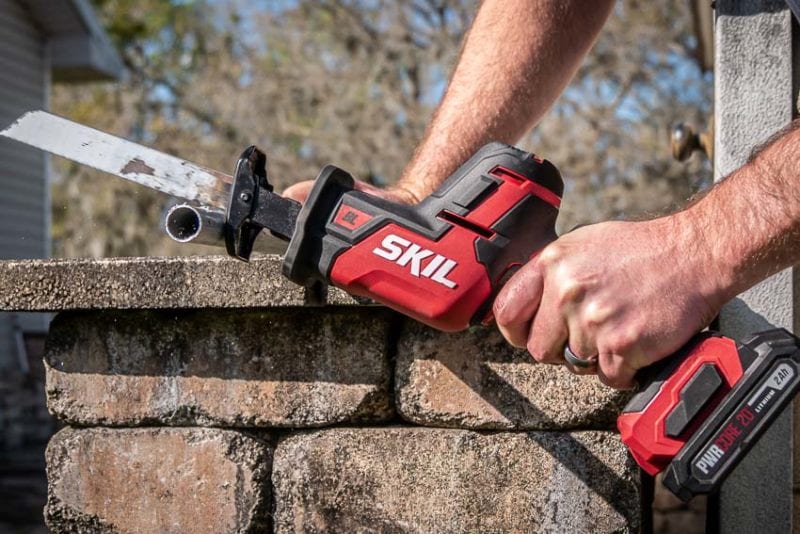
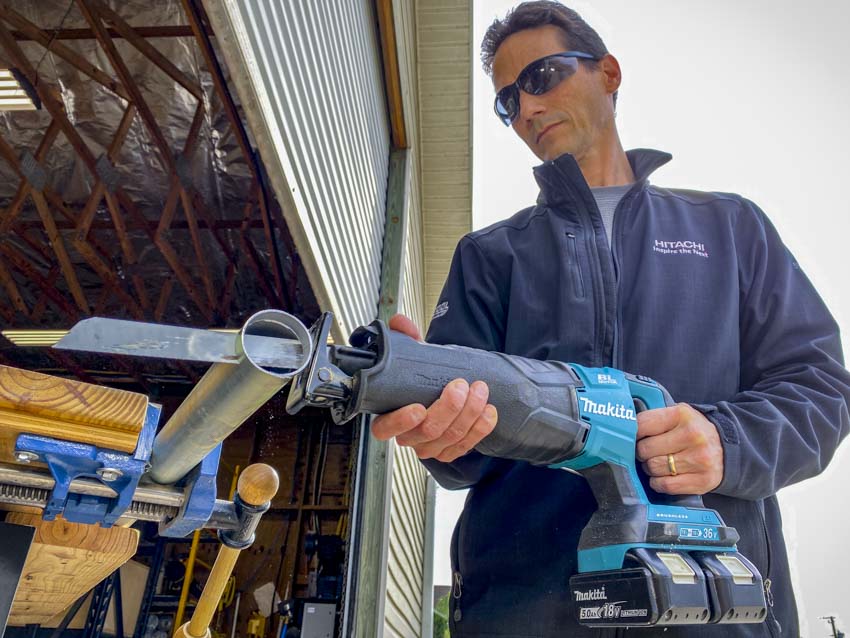
Cutting Metal
When working with metal pipes or nails:
- Use a high-TPI metal-cutting blade
- Go slow; high speed can overheat the blade
- Use cutting oil to keep the blade cool and extend its life
Pruning And Yard Work
Reciprocating saws are popular for trimming branches:
- Use a pruning blade (large, aggressive teeth)
- Cut at a slight angle to avoid pinching the blade
- Wear gloves and safety glasses to protect from thorns or flying debris
Common Mistakes And How To Avoid Them
Learning from others’ mistakes can save you time and trouble. Here are errors beginners often make:
- Using the wrong blade: Always match the blade to the material.
- Forcing the saw: Let the blade do the work; pushing too hard can bend or break blades.
- Not securing the material: Unclamped work can shift, leading to crooked cuts or injury.
- Ignoring the shoe: Pressing the shoe against the material reduces vibration and gives better control.
- Cutting with a dull blade: This makes the job slower, harder, and more dangerous.
- Not wearing safety gear: Flying debris and loud noise are real hazards.
- Overheating the blade: Take breaks, especially when cutting metal.
- Cutting into hidden wires or pipes: Check behind walls or floors before cutting.
Maintaining Your Reciprocating Saw
Taking care of your saw and blades will keep them working well for years.
Cleaning
- Wipe down the saw after each use
- Remove dust and debris from vents and moving parts
Blade Care
- Remove and inspect blades after each job
- Clean off resin, sap, or metal shavings
- Replace blades that are bent, broken, or dull
Lubrication
Some models require periodic oiling; check your manual for details.
Battery And Cord Care
- For cordless models, charge batteries as recommended
- Store batteries in a cool, dry place
- For corded models, check cords for damage and avoid sharp bends
Storage
- Store the saw and blades in a dry, secure case or toolbox
- Keep out of reach of children
Corded Vs Cordless Reciprocating Saws
Choosing between corded and cordless models depends on your needs.
| Feature | Corded | Cordless |
|---|---|---|
| Power | More consistent, higher power | Varies; lower for compact models |
| Mobility | Limited by cord length | Go anywhere |
| Weight | Lighter (no battery) | Heavier (battery adds weight) |
| Run time | Unlimited (as long as plugged in) | Limited by battery life |
| Best for | Heavy-duty, long jobs | Quick jobs, remote locations |
Reciprocating Saw Vs Other Power Saws
To understand where the reciprocating saw fits among other tools, let’s compare it to a few common power saws:
| Saw Type | Best For | Cutting Precision | Mobility |
|---|---|---|---|
| Reciprocating Saw | Demolition, rough cuts, hard-to-reach spots | Low to Medium | High |
| Jigsaw | Curves, detail work | Medium to High | Medium |
| Circular Saw | Straight, long cuts in wood | High | Medium |
| Chainsaw | Heavy-duty wood cutting, tree felling | Low | Medium |
Two Insights Beginners Often Miss
- Blade orientation matters: Many saws let you install the blade facing up or down. Sometimes, reversing the blade helps you cut in tight spaces or awkward angles. Always check your tool’s manual for safe blade directions.
- Letting the saw “pivot” for smoother cuts: By rocking the saw gently back and forth (using the shoe as a pivot point), you can cut faster and with less effort. This technique also reduces vibration and helps keep the blade cool.
Practical Tips For Better Results
- For long cuts, draw a straight, visible guideline first.
- If the material is thick, make a shallow first pass, then go deeper with each stroke.
- For cleaner metal cuts, add a little oil to the blade.
- Always unplug (or remove the battery from) the saw before changing blades.
- If the blade gets pinched, stop and carefully wiggle it free—don’t force it.
- When working above your head, take breaks to prevent fatigue and reduce risk.
Environment And Noise Considerations
Reciprocating saws can be noisy and dusty. If you are working indoors, close doors to contain dust, and warn others about the noise. Some cities have rules about loud construction noise at certain hours, so check local regulations before starting a big job.
When Not To Use A Reciprocating Saw
While reciprocating saws are versatile, they are not always the best tool for the job.
- For precise, straight cuts in fine woodworking, a circular saw or miter saw is better.
- For curves and detailed shapes, a jigsaw is preferred.
- For heavy tree removal, a chainsaw is safer and faster.
Troubleshooting: Common Issues And Solutions
- Blade keeps slipping: Make sure the clamp is fully engaged and the blade is the right size.
- Blade breaks easily: Use the correct blade for the material and avoid twisting the saw during use.
- Cuts are not straight: Secure your material, use the shoe for guidance, and don’t rush.
- Saw vibrates too much: Press the shoe firmly against the workpiece and use both hands.
Responsible Disposal Of Blades
Old blades should not go in regular trash, especially if they are metal. Check with your local recycling center for proper disposal. Some hardware stores have programs for recycling used saw blades.
Where To Learn More
For more detailed guidance and safety tips, visit the official OSHA power tool safety page at OSHA.gov.
Frequently Asked Questions
What Materials Can A Reciprocating Saw Cut?
A reciprocating saw can cut wood, metal, plastic, drywall, and even some types of masonry with the right blade. Always use the correct blade for your material to get the best results and avoid damage.
How Do I Change The Blade On My Reciprocating Saw?
First, unplug the saw or remove the battery. Locate the blade clamp (usually at the front), then twist, turn, or lift the mechanism as your model requires. Insert the new blade with teeth facing the correct direction, release the clamp, and gently pull on the blade to check that it is secure.
Can I Use A Reciprocating Saw For Precision Cuts?
While reciprocating saws are designed more for rough, fast cutting, you can make fairly straight cuts by using a fine-tooth blade, clamping your work securely, and moving slowly along a marked line. For very precise work, consider using a circular saw or jigsaw instead.
How Do I Avoid Kickback Or Blade Binding?
To prevent kickback, always keep the shoe pressed firmly against your workpiece, use the right blade, and avoid twisting the saw during the cut. If the blade starts to bind, stop and adjust your position or the material before continuing.
How Do I Maintain My Reciprocating Saw?
After each use, clean the tool to remove dust and debris, inspect the blade for wear or damage, store the saw in a dry place, and follow any lubrication instructions in your manual. For cordless models, keep batteries charged and stored properly.
Using a reciprocating saw opens up a world of possibilities for your next project, from simple home repairs to big renovations. With the right safety steps, blade choices, and cutting techniques, you can get great results and enjoy using this versatile tool.
Remember, practice builds skill—start with easy jobs and soon you’ll be cutting like a pro.