
The Honda Accord is one of the most popular midsize sedans in the world. Owners appreciate its reliability, comfort, and smooth driving experience. But proper maintenance is key if you want your Accord to last for many years. Among the most important tasks is knowing the oil capacity for your specific Honda Accord model. Using the right amount of oil is not just about following instructions—it affects engine health, fuel economy, and even your warranty. Surprisingly, many Accord owners and even some mechanics get the oil capacity wrong, leading to problems like leaks, burning oil, or even engine damage.
In this guide, you’ll discover everything you need to know about Honda Accord oil capacity: what it is, why it matters, how it changes by year and engine type, and practical tips to avoid common mistakes. Whether you own a classic 1990s Accord or a brand new hybrid, you’ll find clear, complete answers here. By the end, you’ll know exactly how much oil your Accord needs, how to check it, and how to avoid hidden traps that catch many beginners.
What Is Oil Capacity And Why Does It Matter?
Oil capacity is the total amount of engine oil required for a complete oil change, including the oil filter. For the Honda Accord, this is usually measured in quarts or liters. The right amount of oil is essential because:
- Too little oil can cause engine damage, overheating, and poor performance.
- Too much oil can lead to leaks, high pressure, and damage to seals and sensors.
Every engine is designed for a specific oil volume. The Honda Accord’s oil capacity is not the same for all models or years. Even a small mistake—half a quart too much or too little—can harm the engine over time.
Factors That Affect Honda Accord Oil Capacity
Honda Accords have been produced for over 45 years, with many engine sizes and types. Oil capacity depends on several factors:
- Engine size – 4-cylinder and V6 engines need different oil amounts.
- Model year – Honda sometimes changes oil capacity between generations.
- Oil filter replacement – Capacity is higher when you change the filter.
- Hybrid vs. non-hybrid – Hybrid engines may use less oil.
- Turbocharged engines – Some recent Accords use less oil than older V6 models.
Never guess your oil capacity based on what your friend’s Accord uses. Always check for your exact model, year, and engine.

Honda Accord Oil Capacity By Year And Engine
To help you quickly find the right oil capacity for your Accord, here’s a clear breakdown by generation and engine type. This section uses actual data from Honda manuals and trusted automotive sources.
1976–1989: First To Third Generation
Most early Honda Accords were simple 4-cylinder engines.
- 1.6L–2.0L engines: About 3.8 quarts (3.6 liters) with filter change
1990–1997: Fourth And Fifth Generation
Honda updated engine designs but kept oil capacity similar.
- 2.2L 4-cylinder: 4.2 quarts (4.0 liters) with filter
- 2.7L V6 (from 1995): 4.5 quarts (4.3 liters) with filter
1998–2002: Sixth Generation
This era brought more power and the introduction of the V6.
- 2.3L 4-cylinder: 4.5 quarts (4.3 liters) with filter
- 3.0L V6: 4.6 quarts (4.4 liters) with filter
2003–2007: Seventh Generation
Accords became larger and more refined.
- 2.4L 4-cylinder: 4.4 quarts (4.2 liters) with filter
- 3.0L V6: 4.5 quarts (4.3 liters) with filter
2008–2012: Eighth Generation
A new design and even more engine options.
- 2.4L 4-cylinder: 4.2 quarts (4.0 liters) with filter
- 3.5L V6: 4.5 quarts (4.3 liters) with filter
2013–2017: Ninth Generation
This generation introduced direct injection and hybrid options.
- 2.4L 4-cylinder: 4.4 quarts (4.2 liters) with filter
- 3.5L V6: 4.5 quarts (4.3 liters) with filter
- 2.0L Hybrid: 3.6 quarts (3.4 liters) with filter
2018–present: Tenth And Eleventh Generation
Turbocharged engines and advanced hybrids are common.
- 1.5L Turbo 4-cylinder: 3.7 quarts (3.5 liters) with filter
- 2.0L Turbo 4-cylinder: 4.6 quarts (4.4 liters) with filter
- 2.0L Hybrid: 4.2 quarts (4.0 liters) with filter
Quick Reference Table: Honda Accord Oil Capacity By Engine
| Year Range | Engine Type | Oil Capacity (quarts) | Oil Capacity (liters) |
|---|---|---|---|
| 1976–1989 | 1.6–2.0L 4-cyl | 3.8 | 3.6 |
| 1990–1997 | 2.2L 4-cyl | 4.2 | 4.0 |
| 1995–1997 | 2.7L V6 | 4.5 | 4.3 |
| 1998–2002 | 2.3L 4-cyl | 4.5 | 4.3 |
| 1998–2002 | 3.0L V6 | 4.6 | 4.4 |
| 2003–2007 | 2.4L 4-cyl | 4.4 | 4.2 |
| 2003–2007 | 3.0L V6 | 4.5 | 4.3 |
| 2008–2012 | 2.4L 4-cyl | 4.2 | 4.0 |
| 2008–2012 | 3.5L V6 | 4.5 | 4.3 |
| 2013–2017 | 2.4L 4-cyl | 4.4 | 4.2 |
| 2013–2017 | 3.5L V6 | 4.5 | 4.3 |
| 2014–2017 | 2.0L Hybrid | 3.6 | 3.4 |
| 2018–present | 1.5L Turbo | 3.7 | 3.5 |
| 2018–present | 2.0L Turbo | 4.6 | 4.4 |
| 2018–present | 2.0L Hybrid | 4.2 | 4.0 |
How To Check And Top Up Honda Accord Oil
Knowing the oil capacity is not enough. You need to understand how to check, add, and confirm the oil level is correct. Here’s a simple, step-by-step approach.
Step 1: Prepare Your Vehicle
- Park your Accord on a level surface and turn off the engine.
- Wait at least 5–10 minutes after turning off the engine, so oil can drain into the oil pan.
- Open the hood and locate the oil dipstick (usually yellow or orange).
Step 2: Check The Oil Level
- Pull out the dipstick and wipe it clean with a rag.
- Reinsert the dipstick fully, then pull it out again.
- Look at the oil mark. It should be between the low (L) and full (F) lines.
- If the oil is below the full mark, you may need to add oil.
Step 3: Add Oil (if Needed)
- Remove the oil filler cap (marked “Engine Oil”).
- Add oil slowly, a little at a time (about half a quart).
- Wait a minute, then check the dipstick again.
- Repeat until oil reaches the full mark, but do not overfill.
Step 4: Confirm
- Make sure the cap and dipstick are firmly in place.
- Start the engine, let it run for a minute, then turn off and recheck the level.
- Top up if needed.
Practical Tips
- Always use the recommended oil grade (see your owner’s manual).
- Use a clean funnel to avoid spills.
- Do not mix different oil types if you can avoid it.
- Dispose of old oil and filters at a recycling center.
Common Oil Change Mistakes Honda Accord Owners Make
Many Accord owners run into problems even with basic oil changes. Here are the most frequent mistakes, and how to avoid them:
- Overfilling oil: Too much oil can cause foaming, leaks, and sensor errors. Always pour slowly and check the dipstick.
- Using the wrong oil filter: Not all filters are the same size or flow rate. Use genuine Honda parts or a trusted brand.
- Not changing the filter: A dirty filter means dirty oil, even after a change.
- Under-tightening or over-tightening the drain plug: Too loose can leak; too tight can strip threads or crack the oil pan.
- Wrong oil viscosity: Especially in cold or hot climates, using 0W-20 when you need 5W-30 (or vice versa) affects engine performance.
Hidden Insight: Filter Capacity Counts
Many guides forget that the oil filter holds 0. 2–0. 4 quarts of oil. If you change oil but not the filter, you may underfill or overfill. Always check if your oil capacity “with filter” or “without filter” and add accordingly.
Hidden Insight: Hybrid Oil Needs
Hybrid Accords run their engines less, but oil can still age due to time, not just miles. Change hybrid oil at least once a year, even if you drive very little.
Comparing Honda Accord Oil Capacity To Other Sedans
How does the Accord’s oil capacity compare with similar midsize sedans? Here’s a quick look.
| Model | Engine | Oil Capacity (quarts) |
|---|---|---|
| Honda Accord (2.4L 4-cyl, 2015) | 2.4L I4 | 4.4 |
| Toyota Camry (2.5L 4-cyl, 2015) | 2.5L I4 | 4.6 |
| Nissan Altima (2.5L 4-cyl, 2015) | 2.5L I4 | 4.8 |
| Hyundai Sonata (2.4L 4-cyl, 2015) | 2.4L I4 | 5.1 |
| Ford Fusion (2.5L 4-cyl, 2015) | 2.5L I4 | 5.7 |
The Accord’s oil capacity is usually a little less than some rivals. This means you need to be careful when using oil bottles—do not just pour a full 5-quart jug.
Choosing The Right Oil Type For Your Honda Accord
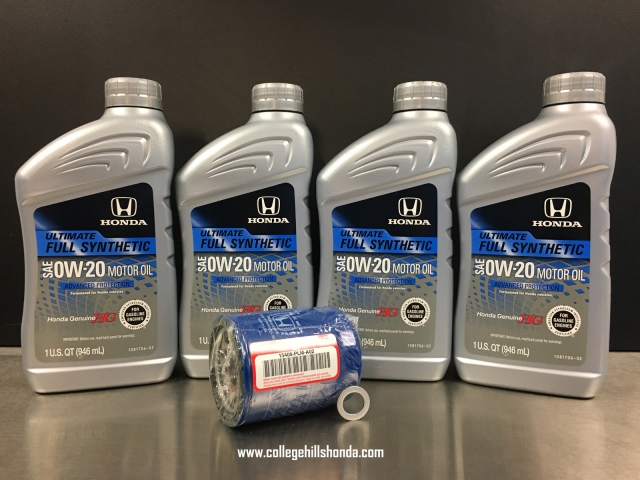
The right oil capacity is important, but so is using the correct oil type and viscosity. Most modern Accords use 0W-20 or 5W-20 synthetic oil. Older models may use 5W-30 or 10W-30.
Oil Viscosity Explained
- 0W-20: Good for cold climates and new engines. Offers the best fuel economy.
- 5W-20: Suitable for most climates. Common in Accords from 2003–2017.
- 5W-30 or 10W-30: Used in older engines or high-mileage Accords.
Always check your owner’s manual, as using the wrong viscosity can reduce performance, cause burning oil, or even damage the engine.
Synthetic Vs. Conventional Oil
Modern Accords are designed for synthetic oil, which lasts longer and protects better. Using synthetic oil helps keep your engine clean, especially if you follow longer oil change intervals (up to 7,500 miles or more).
Older Accords can use conventional oil, but switching to synthetic is safe for most engines. Just make sure the oil meets Honda’s specifications.
Oil Additives: Are They Necessary?
Most new engines do not need oil additives. Honda engines are designed to run well on the recommended oil alone. Adding aftermarket additives can sometimes cause more harm than good, including clogging the oil filter or damaging seals.
How Often Should You Change Oil In A Honda Accord?
Changing oil regularly is as important as using the correct amount. For most Accord models:
- Modern Accords (2011 and newer): Every 7,500–10,000 miles or 12 months, whichever comes first, using synthetic oil.
- Older Accords: Every 3,000–5,000 miles or 6 months, especially with conventional oil.
Hybrid Accords may need less frequent oil changes, but always follow the maintenance minder system or the owner’s manual.
Signs You Need An Oil Change Sooner
- Oil looks dark and dirty on the dipstick.
- You hear ticking or knocking sounds from the engine.
- The oil light comes on.
- The car runs rough, especially when cold.
If you see any of these signs, change your oil immediately, even if you haven’t reached the mileage limit.
How To Find Your Accord’s Exact Oil Capacity
If you’re unsure about your model or engine, here are the best ways to get the correct oil capacity:
- Owner’s Manual: The most reliable source. Look for “Lubrication” or “Specifications.”
- Honda Dealership: Service departments can quickly give you the right number.
- Under the Hood Sticker: Some Accords have a sticker near the radiator or oil cap.
- Online Sources: Trusted sites like Honda Owners have full specifications by VIN.
Never rely on memory or “what the last mechanic used. ” Check every oil change, especially if you just bought your Accord used.
Oil Capacity And Engine Longevity: The Hidden Link
Many people do not realize that small mistakes in oil capacity can build up over time. Running your engine even half a quart low, month after month, can lead to:
- Increased engine wear
- Sludge buildup
- Poor fuel economy
- Shorter engine life
On the other hand, always keeping the correct oil level improves:
- Engine cooling
- Lubrication of moving parts
- Fuel efficiency
- Long-term reliability
For high-mileage Accords (over 150,000 miles), being precise with oil capacity becomes even more important.
Diy Vs. Professional Oil Change: What To Watch For
Changing oil yourself is a great way to save money, but it’s easy to make mistakes. Here’s a quick comparison to help you decide.
| Method | Pros | Cons |
|---|---|---|
| DIY Oil Change | Cheaper, learn about your car, control over oil quality | Easy to over/underfill, messy, need tools, may miss issues |
| Professional Service | Quick, includes inspection, correct disposal | More expensive, not all shops use quality oil, risk of mistakes if rushed |
If you do it yourself, always double-check the oil level after running the engine. If you use a shop, ask for the exact oil amount used and confirm it matches your owner’s manual.
What If You Overfill Or Underfill Your Honda Accord’s Oil?
Overfilling by a small amount (0.1–0.2 quarts) is usually not dangerous, but larger overfills can create problems:
- Foaming: Oil churns and loses lubrication.
- Leaking seals: Excess pressure can push oil past gaskets.
- Catalytic converter damage: Burning oil can ruin expensive emission systems.
Underfilling can be even worse:
- Inadequate lubrication: Metal parts rub and wear.
- Engine overheating: Oil helps cool the engine.
- Permanent engine damage: Running too low can ruin the engine in minutes.
If you suspect a mistake, drain some oil or add as needed. Never “just leave it” if you’re not sure.

How To Avoid Oil Capacity Mistakes In The Future
- Write your Honda Accord’s exact oil capacity on a note in your garage or glove box.
- Buy oil in bottles that match your car’s capacity (for example, two 4-quart bottles for a 7.5-quart fill).
- Use the same brand and viscosity of oil each time, unless changing for a reason.
- Check the dipstick after every oil change, even at a professional shop.
- Ask for your old oil filter and check it matches the new one.
Environmental Impact: Dispose Of Used Oil Properly
Used engine oil is toxic and must never be poured down drains or onto the ground. Most auto parts stores and service centers will recycle your oil and filter for free. If you change your own oil, always use a sealed container and take it for recycling.
This small step helps protect the environment and keeps local water sources clean.
Frequently Asked Questions
What Happens If I Put Too Much Oil In My Honda Accord?
If you add too much oil, it can cause foaming, leaks, and high pressure inside the engine. This may damage seals, sensors, and even the catalytic converter. If you overfill by more than 0.5 quarts, it’s best to drain the excess immediately.
Can I Use 5w-30 Oil In My Honda Accord Instead Of 0w-20?
For most modern Accords, 0W-20 or 5W-20 is required. Using 5W-30 in a newer Accord can reduce fuel efficiency and may not protect as well in cold starts. Only use 5W-30 if your owner’s manual specifically allows it.
Do I Need To Change My Oil Filter Every Oil Change?
Yes, it’s best to change the oil filter every time you change the oil. A dirty filter means the new oil gets dirty quickly, reducing engine protection and life.
How Do I Find The Right Oil Capacity For My Specific Honda Accord?
Check your owner’s manual, the sticker under the hood, or trusted sites like Honda Owners. Always verify by model year, engine type, and whether you are also replacing the filter.
Is Synthetic Oil Required For Newer Honda Accords?
Most Accords from 2011 and newer require synthetic oil (0W-20 or 5W-20). Synthetic oil offers better protection and longer intervals. Using conventional oil in these engines is not recommended.
Taking care of your Honda Accord’s oil needs is simple when you know the facts. Following the right oil capacity and change schedule will keep your engine running smoothly for many years. Always double-check your specs, use quality oil and filters, and dispose of used oil responsibly.
Your Accord—and the environment—will thank you.