
If you have ever tried to drive long screws into tough wood or remove stubborn bolts, you know that a regular drill can struggle, stripping screw heads or stalling out. This is where an impact driver shines. These tools pack a powerful punch, making them a favorite for professionals and DIYers alike. But using one for the first time can be confusing. If you want to work smarter, safer, and more efficiently, learning how to use an impact driver the right way is essential. This guide will walk you through everything you need to know, from how an impact driver works to tips for getting the best results.
What Is An Impact Driver?
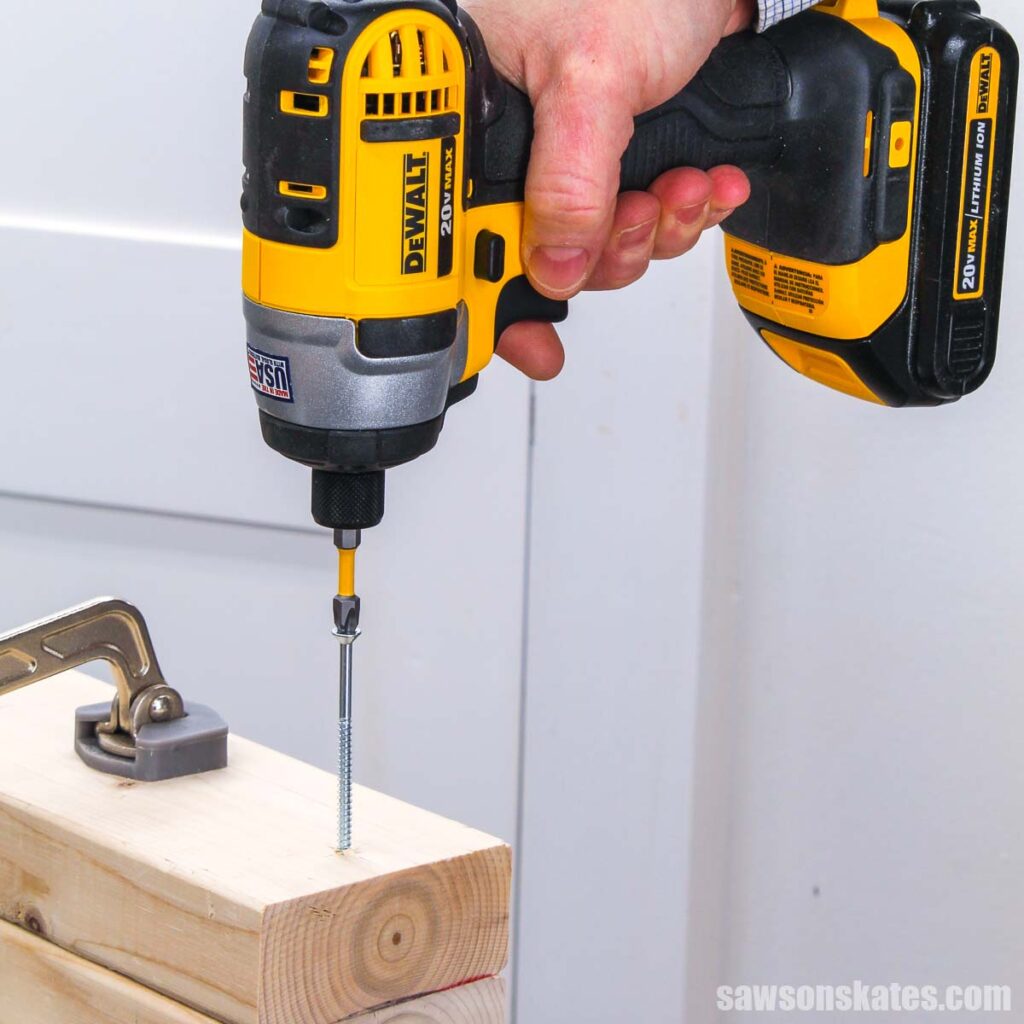
An impact driver is a handheld power tool designed to drive screws and bolts with much greater force than a standard drill. Unlike a regular drill, it uses a combination of rotational force (torque) and quick, strong bursts called “impacts” to turn fasteners. This extra power helps avoid stripping screws and makes it easy to work with hard materials.
Impact drivers are most often used for:
- Driving long screws into wood
- Fastening bolts into metal or concrete
- Loosening stuck or rusted bolts
- Projects where high torque is needed
Most impact drivers are compact, lightweight, and easy to handle. They use special hex-shank bits (usually 1/4-inch) that snap into a quick-release chuck.
How Does An Impact Driver Work?
When you press the trigger, the motor spins the bit like a drill. But when it meets resistance, an internal mechanism delivers fast, repeated impacts—like tiny hammer blows—around the axis of rotation. This multiplies the torque, so you can drive fasteners much deeper without much effort.
Impact Driver Vs. Drill: What’s The Difference?
It’s easy to confuse an impact driver with a standard drill, since both look similar. However, they have key differences:
| Feature | Impact Driver | Drill/Driver |
|---|---|---|
| Torque | High (up to 2,000 in-lbs) | Medium (300-600 in-lbs) |
| Best Use | Driving screws/bolts, stuck fasteners | Drilling holes, light screws |
| Chuck Type | 1/4″ Hex quick release | Keyless, accepts round/hex bits |
| Impacts | Yes, percussive action | No |
| Control | More torque, less precise | More control for drilling |
Key takeaway: Use an impact driver for tough fastening jobs; use a drill/driver for drilling and light screwing tasks.
Essential Parts Of An Impact Driver
Getting familiar with the main parts of your impact driver makes it easier to use and maintain.
- Motor housing: The main body that holds the motor and gears.
- Trigger: Controls power and speed.
- Forward/Reverse switch: Changes the direction of rotation.
- Quick-release chuck: Accepts hex-shank bits; allows fast bit changes.
- Battery: Usually 18V or 20V lithium-ion for cordless models.
- LED light: Illuminates your work area (on many models).
- Belt clip: Lets you hang the tool on your belt for convenience.
Safety Precautions Before Use
Power tools are helpful but can be dangerous if not used correctly. Take these steps before using an impact driver:
- Wear safety glasses to protect your eyes from flying debris.
- Use ear protection if you’re working for long periods or in tight spaces (impact drivers can be loud).
- Check for loose clothing and tie back long hair to avoid getting caught.
- Inspect the tool and battery for cracks, damage, or missing parts.
- Use the right bit for the job—damaged or mismatched bits can break or slip.
- Work in a clean, well-lit area with no tripping hazards.
- Disconnect the battery before changing bits or making adjustments.

Choosing The Right Impact Driver For Your Needs
Not all impact drivers are the same. Picking the right tool depends on what you plan to do.
Corded Vs. Cordless
- Cordless models are popular for their flexibility and portability. Most use 18V or 20V lithium-ion batteries, giving you plenty of power for home and jobsite tasks.
- Corded models never run out of power but can be less convenient due to the need for an outlet.
Size And Torque
- Compact drivers are lighter and fit in tight spaces, but may offer less torque.
- Full-size models have more power for heavy-duty jobs, but can be heavier to handle.
Additional Features
- Variable speed triggers help you start fasteners slowly, reducing the chance of slipping.
- Brushless motors last longer and run cooler.
- Built-in LED lights make it easier to see your work.
- Multiple speed settings offer better control for different tasks.
Bit Compatibility
Impact drivers use hex-shank bits. Make sure the bits you use are labeled “impact-rated” for safety and best performance.
How To Set Up An Impact Driver
Setting up your impact driver is quick, but doing it correctly ensures safety and efficiency.
- Charge the battery fully if you have a cordless model.
- Select the right bit for your screw or bolt. Make sure it is impact-rated and fits snugly.
- Insert the bit: Pull out the quick-release collar, slide in the bit, and let go to lock it in place. Tug the bit gently to check it’s secure.
- Adjust the direction: Use the forward/reverse switch to set the rotation direction.
- Check speed settings (if available): Start with the lowest setting for better control.
Step-by-step: How To Use An Impact Driver
Using an impact driver is straightforward once you know the steps. Here is a clear process:
1. Prepare Your Materials
Have your screws, bolts, or fasteners ready. Pre-drill pilot holes in hard materials if needed—this prevents splitting and makes driving easier.
2. Hold The Tool Correctly
Use both hands for maximum control, especially when starting the screw. Hold the handle firmly, and keep your wrist straight to avoid fatigue.
3. Position The Bit
Place the bit squarely in the screw or bolt head. Make sure it is centered so it does not slip.
4. Start Slowly
Squeeze the trigger gently to start the screw at a slow speed. This helps prevent the bit from jumping out of the screw head (cam-out).
5. Increase Speed And Pressure
Once the screw is started, increase pressure and trigger speed. Let the impact driver do the work—do not force it. The tool will automatically deliver extra torque as needed.
6. Drive Until Flush
Watch the screw head. Stop when it is flush with the material or at the desired depth. Release the trigger to stop the tool.
7. Remove The Bit Safely
Release the quick-release collar and pull out the bit. Be careful—bits can get hot after heavy use.
Pro tip: If you’re driving long screws, back the screw out a half turn after it’s halfway in, then continue driving. This helps clear debris and reduces the chance of snapping the screw.
Driving Different Types Of Fasteners
Impact drivers are not just for wood screws. They can handle a range of fasteners if you use the right bit and technique.
Wood Screws
Perfect for decking, framing, or furniture. Pre-drill holes in hardwoods to prevent splitting. Use a bit that matches your screw type (Phillips, Torx, etc. ).
Lag Bolts
Heavier fasteners used in construction. Use a socket adapter with your impact driver. Start slowly to avoid over-tightening.
Machine Screws
Used in metal or machinery. Impact drivers can drive them, but use care to avoid stripping the threads.
Concrete Screws
With a masonry bit, you can drive special screws into concrete or brick. Pre-drilling is a must, and use a slow, steady pressure.
Removing Stubborn Screws And Bolts
One of the hidden strengths of an impact driver is removing rusted or stuck screws and bolts. The percussive action can break loose fasteners that a drill or wrench cannot budge.
To do this:
- Use the correct bit or socket adapter.
- Set the tool to reverse.
- Apply steady pressure and short bursts if needed.
- For very stuck bolts, apply some penetrating oil and let it sit before trying again.
Common Mistakes And How To Avoid Them
Even experienced users can make mistakes with an impact driver. Here are some common errors and how to avoid them:
- Using the wrong bit: Regular bits can break or slip. Always use impact-rated bits.
- Forcing the tool: Let the driver do the work. Forcing increases wear and risks slipping.
- Overdriving screws: Stop when the screw is flush to avoid damaging material or stripping threads.
- Not checking the direction: Driving in reverse by mistake wastes time and may damage screws.
- Ignoring safety: Skipping glasses or gloves can result in injury from flying debris or hot bits.
- Using on delicate materials: Impact drivers can be too powerful for soft woods or drywall. Use a regular drill for these tasks.
When To Use An Impact Driver Vs. Other Tools
It’s important to know when an impact driver is the best tool for the job, and when to use something else.
| Task | Best Tool |
|---|---|
| Driving long screws in hardwood | Impact Driver |
| Drilling holes in wood or metal | Drill/Driver |
| Loosening stuck bolts | Impact Driver |
| Precision screwdriving (e.g. cabinets) | Drill/Driver |
| Driving screws into drywall | Drill/Driver or Drywall Screw Gun |
| Heavy construction bolts | Impact Wrench |
Impact drivers are perfect for tough, repetitive driving jobs, but not for delicate or precision work.
Tips For Getting The Best Results
A few simple adjustments can help you get more from your impact driver and extend its life.
- Start at low speed: Use the trigger gently to avoid slipping or damaging screws.
- Keep bits clean and sharp: Dirty or worn bits can slip and damage fasteners.
- Use pilot holes: Especially in hardwoods, pre-drill to make driving easier and cleaner.
- Take breaks: Long sessions can heat up both the tool and the bit. Let them cool.
- Check battery levels: Low batteries deliver less torque; swap in a fresh one for tough jobs.
- Store properly: Keep your driver and bits in a dry place to avoid rust and corrosion.
- Practice control: If your model has speed settings, use the right one for each task.
Maintenance And Troubleshooting
Regular care keeps your impact driver working safely and efficiently.
Cleaning
- Wipe down the tool after use, especially the vents and chuck.
- Remove dust and debris from the bit holder area.
Bit Care
- Check bits for wear or damage after each job.
- Replace worn bits to avoid slipping or breaking.
Battery Care
- Store batteries in a cool, dry place.
- Avoid leaving batteries on the charger overnight.
- If your battery gets hot, let it cool before charging.
Troubleshooting Common Problems
- Driver won’t start: Check battery charge and connections.
- Bit slips or falls out: Make sure you’re using the right size bit and that it’s fully seated.
- Low power: Swap in a charged battery, or check for debris in the chuck.
Advanced Uses For An Impact Driver
As you gain experience, you’ll find that an impact driver can do even more than basic screwdriving.
Driving Large Fasteners
With the right bit or socket adapter, you can drive lag bolts or even small anchors into masonry.
Assembly And Disassembly
Impact drivers speed up furniture assembly and can help take apart old projects with stubborn screws.
Deck And Fence Building
Long, heavy-duty screws are common in decking and fencing. Impact drivers make these large jobs faster and easier.
Automotive Work
While an impact wrench is better for big bolts, an impact driver can handle small to medium bolts in car repairs, especially in tight spaces.
Note: Always use bits and adapters rated for impact use to avoid breakage and injury.

Real-world Examples And Data
Consider some real numbers. A typical impact driver delivers up to 2,000 inch-pounds of torque (compared to 500-600 for an average drill). This means you can drive a 3-inch screw into hardwood in about 2-3 seconds—much faster than a drill, with less risk of stripping.
Professional contractors often report that impact drivers cut their screwdriving time in half, especially on large projects. In a test by a leading tool magazine, impact drivers completed a deck-building job 30% faster than drills, with fewer stripped screws.
Two Things Most Beginners Miss
- The importance of bit selection: Many new users grab any old bit, but using an impact-rated bit is essential. Standard bits can shatter or wear out quickly under high torque.
- Letting the tool do the work: Beginners often push too hard, thinking more pressure equals better results. In reality, the impact action does the hard work—pushing too much can actually make things worse.
Environmental And Cost Considerations
Impact drivers are energy efficient. Most cordless models use brushless motors, which last longer and use less power. While they may cost more upfront (usually $60–$150 for a quality model), the time and labor saved quickly pay off, especially for regular users.
When choosing a model, look for brands with good warranties and easy-to-find replacement batteries. Buying a combo kit with extra batteries can save money in the long run.
Learning Resources
To dive deeper into tool reviews, safety tips, and project ideas, check out the DIY community at Family Handyman, which offers a wealth of practical guides.
Frequently Asked Questions
What Is The Main Advantage Of An Impact Driver Over A Drill?
The main advantage is higher torque. Impact drivers deliver more turning force, making it easy to drive long screws or bolts into tough materials without stripping or stalling.
Can I Use My Impact Driver For Drilling Holes?
Yes, but only with hex-shank drill bits. Impact drivers are not as precise as drills for making clean holes, especially in metal or delicate materials.
Why Do I Need Impact-rated Bits?
Impact-rated bits are designed to handle the high torque and sudden impacts of these tools. Using regular bits can lead to breakage, slipping, and even injury.
How Do I Avoid Stripping Screws With An Impact Driver?
Start slowly, use the correct bit, and stop as soon as the screw is flush with the surface. Let the tool do the work, and avoid forcing it.
Is An Impact Driver Suitable For Beginners?
Absolutely. With basic safety and setup, impact drivers are easy to use—even for those new to power tools. Start with simple projects and practice your technique to build confidence.
Using an impact driver can make tough jobs faster, safer, and more enjoyable. With the right setup, care, and a little practice, you’ll soon wonder how you ever managed without one. Whether you’re building a deck, fixing a fence, or tackling automotive repairs, this tool will quickly become one of your workshop favorites.